3 days in Osaka: a realistic day-by-day plan
Osaka: Osaka five highlights walking tour ramen lunch
Is 3 days enough for Osaka?
Yes, for the city itself — 3 days covers Osaka Castle, Dotonbori and the food scene, one or two neighborhood walks, and leaves room for a single day trip to Kyoto or Nara. It's tight if you also want USJ, which typically needs its own dedicated day.
Three days is enough to get a real feel for Osaka rather than a rushed highlight-reel, provided the plan accounts for actual transit times between neighborhoods and doesn’t try to cram Universal Studios Japan and a day trip into the same short window. The structure below — two days centered on Osaka itself, one day trip to Kyoto or Nara — is the version that consistently works for first-time visitors, with realistic timing built from actual train schedules and walking distances rather than idealized sightseeing math.
| Where | Osaka city + 1 day trip (Kyoto or Nara) |
| Cost | ~¥45,000-72,000/person incl. accommodation |
| Pace | 9am-9pm, one unstructured stretch daily |
| Best time | Spring (blossoms) or winter (thinner crowds) |
| Skip if tight | USJ and Koyasan don’t fit this frame |
Day 1: Osaka Castle, Dotonbori, and orientation
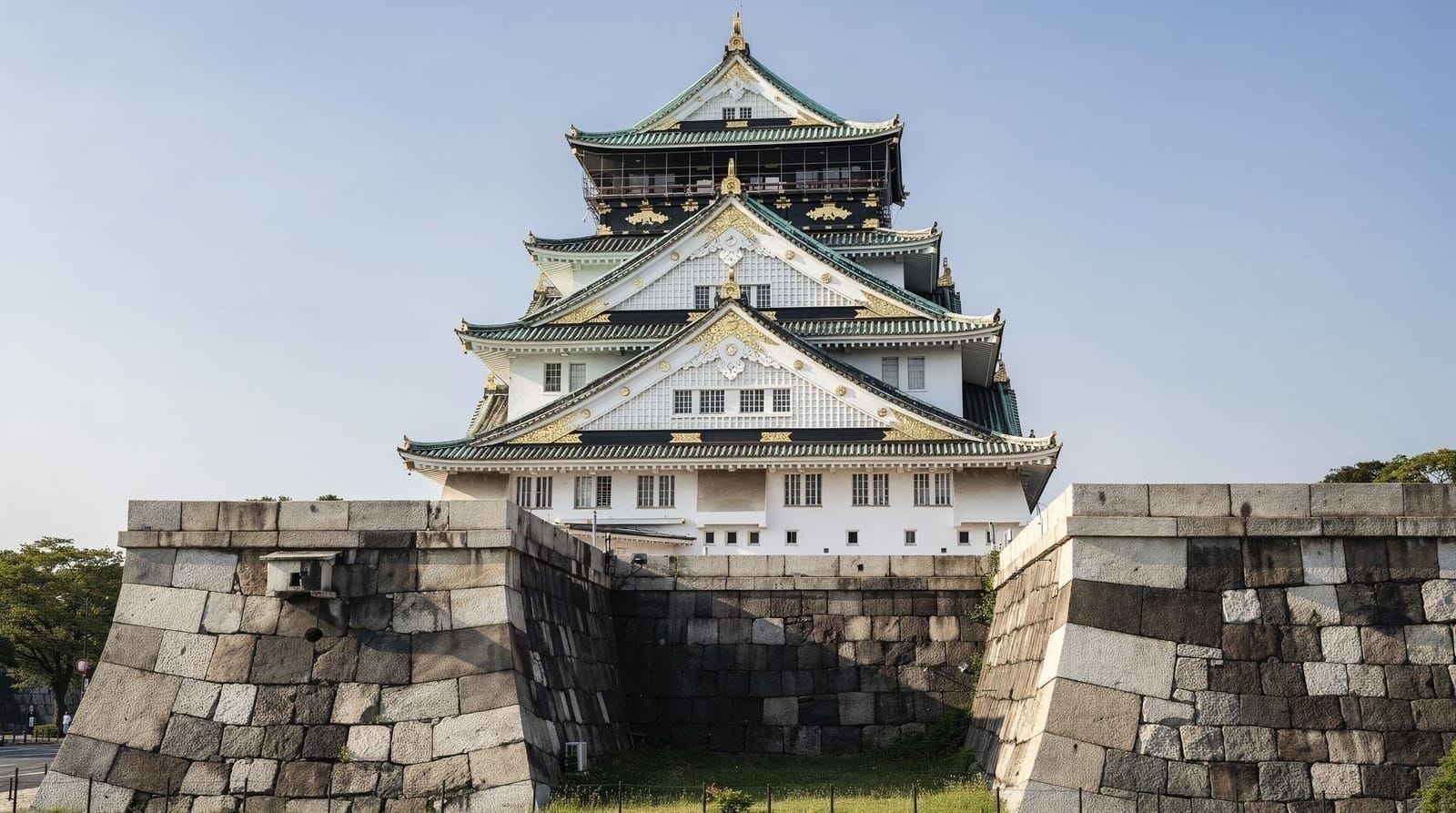
Start at Osaka Castle (opens 9am), allowing 1.5-2 hours for the grounds and the museum inside the main keep (¥600 entry, often included with the Osaka Amazing Pass). The castle park itself is worth lingering in beyond the keep — moats, stone walls, and in late March-early April, one of the city’s best cherry blossom concentrations, detailed in the Osaka Castle guide.
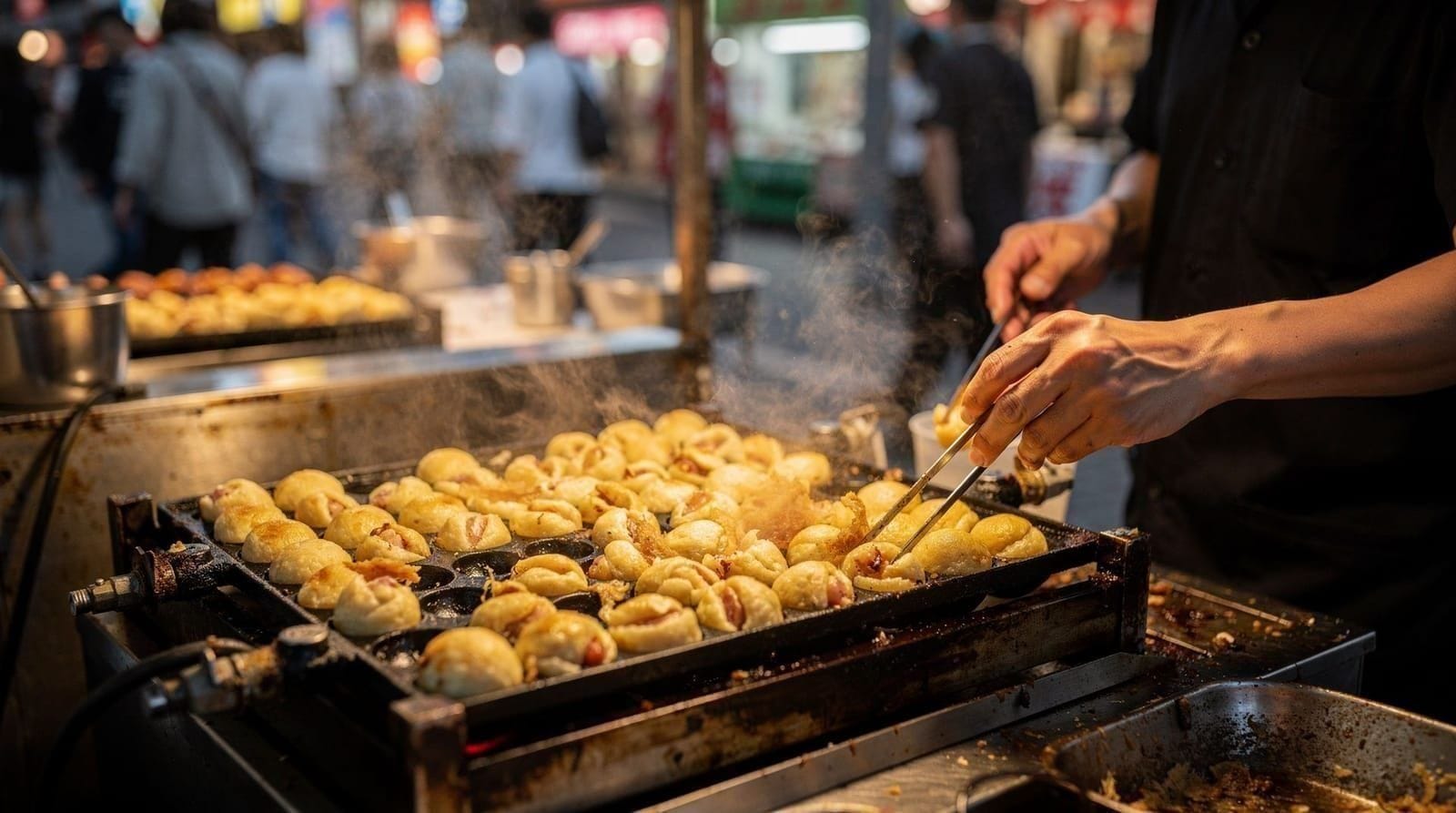
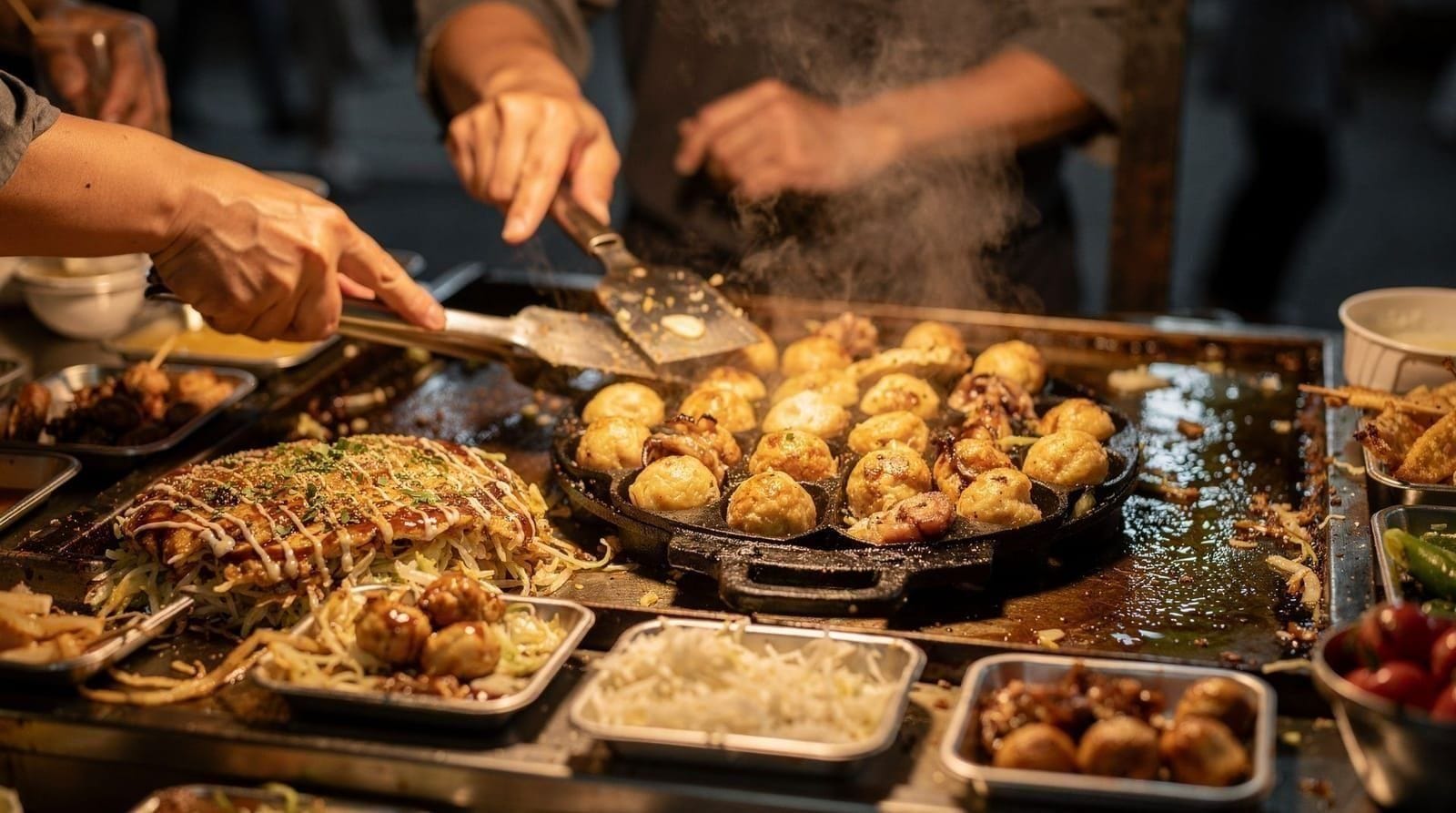
From there, take the subway (about 15 minutes) toward Namba for lunch and an afternoon in Dotonbori — the canal-front food district covered in full in the Dotonbori food guide, with takoyaki and okonomiyaki as the two dishes worth prioritizing on a first visit (see the takoyaki guide and okonomiyaki guide for specific shop recommendations over the generic tourist-strip stalls).
Osaka Castle museum and tower ticket is worth booking ahead during peak season (particularly cherry blossom weeks) to skip the ticket line at the base of the keep.
Spend the evening exploring Shinsaibashi’s shopping arcade if energy allows, or head back to Dotonbori after dark — the neon signage and canal reflections read completely differently at night than during the day.
Day 2: temples, a walking tour, and food deep-dive
Morning: Shitennoji Temple, one of Japan’s oldest Buddhist temples, in the Tennoji area, or — for visitors who’d rather stay in central Osaka — the Osaka temples and shrines guide covers alternative options closer to Namba. Late morning into afternoon, a guided walking tour is the most efficient way to cover multiple sights with context rather than navigating independently.
Osaka five highlights walking tour with ramen lunch covers several of the city’s key sights plus a proper ramen lunch in a single half-day outing, a good fit for day 2 if day 1 already handled the castle and Dotonbori independently.
Afternoon or evening, dedicate real time to Osaka’s food scene beyond the Dotonbori strip — Kuromon Ichiba Market for a more local, less tourist-dense food-hunting experience, or the Osaka street food guide for a broader map of where locals actually eat.
Daytime Dotonbori food tour is a solid alternative for day 2’s food component if a fully guided tasting run, rather than independent grazing, fits the day’s pace better.
Evening: Umeda, for the Umeda Sky Building’s Floating Garden Observatory at sunset (¥2,000 entry) — one of the better skyline views in the city and a natural close to a day built around Osaka proper.
Day 3: one day trip — Kyoto or Nara
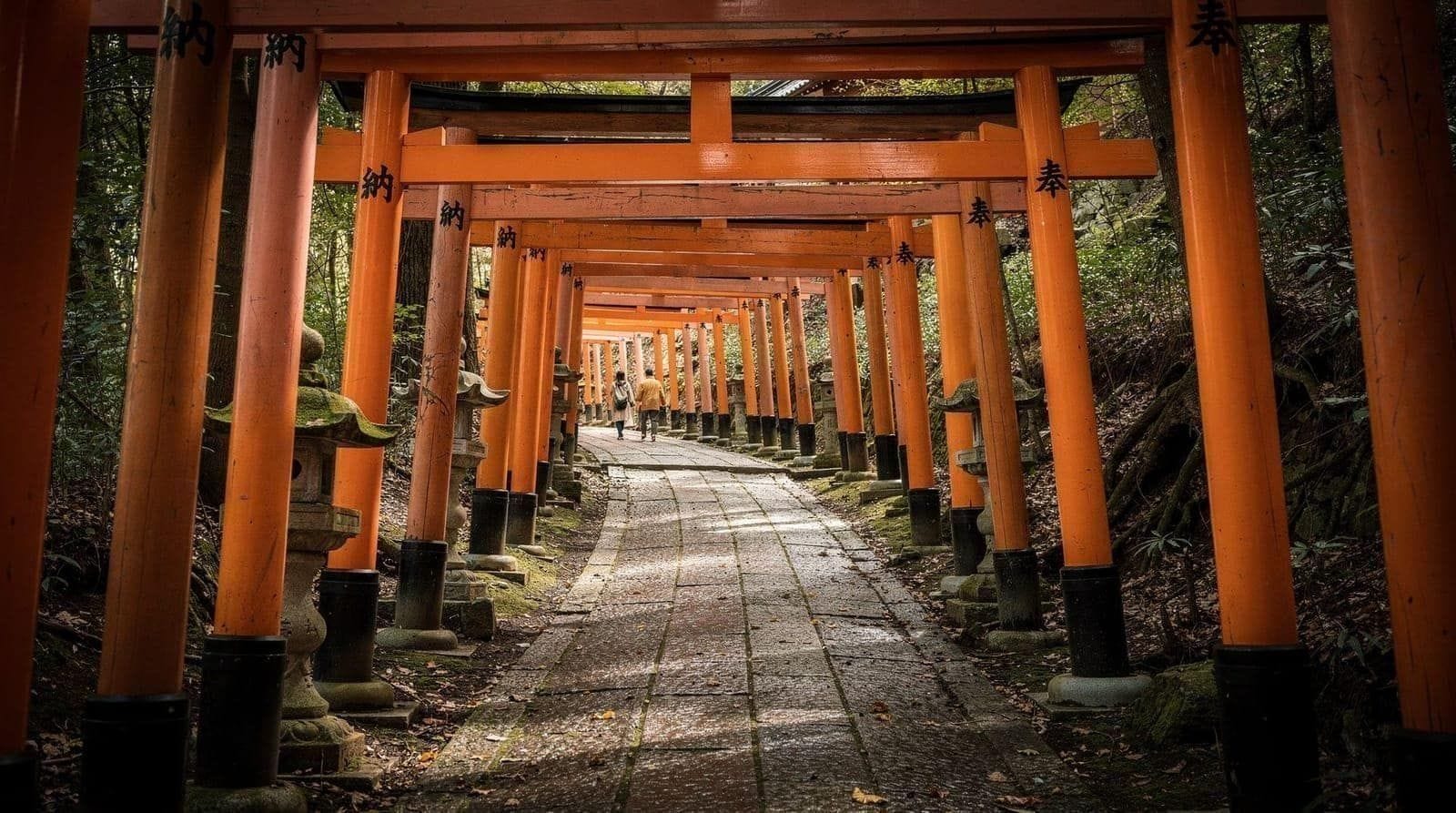
Day 3 is best used as a single day trip, since Osaka’s core sights are largely covered by the end of day 2 and the region’s day-trip destinations are genuinely close. Kyoto (30 minutes each way by JR or private rail) suits visitors who want a denser day of temples and gardens — Fushimi Inari’s torii gate tunnels, Kinkaku-ji’s gold pavilion, or the Arashiyama bamboo grove, detailed across the Fushimi Inari guide, Kinkaku-ji guide, and Arashiyama bamboo guide — with the Osaka to Kyoto day trip guide covering exact routing and timing.
Fushimi Inari guided walking tour from Kyoto is a practical way to cover the shrine’s upper trails with context, particularly useful for visitors squeezing Kyoto into a single day and wanting to prioritize correctly rather than wandering without a plan.
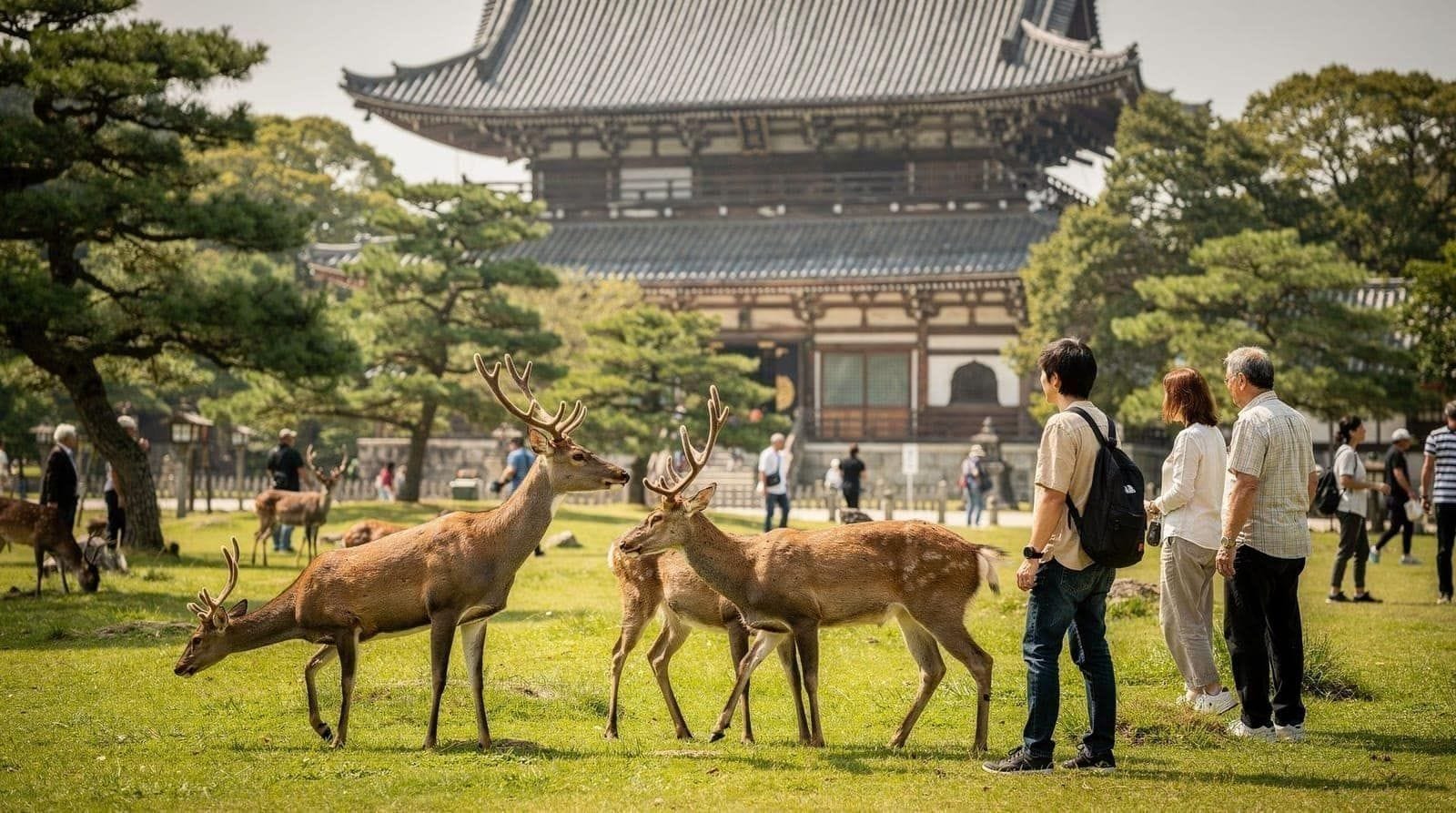
Nara (45 minutes each way) suits visitors who prefer a lighter, slower day — the free-roaming deer of Nara Park, Todai-ji’s Great Buddha, and Kasuga Taisha’s lantern-lined approach, all walkable from each other, detailed in the Nara deer park family guide and Todai-ji Nara guide, with the Osaka to Nara day trip guide covering logistics.
Nara half-day private tour: 4 spots and deer park covers the highlights efficiently for travelers who want a guided structure rather than self-navigating Nara’s sights independently.
Pacing and realistic expectations
Each of these days assumes a 9am-9pm active window with a proper lunch break — pushing harder than that consistently leads to fatigue by the afternoon of day 2, particularly for visitors also adjusting to jet lag. Building in one deliberately unstructured stretch (an hour with no fixed plan, just wandering a neighborhood) tends to produce better trip memories than back-to-back scheduled stops, and Dotonbori in particular rewards aimless wandering after dark more than a rigid checklist approach.
Transport and pass strategy for this itinerary
For days 1-2 within Osaka, an Osaka Amazing Pass (¥2,800-3,300 for one day) covers unlimited subway travel plus free entry to Osaka Castle’s tower and the Umeda Sky Building observatory, working out cheaper than paying each fare and entry individually if hitting both sights. For day 3’s trip to Kyoto or Nara, standard JR or private-line tickets (¥1,000-1,700 round trip) are simpler than a rail pass, since a single round-trip leg rarely justifies a multi-day pass’s cost. Full transport cost detail is in the Osaka trip cost and budget guide.
Where to stay for this itinerary
Namba or Shinsaibashi keep days 1-2 walkable and put you closest to Namba Station for day 3’s train departure; Umeda works nearly as well and offers a calmer evening base, with a very slightly faster rail connection toward Kyoto specifically. The full trade-off breakdown is in the where to stay in Osaka guide.
Adjusting this plan by season
During cherry blossom season (peak around late March-early April 2026), Osaka Castle Park and Kema Sakuranomiya Park justify extra time on day 1 — arrive at the castle at opening to beat both crowds and heat, detailed in the cherry blossom Osaka guide. In summer (June-August), shift outdoor sightseeing to mornings and evenings, saving midday for indoor stops like museums or the aquarium, given daytime heat and humidity. In winter (December-February), days are shorter and colder but crowds thin out substantially, making this the easiest season to execute this exact itinerary without timing pressure — see the Osaka winter guide for specifics.
What to cut if the trip compresses to 2 days
If circumstances shrink this to 2 days, cut the day trip entirely and fold Shitennoji or a second Osaka temple into day 2’s schedule instead, keeping both days centered on the city itself — trying to compress a Kyoto or Nara day trip into a half-day leaves too little margin for train delays or a slow lunch, and undersells both cities relative to what they offer with a full day.
Extending to 4 or 5 days
With a fourth day, Universal Studios Japan (detailed in the Universal Studios Japan guide) fits cleanly as its own dedicated day, since the park genuinely rewards arriving at opening and staying until close rather than a partial visit. A fifth day opens up Kobe or Himeji as a second day trip, or an overnight extension to Koyasan for the temple stay experience — see the Kansai day trip planner tool for modeling additional days against your specific interests.
A per-day budget breakdown for this itinerary
For a mid-range traveler following this exact 3-day structure, expect roughly: day 1 (castle entry, subway day pass, Dotonbori food) ¥5,000-7,000; day 2 (guided walking tour with lunch included, Kuromon Market grazing or a food tour, observatory entry) ¥9,000-13,000; day 3 (day trip transport, temple/shrine entries, a Kyoto or Nara lunch) ¥4,000-7,000 — totaling roughly ¥18,000-27,000 across the three days for food, transport, and activities, excluding accommodation.
Accommodation for three nights in a mid-range business hotel adds roughly ¥27,000-45,000 depending on neighborhood and season, bringing the full trip to the ¥45,000-72,000 range referenced in the FAQ below — see the Osaka trip cost and budget guide for the complete category-by-category breakdown this estimate draws from.
Photography and quiet moments in this itinerary
Beyond the fixed sightseeing stops, a few specific windows in this 3-day structure reward slowing down rather than rushing to the next stop: early morning at Osaka Castle before the grounds fill in (roughly 9-10am), the transition from daylight to neon at Dotonbori (best experienced by simply sitting at a canal-front spot for twenty minutes rather than continuously moving), and whichever day-trip destination’s quieter back streets sit away from the main sightseeing route — Nara’s residential lanes away from the deer park, or Kyoto’s smaller temple approaches away from Fushimi Inari’s main torii tunnel. None of these require extra time carved out of the schedule, just a willingness to pause within stops already on the plan.
Rainy day adjustments
Osaka’s covered shopping arcades (Shinsaibashi-suji, the underground concourses beneath Umeda and Namba stations) make rainy-day sightseeing genuinely workable without much adjustment to this itinerary — day 1’s Dotonbori stretch and day 2’s Kuromon Market and Umeda evening both run largely under cover already.
The one component genuinely disrupted by heavy rain is day 3’s day trip, particularly Nara Park (mostly outdoor) or Fushimi Inari’s uphill trail sections (exposed, and can turn slippery) — on a heavy-rain forecast day, Kyoto’s more indoor-heavy temple interiors (Nijo Castle, Kinkaku-ji’s grounds still require some outdoor walking but less trail exposure than Fushimi Inari) are a more comfortable substitute, detailed in the Kyoto best temples guide.
First-time visitor logistics to sort before day 1
Arriving with an ICOCA transit card already understood (purchasable at the airport or any major station on arrival) and offline maps downloaded removes the two most common sources of day-1 friction — see the Osaka travel tips for first-time visitors guide for the fuller pre-trip checklist, including SIM card and cash considerations that are easier to sort before jet lag and a new city compound each other on arrival day.
Why this specific sequencing works
Placing the castle and Dotonbori on day 1 front-loads the two sights most visitors specifically picture when planning an Osaka trip, useful psychologically even before considering logistics — it also means day 1’s pace can be genuinely relaxed (arrival jet lag considered) since neither stop demands early arrival to avoid crowds outside cherry blossom season.
Day 2’s walking tour and food-focused afternoon works better placed second rather than first, once a arrival-day traveler has had a full night’s sleep and adjusted somewhat to the time zone. Day 3’s day trip benefits from coming last, since travelers are by then oriented to Japan’s transit system from two days of Osaka subway use, making an independent or lightly-guided day trip considerably less daunting than attempting one on arrival day.
Traveling this itinerary with kids
This structure works reasonably well for families with some adjustment — day 1’s castle grounds and Dotonbori food-hunting suit most ages, though the sit-down pace of a food tour on day 2 may need trimming for younger children with shorter attention spans.
Nara, as the day 3 destination, is generally the stronger choice over Kyoto for families specifically, since the deer park’s interactive appeal holds children’s interest better than Kyoto’s more temple-dense, walking-heavy day, detailed in the Nara deer park family guide and the broader Kansai family attractions guide and Osaka with kids guide for age-specific recommendations across the full trip.
Traveling this itinerary solo
Solo travelers can run this exact structure with slightly more flexibility than groups, since there’s no need to coordinate pace or preferences across multiple people — the guided walking tour on day 2 is arguably more valuable for solo travelers specifically, since it provides a built-in social dimension (other tour participants, a guide to ask questions of) that independent solo sightseeing lacks.
Evening dining solo in Osaka is genuinely easy given the prevalence of counter-seating ramen shops and standing bars throughout Namba and Umeda, detailed further in the Osaka bars and izakaya guide, removing one of the more common solo-travel friction points (finding a comfortable place to eat alone) that exists in some other destinations.
Checking the plan against your own priorities
This 3-day structure assumes a first-time visitor without a strong pre-existing preference for any single sight or theme. Travelers with a specific interest — food, temples, family activities, nightlife — may reasonably swap individual stops for alternatives better matched to that interest while keeping the overall day-by-day rhythm (city day, city day, one day trip) intact, since the pacing logic holds regardless of which specific sights fill each slot.
Arriving on day 0 versus starting fresh on day 1
Visitors flying in the same morning day 1 begins should build in a buffer rather than trusting an on-paper transit schedule from the airport — jet lag and a first unfamiliar transit system together make an ambitious day 1 castle-and-Dotonbori schedule risky if the flight itself lands mid-morning. Arriving the evening before and treating day 1 as a genuinely fresh start, following the Kansai airport to Osaka guide for the arrival leg, is the more reliable version of this itinerary for anyone on a long-haul flight rather than a short regional hop.
Frequently asked questions about 3 days in Osaka
Is 3 days enough to see Osaka and do a day trip?
Yes — a common and workable structure is two days in Osaka itself and one day trip to Kyoto or Nara, both under an hour away by train. Trying to fit USJ into the same 3 days usually means cutting either the day trip or a full day of Osaka sightseeing.Should I do Kyoto or Nara as my day trip from a 3-day Osaka base?
Kyoto if you want temples, gardens, and a denser sightseeing day (30 minutes each way); Nara if you prefer a lighter, slower day built around the deer park and one major temple (45 minutes each way). Both are realistic in a single day.How much walking is involved in 3 days in Osaka?
Expect 10,000-15,000 steps most days between sightseeing, food-hunting in Dotonbori, and subway transfers — comfortable walking shoes matter more than any other packing decision for this trip.What should I skip if I only have 3 days?
Universal Studios Japan (needs its own full day and doesn't combine well with other sightseeing) and Koyasan (the 2-hour each-way transit doesn't fit a 3-day frame) are the two most common cuts — both deserve a longer trip instead.Do I need the Osaka Amazing Pass for 3 days?
A 2-day Amazing Pass makes sense if you're hitting Osaka Castle, the Umeda Sky Building, and one or two more paid sights within two consecutive days; for a day-trip day, it's not usable outside Osaka and you'll want separate train tickets instead.What's a realistic 3-day budget for one person?
Roughly ¥45,000-60,000 (about $300-400) mid-range, excluding flights, covering accommodation, food, transport including a day trip, and one or two paid attractions or a guided tour — see the full breakdown in the Osaka trip cost guide.
Top experiences
Bookable activities with verified prices and instant confirmation on GetYourGuide.