Kansai family attractions guide
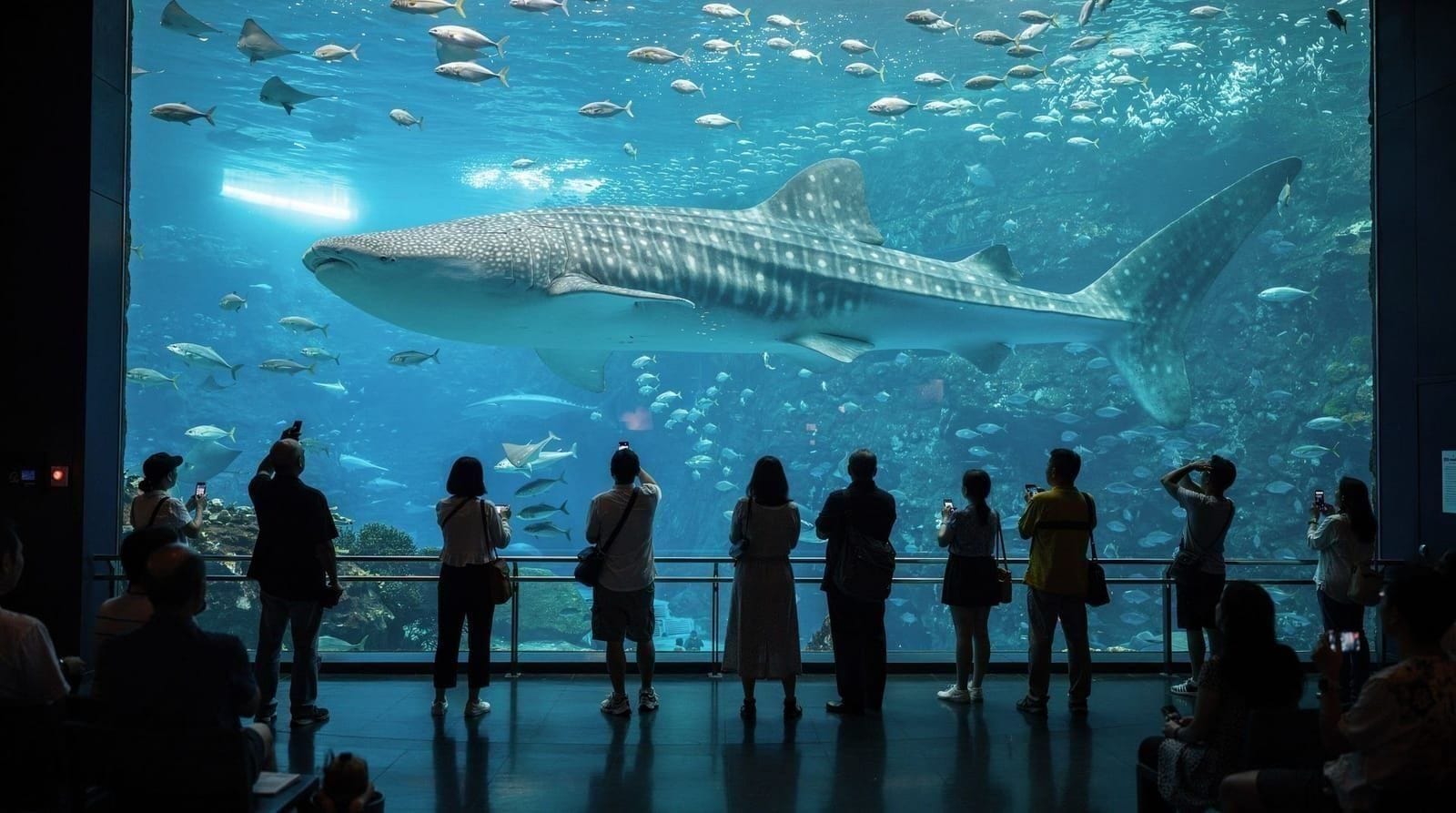
Osaka: Osaka aquarium Kaiyukan ticket
What are the best Kansai attractions for a family with kids?
Universal Studios Japan and Kaiyukan Aquarium in Osaka Bay, Nara Park's deer for a lower-key outdoor day, and Himeji Castle for families with kids old enough to enjoy castle architecture. Kobe's Nunobiki Herb Garden and cup noodle workshops fill in a gentler day between the bigger attractions.
Planning a Kansai trip with children usually starts and ends with Universal Studios Japan, but the region has a genuinely wider spread of family-friendly stops once you look past Osaka Bay — Nara’s deer, Kobe’s gentler day-trip attractions, and enough variety in pacing to avoid stacking high-intensity days back to back. This guide rounds up the region’s best family attractions by city, with an eye toward realistic sequencing across a multi-day trip rather than treating each stop in isolation.
| Best for toddlers | Nara Park, Kaiyukan Aquarium, LEGOLAND Discovery Center |
| Best for school-age kids | Universal Studios Japan, TeamLab, Himeji Castle |
| Lowest planning effort | Nara Park (free, no tickets, no timed entry) |
| Highest planning effort | Universal Studios Japan (queue strategy, express pass decisions) |
| Rainy-day backup | LEGOLAND Discovery Center, TeamLab, cup noodle workshop |
Osaka Bay: the region’s biggest family draws
Universal Studios Japan and Kaiyukan Aquarium anchor Osaka Bay and are the two attractions most families build a Kansai trip around. USJ demands a full day and genuine queue strategy — arriving at gate-opening time, prioritizing Super Nintendo World or Harry Potter first, and considering an express pass on weekends or school holidays. Kaiyukan, by contrast, is a relaxed half-day with no timed-entry stress, built around a spiraling walk past a central tank home to whale sharks. Full planning for each sits in the Universal Studios Japan guide and Kaiyukan Aquarium guide.
Kaiyukan entry ticket is worth booking ahead regardless of which day you visit, skipping a ticket-counter line that can run 20-30 minutes on busy weekends.
Central Osaka: TeamLab and hands-on activities
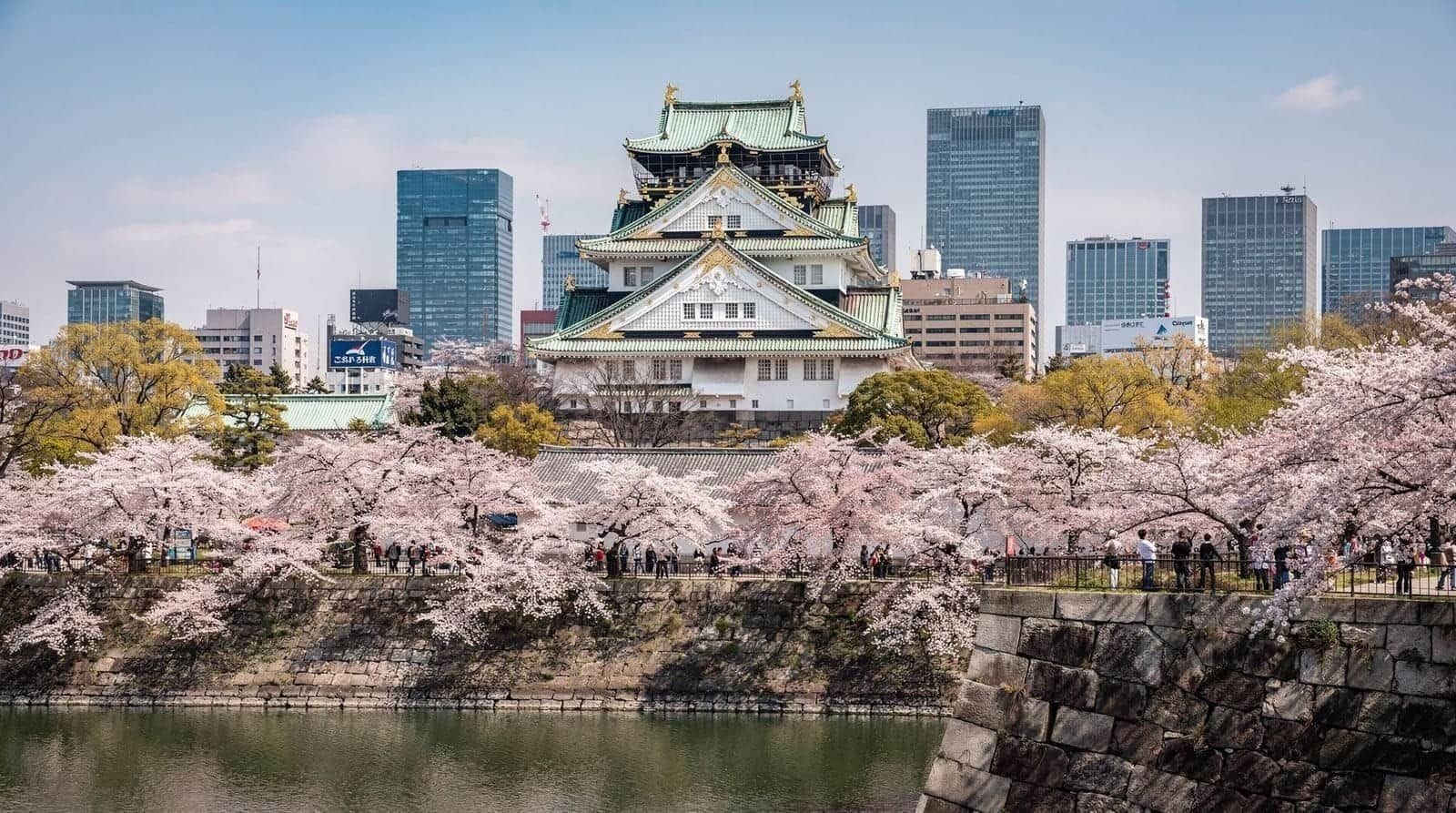
Beyond Osaka Bay, central Osaka has a cluster of interactive attractions that work well with children specifically because they involve doing rather than watching — TeamLab’s digital art installation inside Nagai Botanical Garden, cooking classes built for kids, and the Momofuku Ando Instant Ramen Museum’s cup-noodle-design workshop near Osaka Castle. These fill naturally into days between the bigger Osaka Bay commitments, and full detail sits in the Osaka with kids guide.
TeamLab Botanical Garden ticket covers the digital art installation, best experienced in the evening when the light projections depend on darkness for full effect — worth weighing against younger children’s bedtime schedules.
Nara: a lower-key outdoor day
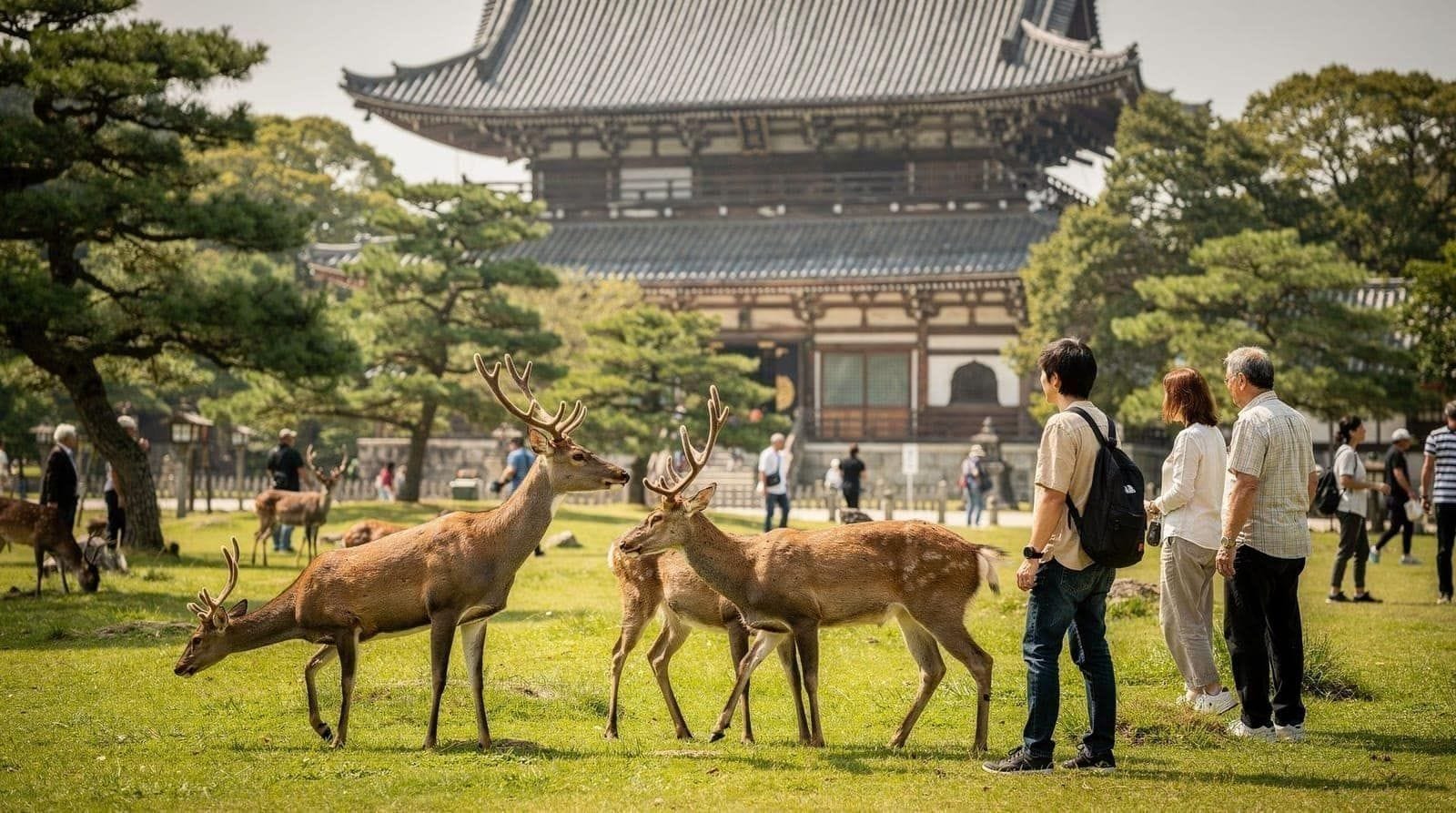
Nara Park offers a genuinely different pace from Osaka Bay’s high-energy attractions — flat, open, free parkland where roughly 1,200 wild sika deer approach visitors directly for crackers, paired with Todai-ji’s Great Buddha Hall next door. It’s the natural choice for a day between two more intense stops, since it requires no ticket planning, no queue strategy, and works on the family’s own schedule rather than a park’s opening hours. Full safety and timing detail sits in the Nara deer park family guide.
Nara Park private family bike tour with lunch is a good option for families who want the park and temples covered at a manageable pace by bike rather than walking the full grounds on foot, with lunch built into the day.
Kobe: a gentler half-day
Kobe’s family appeal centers on a few lighter, less crowd-dependent stops — Nunobiki Herb Garden, reached by ropeway from near Shin-Kobe Station, and cup-noodle-workshop combinations that pair a hands-on activity with Mt Rokko’s cable car and night view for families with slightly older children who can handle a longer, more scenic day. Kobe beef, while a headline draw for adult visitors, is less central to a family day given the formal dining format most of the city’s best-known restaurants use.
Himeji: castle architecture for slightly older kids
Himeji Castle, Japan’s best-preserved original castle keep, works well with children old enough to enjoy climbing through a genuine historic building — steep original wooden staircases inside the keep are part of the appeal rather than a barrier, though they’re a poor fit for very young children or anyone needing a stroller, which isn’t practical inside the castle itself. The surrounding Koko-en gardens next door offer a gentler, flatter alternative if the castle’s stairs prove too much for part of the group.
LEGOLAND and indoor backup plans
For a rainy day, or simply a lower-intensity alternative to a full theme-park day, LEGOLAND Discovery Center inside Osaka’s Tempozan Marketplace (near Kaiyukan) offers an entirely indoor, weather-independent option built specifically for younger children.
LEGOLAND Discovery Center ticket is worth keeping in reserve as a flexible backup plan, particularly useful during Kansai’s rainy season (tsuyu, mid-June into July) when outdoor plans can fall through with little notice.
Sequencing a multi-day family trip
The most sustainable pattern alternates high-intensity days (USJ, a full castle-and-museum day in central Osaka) with lower-key ones (Nara’s deer park, Kaiyukan, Kobe’s gardens) rather than stacking two demanding days back to back, which tends to overtire children faster than either day alone would. A reasonable five-day frame: arrival and central Osaka on day one, USJ on day two, Nara Park on day three as a deliberate lower-tempo day, Kyoto’s temple highlights (with realistic pacing for children) on day four, and Kobe or a second central Osaka day on day five before departure.
Age considerations
Nara Park and central Osaka’s hands-on activities (cooking classes, the cup noodle museum) work across a wide age range, including toddlers with close supervision. USJ’s most popular rides carry height and, in some cases, age restrictions worth checking against the specific attractions your children want most — the official USJ site lists current restrictions by ride. Himeji Castle’s steep original staircases are a genuine consideration for very young children or anyone with mobility limitations; the surrounding gardens make a reasonable substitute if the keep itself isn’t practical for part of the group.
Weather and seasonal planning
Summer (June-August) brings genuine heat and humidity across the region, making indoor or shaded activities (Kaiyukan, LEGOLAND, TeamLab) more comfortable choices during the hottest midday hours, with outdoor time at Nara Park or Osaka Castle better scheduled for morning or early evening. Tsuyu, the rainy season running roughly mid-June into mid-July, makes indoor backup plans genuinely useful rather than optional. Spring (cherry blossom season, late March-early April) and autumn (October-November) offer the most comfortable weather for outdoor family days generally, though both also bring the year’s heaviest crowds to the region’s most popular sights.
| Season | Outdoor comfort | Best pick | Watch out for |
|---|---|---|---|
| Spring (Mar-Apr) | High | Nara Park under cherry blossoms | Heaviest crowds of the year |
| Summer (Jun-Aug) | Low, humid | Kaiyukan, LEGOLAND, TeamLab | Tsuyu rain mid-Jun to mid-Jul |
| Autumn (Oct-Nov) | High | Himeji Castle, Nara Park | Second-heaviest crowd season |
| Winter (Dec-Feb) | Moderate, cold | USJ (shorter queues), indoor stops | Early sunset shortens outdoor days |
Getting between the family attractions
Osaka Bay’s attractions cluster around Osakako and Bentencho stations on the Osaka Metro Chuo Line, an easy transfer point rather than a taxi-dependent stretch, and the same line connects reasonably well toward central Osaka for a same-day return. Nara is roughly 35-45 minutes from central Osaka on the Kintetsu Nara Line, with Nara Park itself a 10-15 minute walk from Kintetsu-Nara Station — flat, stroller-friendly ground the whole way.
Kobe and Himeji sit further out (around 30 minutes and an hour respectively from Osaka by JR), which is part of why they work better as a single dedicated day rather than an add-on to an Osaka Bay or Nara day already built around a young child’s stamina. Families juggling strollers or lots of gear should budget extra transfer time at any station with stairs rather than elevators, since not every exit at older stations has step-free access.
A realistic three-day family sequence
For families short on time, a workable three-day version compresses the five-day frame above: day one covers Osaka Bay (Kaiyukan in the morning, USJ reserved for a full separate day isn’t realistic in three days, so pick one Osaka Bay anchor and add TeamLab or the cup noodle museum in the afternoon), day two is Universal Studios Japan start to finish, and day three is Nara Park as a deliberate lower-tempo travel day before heading onward to Kyoto or home. This skips Kobe and Himeji entirely, which is the right trade-off for most families on a tight schedule, since both cluster around adult-oriented food and architecture themes with less built specifically for children than Osaka Bay or Nara offer.
Budgeting for a family trip
Theme park admission (USJ) and aquarium tickets (Kaiyukan) carry the highest per-person costs among the attractions covered here; Nara Park itself is free to enter, with only the deer crackers (¥200, ~$1.85 a stack) and any temple admission fees adding modest cost. Family-specific tours bundling transport, guiding, and sometimes lunch can work out more efficient than arranging each leg independently, particularly for families managing luggage or very young children on public transit.
Universal Studios Japan 1-day studio pass is worth booking ahead of arrival regardless of season, since walk-up ticket lines on weekends and school holidays can run considerably longer than the ride queues themselves.
Related planning
For attraction-specific detail, see the Universal Studios Japan guide, Kaiyukan Aquarium guide, Nara deer park family guide, and Osaka with kids. For city-level context beyond the family angle, see the main Osaka, Nara, Kobe, and Himeji destination pages.
Frequently asked questions about Kansai family attractions guide
How many days do you need for Kansai's family attractions?
A comfortable multi-day frame is five days — one for arrival and central Osaka, one for Universal Studios Japan, one lower-tempo day for Nara Park, one for Kyoto's temples paced for children, and one for Kobe or a second Osaka day. Families with only two or three days should prioritize Osaka Bay and Nara over Kobe or Himeji.Is Universal Studios Japan worth it for younger children?
Yes, but pacing matters more than for older kids — Minion Park and the general park atmosphere work for toddlers and young children, while many of the headline rides in Super Nintendo World and the Harry Potter area carry height restrictions that shut out younger riders. Checking current height limits against your children's ages before locking in a full-day USJ plan avoids disappointment on the day.
Top experiences
Bookable activities with verified prices and instant confirmation on GetYourGuide.