Osaka to Himeji day trip guide
Himeji: Himeji private guide castle from Osaka Kyoto
How long does it take to get from Osaka to Himeji?
About 65 minutes via JR Special Rapid from Osaka Station directly to Himeji Station, no transfer required, for roughly ¥1,520 (~$14.05). The Shinkansen cuts this to about 30 minutes from Shin-Osaka Station at a considerably higher fare, worth it mainly for visitors already carrying a JR Rail Pass.
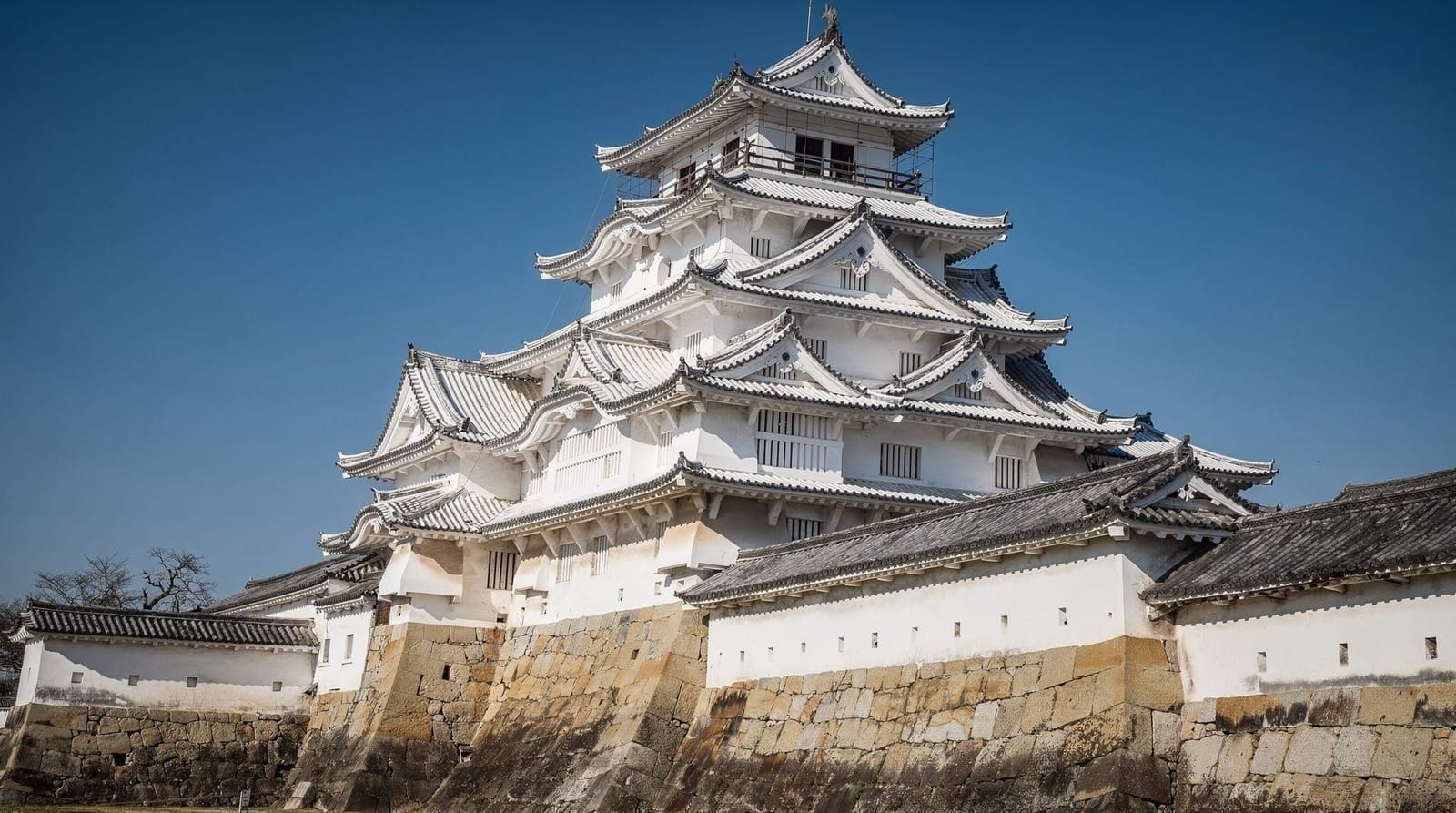
Himeji Castle is the single best-preserved original castle keep in Japan, never destroyed by fire, earthquake, or wartime bombing since its current form was completed in 1609, and a UNESCO World Heritage Site since 1993. It sits about an hour from Osaka, comfortably within day-trip range, and the castle alone justifies the trip even without adding anything else — though a full day allows for the surrounding gardens and, for visitors with more time, a mountainside temple most first-time Himeji visitors never see.
| Where | Himeji, about 65 min from Osaka by JR Special Rapid |
| Cost | Castle ¥1,000; Koko-en ¥310; combined ticket discounted |
| Time needed | Half a day for the castle alone, full day with Engyo-ji |
| Getting there | JR Special Rapid direct from Osaka Station, no transfer |
| Best time | Weekday mornings; avoid peak cherry blossom crowds if rushed |
Getting there: JR Special Rapid versus Shinkansen
The JR Special Rapid service runs directly from Osaka Station to Himeji Station in about 65 minutes for roughly ¥1,520 (~$14.05), with no transfer required — the standard, most economical option for a Kansai-focused day trip, and covered by the JR Kansai Wide Area Pass.
The Shinkansen (bullet train) cuts this to around 30 minutes from Shin-Osaka Station, at a considerably higher fare (around ¥3,000-4,500, ~$27.75-$41.65 depending on train type), and makes the most sense for visitors already carrying a JR Rail Pass for a longer national trip, since the pass absorbs what would otherwise be an expensive fare for the time saved. From Himeji Station, the castle is a straight 15-20 minute walk up Otemae-dori, the main boulevard leading directly to the castle gate — impossible to miss, since the keep is visible from the station forecourt.
How much time the castle actually needs
A proper visit to Himeji Castle’s interior — climbing through the original wooden keep’s steep, narrow staircases across its six visible stories — takes about 90 minutes to two hours including likely queuing at busy points, longer if visiting during peak cherry blossom or autumn foliage season when both crowds and photo stops slow the pace. Entry runs ¥1,000 (~$9.25). This is a genuine physical climb rather than a flat walk-through, with original wooden stairs steeper and narrower than modern building codes would allow today — worth knowing in advance for visitors with mobility concerns or very young children, for whom the stairs can be a real obstacle rather than a minor inconvenience.
Himeji Castle express guided tour, 90 minutes covers the keep efficiently with a guide explaining the castle’s defensive design — maze-like approach paths intended to confuse attacking forces — details easy to walk past without context on a self-guided visit.
Koko-en Gardens: the flatter alternative
Adjacent to the castle, Koko-en is a set of nine connected Edo-period-style gardens built in 1992 on the site of former samurai residences, entry ¥310 (~$2.85) — considerably flatter and easier than the castle’s interior stairs, a reasonable alternative or addition for visitors whose group includes someone who’d rather skip the climb. Combined tickets covering both the castle and Koko-en are available at a modest discount over separate admission.
Engyo-ji: the mountainside temple most visitors skip
Engyo-ji, a temple complex founded in 966 on Mount Shosha outside central Himeji, reached by a combination of bus and ropeway, is genuinely worth the extra effort for visitors with a full day rather than a rushed half-day focused solely on the castle. Its wooden halls, spread across a forested mountainside rather than clustered in a single compound, gained wider recognition after being used as a filming location for scenes in “The Last Samurai,” though the temple’s own thousand-year history stands on its own regardless of that connection. It’s a genuinely different, quieter atmosphere from the castle’s crowds, and most visitors who only budget a half-day for Himeji never make it here.
Himeji Castle and Engyo-ji from Osaka covers both in a single day trip, useful for visitors who want the full Himeji picture rather than the castle-only version most day trips default to.
Best of Himeji Castle, 3-hour tour with licensed guide is a solid middle option for visitors who want more depth on the castle itself than a 90-minute pass allows, without extending to a full Engyo-ji day.
Should you go independently or with a private guide?
Himeji Castle is well signposted in English and straightforward to navigate independently — a genuine option for visitors comfortable managing the train and castle visit without a guide. A private guide adds context on the castle’s defensive architecture and 400-year survival that’s easy to miss reading signage alone, and becomes more valuable specifically if adding Engyo-ji to the day, given the additional bus-and-ropeway logistics involved in reaching it.
Himeji private guide tour of the castle from Osaka or Kyoto is built for exactly this — a private day trip departing from either Osaka or Kyoto base, with the guide managing both the transit and the castle’s history in a single package.
A realistic day-trip schedule
Departing Osaka by 8-8:30am puts you at Himeji Castle for opening, ahead of the day’s heaviest crowds, particularly valuable during cherry blossom season (late March-early April) when the white castle against pink blossoms draws especially large visitor numbers. Budget 90 minutes to two hours for the castle interior, then Koko-en Gardens (45 minutes to an hour) if time and energy allow. For a castle-only day, this leaves the early afternoon free for a relaxed lunch near the station before the return train. For a fuller day including Engyo-ji, plan to leave the castle by early afternoon to allow enough daylight for the mountain temple’s bus-and-ropeway access before it closes.
Combining Himeji with Kobe
Given Himeji’s position roughly an hour beyond Kobe on the same JR line, several tours combine both destinations into a single, genuinely full day — worth considering for visitors prioritizing efficiency over a relaxed pace, though it makes for a long day given the distances and multiple sightseeing stops involved. See the Osaka to Kobe day trip guide for the Kobe side of this combination if considering the longer route.
Seasonal timing
Late March into early April brings cherry blossoms against the castle’s white walls, among the most photographed single scenes in the Kansai region and correspondingly the most crowded window of the year. Clear autumn days (October-November) offer the best long-range photography conditions, with less humidity haze than summer. Summer heat makes the castle’s interior stairs and lack of climate control genuinely uncomfortable at midday — an early or late-afternoon visit is more comfortable than a midday climb in peak summer humidity.
Practical notes and honest warnings
Himeji Station has coin lockers, useful for stashing luggage before the walk to the castle. The keep’s interior has no elevator and involves genuine physical exertion on steep original stairs — not a serious safety concern for most visitors, but worth pacing appropriately for older travelers or anyone with knee or mobility issues. Ticket queues can build during peak season; buying online in advance where available reduces time spent waiting at the gate rather than inside the castle itself.
Himeji versus a Kyoto or Nara day trip
Compared to Kyoto or Nara, a Himeji day trip is unusually single-purpose: one castle, one clear highlight, and a straightforward direct train with no onward bus or subway juggling once you arrive. Visitors deciding between Himeji and another Kansai day trip on a tight schedule should weigh this simplicity against Kyoto’s greater breadth of sights — Himeji rewards travelers who want one outstanding, well-preserved site done properly rather than several smaller ones stitched together. See the Osaka to Kyoto day trip guide for the more sight-dense alternative.
Frequently asked questions about Osaka
Is Himeji Castle worth visiting if I’ve already seen Osaka Castle?
Yes. Osaka Castle’s current keep is a 1931 concrete reconstruction with an interior museum, while Himeji’s keep is the original wooden structure from 1609 — a genuinely different, more historically significant building, and the two aren’t redundant with each other.
Can I skip the castle interior and just see it from outside?
You can, and the exterior alone (visible from Otemae-dori and the surrounding park) is worth a stop even without the ¥1,000 interior climb. That said, most of the castle’s defensive design details — the maze-like approach paths — are only fully appreciated from inside, so skipping the interior means missing the site’s main draw.
Related planning
For the full city picture beyond the castle itself, see the main Himeji destination page. For combining Himeji with a longer Kobe-focused day, see the Osaka to Kobe day trip guide and the Mount Rokko guide, both of which sit along the same general route from Osaka. For families weighing whether Himeji’s castle stairs suit younger children, see the Kansai family attractions guide for age-appropriate alternatives across the region.
Top experiences
Bookable activities with verified prices and instant confirmation on GetYourGuide.