Kyoto
Kyoto travel guide from Osaka — temples, Gion, Arashiyama, Fushimi Inari, transport times, prices in JPY and USD, and honest crowd advice.
Kyoto: Kyoto Fushimi Inari guided walking tour
Duration: 2-3 hours
Quick facts
- Distance from Osaka
- 28-45 min by train
- Days needed
- 2-3 (day trip possible but tight)
- Best months
- Late March-early April, November
- Entry fees
- Most temples ¥400-800 ($3.70-$7.40)
Kyoto was Japan’s capital for over a thousand years, and it shows: roughly 2,000 temples and shrines are packed into a city of 1.4 million people, alongside a preserved geisha district, a bamboo forest, and a covered food market that’s been running since the 14th century. It’s a 28-minute train ride from Osaka, which is both a gift and a trap — plenty of day-trippers try to “do Kyoto” in six hours and leave exhausted, having seen three sights through a wall of tour groups. Two to three nights based in the city itself gets you the early mornings and late afternoons when Kyoto actually feels like the place people write poems about.
| From Osaka | 28-29 min (JR Special Rapid) or 45-50 min (Keihan/Hankyu) |
| Days needed | 2-3 (day trip possible but tight) |
| Districts | Fushimi, Arashiyama, Gion/Higashiyama, northern Kyoto, central Kyoto |
| Entry fees | Most temples ¥400-800 (~$3.70-$7.40); Fushimi Inari free |
| Getting around | Buses + 2 subway lines; ICOCA/Suica works everywhere |
| Best time | Late March-early April (sakura) or November (foliage) |
Getting from Osaka to Kyoto
The JR Special Rapid service connects Osaka Station and Kyoto Station in 28-29 minutes for about ¥580 (roughly $5.40), departing every 10-15 minutes. If you’re carrying a JR Kansai Area Pass or JR West Rail Pass, this ride is already covered. The Hankyu Kyoto Line is a cheaper, slower alternative (around ¥410, 43 minutes from Umeda to Kawaramachi Station), which drops you closer to the Gion side of downtown than JR does.
The Keihan Main Line runs from Yodoyabashi or Kyobashi in Osaka directly to Gion-Shijo Station or Fushimi Inari Station in 45-50 minutes without needing to change at Kyoto Station at all — worth knowing if your first stop is Fushimi Inari or Gion rather than the station area. For details on which pass makes sense for a multi-city trip, see the guide on Osaka to Kyoto transport.
Kyoto Station itself is a transit hub, not a sightseeing stop — the covered central bus terminal out front is where most city buses to the temples begin, and it’s worth grabbing a one-day bus pass if you’re relying on buses rather than the subway or private rail lines that reach specific districts faster.
How to think about Kyoto in two or three days
Kyoto doesn’t have one center — it has five or six distinct districts spread across a valley, each requiring its own transit connection and each with a different feel. Trying to zigzag between them in a single day burns hours in transit. The practical approach is to dedicate roughly half a day to each area and accept that you won’t see everything on a first visit.
A workable two-day split: day one covers Fushimi in the early morning (it’s a short train ride and the gates are open 24 hours, so arriving before 8am matters more than arriving early in the trip) plus central Kyoto in the afternoon.
Day two covers Arashiyama in the morning — again, early is the whole strategy here — and Gion and Higashiyama from early afternoon into evening, when the lantern-lit streets around Kiyomizu-dera and Hanamikoji empty out. If you have a third day, northern Kyoto around Kinkaku-ji is the natural addition, ideally paired with the quieter Zen gardens at Ryoan-ji and Daitoku-ji.
The five areas worth splitting your time across
Fushimi Inari and the sake district
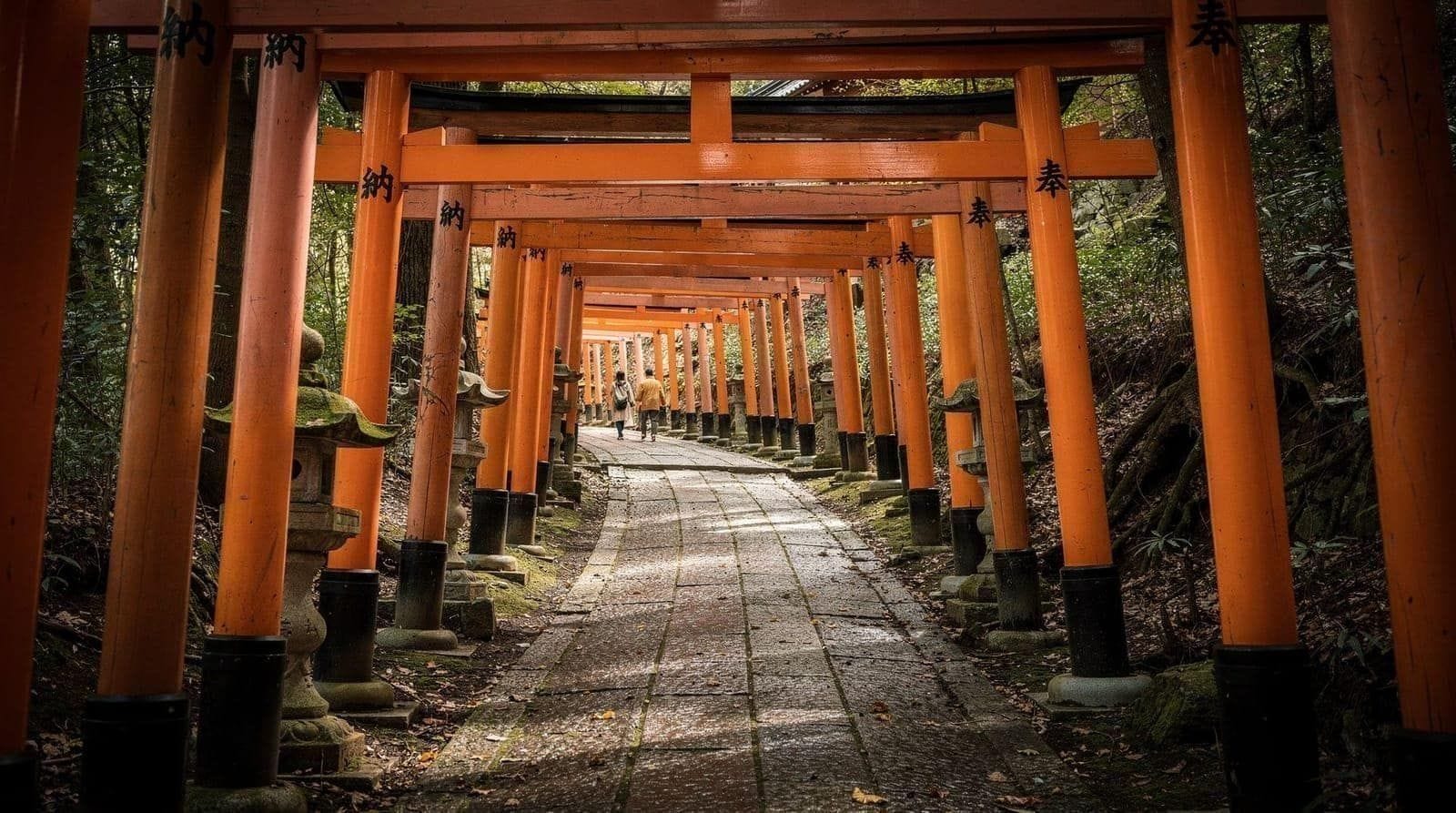
Fushimi Inari Taisha’s thousands of vermilion torii gates climbing Mount Inari are Kyoto’s most photographed sight and also its most crowded by mid-morning. The shrine is free and open around the clock, which means the 6-8am window is genuinely quiet — by 10am, tour buses have arrived and the lower gates become a slow shuffle. The full loop to the summit and back takes 2-3 hours; most visitors turn around after the first 20-30 minutes once the crowds thin and the gates start to look repetitive from a photography standpoint.
A few train stops south, the historic sake-brewing district around Fushimi Momoyama (a separate part of the same ward, not walkable from the shrine) is a quieter, unhyped detour with canal-side streets and the Gekkeikan Okura Sake Museum. Full detail in the Fushimi Inari guide and the Fushimi destination page.
Guided Fushimi Inari walking tour from Kyoto covers the shrine’s history and the meaning behind the gate donations, which is easy to miss without context — the gates are dedicated by individuals and businesses, not the shrine itself.
Arashiyama
Arashiyama’s bamboo grove is smaller than photos suggest — the main path through it takes about 10-15 minutes to walk — and it is one of the most crowded single spots in Kyoto by 10am. Arrive before 8am and it’s close to empty. Beyond the bamboo, Tenryu-ji is a UNESCO-listed Zen temple with one of Kyoto’s best gardens (¥500 for the garden, an extra ¥300 to enter the temple building), the Togetsukyo Bridge crosses the Katsura River with mountain views, and Iwatayama Monkey Park (¥550 adults) is a genuine hike up a hill with wild macaques and a summit view over the city. Details in the Arashiyama destination page.
Gion and Higashiyama
Gion is Kyoto’s preserved geisha district — wooden machiya townhouses, the Hanamikoji Street corridor, and Yasaka Shrine at its eastern edge. Kiyomizu-dera, the wooden temple built without nails on a hillside above Higashiyama, connects to Gion via the Ninenzaka and Sannenzaka slope streets, which are genuinely beautiful in early morning or after 5pm and genuinely miserable at midday in high season.
A note on etiquette here: chasing or photographing geiko and maiko on the street has become enough of a problem that parts of private Gion alleys are now closed to tourists with fines posted — a professional geisha district walking tour with a licensed guide is the more respectful way to actually understand what you’re looking at. See the full Gion and Higashiyama destination page.
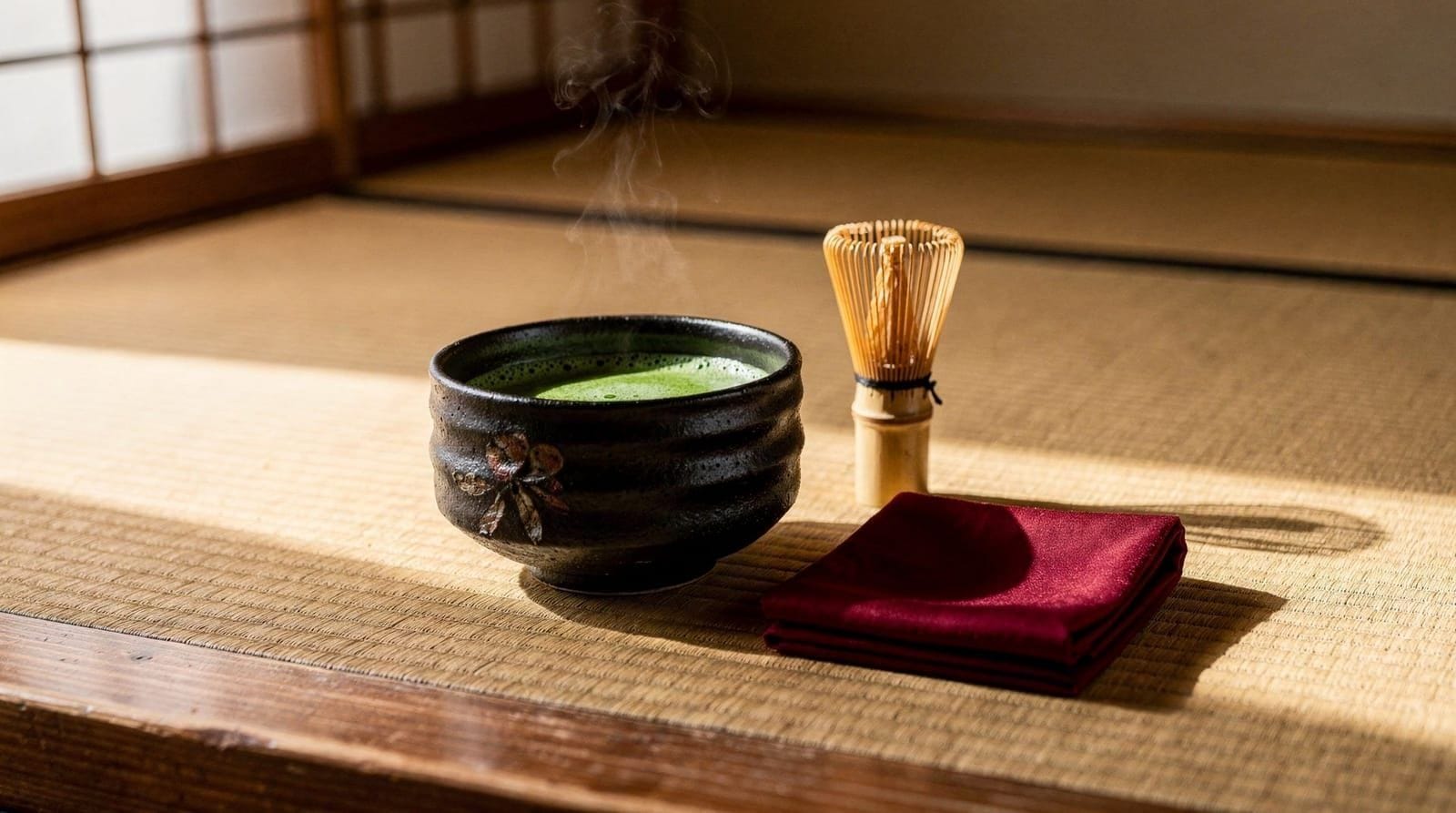
45-minute tea ceremony lesson in Kyoto is a good add-on if you’re in this area — most sessions run in machiya houses near Gion or Kiyomizu.
Northern Kyoto (Kinkaku-ji)
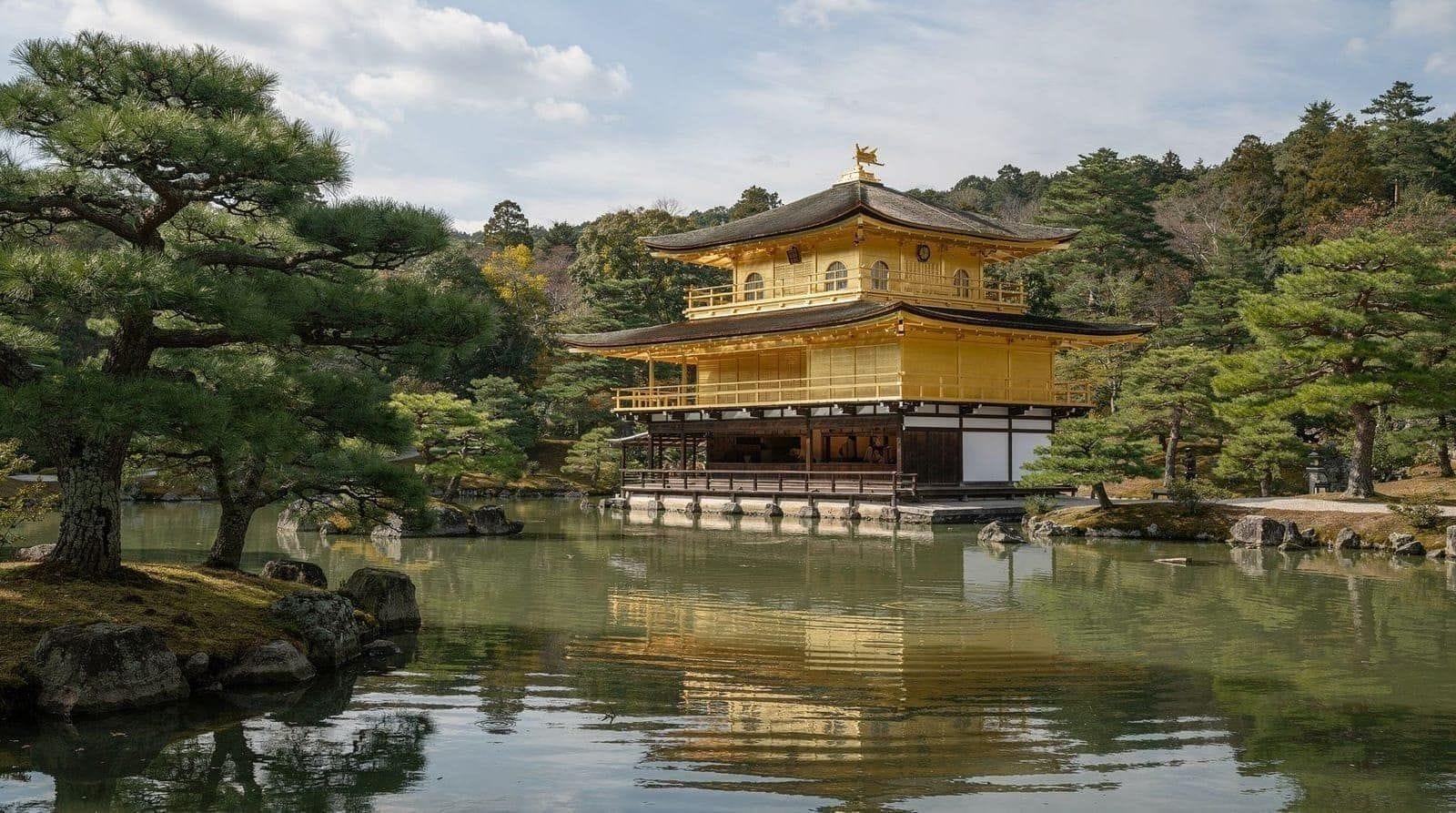
Kinkaku-ji, the gold leaf-covered Zen pavilion reflected in its own pond, is Kyoto’s second most-visited sight after Fushimi Inari and, unlike the shrine, has a strict admission fee and closing time (entry ¥500, last entry around 5pm), so crowding is more evenly spread across the day rather than concentrated at sunrise. It’s reachable only by bus from Kyoto Station (about 40 minutes) or by taxi — there’s no direct train.
Nearby Ryoan-ji has Japan’s most famous rock garden, a rectangle of raked gravel and 15 stones arranged so that from any viewing angle at least one stone is always hidden. Daitoku-ji, a working Zen monastery complex a short bus ride further, has several sub-temples (Daisen-in, Koto-in) with gardens that see a fraction of Kinkaku-ji’s foot traffic. Full detail in the northern Kyoto destination page and the Kinkaku-ji guide.
Central Kyoto
Downtown Kyoto — the Kawaramachi/Shijo/Karasuma area — is where Nijo Castle’s UNESCO-listed grounds and famous “nightingale floors” (deliberately squeaky boards, a low-tech security measure against assassins) sit alongside the free-to-enter Kyoto Imperial Palace gardens and the covered Nishiki Market food arcade. Nijo Castle admission runs somewhere around ¥800-1,300 depending on whether you add the Ninomaru Palace interior. This is also the most walkable, least temple-heavy part of Kyoto — a reasonable place to spend an evening eating rather than sightseeing. Full detail on the central Kyoto destination page.
Temples and shrines that earn the hype
Kyoto has so many temples that skepticism toward “must-see” lists is fair, but a handful genuinely justify their reputation beyond the photo: Fushimi Inari for scale and the sheer number of gates, Kinkaku-ji for the single striking image of gold against water, Kiyomizu-dera for the wooden stage jutting off the hillside (the origin of the Japanese expression “jumping off the stage at Kiyomizu,” roughly equivalent to “taking the plunge”), Tenryu-ji in Arashiyama for its garden, and Ryoan-ji for the rock garden’s quiet strangeness. Everything past those five is genuinely optional and depends on personal interest rather than obligation.
Where crowds actually get bad (and how to dodge them)
Kyoto’s overtourism problem is concentrated, not universal — most of the city is calm even in peak season. The pressure points are Fushimi Inari’s lower gates and Arashiyama’s bamboo grove between roughly 10am and 3pm, the Ninenzaka/Sannenzaka slopes and Hanamikoji in Gion on weekend afternoons, and anywhere at all during the first week of April (cherry blossom peak, usually around April 1-2 in recent years) and Golden Week (late April into early May). The single most effective fix is time-shifting rather than avoiding places altogether: the same shrine that’s unbearable at noon is close to empty at 7am and pleasant again after 5pm. Weekday visits also help meaningfully — Japanese school groups and domestic tourism concentrate on weekends.
Food in Kyoto
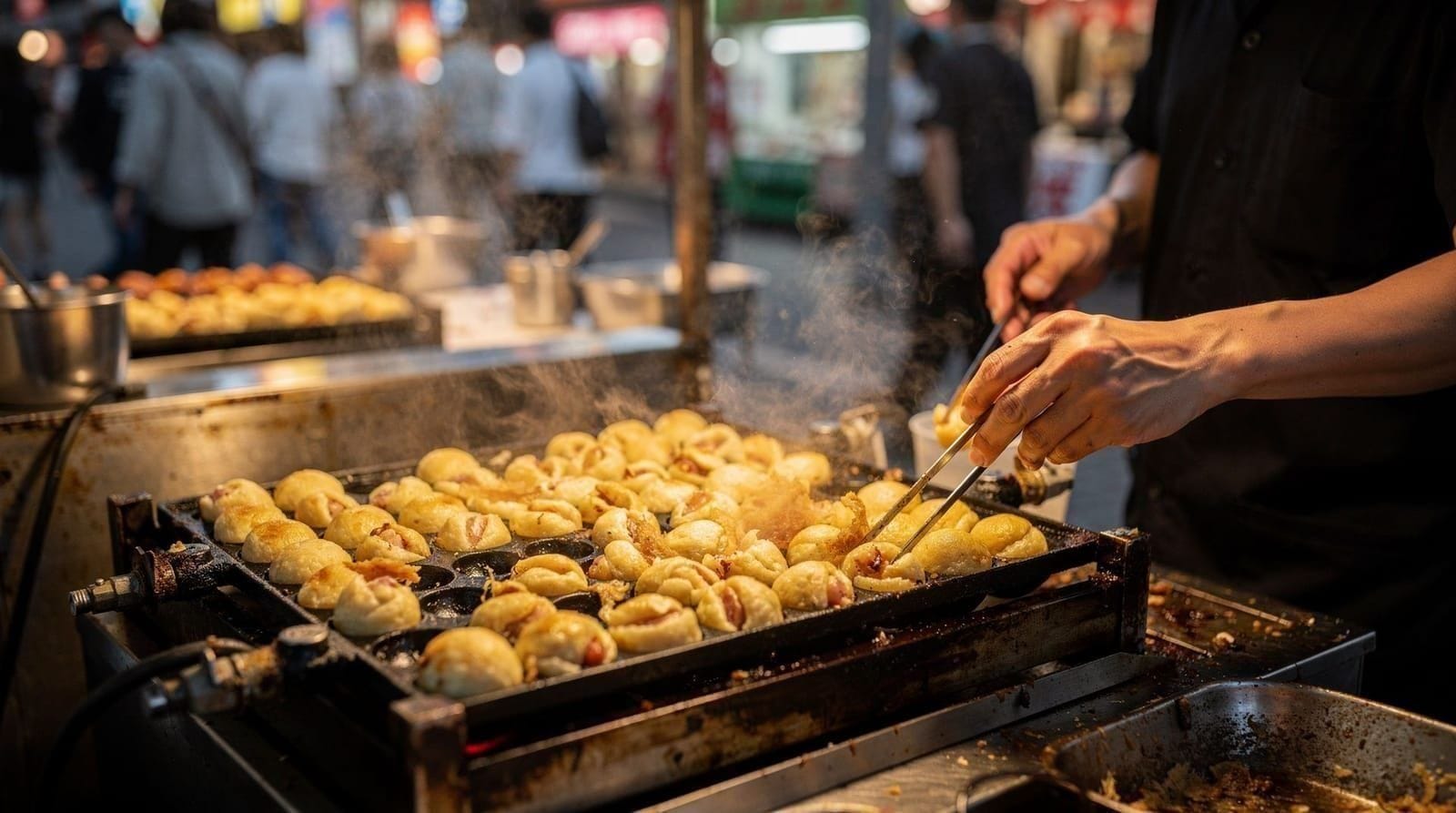
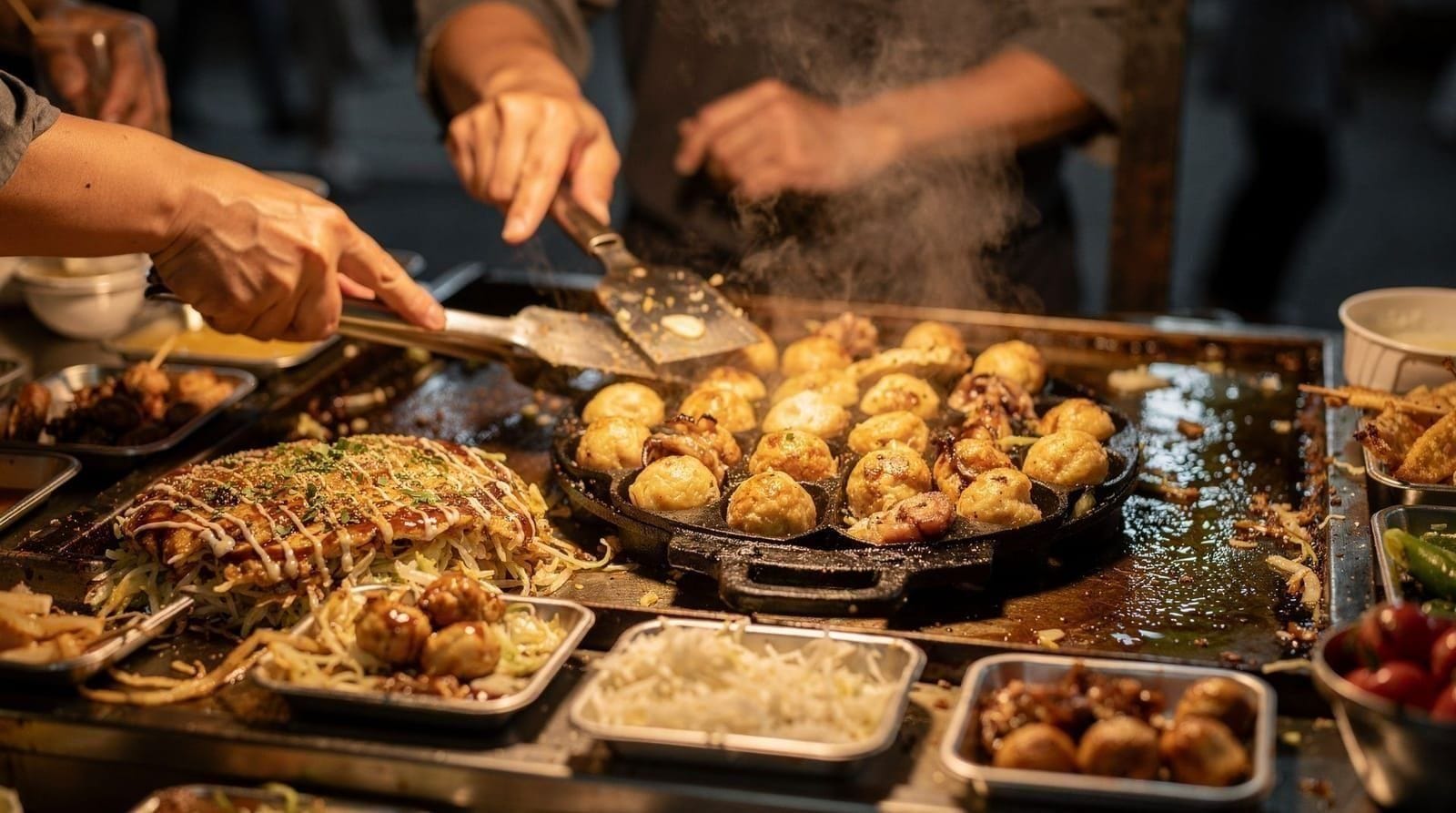
Kyoto’s food identity is built on kaiseki (multi-course seasonal haute cuisine, often ¥8,000-25,000 per person at a sit-down restaurant, though lunch kaiseki runs cheaper), yudofu (simmered tofu, a Buddhist vegetarian tradition tied to the temple district around Nanzen-ji), and matcha-based sweets sold throughout the city. Nishiki Market is the easiest single stop for grazing — expect ¥300-800 per item across dozens of stalls selling everything from skewered octopus to fresh tofu and pickled vegetables. It gets crowded fast, so mornings before 10am are noticeably calmer.
Nishiki Market walking food tour with a local guide is worth it if you want context on what you’re eating rather than pointing at unfamiliar stalls.
Which rail pass, if any, makes sense
Most visitors doing a single day trip or a couple of Kyoto visits from an Osaka base don’t need a dedicated pass at all — individual JR or Hankyu fares are cheap enough (¥410-580 each way) that a pass only pays off with multiple round trips or heavier onward travel.
If your Kansai plans stretch further than Kyoto — say, Nara, Kobe, and Himeji in the same week — the JR Kansai Area Pass is worth comparing against buying tickets individually, and the Kansai attraction passes guide rounds up the city-specific bus and subway passes that stack on top of a rail pass. None of these passes cover temple admission fees, which are paid separately at each site regardless of what transit pass you’re carrying.
Kimono rental and photo-friendly districts
Renting a kimono for the day is one of Kyoto’s most popular add-on activities, and Gion and the approach to Kiyomizu-dera are the two districts built around it — dozens of rental shops cluster near both, offering same-day rental, dressing, and hair styling, typically for a half-day or full-day block.
It photographs well against the traditional streetscape, though comfort is a real consideration: the sandals (zori) are not built for a full day of walking Kyoto’s hilly stone streets, and most visitors find a few hours in kimono plenty before switching back to normal shoes. The kimono rental guide covers price ranges and how far ahead to book during cherry blossom and autumn foliage weekends, when the popular shops sell out early.
Kyoto with kids
Kyoto is more workable with children than its temple-heavy reputation suggests, provided the itinerary leans toward open spaces and activities rather than back-to-back temple interiors. The Arashiyama bamboo grove and monkey park, Nishiki Market’s grazing format, and Nijo Castle’s squeaky “nightingale floors” tend to land well with younger visitors, while a jammed Fushimi Inari climb at midday is a harder sell for tired legs. The Kansai family attractions guide and the Kansai family 6-day itinerary both build Kyoto into a wider family trip without over-scheduling temple visits back to back.
Kyoto’s other cuisine: kaiseki context and where to actually eat it
Beyond the Nishiki Market grazing covered above, Kyoto’s kaiseki tradition rewards a bit of preparation before booking — course counts, seasonal ingredients, and price tiers vary enormously between a casual lunch kaiseki and a formal evening seating in a machiya dining room. The Kyoto kaiseki guide breaks down what to expect at each price point and which restaurants take walk-ins versus requiring reservations weeks out, a detail that trips up a fair number of visitors who assume any Kyoto restaurant can seat them same-day.
Seasonality at a glance
| Season | Months | Conditions | Highlight |
|---|---|---|---|
| Cherry blossom | Late Mar-early Apr | Mild, crowded, premium hotel rates | Philosopher’s Path, Kamo River |
| Summer | Jun-Aug | Hot, humid, 28-35°C | Gion Matsuri (Jul 17 & 24) |
| Autumn foliage | Mid-late Nov | Mild, crowded, premium hotel rates | Tofuku-ji, Eikan-do, Arashiyama |
| Winter | Dec-Feb | Cold, dry, low crowds and prices | Occasional snow at Kinkaku-ji |
Getting around within Kyoto
Unlike Osaka, Kyoto’s subway network is limited to two lines (Karasuma and Tozai), which cover central Kyoto and a handful of eastern stops but miss Fushimi Inari, Arashiyama, and Kinkaku-ji entirely. City buses fill the gap and are how most visitors reach the temple districts, but routes can run behind schedule during rush hour and peak tourist season, and fare payment (tap an IC card or take a ticket on boarding, pay on exit) trips up first-time users.
An ICOCA or Suica IC card works across subway, bus, and JR/private rail lines throughout the city and the wider Kansai region, and is the simplest way to avoid fumbling with exact change. A one-day bus pass, sold at the Kyoto Station bus terminal and some convenience stores, breaks even after two or three rides and is worth it on any day involving Kinkaku-ji or multiple bus-only stops.
Where to stay
Kyoto Station’s surrounding area has the widest hotel selection and the easiest access to trains and buses, but it’s also the least atmospheric part of the city. Staying near Gion or Higashiyama costs more and puts you closer to the temples but further from the station for day trips elsewhere in the Kansai region. Central Kyoto (Karasuma/Kawaramachi) is a reasonable middle ground — walkable to Nishiki Market and Gion, a short taxi or bus to the station. Families or groups planning to rent a car for a Kansai-wide trip should note that central Kyoto’s narrow streets and scarce parking make a station-adjacent hotel with off-street parking a more practical choice than downtown.
Seasonal timing
Cherry blossom season typically peaks in the last days of March into the first days of April, with the Philosopher’s Path in Higashiyama and the Kamo River banks among the more photogenic (and crowded) viewing spots. Autumn foliage peaks in late November, concentrated in the gardens of Tofuku-ji, Eikan-do, and the Arashiyama hills. July brings Gion Matsuri, one of Japan’s major festivals, with the main float processions on July 17 and 24 — accommodation prices spike and the Gion district gets genuinely packed for the parade days. Summer (June-August) is hot and humid, 28-35°C with high humidity, and winter is cold but dry with far fewer crowds and lower hotel prices.
Booking tours and tickets
For sights with confusing logistics — Fushimi Inari’s gate meanings, Kinkaku-ji’s history, or getting oriented in Gion without wandering into a private alley by mistake — a guided tour front-loads context that’s easy to miss reading a map alone. Kinkaku-ji guided tour bundles skip-some-of-the-line access with the temple’s Zen Buddhist history, which the posted signage barely covers.
Frequently asked questions about Kyoto
How many days do I need in Kyoto?
Two full days covers the highlights (Fushimi Inari, Arashiyama, Gion, one central Kyoto sight) at a reasonable pace. Three days lets you add northern Kyoto’s temples without rushing. A single day trip from Osaka is possible but means picking one or two districts and skipping the rest.
Can I visit Kyoto as a day trip from Osaka?
Yes — the JR Special Rapid takes 28-29 minutes each way, so a day trip is logistically easy. The tradeoff is that Kyoto’s sights are spread across distinct districts with their own transit connections, so a single day realistically covers one or two areas well rather than a comprehensive tour.
Is Fushimi Inari free?
Yes, entry to Fushimi Inari Taisha and the full torii gate trail is free, and the shrine grounds are open 24 hours. There’s no ticket booth and no closing time, which also means there’s no crowd control — arriving early is the only real lever visitors have.
What’s the best time of year to visit Kyoto?
Late March into early April for cherry blossoms and mid-to-late November for autumn foliage are the two peak windows, both with premium hotel prices and heavier crowds. January, February, and June are cheaper and calmer, though June brings the start of the rainy season (tsuyu).
Do I need cash in Kyoto?
Cash is still widely expected at small shops, food stalls, and some older temples, though credit cards and IC cards (ICOCA/Suica-compatible) are accepted at most stations, convenience stores, and larger restaurants. 7-Eleven ATMs reliably accept foreign cards if you need to withdraw yen.
Is Gion still an active geisha district, or is it just for tourists now?
Gion remains a working geisha (geiko and maiko) district, not a recreation — the entertainment houses (ochaya) are private and by introduction only, which is exactly why chasing performers for photos on the street has become a real problem, leading to posted no-photography zones in some alleys. A guided walking tour explains the district’s actual customs rather than treating it as a photo backdrop.
How crowded is Kyoto really?
It depends entirely on where and when. Fushimi Inari’s lower gates, the Arashiyama bamboo grove, and the Higashiyama slope streets are genuinely crowded from roughly 10am to 3pm in peak season (late March-early April, November, Golden Week). Outside those windows and away from those specific spots, most of the city is calm.
Should I base myself in Kyoto or day-trip from Osaka?
If you have three or more days for the Kansai region, basing two nights in Kyoto is worth it for the early-morning and evening access to Gion, Fushimi Inari, and Arashiyama. If your trip is shorter, Osaka’s larger hotel selection and lower prices make it a reasonable base for a Kyoto day trip, accepting that you’ll see less.
Top experiences
Bookable activities with verified prices and instant confirmation on GetYourGuide.