Kimono rental in Kyoto
Kyoto: Kyoto kimono rental 1-day all inclusive
How much does kimono rental cost in Kyoto and what's included?
Full-day kimono rental in Kyoto runs roughly ¥4,000-8,000, typically including the kimono, obi belt, and geta or zori sandals, with hairstyling as a common ¥1,500-3,000 add-on. Most rental shops cluster near Kiyomizu-dera, Gion, and Arashiyama, and morning slots sell out first in cherry blossom and autumn foliage season.
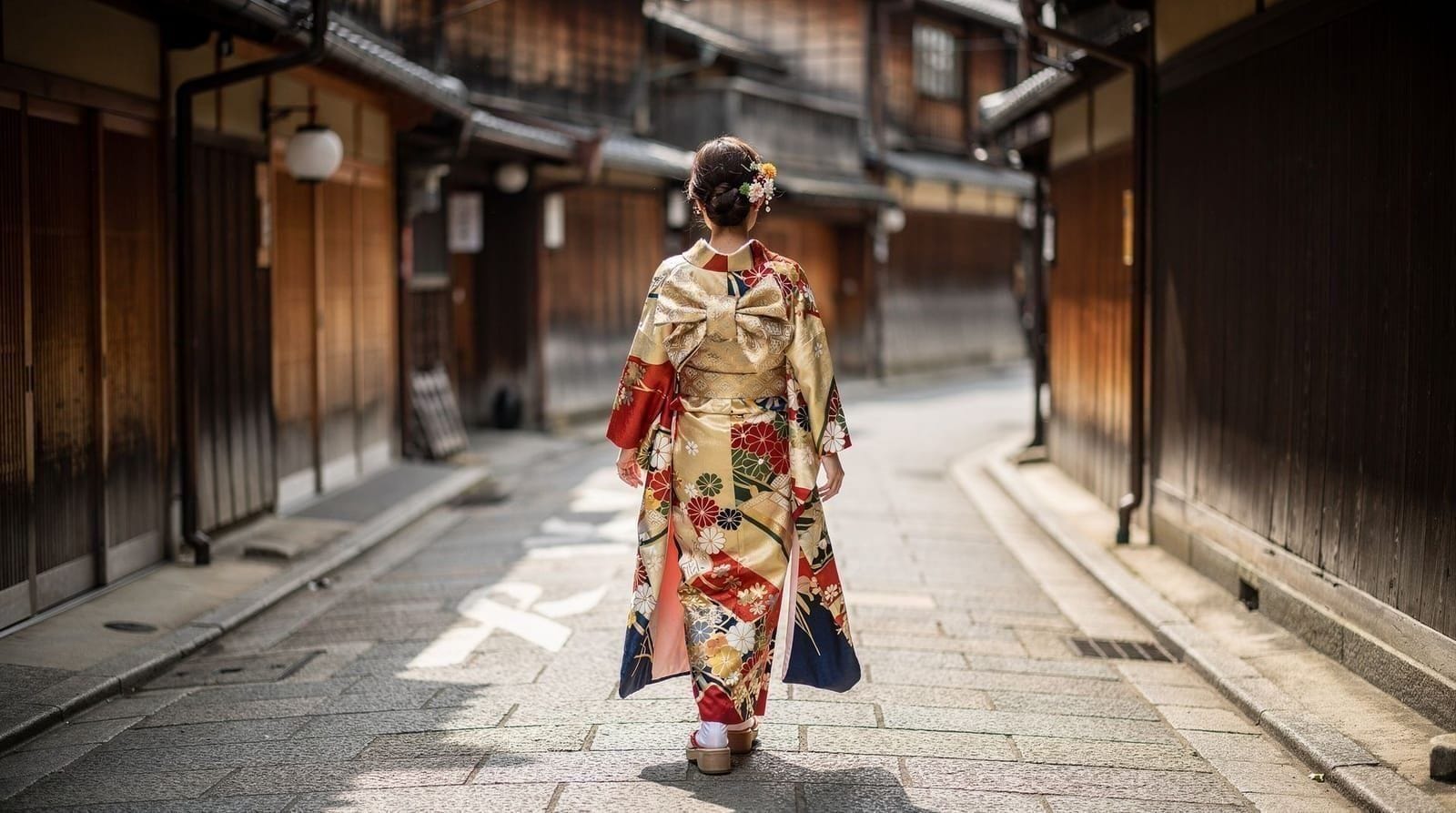
Renting a kimono for a day in Kyoto is one of the more popular add-ons for first-time visitors, and it’s easy to see why once you’re standing on Ninenzaka in full dress with Kiyomizu-dera’s stage in the background — the city’s preserved wooden streets were built for exactly this kind of photo, decades before it became a tourist activity. What’s less obvious from the outside is how much booking timing, shop selection, and practical prep affect whether the day feels like a highlight or a rushed, uncomfortable errand.
| Where | Near Kiyomizu-dera, Gion, or Arashiyama |
| Cost | ¥4,000-8,000/day, +¥1,500-3,000 for hairstyling |
| Time needed | 15-25 min fitting, then a full day if wanted |
| Booking | Advance essential in cherry blossom/autumn foliage season |
| Return | Same-day, typically by 6pm |
What a rental actually costs and includes
Full-day kimono rental in Kyoto typically runs ¥4,000-8,000 per person, covering the kimono itself, the obi belt, an undergarment layer, and geta or zori sandals. Hairstyling is usually a separate add-on, adding roughly ¥1,500-3,000, and premium or antique-fabric kimono selections cost more than the standard rental-grade options most shops default to. Accessories — small bags, hair ornaments, seasonal shawls — are typically optional extras rather than included in the base price, so it’s worth checking exactly what a quoted price covers before booking.
1-day kimono rental, all-inclusive with no hidden fees is worth prioritizing for exactly this reason — a clearer upfront price avoids the surprise add-on charges some budget shops apply at pickup.
Where the rental shops are
The largest concentration of kimono rental shops sits near Kiyomizu-dera and the Higashiyama slope streets, since that’s also the most photogenic walking route in the city, followed by a cluster in central Kyoto near Kyoto Station and a smaller number in Arashiyama, closer to the bamboo grove.
City center kimono rental, full day is a practical option for visitors staying near Kyoto Station or planning a central Kyoto day rather than starting from Higashiyama.
Booking timing: this matters more than shop choice
Morning slots at popular shops near Kiyomizu-dera and Gion sell out days or weeks in advance during cherry blossom season (late March into early April) and autumn foliage season (mid-to-late November), the two periods when kimono photos against seasonal color are most in demand. Outside those windows, same-day walk-in availability is often fine, but relying on it during peak season risks arriving to a fully booked shop and either waiting hours or settling for an afternoon slot that cuts into golden-hour photo time.
Kimono rental with hairstyling and accessories bundles the styling appointment into the same booking, useful for avoiding a second reservation at a separate salon.
What to wear and bring
Shorts or leggings and a plain camisole or t-shirt work well as an underlayer, since the kimono and obi go over your own clothing rather than requiring a full change. Avoid high collars or bulky sleeves that would show at the kimono’s neckline. Comfortable expectations around footwear matter too — geta sandals with their raised wooden soles require smaller, slower steps than normal walking, and most people need 10-15 minutes to adjust their gait before feeling steady, particularly on the uneven cobblestones near Kiyomizu-dera.
The best photo spots once you’re dressed
Ninenzaka and Sannenzaka, the slope streets leading up to Kiyomizu-dera, are the classic kimono photo backdrop, with traditional wooden shopfronts lining a stone-paved incline. The Yasaka Pagoda, visible from several points along these streets, is one of the most recognizable single compositions in Kyoto kimono photography. Arashiyama’s bamboo grove offers a different, greener backdrop for visitors renting closer to that district, and central Kyoto’s Nishiki Market and nearby streets work for a more everyday, less postcard-specific set of photos.
Kimono rental near Gion with photoshoot includes a guided photo session at some of these spots, useful for visitors who’d rather not manage their own photography while adjusting to walking in geta.
Returning the kimono
Most shops require same-day return, typically by around 6pm, to the same location where the kimono was picked up, though some offer drop-off at a different branch for an extra fee. A handful of shops offer a small discount for early return, often by 4:30pm, aimed at visitors who plan a shorter kimono window rather than a full day. Confirming the exact deadline and location at booking avoids a rushed, stressful end to what should be a relaxed day.
Choosing between rental grades
Most shops offer at least two or three tiers of kimono — a standard rental-grade fabric suitable for a single day’s wear at the lower end of the price range, and premium or “antique” selections using higher-quality silk or more elaborate patterns at a higher price, sometimes ¥10,000-15,000 for the most premium options including full styling. For most first-time visitors, the standard tier is entirely sufficient for photos and the general experience; the premium tiers matter more to repeat visitors or those specifically seeking a particular pattern, color, or seasonal motif (cherry blossom prints in spring, maple leaf patterns in autumn) not available in the standard selection.
Sizing and fit for larger or taller visitors
Kimono rental shops in heavily touristed areas near Kiyomizu-dera and Gion have generally adapted their sizing ranges given the volume of international visitors, and most now stock larger sizes than a typical Japanese kimono retailer would carry domestically. That said, it’s worth confirming sizing availability at booking for visitors above roughly 180cm or with a larger build, since some smaller, more traditional shops still carry a narrower size range than the larger tourist-oriented operations. Men’s kimono rental is also available at most of the same shops, generally in a simpler style with fewer color and pattern options than women’s kimono, and typically at a similar or slightly lower price point.
Renting for children
Several shops offer children’s kimono sizes and reduced-price packages for families, and a rented kimono for a young child tends to be considerably less expensive than the equivalent adult package. Because children’s kimono require less complex obi tying and styling, the fitting process is usually faster, which matters for families managing a child’s patience during what can otherwise be a 30-45 minute fitting and dressing process for adults.
What happens if the kimono gets damaged or stained
Minor wear during normal use — a small stain from food or drink, light creasing — is generally covered under standard rental terms without additional charge, since shops expect a normal day’s wear and tear. Significant damage (tearing, major staining, loss of an item) typically incurs a repair or replacement fee, disclosed in the rental agreement at pickup, so reading through the terms briefly at that point, even if English translation is imperfect, is worth the few extra minutes it takes.
Etiquette while wearing kimono in public
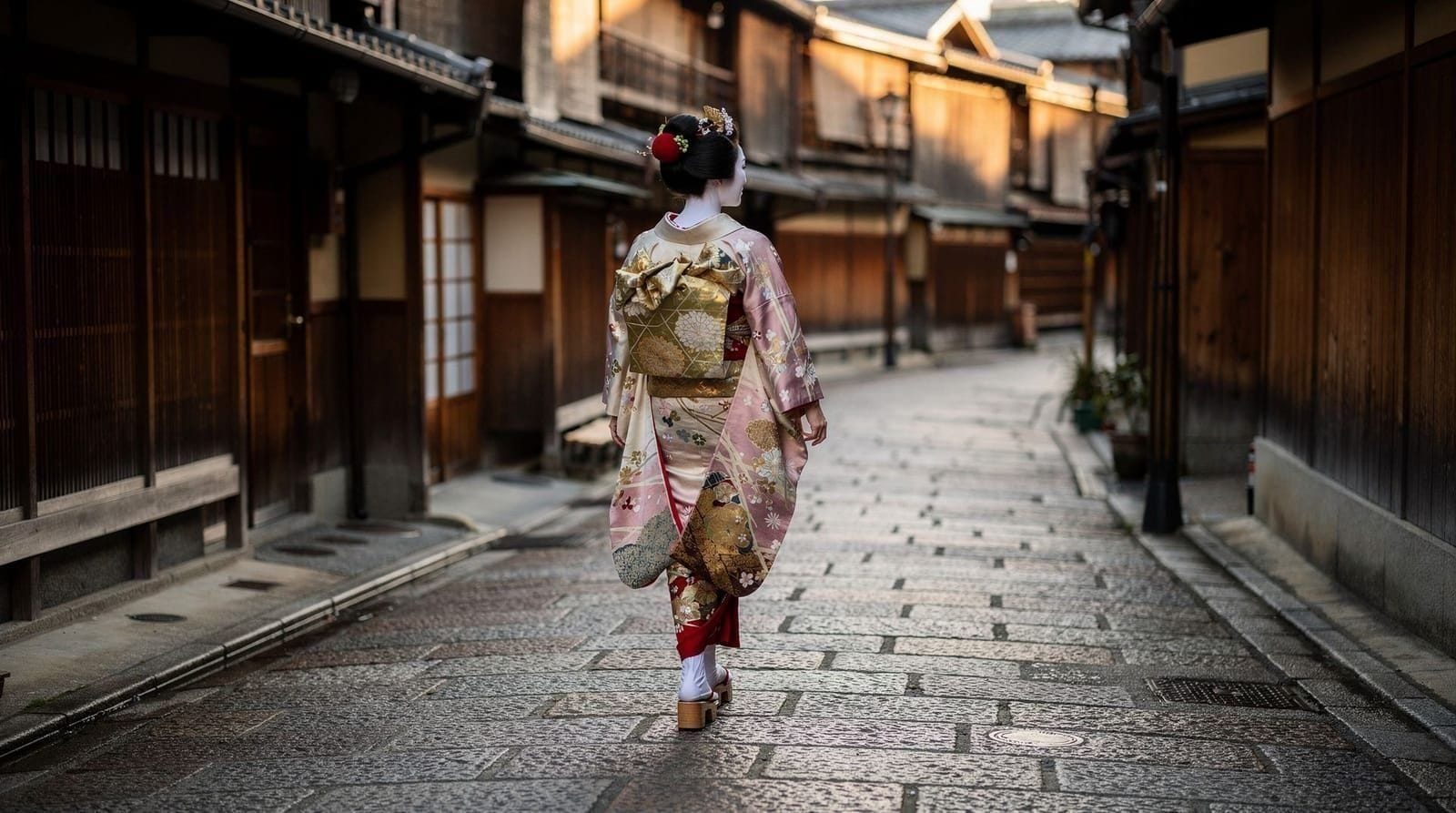
Kimono rental is broadly accepted and even encouraged by locals and shop owners as a form of cultural appreciation rather than appropriation, given how normalized the tourist rental industry has become in Kyoto specifically. That said, treating the experience with a bit of care — not running, not sitting carelessly on dirty surfaces, and being mindful near the actual geisha and maiko discussed in the Gion and geisha guide, who are professionals in genuine dress rather than tourists — helps keep the experience respectful on both sides.
The difference between kimono, yukata, and furisode
Rental shops typically offer standard kimono year-round, but during summer months many also offer yukata, a lighter, less formal cotton garment traditionally worn to summer festivals and firework displays, usually cheaper to rent and simpler to put on given fewer layers. Furisode, a formal style with dramatically long, flowing sleeves traditionally worn by unmarried young women at events like Coming of Age Day, is occasionally offered as a premium rental option at select shops, aimed at visitors wanting a more elaborate, ceremonial look for photos rather than the standard everyday-style kimono most rentals default to.
How the dressing process actually works
Getting into a kimono properly is a genuinely involved process taking a trained dresser 15-25 minutes per person, involving multiple layers (an undergarment, the kimono itself, and the obi tied in a specific decorative knot at the back), and it’s not something most visitors could replicate themselves without instruction — the obi alone involves a specific wrapping and folding technique that takes considerable practice to execute correctly. This is part of why rental packages universally include professional dressing rather than simply renting the garment and letting visitors figure it out, and it’s worth budgeting the full fitting time rather than assuming it’s a quick change.
Combining kimono rental with a rickshaw ride
A popular add-on near Higashiyama and Arashiyama is a short rickshaw (jinrikisha) ride pulled by a runner, often available for booking directly on the street near kimono rental shops or through the same booking platforms as the rental itself. It’s a genuinely photogenic pairing with kimono, though it’s a separate paid activity from the kimono rental itself, typically priced per set duration (15-30 minutes) rather than bundled into rental packages by default.
The cultural history behind kimono design
Kimono patterns and colors historically carried specific meaning tied to season, occasion, and the wearer’s age or marital status — certain motifs like cherry blossoms or maple leaves were traditionally worn only during their corresponding season, and brighter, more elaborate patterns were associated with younger, unmarried women while more subdued tones signaled maturity or married status.
Modern tourist rental shops generally relax these traditional rules considerably, letting visitors choose based on personal preference rather than strict seasonal or social matching, though some of the more historically minded shops still offer guidance on traditional pairings for visitors specifically interested in getting it “right” by older conventions.
Combining kimono rental with a shrine or temple visit respectfully
Wearing a rented kimono while visiting an active shrine or temple is broadly accepted and even common practice among Japanese visitors themselves, not just tourists, and most rental shops are well aware their customers plan to visit nearby sights like Kiyomizu-dera or Yasaka Shrine while dressed. Basic shrine etiquette — bowing at the entrance gate, moving to the side rather than blocking paths for photos, treating the visit as more than a costume backdrop — remains the same whether wearing a kimono or ordinary clothes, and dressing traditionally doesn’t exempt a visitor from the general courtesy expected at any active religious site.
Weather contingencies for a kimono day
Rain complicates a kimono day meaningfully, since most rental shops don’t include weather-appropriate footwear or umbrellas suited to walking in geta, and getting the fabric wet can both damage the rental item and make the experience genuinely unpleasant. Most shops offer simple plastic ponchos or provide guidance on rescheduling if heavy rain is forecast, and checking the forecast a day or two ahead, rather than assuming a booked slot is fixed regardless of weather, is worth doing given how much a kimono day depends on being outdoors for photos.
Reviews and how to choose among competing shops
With dozens of kimono rental shops clustered in the same few blocks near Kiyomizu-dera and Gion, checking recent reviews focused specifically on garment condition, fitting quality, and hidden fees tends to be more useful than choosing based on storefront appearance or price alone, since quality and service consistency vary more between individual shops than the broadly similar pricing structures might suggest. Shops with English-speaking staff or English-language booking pages generally handle international visitors more smoothly, an important practical factor given how much back-and-forth communication the fitting and sizing process involves.
Kimono rental as part of a couples or group experience
Kimono rental is a popular activity for couples and friend groups traveling together, and several shops offer matching or complementary color coordination for groups booking together, along with group photo packages at the more photography-focused rental shops. Booking as a group tends to streamline the fitting process logistically, since the shop can process multiple guests through hair and dressing stations in parallel rather than sequentially, though total wait time still scales with group size to some degree given the hands-on nature of the dressing process.
Tipping and payment expectations
Tipping isn’t expected at kimono rental shops, consistent with Japan’s broader no-tipping service culture, and attempting to leave one can occasionally cause more confusion than goodwill. Most shops accept credit cards alongside cash, though smaller, more traditional operations near the edges of Higashiyama or Arashiyama sometimes remain cash-only or charge a small card surcharge, worth confirming at booking if paying by card matters to you specifically, since ATMs directly on the slope streets themselves are not common.
What happens to unclaimed or unreturned items
In the rare case a rental item is lost entirely rather than merely damaged, shops charge a replacement fee disclosed in the rental agreement, typically reflecting the item’s actual value rather than a punitive amount, and most shops require a form of identification or a security deposit at pickup precisely to manage this risk. This is a minor practical detail rather than a common occurrence, but it’s worth understanding the terms upfront rather than assuming a rental kimono carries no responsibility once it leaves the shop.
How the modern rental industry developed
Kimono rental as a mass-market tourist activity is a relatively recent phenomenon, developing alongside Kyoto’s tourism boom over the past two decades, whereas kimono ownership and wear was historically far more common among ordinary Japanese residents for special occasions well before international rental services emerged. The industry’s rapid growth has made kimono photography almost as strongly associated with a Kyoto visit as the temples themselves, a shift that reflects changing tourism patterns and expectations as much as any deep historical continuity in how the garment itself has been worn.
A final checklist before booking
Confirm the rental duration, return deadline and location, what’s included versus billed as an add-on, and current availability for the specific season of travel — cherry blossom and autumn foliage weekends in particular can book out popular morning slots well in advance, so checking early rather than assuming last-minute availability avoids disappointment.
Timing a kimono day around the rest of a Kyoto trip
Scheduling the kimono day for a morning when the day’s main activity is genuinely photo-focused — a walk through Higashiyama or Arashiyama rather than a physically demanding hike like Fushimi Inari’s full summit route — makes the most of the geta-and-kimono constraint on movement. Saving the more strenuous activities for a separate day in regular clothes and shoes, rather than trying to combine a serious hike with a kimono rental on the same day, avoids an uncomfortable mismatch between the outfit and the day’s physical demands.
A realistic take on whether it’s worth the cost and hassle
Given the booking logistics, fitting time, and the adjustment period walking in geta, kimono rental isn’t the lowest-effort activity available in Kyoto, and travelers on a very tight schedule might reasonably question whether it’s worth the time investment. For most visitors who do try it, though, the combination of feeling genuinely dressed for the city’s preserved historic streets and the resulting photos makes it one of the more consistently positively reviewed activities in Kyoto, provided expectations around timing and cost are set realistically beforehand rather than assumed to be a quick, casual add-on.
Pairing kimono rental with the rest of your day
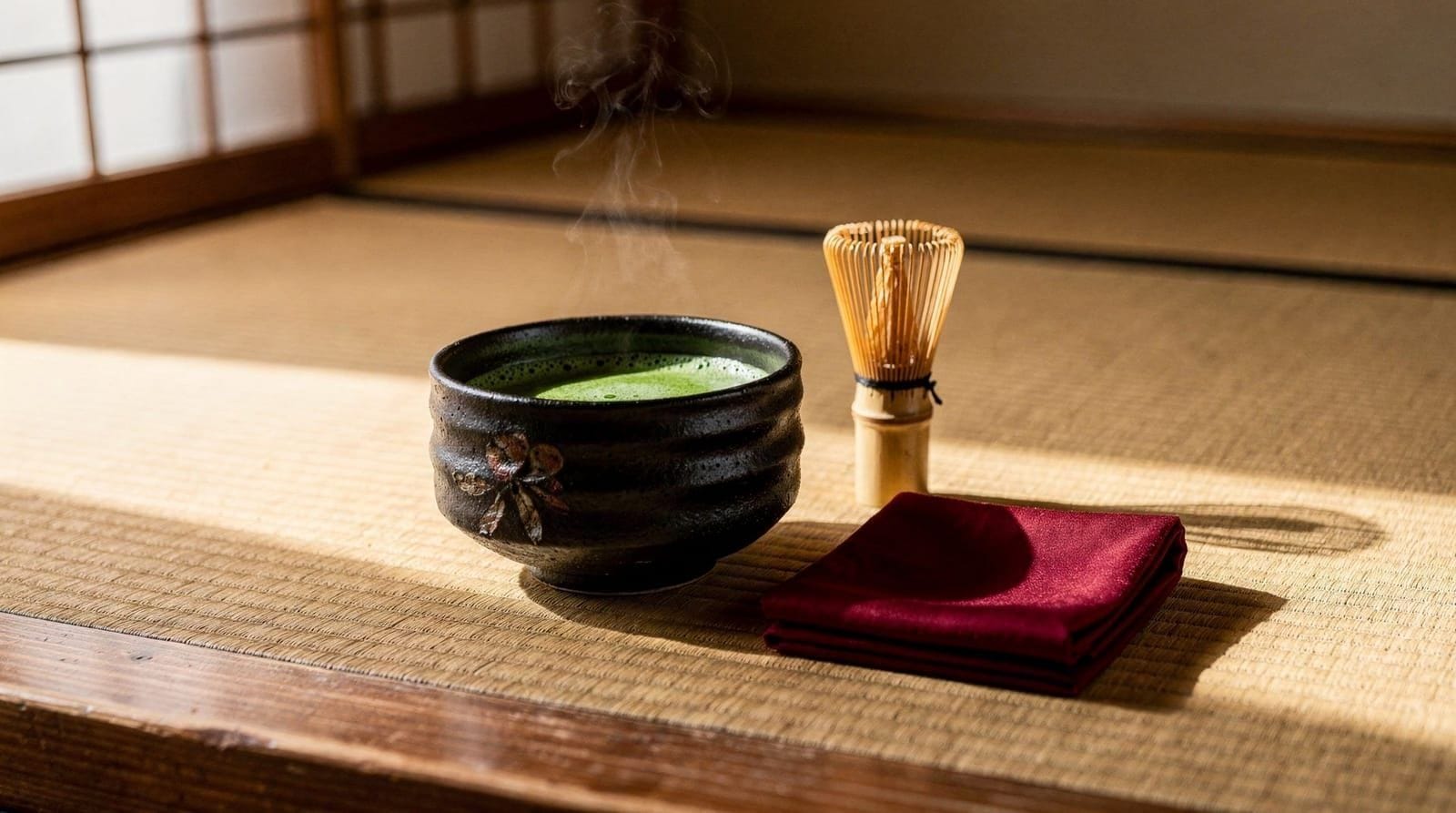
A rented kimono pairs naturally with a tea ceremony booked for the same afternoon, since both experiences share an aesthetic and several shops offer combined packages. It also fits well before an afternoon in Gion and Higashiyama or a visit to Kiyomizu-dera itself, given the photogenic overlap between the temple approach and kimono rental shops. For broader trip planning around Kyoto and how a kimono day fits into a multi-day visit, see the main Kyoto destination guide.
Winter and off-season kimono rental
Kimono rental runs year-round, but winter (December-February) brings genuinely colder conditions that most rental packages don’t fully account for, since the standard kimono layers weren’t designed with modern winter warmth in mind. Some shops offer a haori (a short jacket layered over the kimono) or a small heated hand-warmer as a seasonal add-on, worth asking about specifically rather than assuming it’s included by default. The upside of an off-season, colder-weather visit is considerably shorter booking lead time and thinner crowds on Ninenzaka and Sannenzaka, a genuine trade-off worth weighing for visitors more interested in a calmer photo session than matching kimono to peak-season cherry blossoms or maple leaves.
Multi-day rentals and repeat visits
A handful of shops offer two- or three-day rental packages at a modest discount over booking a fresh single-day rental on each occasion, aimed at visitors who want to wear kimono on multiple days of a longer Kyoto stay — useful if a trip includes both a Higashiyama day and a separate Arashiyama day and you’d rather not manage two entirely separate bookings and fittings. Same-shop repeat customers sometimes get a small loyalty discount or a faster fitting process on the second visit, since the shop already has sizing information on file, though this varies enough between shops that it’s worth asking directly rather than assuming it applies everywhere.
Storing your own belongings during the day
Most rental shops offer a locker or a small storage area for personal belongings and street clothes while you’re out in kimono, typically included in the rental price rather than charged separately, though space is sometimes limited during peak-season rushes when many guests are changing at once. Larger items — a full backpack or suitcase, for instance — are better left at a hotel or a station locker beforehand, since shop storage is generally sized for a day bag rather than full luggage, and arriving already limited to a small bag or purse avoids an awkward conversation about storage capacity at check-in.
Combining kimono rental with Arashiyama specifically
Shops based in or near Arashiyama offer the practical advantage of skipping the cross-town transfer that a Higashiyama-based rental would require if the bamboo grove and river district are the day’s main destination. The trade-off is a smaller selection of shops and patterns compared to the dense cluster near Kiyomizu-dera, though the bamboo grove itself photographs just as well in kimono as the Higashiyama slope streets, with a cooler, greener backdrop that some visitors prefer to the stone-and-wood palette near Kiyomizu-dera.
Frequently asked questions about Kimono rental in Kyoto
How much does it cost to rent a kimono in Kyoto?
Full-day rental typically runs ¥4,000-8,000 per person, depending on the kimono grade and whether hairstyling and accessories are included or added separately. Premium or antique kimono selections cost more than standard rental-grade options.What's included in a standard kimono rental?
Most packages include the kimono itself, the obi belt, an undergarment layer, and geta or zori sandals. Hairstyling, accessories like hair ornaments or small bags, and photography add-ons are usually optional extras rather than included by default.Do I need to book kimono rental in advance?
Yes, especially during cherry blossom season (late March-early April) and autumn foliage season (November), when morning slots at popular shops sell out days or weeks ahead. Same-day walk-in availability exists off-season but shouldn't be relied on during peak periods.What should I wear underneath a rented kimono?
Shorts or leggings and a plain t-shirt or camisole work well underneath, since the kimono and its layers go over your own clothes rather than requiring you to change into nothing. Avoid clothing with a high collar or bulky sleeves that would show beneath the kimono's neckline.Can I walk normally in a kimono and geta sandals?
Not quite — the kimono's fitted design and the geta's raised wooden soles require smaller, slower steps than normal walking. Most people adjust within the first 10-15 minutes, but stairs, uneven cobblestones (common near Kiyomizu-dera), and long walks are noticeably slower than in regular shoes.What time should I return a rented kimono?
Most shops require same-day return by around 6pm to the original location, and some offer a discount for returning by an earlier cutoff, such as 4:30pm. Confirm the exact return deadline and location when booking, since some rental packages allow drop-off at a different branch than the pickup point.Can men rent kimono in Kyoto too?
Yes — most rental shops offer men's kimono alongside women's, generally in a simpler style with fewer color and pattern choices, and typically at a similar or slightly lower price than the standard women's package.Do I need to speak Japanese to rent a kimono?
No — shops in the main tourist areas near Kiyomizu-dera, Gion, and Arashiyama are well used to international visitors and typically have English-speaking staff or English booking pages, though checking reviews for language support helps if this matters to you specifically.
Top experiences
Bookable activities with verified prices and instant confirmation on GetYourGuide.