Osaka to Kyoto day trip guide
Kyoto: Kyoto Fushimi Inari guided walking tour
Duration: 2-3 hours
Can Kyoto realistically be done as a day trip from Osaka?
Yes, but only if you pick two or three sights rather than trying to cover the whole city. The train itself takes just 28-29 minutes, but Kyoto's temples and districts are spread out, and each requires its own bus or rail connection with real transfer time — a single day realistically covers one temple-and-district cluster properly, not the five or six that "top Kyoto sights" lists suggest.
Kyoto is a 28-minute train ride from Osaka, and that convenience is both the appeal and the trap of treating it as a day trip. Roughly 2,000 temples and shrines are spread across a city that takes real effort to move around, and a day trip that tries to “do Kyoto” by hitting five famous names ends up spending more of the day in transit between them than actually seeing anything. This guide is built around the opposite approach: pick one cluster of sights that sit near each other, see it properly, and treat everything else as a reason to come back.
| Where | Kyoto Station, 28-29 min from Osaka Station by JR |
| Cost | ~¥580 one-way JR Special Rapid |
| Time needed | Full day for one cluster of sights, not the whole city |
| Getting there | JR Special Rapid, Hankyu Kyoto Line, or Keihan Main Line |
| Best time | Arrive before 8am to beat the mid-morning crowd surge |
The train itself is the easy part
The JR Special Rapid service connects Osaka Station and Kyoto Station in 28-29 minutes for about ¥580 (roughly $5.40), departing every 10-15 minutes throughout the day — genuinely one of the fastest, most frequent city connections in the region, and not the bottleneck in a Kyoto day trip. The Hankyu Kyoto Line is a cheaper, slightly slower alternative (around ¥410, 43 minutes from Umeda to Kawaramachi Station), landing closer to the Gion side of downtown than JR does.
The Keihan Main Line runs from Yodoyabashi or Kyobashi in Osaka directly to Gion-Shijo or Fushimi Inari Station in 45-50 minutes without needing to change at Kyoto Station at all — genuinely useful if your first stop is Fushimi Inari or Gion rather than the station area, since it skips a transfer entirely.
Where the time actually goes: onward transit
The mistake most day-trippers make isn’t the Osaka-Kyoto leg — it’s assuming that once in Kyoto, moving between districts is similarly quick. It isn’t. Kyoto Station is a transit hub rather than a sightseeing stop, and reaching specific districts from there requires a further bus or rail leg: 15-20 minutes to Kinkaku-ji in the north by bus, a JR Sagano Line transfer plus a walk to reach Arashiyama in the west, or a short walk from Kyoto Station itself to reach southern Higashiyama’s temples. Trying to cover districts on opposite sides of the city in one day means spending a genuinely large share of daylight hours on buses and transfers rather than at the sights themselves.
The single-cluster strategy
The most efficient day trip picks one geographic cluster and stays within it, avoiding backtracking through Kyoto Station more than once. Fushimi Inari (reached directly via JR Nara Line or Keihan Line, skipping Kyoto Station’s bus terminal entirely) pairs reasonably well with southern Higashiyama’s Kiyomizu-dera and the Gion district, since both sit on a similar side of the city and connect without a major cross-town transfer.
Arashiyama, in the west, and northern Kyoto’s Kinkaku-ji each work better as their own separate half-day trip given the transfer time each requires — trying to combine either with the Fushimi Inari-Higashiyama cluster in a single day is the specific mistake that turns a Kyoto day trip into an exhausting transit exercise.
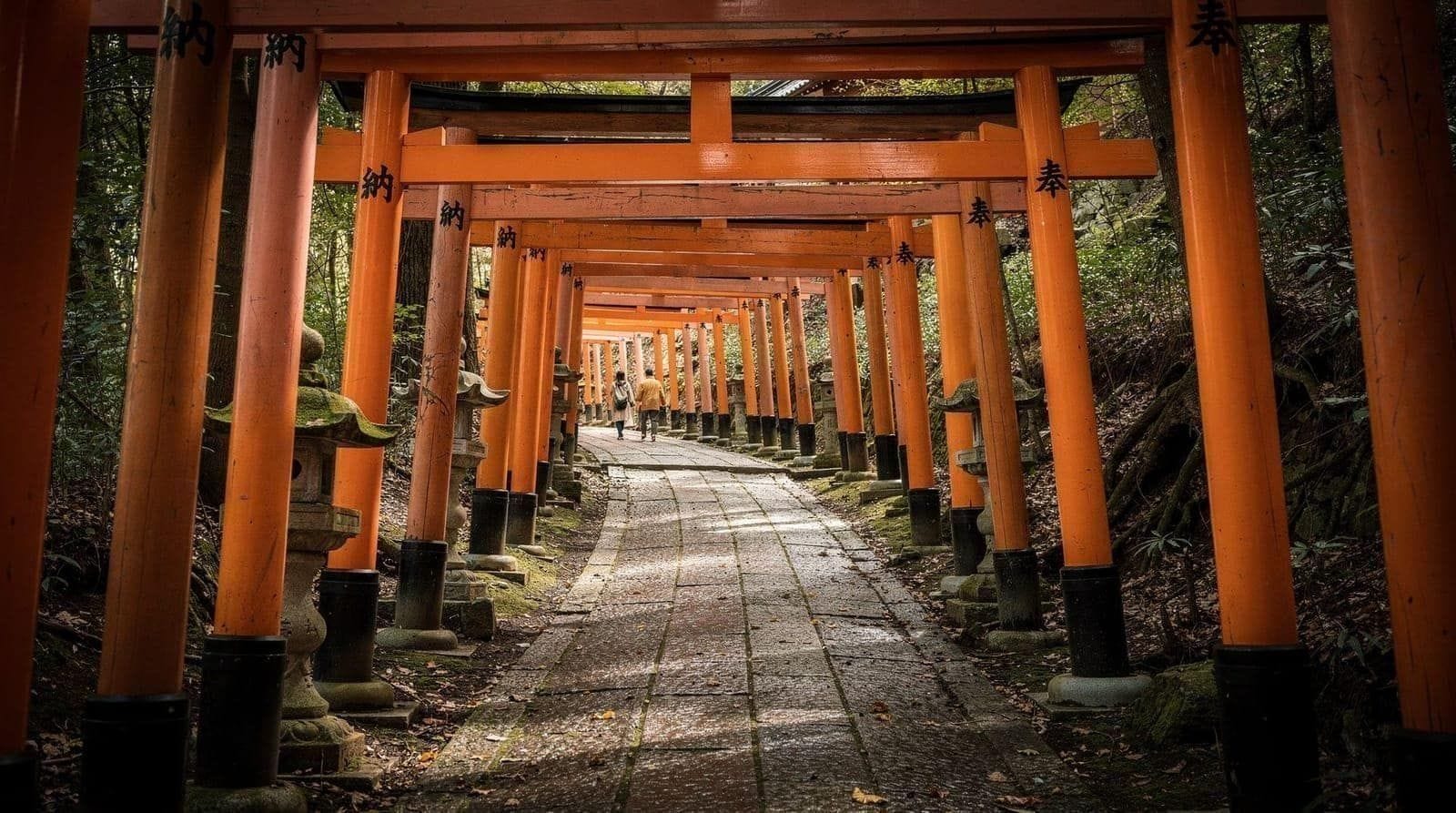
Fushimi Inari guided walking tour covers the shrine’s famous torii gate tunnel with a guide who explains the hike’s structure and where most visitors turn back versus where the crowds actually thin out — useful context for a first visit trying to judge how far up the mountain is worth walking.
Arriving early changes everything
Fushimi Inari, Arashiyama’s bamboo grove, and Kinkaku-ji all get genuinely crowded by mid-morning, and the difference between an 8am arrival and a 10am arrival at any of these is closer to visiting a different place than a marginal improvement. On a day-trip schedule specifically, where the day is already compressed by transit time, front-loading the earliest, most crowd-sensitive sight first — rather than saving it for later in a leisurely schedule — matters more than on a multi-night Kyoto stay where a repeat early-morning visit is always an option.
If your priority is Kinkaku-ji and northern Kyoto
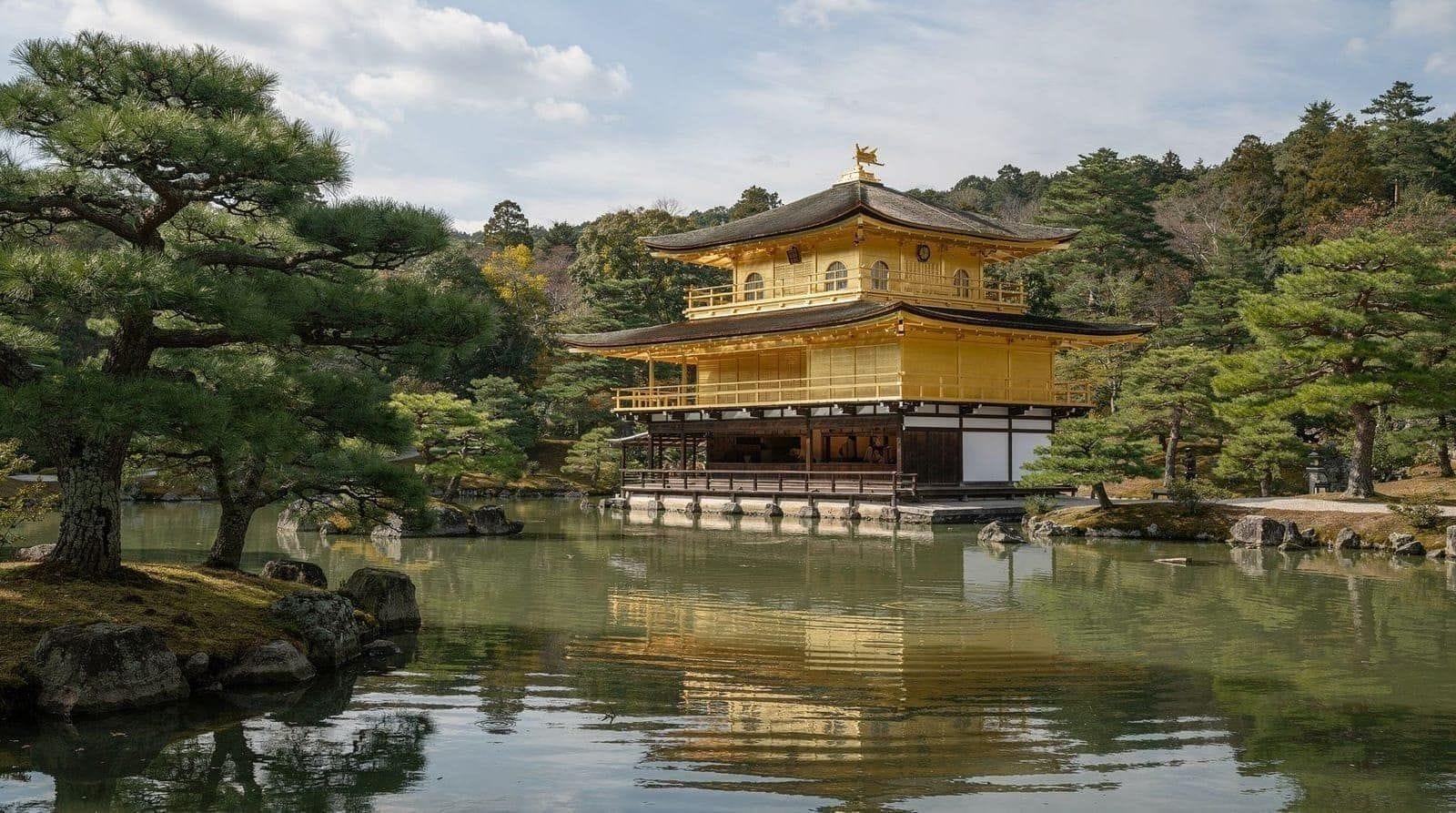
Kinkaku-ji, the Golden Pavilion, sits in northern Kyoto and is reached by bus from Kyoto Station in 40-50 minutes — a real commitment that makes combining it with anything on the opposite side of the city impractical in a single day trip. Treat a Kinkaku-ji-focused day as exactly that: the pavilion itself, Ryoan-ji’s rock garden nearby if time allows, and a return to Osaka rather than an attempt to also fit in Gion or Fushimi Inari the same day.
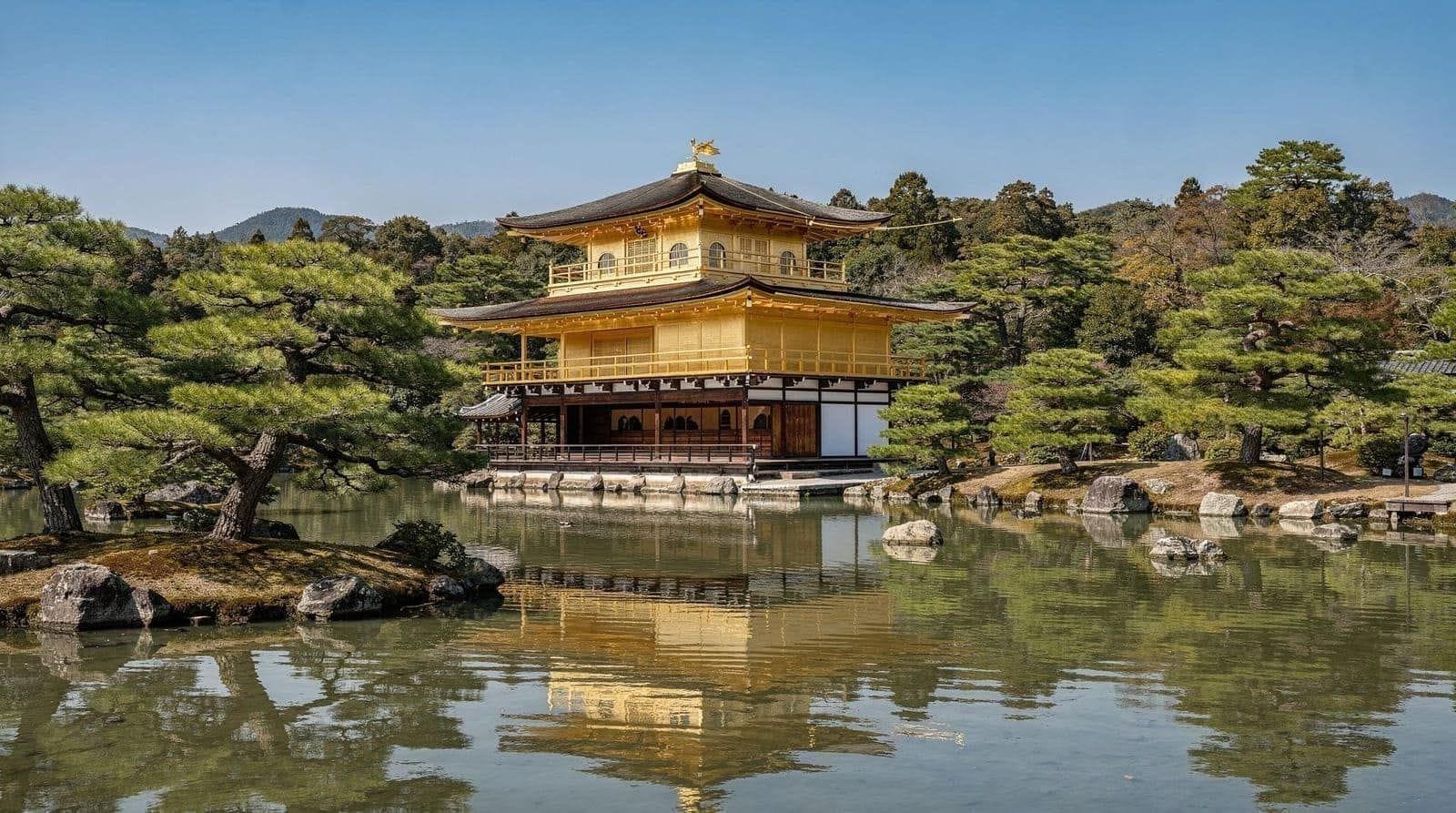
Kinkaku-ji Golden Pavilion guided tour covers the pavilion’s design and mirror-pond garden with context on the building’s 1950 reconstruction after a fire, details easy to miss on a self-guided walk-through.
If your priority is a broader introduction
For a first Kyoto visit unsure which single district to prioritize, a small-group walking tour covering several of the city’s best-known highlights in sequence removes the planning burden of picking a cluster independently, at the cost of a faster pace through each individual stop.
Best of Kyoto small-group walking tour handles the sequencing and transit between sights as part of the tour itself, a reasonable option for a first visit with limited planning time before the trip.
Southern Higashiyama in depth
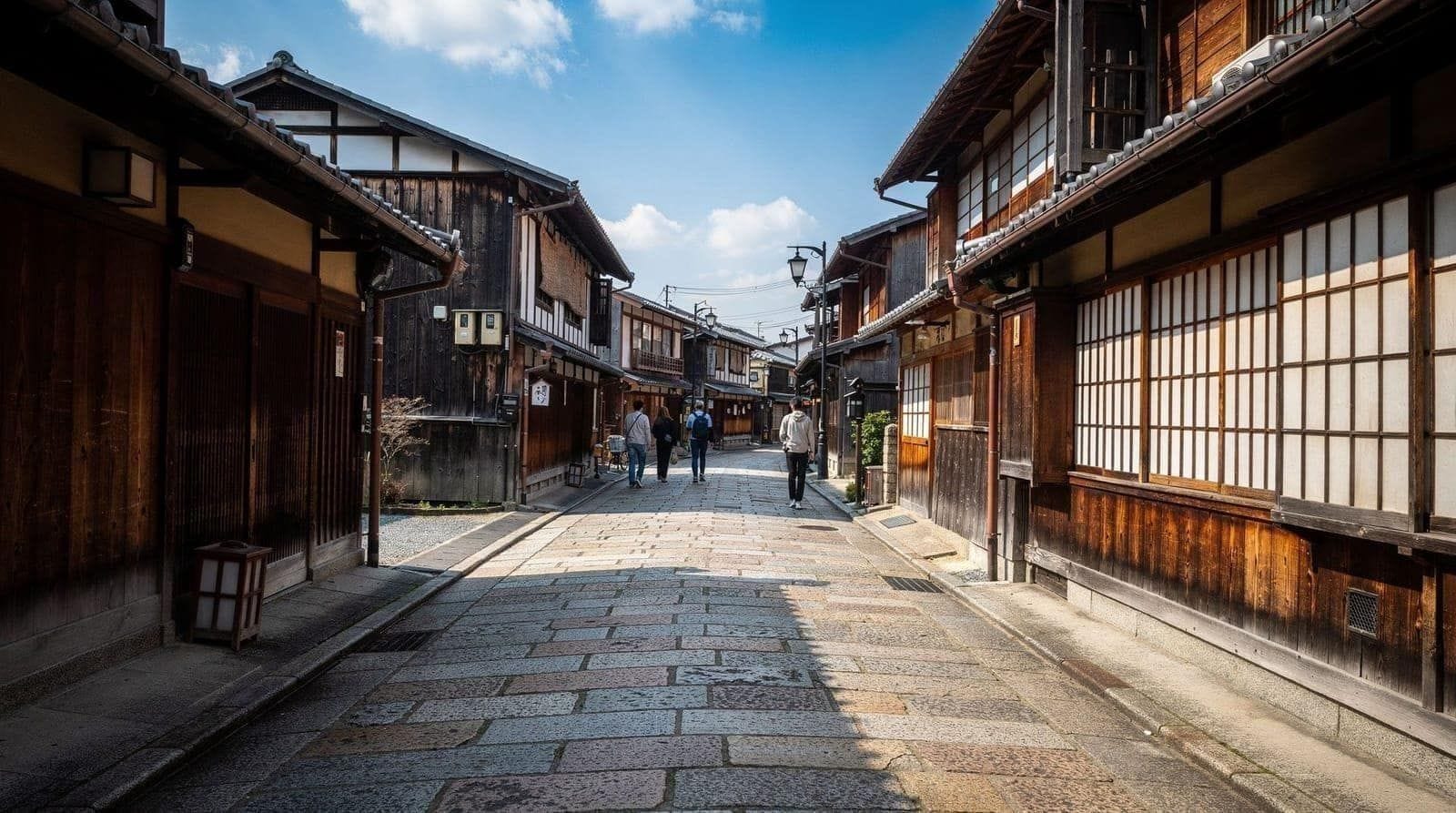
The historic Higashiyama district, running from Kiyomizu-dera’s wooden stage down through preserved lanes toward Gion, is walkable as a single continuous route without needing a bus between stops — a genuine advantage for a day-trip schedule already constrained by the Osaka-Kyoto round trip. Kiyomizu-dera’s main hall and stage offer some of Kyoto’s best panoramic city views, and the preserved streets leading down from the temple (Sannenzaka and Ninenzaka) are lined with traditional shops and machiya buildings worth a slow walk rather than a rushed pass-through.
Historic Higashiyama walking tour covers this walkable district in a single guided route, from Kiyomizu-dera through the preserved lanes toward Gion, without requiring a bus transfer partway through.
A realistic day-trip schedule
Departing Osaka by 7-7:30am puts you in Kyoto by 8am, ahead of the worst crowds at any major sight. A Fushimi Inari-Higashiyama day: Fushimi Inari first (1.5-2 hours, including a partial hike up the mountain), then onward via Keihan or JR to southern Higashiyama for Kiyomizu-dera and a walk through Gion in the early afternoon, with lunch somewhere along the Higashiyama lanes. This leaves the late afternoon for a slower wander or an early return to Osaka, depending on energy levels — a single well-executed cluster rather than a rushed five-stop checklist.
Should you stay overnight instead?
For a first Kyoto visit prioritizing depth over checking off famous names, staying two to three nights is genuinely the better plan — it opens up the early mornings and late afternoons when Kyoto’s most photographed sights are calm, without the day trip’s return-train pressure hanging over the schedule. A day trip makes more sense for visitors who’ve already spent meaningful time in Kyoto on a previous visit, or who have limited overall days in the Kansai region and are prioritizing breadth (Kyoto plus Nara plus Kobe) over depth in any single city.
Getting back to Osaka
JR Special Rapid trains run frequently until close to midnight, so there’s no hard cutoff pressure to leave Kyoto early specifically to catch a last train — the practical limit on how late to stay is fatigue and how much of the evening you’d rather spend traveling versus in Kyoto itself.
Comparing the two most common single-cluster days
| Cluster | Sights | Transit style | Best for |
|---|---|---|---|
| Fushimi Inari + Higashiyama | Fushimi Inari, Kiyomizu-dera, Gion | Keihan line, then walkable | First-time visitors wanting variety |
| Kinkaku-ji + northern Kyoto | Kinkaku-ji, Ryoan-ji | Bus from Kyoto Station | Visitors prioritizing one iconic sight |
Related planning
For deeper coverage of specific Kyoto sights mentioned here, see the Fushimi Inari guide, Kinkaku-ji guide, Kiyomizu-dera guide, and the best temples in Kyoto guide for prioritizing across the whole city. The Arashiyama bamboo guide and Kyoto gardens guide cover the western and garden-focused sides of the city that don’t fit easily into a single Fushimi Inari-Higashiyama day.
For the main city overview, see the Kyoto destination page, and for comparing Kyoto against the region’s other day-trip options, the Osaka to Nara day trip guide and Osaka to Uji day trip guide cover shorter, less sight-dense alternatives.
Frequently asked questions about Osaka to Kyoto day trip guide
How long does it take to get from Osaka to Kyoto?
The JR Special Rapid service connects Osaka Station and Kyoto Station in 28-29 minutes for about ¥580 (~$5.40), departing every 10-15 minutes. It's one of the fastest, most frequent city-to-city connections in the region.What's the biggest mistake people make on a Kyoto day trip?
Trying to fit too many districts into one day. Kyoto's major sights — Fushimi Inari, Arashiyama, Kinkaku-ji, Gion — sit in different parts of a spread-out city, each requiring its own bus or rail connection. A day trip that tries to hit four of these ends up spending more time in transit between them than actually seeing anything.Which single area is best for a first Kyoto day trip?
Fushimi Inari and southern Higashiyama (Kiyomizu-dera, the Gion area) pair reasonably well since they sit on the same general side of the city and connect via the Keihan line without backtracking through Kyoto Station. Arashiyama and northern Kyoto (Kinkaku-ji) each work better as their own separate half-day given the transfer time involved.Should I buy a Kyoto bus pass for a day trip?
It depends on the itinerary — a one-day bus pass makes sense if the plan relies heavily on city buses to reach spread-out districts like northern Kyoto, but if sticking to one cluster reachable by direct rail (Keihan to Fushimi Inari and Gion, for instance), individual fares can work out similar or cheaper.What time should I arrive in Kyoto to beat the crowds?
As early as the first trains allow, ideally arriving at your first sight before 8am. Fushimi Inari, Arashiyama's bamboo grove, and Kinkaku-ji all get genuinely crowded by mid-morning, and the gap between an early and a mid-morning arrival is the single biggest lever on how the day feels.Is it better to stay overnight in Kyoto instead of a day trip?
For a first visit prioritizing depth over checking boxes, yes — two to three nights lets you see the early mornings and late afternoons when Kyoto is at its best, without the return-train pressure a day trip creates. A day trip works well for visitors who've already spent time in Kyoto, or who have limited days in the region overall.How late can I stay in Kyoto and still get back to Osaka easily?
JR Special Rapid trains run frequently until close to midnight, so there's no need to rush an early return specifically for the last train — the practical limit on a day trip is fatigue and how much of the evening you want to spend traveling rather than the schedule itself.Can I combine a Kyoto day trip with Uji or Nara the same day?
It's possible given the overlapping JR Nara Line route to Uji, but stacking three destinations into one day leaves little slack for delays or a leisurely pace. Most itineraries are better served treating Kyoto, Uji, and Nara as separate day-trip days rather than a single combined route.Do I need a JR Pass just for a single Kyoto day trip from Osaka?
No. A one-way JR Special Rapid fare is only about ¥580, so a rail pass costs more than it saves unless you're combining Kyoto with at least one more day trip to Nara, Kobe, or Himeji within the same pass validity window.
Top experiences
Bookable activities with verified prices and instant confirmation on GetYourGuide.