Autumn foliage in Kansai, where and when to see koyo
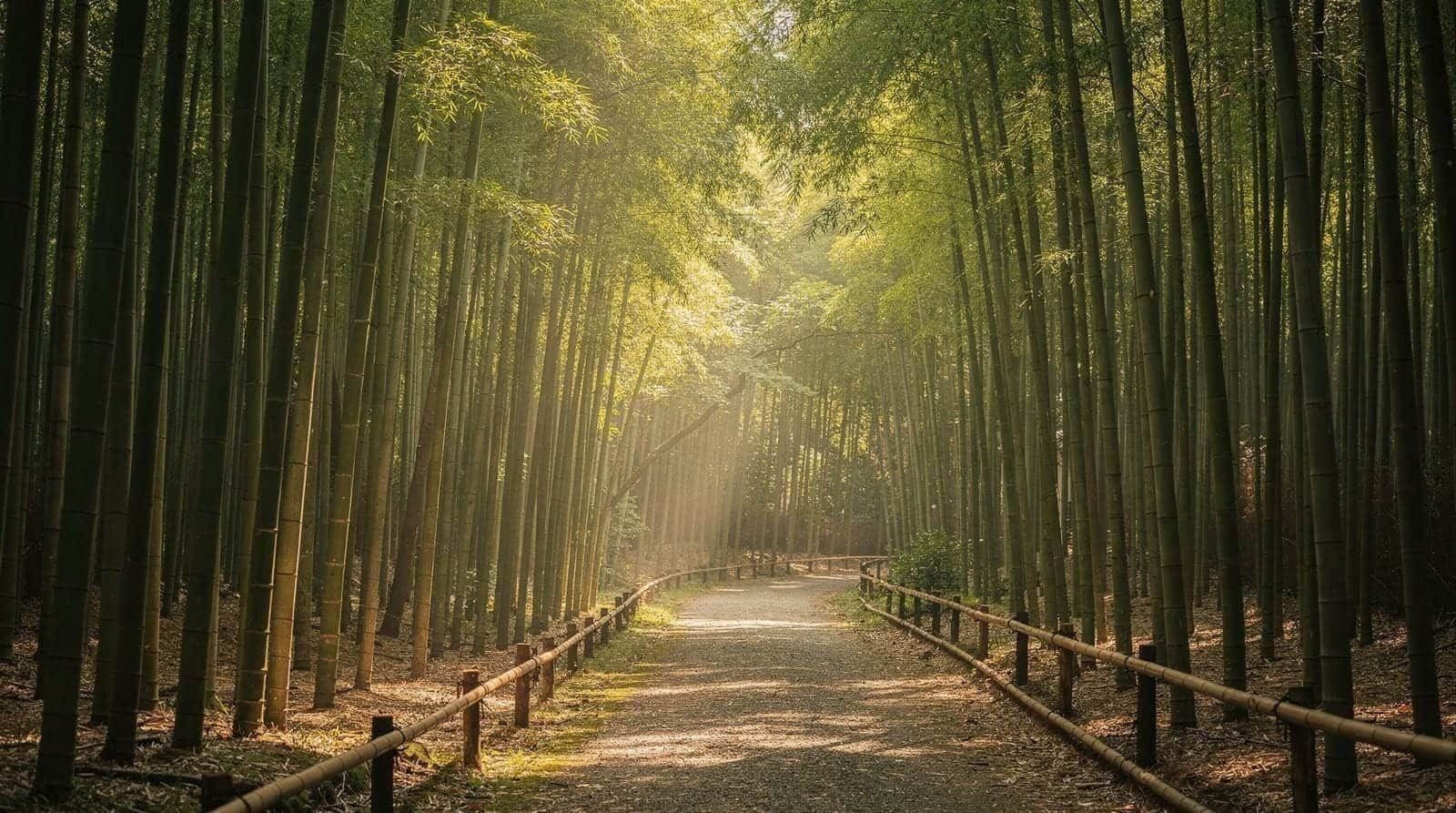
Kyoto: Kyoto Arashiyama bamboo grove morning walk
When is autumn foliage season in Kansai?
Koyo (autumn foliage) typically peaks across Kansai from late November into early December, with Minoo Park near Osaka and Kyoto's mountainside gardens among the region's most reliable viewing spots. Timing runs about a month later than most Northern Hemisphere autumn expectations, given Kansai's relatively mild climate.
Kansai’s autumn foliage season runs later than most visitors expect — koyo (the maple and ginkgo color change) typically peaks from late November into early December, well past the point most Northern Hemisphere travelers assume “autumn” has ended, a byproduct of the region’s relatively mild climate holding summer’s warmth into what would otherwise be deep fall elsewhere. This guide covers where the color actually shows up best, when to time a visit, and how to avoid the worst of the crowds at spots that have become genuinely popular in recent years.
| Where | Minoo Park (Osaka), Arashiyama and northern Kyoto |
| Peak | Late November to first week of December |
| Cost | Mostly free viewing; temple gardens ¥300-600 |
| Getting there | Train from Osaka, 30-60 min depending on spot |
| Best time of day | Opening time, before mid-morning crowds build |
Koyo month by month
| Period | What’s turning | Crowd level |
|---|---|---|
| Early-mid November | Higher elevations, Koyasan, northern Kyoto hills | Building |
| Late November | Kyoto’s main temple district, Arashiyama | Peak, very busy |
| Early December | Minoo Park, lower-elevation riverside spots | Peak, slightly less crowded than Kyoto |
| Mid-December | Stragglers at sheltered, low-elevation spots | Thinning out |
Why koyo runs later here than expected
Maple (momiji) and ginkgo trees across Kansai typically begin changing color in early-to-mid November at higher elevations and inland spots, reaching peak color at lower-elevation, more central locations by late November to early December. Mountain and forest areas (Koyasan, higher elevations around Kyoto’s northern temples) turn earlier, while riverside and park settings closer to sea level turn later — a useful rule of thumb if trying to time a single trip around peak color at a specific spot rather than the region broadly.
Minoo Park: the closest reliable spot to Osaka
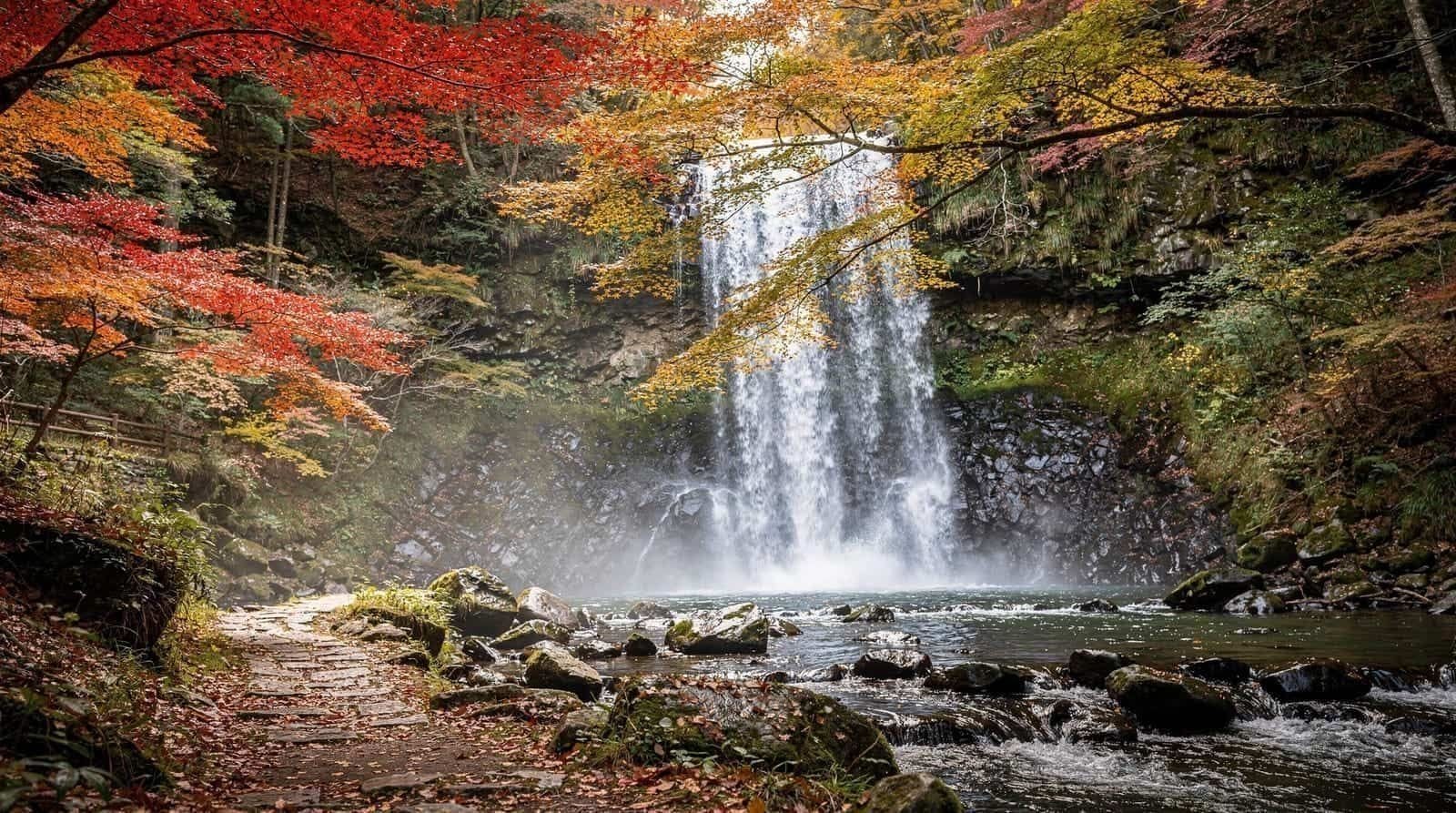
Minoo Park, roughly 30 minutes from central Osaka, is the most accessible serious koyo destination for visitors based in the city, built around a walking trail leading to the 33-meter Minoo Falls through a valley that turns deep red and gold by peak season. The park’s momiji tempura (deep-fried maple leaves, a genuine and long-standing local specialty rather than a novelty) is worth trying at one of the stalls along the approach trail. The Minoo Park foliage guide covers the full trail layout, timing, and this specific local food tradition in more depth.
Kyoto’s mountainside gardens and temples
Kyoto holds the region’s most concentrated and famous koyo spots, largely because so many of its temples were deliberately landscaped with maple groves for exactly this seasonal effect. Arashiyama, already known for its bamboo grove, turns significantly more crowded during peak koyo weeks as the surrounding hillsides color alongside the grove itself — the Arashiyama bamboo guide covers the area’s layout, useful context before adding a foliage-season visit on top of the bamboo grove’s usual appeal.
Northern Kyoto’s temple gardens, including the grounds around Kinkaku-ji, and the Philosopher’s Path connecting Ginkakuji toward Nanzenji, are similarly reliable, structured specifically around maple plantings that were never incidental.
Arashiyama bamboo grove morning walk is worth timing for koyo season specifically at the earliest available slot — Arashiyama’s peak-season crowds build fast after mid-morning, and an early guided walk gets ahead of both the bamboo grove’s usual crowds and the additional foliage-season visitors.
Ginkakuji, Philosopher’s Path, and Nanzenji tour covers this specific stretch of Kyoto’s northern temple district, one of the more reliably photogenic koyo routes in the city given how deliberately its maple plantings were arranged relative to the walking path itself.
Kyoto’s gardens beyond the headline spots
Beyond Arashiyama and the northern temple district, Kyoto’s broader garden culture — the Kyoto gardens guide covers several — includes quieter koyo spots that see meaningfully less foot traffic than Arashiyama or Kinkaku-ji during peak weeks, worth prioritizing for visitors who’ve already seen the headline locations on a previous trip or who specifically want a calmer experience.
Arashiyama hidden gems: avoid the crowds tour is built specifically around routing away from Arashiyama’s most crowded stretches, a genuinely useful option during koyo season when the main bamboo grove path and river-front area both run at their annual peak density.
Timing a trip around peak color
Peak koyo across most of central Kansai (Kyoto’s main temple district, Minoo Park) typically falls in the last week of November through the first week of December, though higher-elevation spots turn a week or two earlier and can be worth targeting for visitors arriving slightly before the main peak. Unlike cherry blossom season’s very short full-bloom window (a matter of days), koyo’s color-change period stretches over several weeks at any given elevation band, giving considerably more flexibility in trip timing without missing the display entirely.
Crowds and how peak koyo compares to sakura season
Peak koyo weeks bring real crowds to Kyoto’s headline spots — Arashiyama and the northern temple district in particular — though generally somewhat less extreme than cherry blossom week’s peak, since koyo’s longer overall window spreads visitor volume across more days rather than concentrating it into a single ten-day burst. Weekday visits, and arriving at opening rather than mid-morning, remain the most effective ways to reduce crowd exposure at any of these spots, same as during sakura season.
Weather and what to pack
Late November and early December bring genuinely cool temperatures (8-15°C) with occasional rain, cooler than most visitors associate with “autumn” travel to Japan — a proper jacket and layers matter more here than at any other point in the autumn season proper. Koyasan, roughly 800 meters higher in elevation than Osaka, runs noticeably colder during this window and often sees its own foliage peak slightly earlier than lower-elevation Kansai spots, worth factoring in if combining a koyo trip with a Koyasan temple stay.
Combining koyo season with day trips
Kobe’s Nunobiki Herb Garden and the hills around Mount Rokko also turn color during this window, offering an alternative to Kyoto’s more crowded spots for visitors who’ve already based a day trip around Kobe — the Mount Rokko guide covers the area’s layout beyond its cable car views. Nara’s park and temple grounds turn more subtly than Kyoto’s dedicated maple gardens but still offer a pleasant koyo-season backdrop to the Nara deer park family guide’s usual attractions, worth combining if a Nara day trip is already planned during this window.
Comparing koyo to cherry blossom season
Where cherry blossom season delivers a short, intense, pale-pink display concentrated into roughly ten peak days, koyo delivers a longer, more varied palette (deep reds, oranges, and yellows across maple and ginkgo) stretched across several weeks, generally with somewhat less extreme crowding at any single point in that window — see the cherry blossom Osaka guide for the spring equivalent, and the best time to visit Osaka guide for how both seasons compare to the rest of the year in weather, pricing, and crowd levels.
A realistic day plan for koyo season
A single day built around Kyoto’s Arashiyama and northern temple district, starting at opening to beat both the bamboo grove’s usual crowds and koyo season’s added visitors, followed by an afternoon at a quieter garden spot from the Kyoto gardens guide, covers the region’s best foliage without requiring a multi-day dedicated trip — the Osaka to Kyoto day trip guide covers the transit logistics for fitting this into a single day from an Osaka base.
Nighttime illumination during koyo season
Several of Kyoto’s temples and gardens run special evening illumination events during peak koyo weeks, lighting maple canopies from below for a dramatically different effect than daytime viewing — these events typically require a separate evening ticket beyond standard daytime entry and run only during a specific window of the season (often the two to three weeks closest to peak color), worth checking current-year dates directly since illumination schedules shift slightly year to year based on projected peak timing.
Arashiyama’s bamboo grove itself doesn’t typically run formal illumination events, but the surrounding hillside temples in the same district often do, making an evening visit a reasonable add-on to a daytime Arashiyama stop rather than a separate trip.
Food specific to koyo season
Beyond Minoo Park’s momiji tempura, autumn brings its own set of seasonal food specialties across Kansai worth seeking out during a koyo-timed visit — matsutake mushroom dishes (a prized, expensive seasonal mushroom with a short autumn season), sweet potato and chestnut-based desserts and sweets appearing in department store food halls and cafes, and the year’s new-crop sake releases (shinshu), which many Kyoto and Kobe sake breweries time to coincide with the autumn season. The nada sake tasting guide covers Kobe’s sake district in more depth, worth combining with a koyo day trip to the Kobe area if sake is an interest alongside the foliage.
Comparing Kyoto’s different koyo neighborhoods
Kyoto’s koyo spots vary meaningfully in character beyond simply “which turns color first.” Arashiyama combines foliage with river views (the Hozugawa river, also the setting for seasonal boat rides) and its famous bamboo grove, giving it the most varied single-location experience. The northern temple district around Kinkaku-ji and the Philosopher’s Path offers a more contemplative, garden-focused experience with less river or bamboo variety but arguably the most deliberately composed maple plantings in the city, since several of these gardens were designed centuries ago specifically with autumn viewing in mind.
Higashiyama, Kyoto’s historic eastern hillside district covered in the Higashiyama walking route guide, offers a denser concentration of temples within walking distance of each other, useful for visitors wanting to see several koyo spots without long transit between them.
Practical timing advice for a first koyo trip
For visitors without a strong existing sense of Kansai’s geography, the single most useful piece of timing advice is to check current-year foliage forecast updates (published by Japanese meteorological services and several tourism organizations from early October onward) rather than relying purely on the general late-November-to-early-December window described here — actual peak timing shifts by up to two weeks year to year depending on autumn temperature patterns, and a visit planned around last year’s dates risks arriving a week too early or too late for a given specific spot.
Building a few days of flexibility into a koyo-focused trip, similar to the buffer recommended for cherry blossom season, meaningfully improves the odds of catching peak color at whichever specific location is the priority.
Extending a koyo trip beyond a single day
Visitors with more time can combine Kyoto’s koyo spots with a Nara day trip (Nara’s own foliage, while more subtle than Kyoto’s dedicated maple gardens, pairs well with the park’s usual deer-park appeal) or an overnight extension to Koyasan, where the cedar forest surrounding Okunoin takes on a genuinely different character once the deciduous trees among the evergreens turn color — colder and often earlier-peaking than lowland Kansai given the mountain’s elevation, detailed in the Koyasan Okunoin guide and Koyasan temple stay guide for visitors considering an overnight stay during this specific season.
Crowd-avoidance strategy specific to koyo season
Weekday visits remain the single most effective lever for avoiding koyo season’s worst crowds, same as during cherry blossom season, but koyo carries one additional advantage: because the color-change window stretches over several weeks rather than concentrating into a matter of days, visiting a spot at the very start or tail end of its local peak — rather than the exact projected peak date — sacrifices relatively little visual impact while meaningfully reducing crowd density. Arashiyama in particular benefits from this approach, since its peak-week crowds can rival Kyoto’s most congested days of the entire year, while the week immediately before or after peak sees noticeably thinner foot traffic with still-vivid color on display.
What to pack for a koyo-season day trip
Layered clothing matters more during this season than almost any other point in the Kansai calendar — mornings can run genuinely cold (5-10°C) while midday sun, particularly in sheltered garden spots, warms things up considerably, and evening temperatures drop again once the sun sets. A light rain jacket is worth carrying given the season’s occasional showers, and comfortable, broken-in walking shoes matter as much here as for any other Kansai day trip, given how much of the koyo experience involves walking garden paths, temple approaches, and hillside trails rather than standing in one fixed viewing spot.
Booking ahead during peak koyo weeks
Late November is one of the single busiest travel windows in all of Kansai — busier, at the very top end, than even cherry blossom week, since koyo coincides with a broader spread of domestic and international school holidays. Hotel rates in both Osaka and Kyoto climb noticeably for the last two weeks of November, and popular ryokan and guesthouses near Arashiyama or the northern Kyoto temple district can sell out weeks in advance.
If a specific koyo-season date matters more than flexibility, book accommodation as early as possible and consider basing in Osaka rather than central Kyoto, since transit between the two cities is short enough (around 30-45 minutes) that lodging pressure is somewhat lower outside Kyoto itself. Restaurant reservations, particularly for kaiseki or anything with a garden view during peak color, also fill quickly — the Kyoto kaiseki guide covers booking timelines worth following for a koyo-season dinner.
Day-trip pacing from an Osaka base
Basing in Osaka for a koyo trip works well precisely because none of the region’s headline foliage spots require an overnight stay elsewhere — Arashiyama and northern Kyoto run 45-60 minutes from Osaka Station, Minoo Park closer to 30, and even Koyasan’s colder, earlier-peaking cedar forest is manageable as a long day trip if planned around the mountain’s cable car and bus schedule.
The realistic limit is one dedicated koyo destination per day if the goal is an unhurried morning arrival ahead of crowds followed by a relaxed afternoon rather than a rushed multi-stop itinerary; trying to combine, say, Arashiyama and the northern temple district in a single day usually means shortchanging one of them on time, given how much value the early-arrival strategy adds at each individual spot.
Top experiences
Bookable activities with verified prices and instant confirmation on GetYourGuide.