Best time to visit Osaka, month by month
Kyoto: Kyoto cherry blossom sakura tour 3-hour
Duration: 3 hours
What is the best time to visit Osaka?
Late March to early April (cherry blossom season) and October to November (autumn foliage, mild weather) are the most rewarding but also the busiest and most expensive months. For lower prices and thinner crowds with still-comfortable weather, aim for late April, early May before Golden Week, or June before the rainy season intensifies.
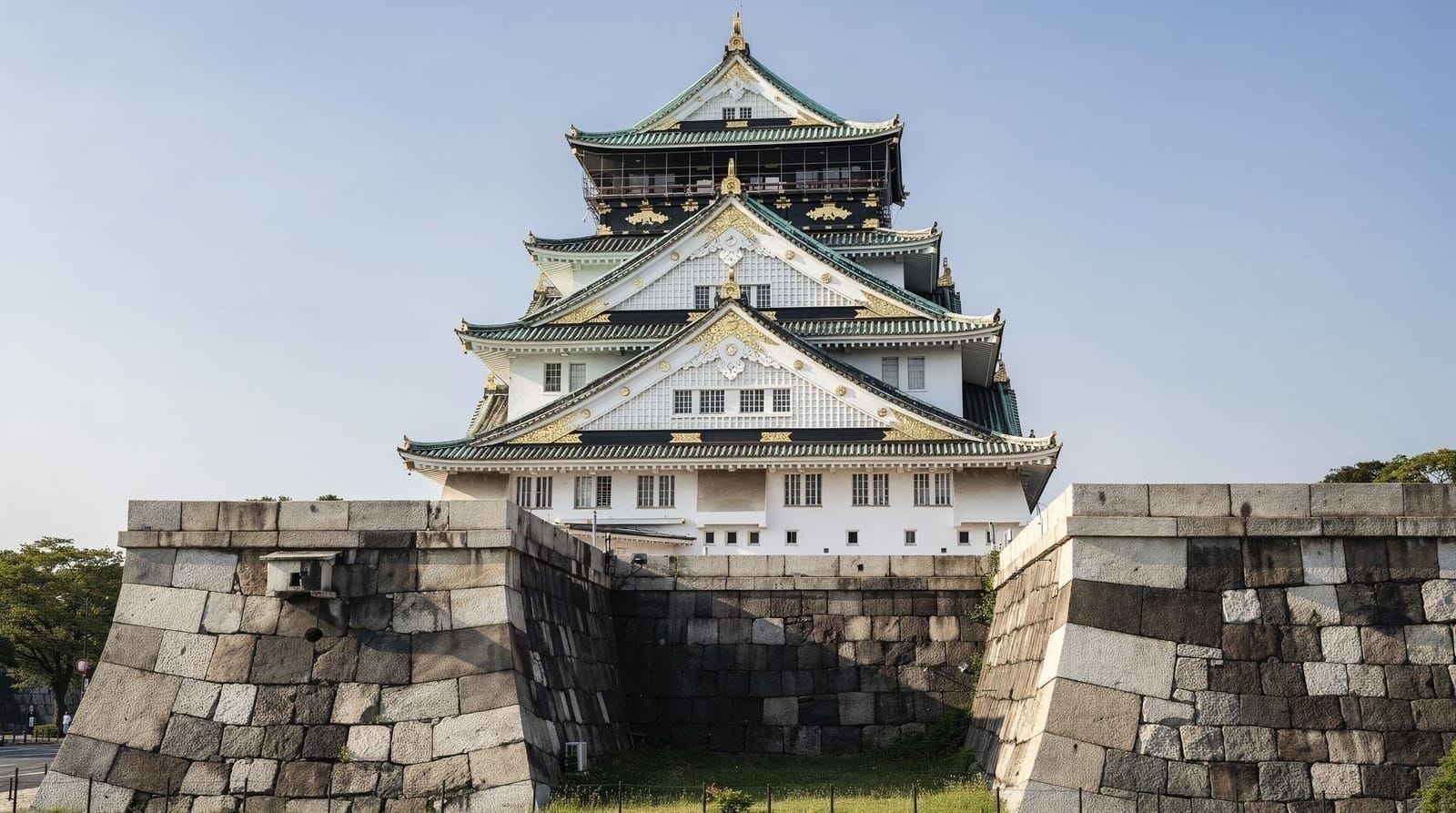
There’s no single wrong time to visit Osaka, but the difference between the busiest and quietest months is stark enough to genuinely shape a trip — cherry blossom week sees hotel prices jump 30-40% and major sights running at capacity, while a February visit finds the same castle grounds nearly empty at a fraction of the cost. This guide breaks down what each month actually delivers in weather, crowd levels, and pricing, separate from the interactive best time to visit Osaka calculator, which lets you weigh these factors against your own priorities and get a personalized recommendation.
| Best overall | Late April or October |
| Cheapest | January, February, June (before mid-month) |
| Busiest/priciest | Late March-early April, Golden Week, late November |
| Hottest | August (30-35°C, high humidity) |
| Coldest | January-February (2-9°C) |
Month-by-month at a glance
| Month | Weather | Crowds | Notable |
|---|---|---|---|
| Jan-Feb | 2-9°C, occasional light snow | Lowest of the year | Cheapest window, winter illuminations |
| Mar | 10-15°C, warming | Building fast late month | Cherry blossom season begins |
| Apr | 15-22°C, pleasant | High early, easing after | Peak sakura, then Golden Week |
| May | 18-24°C | Golden Week peak, easing after | Best value late in month |
| Jun | 22-27°C, rainy season mid-month | Moderate | Early June is an underrated window |
| Jul-Aug | 28-35°C, humid | Moderate-high (festivals) | Gion Matsuri, Tenjin Matsuri, Obon |
| Sep | 24-29°C, typhoon risk | Easing late month | Transition month |
| Oct | 18-24°C, mild and dry | Moderate | Arguably the year’s best weather |
| Nov | 12-20°C | High late month | Koyo (autumn foliage) peak |
| Dec | 5-13°C | Moderate, spikes New Year | Illuminations, koyo tail end |
Spring (March-May): the peak season
March starts cool (10-15°C) and builds toward cherry blossom season by late month — the cherry blossom Osaka guide covers exact 2026 timing, but broadly, plan for peak bloom around March 24-April 2, with the days immediately before and after also drawing large crowds to Osaka Castle Park and Kema Sakuranomiya Park. April opens with the tail end of cherry blossom season, then settles into genuinely pleasant weather (15-22°C) through the rest of the month — this is arguably the single best stretch of weather in Osaka’s calendar, but it’s also priced and crowded accordingly through early April.
May starts strong but runs into Golden Week (late April-early May, a cluster of national holidays), when domestic Japanese travel peaks — trains run fuller, hotels fill faster, and major sights see their heaviest annual foot traffic outside cherry blossom week itself. Late May, after Golden Week clears, offers some of the year’s best value-to-weather ratio.
Kyoto cherry blossom tour, 3 hours is worth booking well ahead if visiting during the sakura window specifically, since independent access to the most popular viewing spots gets genuinely difficult during peak days.
Summer (June-August): hot, humid, and festival season
June opens dry and mild but the tsuyu (rainy season) sets in by mid-month, bringing frequent rain through early July — humidity climbs noticeably even on non-rainy days. Early June, before the rains intensify, is an underrated window: comfortable weather, thinner crowds, and lower prices than any spring or autumn month.
July brings the rainy season’s tail end followed by the true onset of Japanese summer — heat and humidity intensify sharply (28-33°C, high humidity) through the month, but July also delivers Gion Matsuri in Kyoto (all month, floats and processions concentrated in the final third) and Tenjin Matsuri in Osaka (July 24-25, one of Japan’s three great festivals, built around a river boat procession and fireworks). See the Gion Matsuri guide and Tenjin Matsuri guide for full festival planning.
August is the year’s hottest month (30-35°C), with typhoon risk rising through late August and into September, particularly affecting the Wakayama coast — Obon (mid-August), a period of ancestor-veneration observances and heavy domestic travel, adds a secondary crowd spike.
Autumn (September-November): the second peak
September carries lingering summer heat into early month with typhoon risk still active, easing by late month into genuinely comfortable conditions. October delivers some of the year’s most reliable weather — mild temperatures (18-24°C), low rain probability, and clear skies — without yet reaching the crowd levels of peak koyo (autumn foliage) season.
November is when koyo season builds, typically peaking late November into early December across Kansai’s gardens and mountainsides — Minoo Park, Kyoto’s Arashiyama and northern temple gardens, and the Kansai countryside generally turn color in this window, detailed fully in the autumn foliage Kansai guide. Like cherry blossom season, peak koyo weeks bring a real crowd and price bump at the most photogenic spots, though generally less extreme than sakura week.
Winter (December-February): the quiet, cheap season
December opens with the koyo season’s final week, then settles into cold but manageable weather (5-13°C) alongside winter illuminations across Osaka and Kyoto and a genuinely festive, less-crowded atmosphere — the final week of December sees a travel bump around New Year’s Eve and Day, a significant Japanese holiday with its own traditions (hatsumode, the first shrine visit of the year).
January and February are Osaka’s cheapest, quietest months by a clear margin — cold (2-9°C, occasional light snow, rarely accumulating) but rarely severe, and major sights operate at a fraction of peak-season crowd levels. This is the best window for visitors prioritizing budget and space over ideal photography weather, detailed in the Osaka winter guide.
Kobe Arima Onsen historical and cultural walk pairs naturally with a winter visit, when a hot spring soak has obvious appeal against the season’s cold.
Matching timing to trip priorities
For first-time visitors without a specific seasonal interest, late April (post-cherry-blossom, pre-Golden-Week) or October offers the best balance of weather, moderate crowds, and manageable pricing. For budget-focused travelers, January, February, or June (before mid-month) deliver the lowest costs with acceptable, if not ideal, weather. For festival-focused travelers, July’s Gion and Tenjin Matsuri, or the cherry blossom and koyo windows, are worth planning the entire trip around despite the associated crowds and cost.
Osaka five highlights walking tour with ramen lunch works well across nearly any season as a flexible, indoor-and-outdoor-mixed introduction to the city, useful as a day-one anchor regardless of when you visit.
Booking lead times by season
Cherry blossom week and Golden Week both warrant booking accommodation 4-6 months ahead; koyo season and Obon warrant 2-4 months; standard months (January-February, June, September) are generally bookable 3-6 weeks ahead without meaningful price or availability risk. See the Osaka trip cost and budget guide for how these seasonal swings translate into actual price differences, and the where to stay in Osaka guide for neighborhood options at each price point.
Weather quick-reference
Spring (Mar-May): 10-22°C, rising humidity late in the period. Summer (Jun-Aug): 24-35°C, high humidity, rainy season mid-June to mid-July, typhoon risk August-September. Autumn (Sep-Nov): 12-24°C, generally dry and clear from October. Winter (Dec-Feb): 2-13°C, occasional light snow, rarely severe. Pack accordingly — layered clothing works across all four seasons given how much temperature swings within a single day, particularly in spring and autumn.
Using the interactive calculator
For a recommendation weighted to your own priorities — budget versus experience, crowd tolerance, specific festival interest — the best time to visit Osaka calculator runs through these same variables interactively rather than requiring you to weigh them manually against this guide’s month-by-month breakdown.
Public holidays and other domestic travel spikes
Beyond Golden Week and New Year, a handful of other Japanese national holidays create smaller but noticeable domestic travel bumps worth knowing about. Obon (mid-August, typically around August 13-16) sees significant domestic travel as families return to hometowns for ancestor-veneration traditions, adding a secondary crowd and price spike on top of already-hot, humid peak summer conditions.
Silver Week (a cluster of holidays in mid-to-late September, though the exact configuration varies by year depending on how the calendar falls) can create a shorter version of Golden Week’s crowding. Weekday travel, even outside these specific windows, consistently sees thinner crowds at major sights than weekend travel, a simple lever worth using regardless of season.
How weather actually affects a day of sightseeing
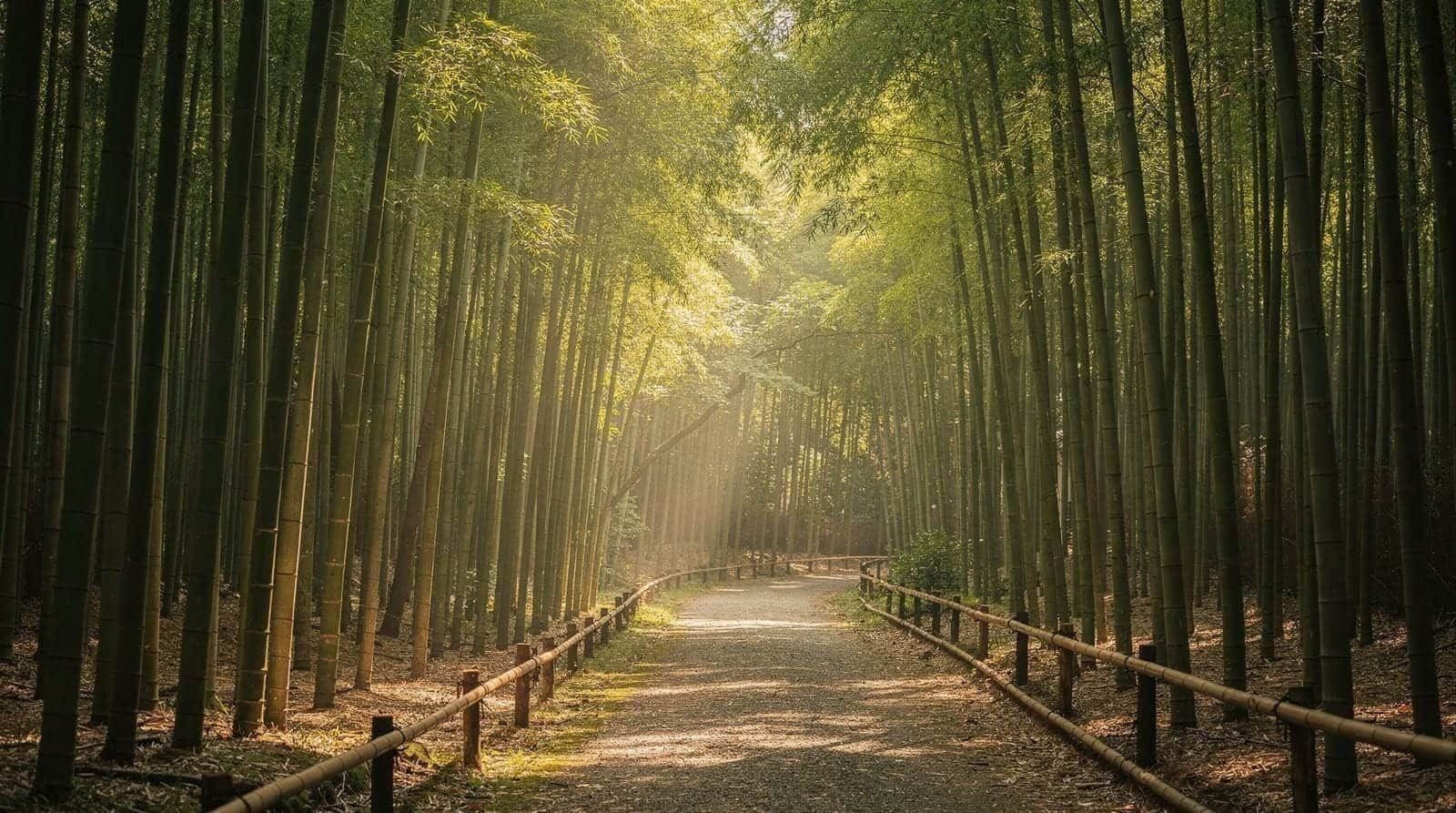
Rain in Osaka rarely cancels a day’s plans outright — the city’s covered shopping arcades and connected underground concourses beneath Umeda and Namba stations mean a significant share of shopping and dining can continue comfortably through wet weather. Outdoor-heavy days (Osaka Castle Park, Nara Park, Arashiyama’s bamboo grove) are the ones most affected by rain, worth checking forecasts the night before and having an indoor backup (museums, department store food halls, the aquarium) ready to swap in.
Summer’s heat, by contrast, is a more consistent daily factor than any single rain forecast — outdoor activity is genuinely more comfortable scheduled for morning or early evening during July and August, with midday reserved for indoor stops or an extended lunch break, a pattern worth building into any summer itinerary regardless of specific dates.
Typhoon season specifics
Typhoon risk runs roughly August through early October, with the Wakayama coast and other exposed coastal areas facing more direct impact than central Osaka, which is generally somewhat sheltered by its bay position. A typhoon making direct landfall can disrupt train schedules (including Shinkansen services) and ferry connections for a day or two, worth building minor schedule flexibility into any trip planned during this window, particularly one involving coastal day trips to Wakayama or Shirahama. Travel insurance covering trip interruption is a reasonable consideration specifically for trips planned in this window, more so than for visits during the rest of the year.
Shoulder season sweet spots worth knowing
Beyond the widely-known cherry blossom and koyo peaks, a few less-publicized windows offer strong value: early June (before the rainy season fully sets in) combines comfortable temperatures with noticeably thinner crowds and lower prices than the surrounding spring and summer peaks. Mid-to-late October delivers similarly strong weather with crowds still below the November koyo peak.
Late February sits at the tail end of winter’s low season while occasionally offering an early hint of plum blossoms (ume), a lesser-known but still attractive bloom that precedes cherry blossoms by several weeks at select spots. None of these windows require the advance booking lead time that cherry blossom, koyo, or Golden Week demand, making them genuinely easier to plan around on shorter notice.
Matching season to specific interests beyond weather
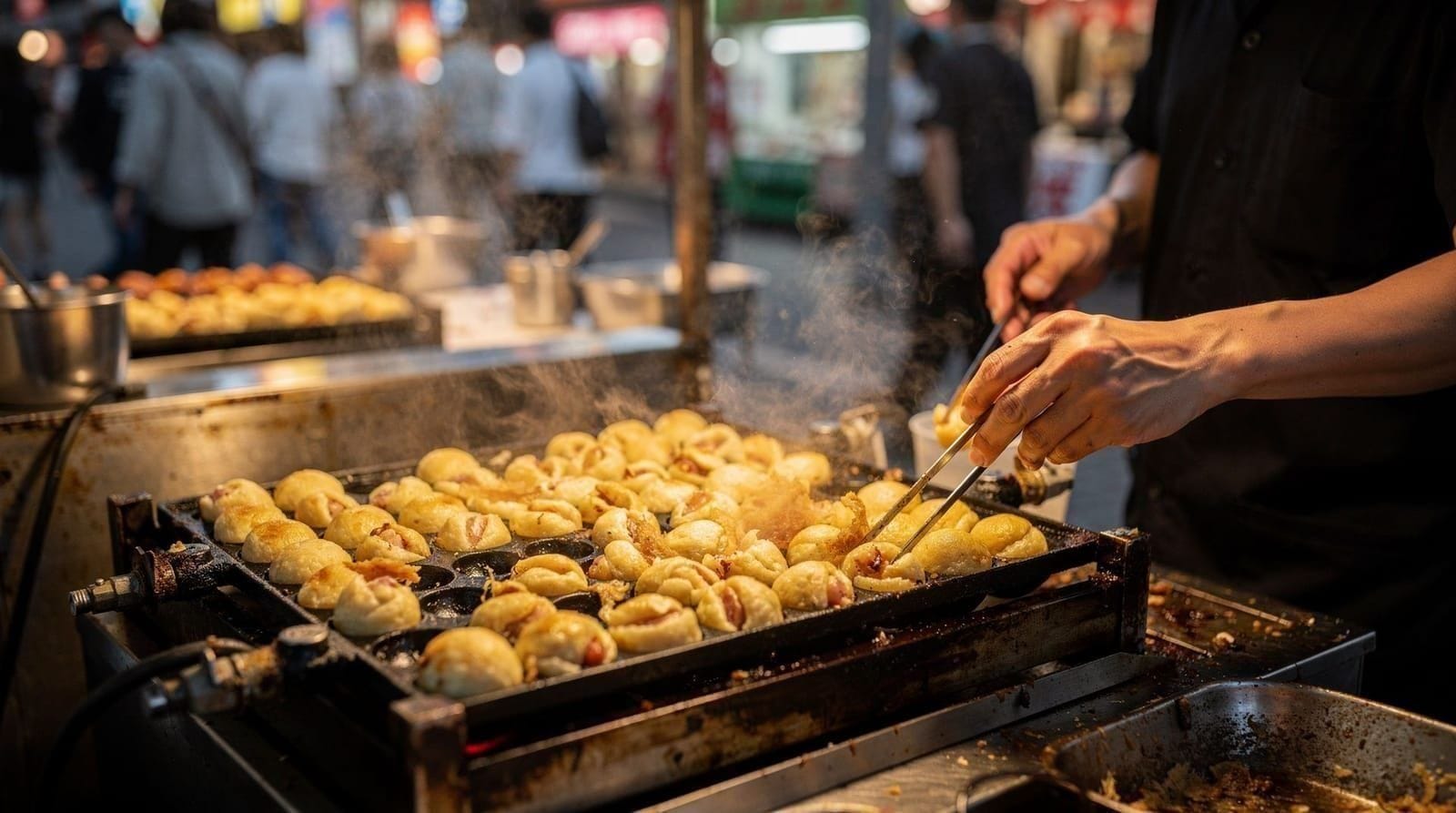
Visitors prioritizing food experiences can visit essentially any month without much seasonal penalty, since Osaka’s core food culture (takoyaki, okonomiyaki, kushikatsu) runs consistently year-round, though certain seasonal specialties (matsutake mushroom dishes in autumn, specific seafood at its peak in winter) add a modest seasonal dimension worth knowing about for food-focused travelers.
Visitors prioritizing temple and garden visits benefit most from spring or autumn’s combination of comfortable walking weather and seasonal color, though winter’s thinner crowds offer a genuine trade-off for visitors who’ve already seen the seasonal displays on a prior trip. Visitors prioritizing nightlife and food-hunting in Dotonbori or Namba see relatively little seasonal variation beyond needing warmer or cooler clothing, since most of that experience happens after dark regardless of outdoor temperature.
A quick seasonal decision guide
If choosing a single month with no other constraints: April (post-cherry-blossom, pre-Golden-Week) offers the best all-around combination of weather and moderate crowds. October offers a close second with slightly less unpredictable weather than April. February is the strongest choice for budget-focused, crowd-averse travelers willing to accept cold weather.
July is the strongest choice for travelers specifically prioritizing festival culture over comfort. Cross-reference this against the Osaka trip cost and budget guide for how each choice affects overall trip cost, and the 3-day Osaka planning guide for how seasonal timing shifts the standard itinerary’s pacing.
Day-trip destinations and their own seasonal quirks
Osaka’s day-trip destinations don’t all share Osaka’s exact seasonal profile. Koyasan, at roughly 800 meters elevation, runs noticeably colder than Osaka year-round and sees its own foliage and snow timing shift earlier than the lowland city — worth checking separately if a Koyasan trip is planned alongside a broader Osaka visit, detailed in the Koyasan temple stay guide.
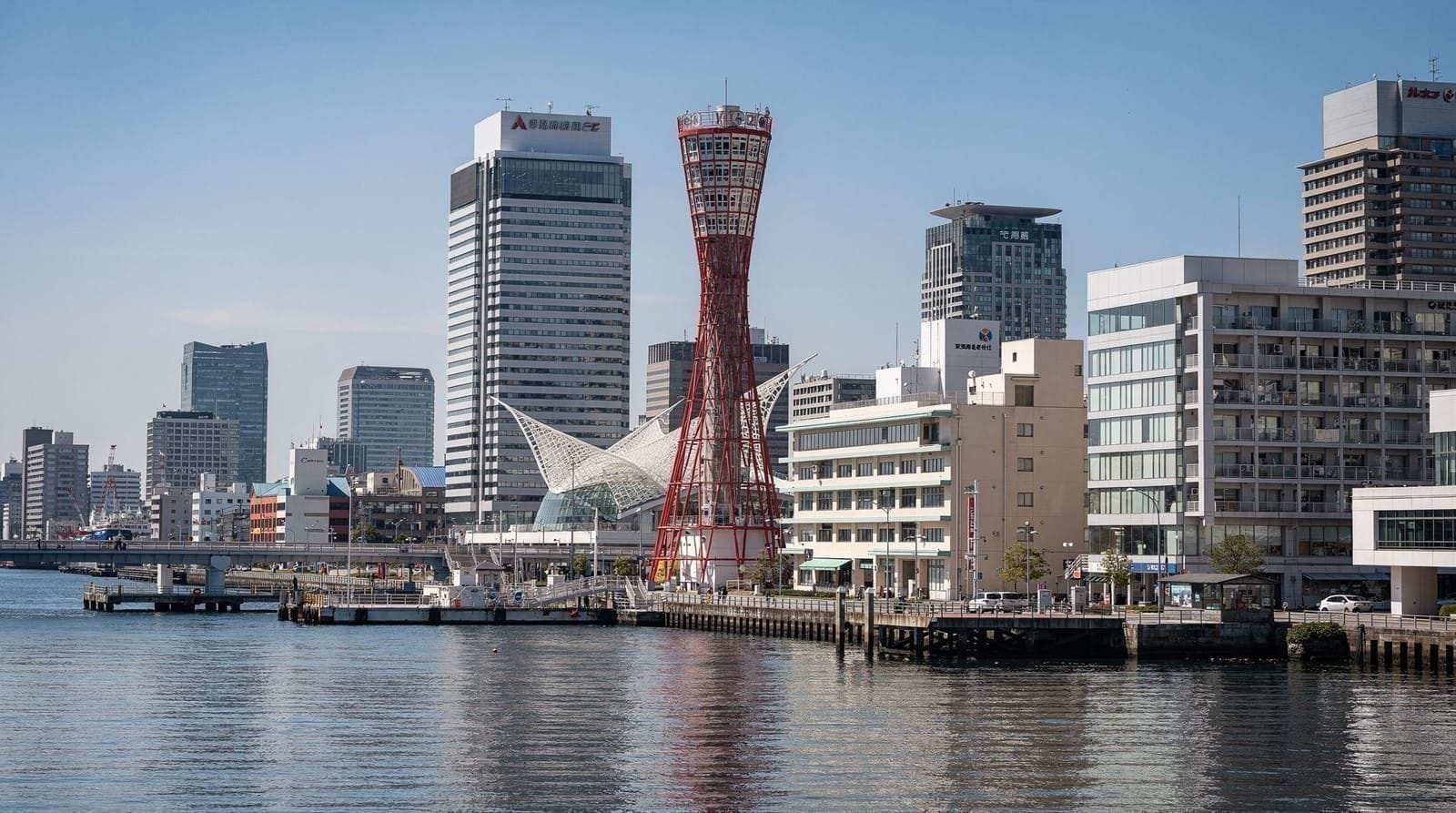
Wakayama’s coastal areas face more direct typhoon exposure than Osaka itself during the August-October window, worth extra weather-checking if a coastal day trip is planned during that period. Kobe, being coastal but more sheltered than open-ocean Wakayama, tracks close to Osaka’s own seasonal pattern, with Arima Onsen’s hot spring appeal skewing the destination toward winter popularity regardless of the broader seasonal calendar, detailed in the Osaka winter guide.
Building flexibility into a seasonally-timed trip
Because several of Osaka’s most sought-after seasonal windows (cherry blossom peak, koyo peak) are forecast rather than fixed dates, booking a trip with a few days of buffer around the projected peak — rather than a single exact date — meaningfully reduces the risk of arriving just before or after the display’s best days. For cherry blossom season specifically, a 10-12 day trip window centered on the projected peak captures the display at some stage of bloom in nearly all cases, even accounting for a forecast miss of several days in either direction, detailed further in the cherry blossom Osaka guide.
Flight prices, unlike accommodation, tend to be set further ahead and less responsive to short-notice seasonal demand shifts, so booking flights early and accommodation with slightly more flexibility (refundable or free-cancellation rates where available) is a reasonable way to hedge against a forecast that shifts closer to departure.
Revisiting Osaka in a different season
For travelers who’ve already seen Osaka once, deliberately choosing a different season on a return trip tends to reveal a genuinely different city — a first visit built around spring’s cherry blossoms and a return visit in winter, for instance, shows both the celebrated seasonal peak and the quieter, more locally-paced version of the same streets and sights.
This site’s seasonal guides — the cherry blossom Osaka guide, autumn foliage Kansai guide, Tenjin Matsuri guide, Gion Matsuri guide, and Osaka winter guide — are each built around a specific seasonal window precisely because Osaka rewards more than a single generic visit, and repeat travelers are often better served picking a season deliberately rather than defaulting to whichever window happened to fit a first trip’s available dates.
Comparing Osaka’s timing to Kyoto and Nara
Because most Osaka-based itineraries fold in day trips to Kyoto and Nara, it’s worth knowing their seasonal patterns don’t track Osaka’s exactly. Kyoto’s cherry blossom and koyo crowds run noticeably heavier than Osaka’s own, since the city concentrates a much higher density of famous temple gardens built specifically around seasonal viewing — a cherry blossom week day trip to Arashiyama or the Philosopher’s Path will feel considerably busier than the equivalent week in Osaka Castle Park.
Nara’s deer park and temple grounds see a milder seasonal crowd swing than Kyoto’s headline spots, making it a slightly calmer alternative during peak sakura or koyo weeks if a quieter day trip is the priority. Practically, this means a trip timed around Kyoto’s cherry blossoms or foliage should expect the busiest days of the entire visit to fall on Kyoto day-trip days specifically, not on days spent in Osaka itself. Himeji and Kobe, by contrast, see a comparatively gentler seasonal crowd swing than either Osaka or Kyoto — worth keeping in mind for travelers wanting a day trip that avoids peak-season congestion without sacrificing a change of scenery from the city itself.
How airfare timing interacts with seasonal demand
Flight prices into Kansai International Airport respond to seasonal demand on a slower, more predictable curve than hotel rates do — fares for cherry blossom or koyo season windows typically start rising 3-4 months out and are often close to locked in by 6-8 weeks before departure, whereas hotel pricing can still shift meaningfully inside that same window as specific dates sell out.
This means the highest-leverage single booking decision for a seasonally-timed trip is usually flights, not hotels: locking in air travel early protects against the steepest price increases, while accommodation can reasonably be booked slightly later (with free-cancellation rates where available) to preserve flexibility if a foliage or bloom forecast shifts. Budget carriers serving Kansai from other Asian hubs see the sharpest seasonal swings, sometimes 2-3x between low and peak season, more pronounced than the typically steadier long-haul routes from Europe or North America.
Frequently asked questions about Best time to visit Osaka, month by month
What is the cheapest month to visit Osaka?
January and February consistently offer the lowest flight and hotel prices, followed by June before the summer peak — all three months see noticeably thinner crowds at major sights compared to spring or autumn.When is cherry blossom season in Osaka in 2026?
Peak bloom is projected around March 24-April 2, 2026, with full bloom typically falling around April 1 — bookings for this window should be made at least 4-6 months ahead given how quickly hotels and popular restaurants fill.Is summer a bad time to visit Osaka?
Summer (June-August) brings genuine heat and humidity (28-35°C with high humidity) plus a rainy season in mid-June and typhoon risk in August-September, but it's also when Tenjin Matsuri and other major festivals happen, making it worthwhile for visitors prioritizing events over comfort.When does it rain most in Osaka?
The tsuyu (rainy season) runs roughly mid-June through mid-July, bringing frequent, often heavy rain; outside that window, rain is less predictable but typhoon season (August-September) brings occasional intense storms, particularly affecting coastal Wakayama.Is Osaka worth visiting in winter?
Yes — December through February brings the thinnest crowds and lowest prices of the year, cold but rarely severe weather, plus winter illuminations and New Year traditions, though outdoor sightseeing days need to account for shorter daylight hours.What month has the best weather in Osaka?
October and November typically offer the most comfortable combination of mild temperatures, low rain probability, and clear skies, alongside autumn foliage from mid-to-late November.Should I avoid Golden Week?
Late April through early May (Golden Week, Japan's cluster of national holidays) brings domestic travel at its peak — expect crowded trains, higher hotel prices, and packed major sights; it's manageable but not ideal for a first Osaka visit if avoidable.
Top experiences
Bookable activities with verified prices and instant confirmation on GetYourGuide.