Osaka trip cost and daily budget guide
Osaka: Osaka five highlights walking tour ramen lunch
How much does a trip to Osaka cost per day?
Budget travelers can get by on roughly ¥8,000-12,000 (about $55-80) per day excluding accommodation, mid-range travelers spend ¥15,000-25,000 ($100-165), and luxury travel runs ¥30,000+ ($200+). Add accommodation separately — hostels from ¥3,000/night, mid-range hotels ¥10,000-18,000, upscale hotels ¥25,000+.
Osaka is one of the more affordable major cities in Japan to travel through, and the gap between a frugal trip and a comfortable one is smaller here than in most destinations — a decent bowl of ramen costs the same ¥800-1,000 whether you’re staying in a ¥3,500 hostel bunk or a ¥30,000 hotel suite. What actually moves the needle on cost is accommodation choice, how many paid attractions you stack per day, and whether transport runs on individual tickets or a day pass. This guide breaks down real 2026 prices by category so you can build a number that matches your actual travel style rather than a generic “Japan is expensive” assumption.
| Budget/day | ¥8,000-12,000 (~$55-80), excl. accommodation |
| Mid-range/day | ¥15,000-25,000 (~$100-165), excl. accommodation |
| Hostel/night | From ¥3,000 |
| Mid-range hotel/night | ¥10,000-18,000 |
| Cash buffer | ¥10,000-15,000, 7-Eleven ATMs most reliable |
The three-tier daily budget, excluding accommodation
A budget day in Osaka — convenience store or standing-counter meals, mostly free sights (temples, parks, walking neighborhoods), public transit on a day pass — runs roughly ¥8,000-12,000 ($55-80) per person. A mid-range day — sit-down restaurant meals, one or two paid attractions or a half-day tour, taxis occasionally — runs ¥15,000-25,000 ($100-165). A luxury day — kaiseki dinners, private guided tours, taxis as default transport — runs ¥30,000+ ($200+). These figures cover food, local transport, and activities only; accommodation is a separate line covered below, and it’s the single biggest swing factor in total trip cost.
Accommodation costs by tier
Capsule hotels and hostel dorms in central Osaka (Namba, Umeda, Shinsaibashi) run ¥3,000-5,000 ($20-35) per night, a legitimate option even for travelers who wouldn’t normally consider hostels — Japanese capsule hotels are clean, quiet, and often better maintained than budget hotels elsewhere. Business hotels (the mid-range default — small but functional private rooms, chains like APA, Toyoko Inn, Dormy Inn) run ¥8,000-15,000 ($55-100) per night for a single or double.
Mid-to-upper hotels with more space and amenities run ¥15,000-25,000 ($100-165), and true luxury (Conrad Osaka, St. Regis, Ritz-Carlton) starts around ¥35,000 ($235) and climbs sharply from there. See the where to stay in Osaka guide for neighborhood-by-neighborhood pricing and trade-offs — Namba and Umeda command a premium over Tennoji or the outer wards for the same room quality.
Prices swing meaningfully by season: expect a 20-40% premium during cherry blossom season (late March-early April) and a smaller bump around Golden Week (late April-early May) and New Year. January, February, and June are consistently the cheapest months to book, both for flights and hotels — see the best time to visit Osaka guide for the full seasonal breakdown.
Food costs, meal by meal
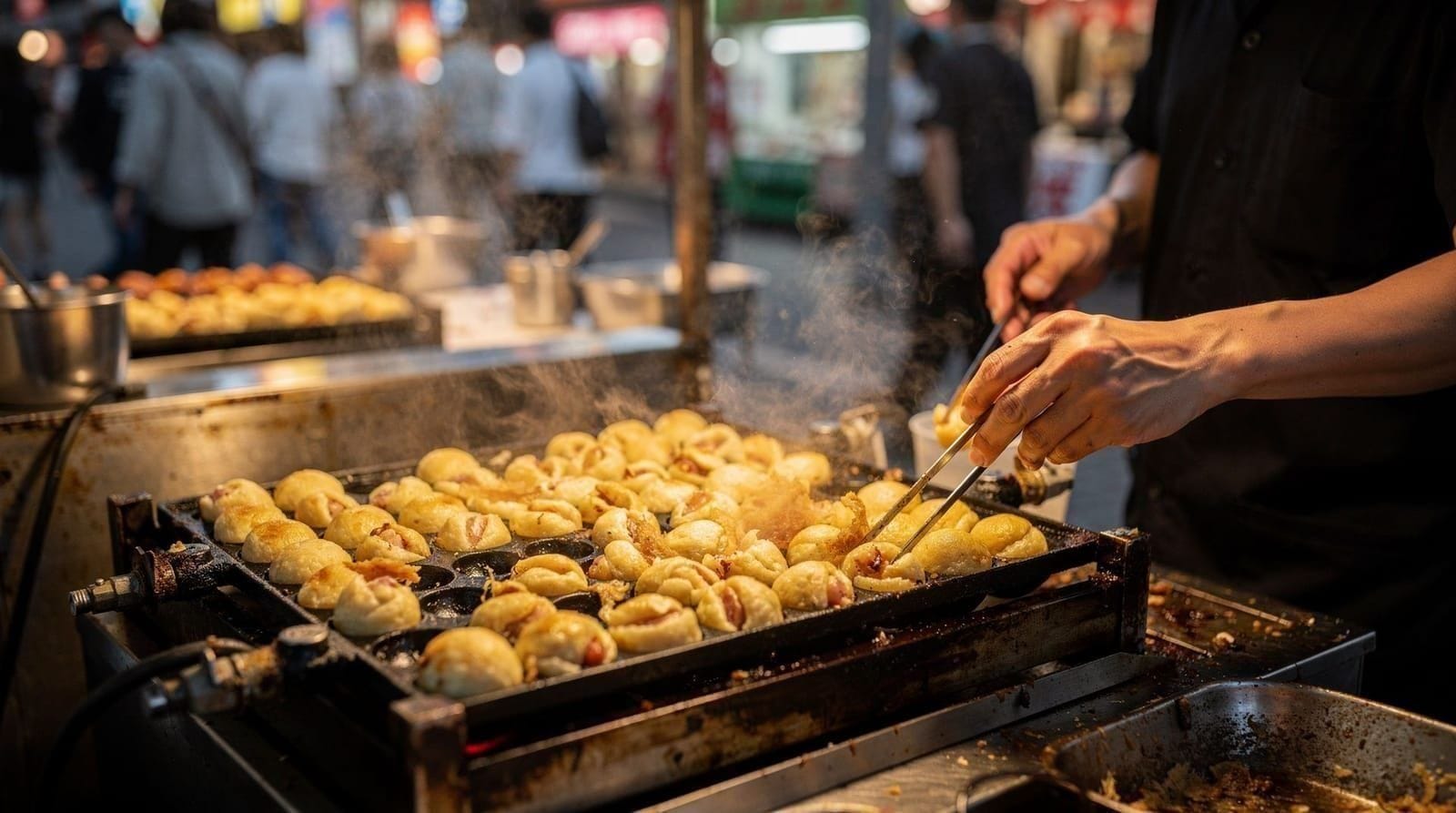
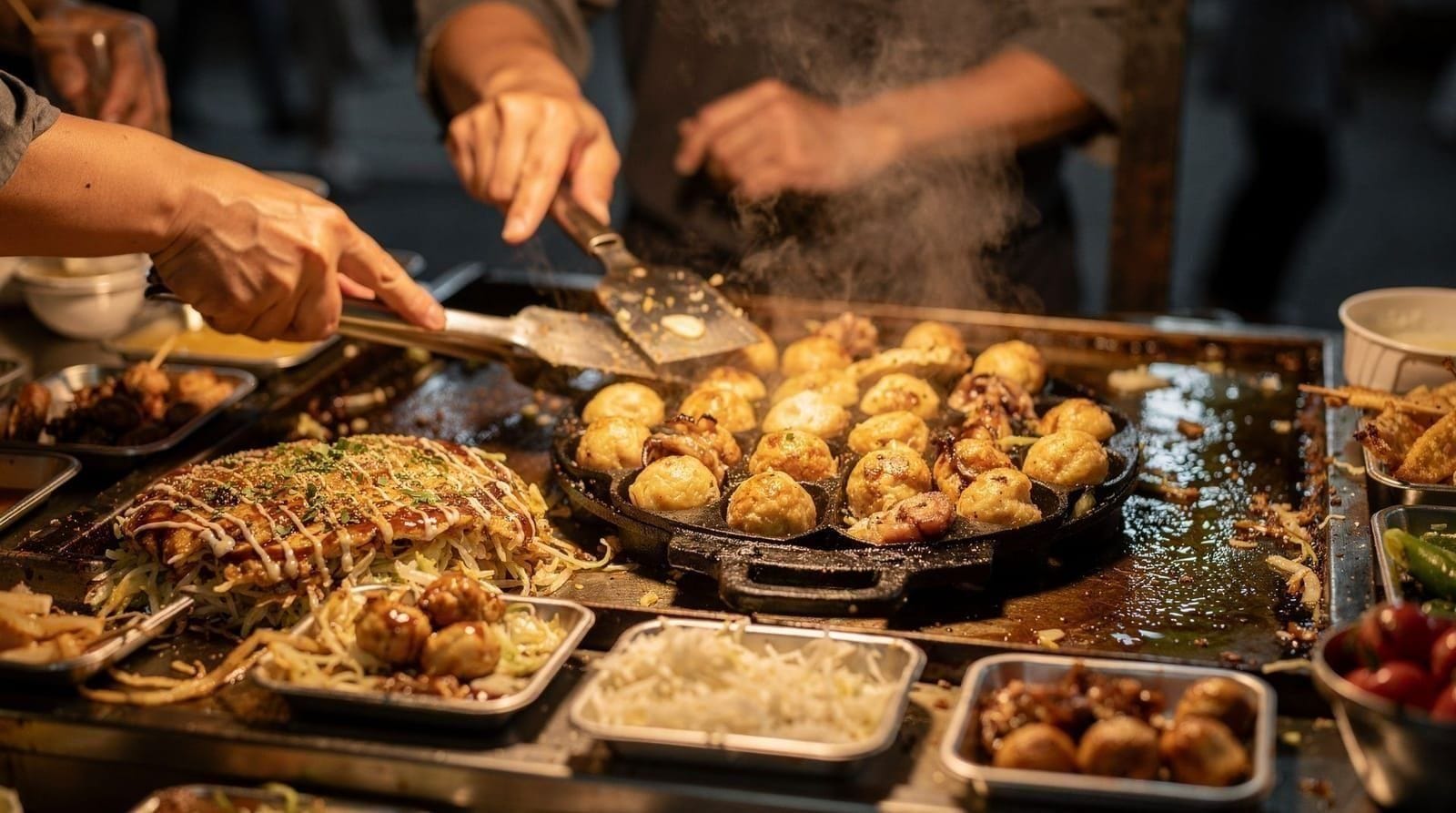
Osaka is a food city first, and eating well here doesn’t require a luxury budget. A convenience store breakfast (onigiri, coffee, a pastry) runs ¥500-800. A standing ramen or gyudon counter lunch runs ¥700-1,200. Takoyaki (6-8 pieces) from a street stall runs ¥500-700, and a full okonomiyaki at a sit-down restaurant runs ¥1,000-1,800 — see the takoyaki guide and okonomiyaki guide for where to find the better versions rather than the tourist-trap stalls right outside Dotonbori’s main bridge.
A mid-range dinner (izakaya, a proper ramen shop, a casual sushi counter) runs ¥1,500-3,000 per person with a drink. Osaka’s reputation for a Michelin-quality meal at a non-Michelin price is genuinely earned — the Osaka Michelin affordable guide covers Bib Gourmand picks that run ¥3,000-6,000 for food that would cost triple in most other major cities.
Kobe beef, if it’s on the list, is the one category where budget assumptions break down — a proper Kobe beef dinner runs ¥8,000-25,000 depending on cut and restaurant tier, detailed in the Kobe beef guide.
Kuromon Market food tour, 6 stops bundles several meal-equivalent tastings into one outing, often working out cheaper per calorie than assembling the same stops independently while adding context on what you’re eating.
Transport costs
Osaka’s subway and JR network charges by distance, with single rides typically ¥180-330 within the city. Two passes are worth understanding before arrival: the Osaka Amazing Pass (¥2,800-3,300 for one day, ¥5,000 for two) bundles unlimited subway/bus travel with free entry to over 35 attractions, including Osaka Castle’s main keep and the Umeda Sky Building observatory — genuinely good value if you’re hitting three or more paid sights in a day.
The ICOCA card (a rechargeable IC card, ¥2,000 initial with ¥1,500 usable credit) is the simplest option for casual multi-day use across trains, subways, buses, and even vending machines and convenience stores, without needing to calculate individual fares. For day trips, the JR Kansai Area Pass (around ¥2,800 for one day) covers JR trains to Kyoto, Nara, Kobe, and Himeji, though it’s only worthwhile if you’re taking more than one day-trip leg that day — a single Osaka-Kyoto round trip on regular tickets runs about ¥1,000-1,200 without a pass.
From Kansai Airport (KIX) into central Osaka, the Haruka express runs roughly ¥2,300-3,600 one-way depending on destination station and ticket type (75 minutes), while the slower Nankai Airport Express to Namba runs about ¥930 (roughly 45 minutes) — a meaningfully cheaper option if you’re not in a rush and staying near Namba.
Attraction and activity costs
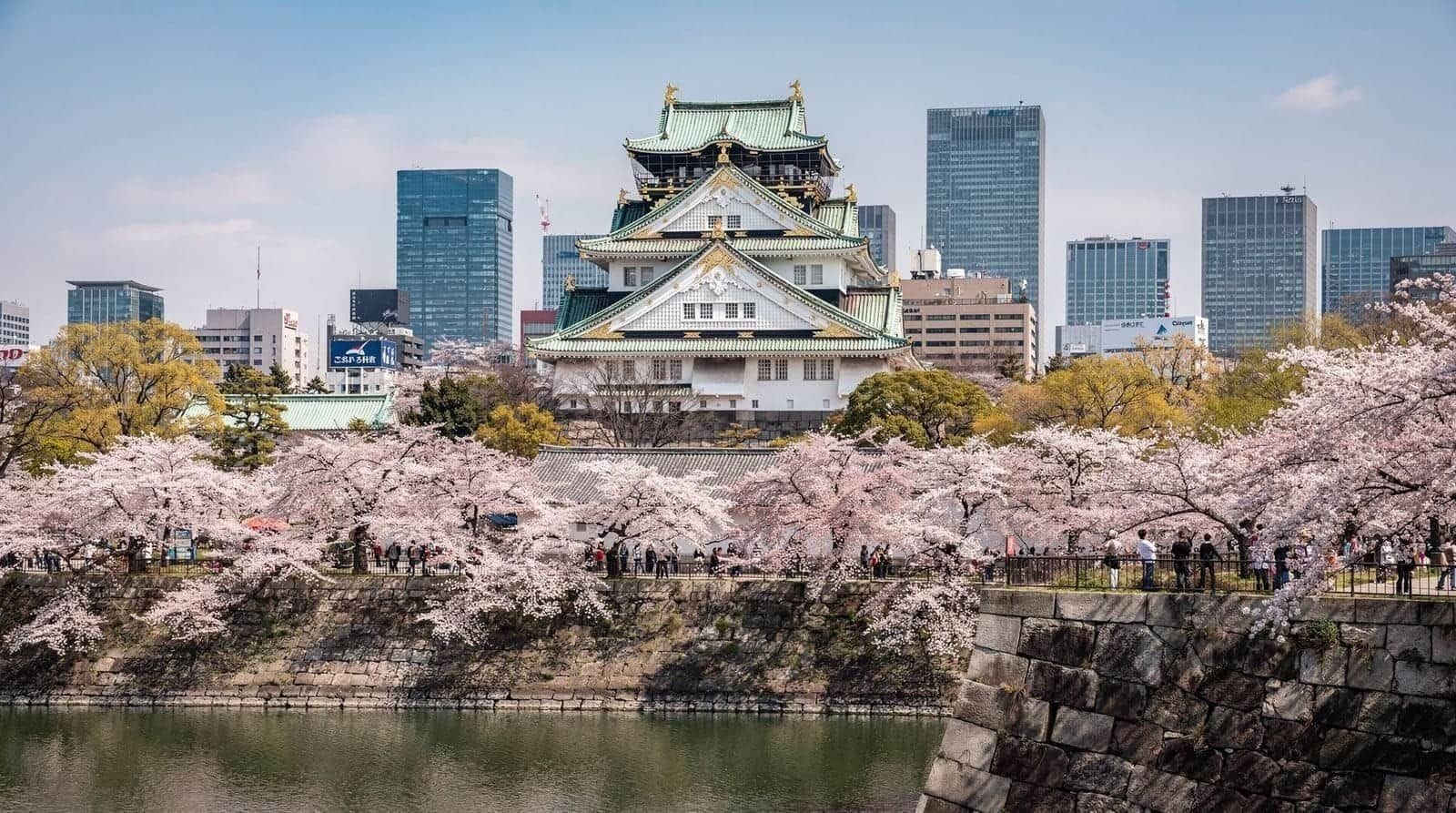
Osaka Castle’s main keep costs ¥600 for adults (often included free with the Amazing Pass). Universal Studios Japan runs ¥8,600-9,400 for a one-day pass depending on season and demand pricing, with express passes adding ¥5,000-10,000+ on top for shorter queue times — a significant single-day expense worth budgeting separately if USJ is on the itinerary. The Umeda Sky Building observatory runs ¥2,000. Museum and shrine entries mostly run ¥300-800; several major shrines (Sumiyoshi Taisha, most of Osaka’s temple district) are free to enter, with only specific inner sanctums or treasure halls charging separately.
Osaka five highlights walking tour with ramen lunch runs around half a day and covers several sights plus a meal in one fixed price, often cheaper and more efficient than assembling entries, a guide, and lunch separately, particularly for first-time visitors unsure which sights are worth paying for individually.
Day trip costs from Osaka
Day trips add transport as the main variable cost. Kyoto round trip runs ¥1,000-2,400 depending on train type, with most sights free or ¥300-600 to enter (Kinkaku-ji is ¥500, Fushimi Inari is free). Nara round trip runs ¥900-1,700, and Nara Park itself is free (deer crackers to feed them run ¥200 per pack). Kobe round trip runs ¥600-1,100.
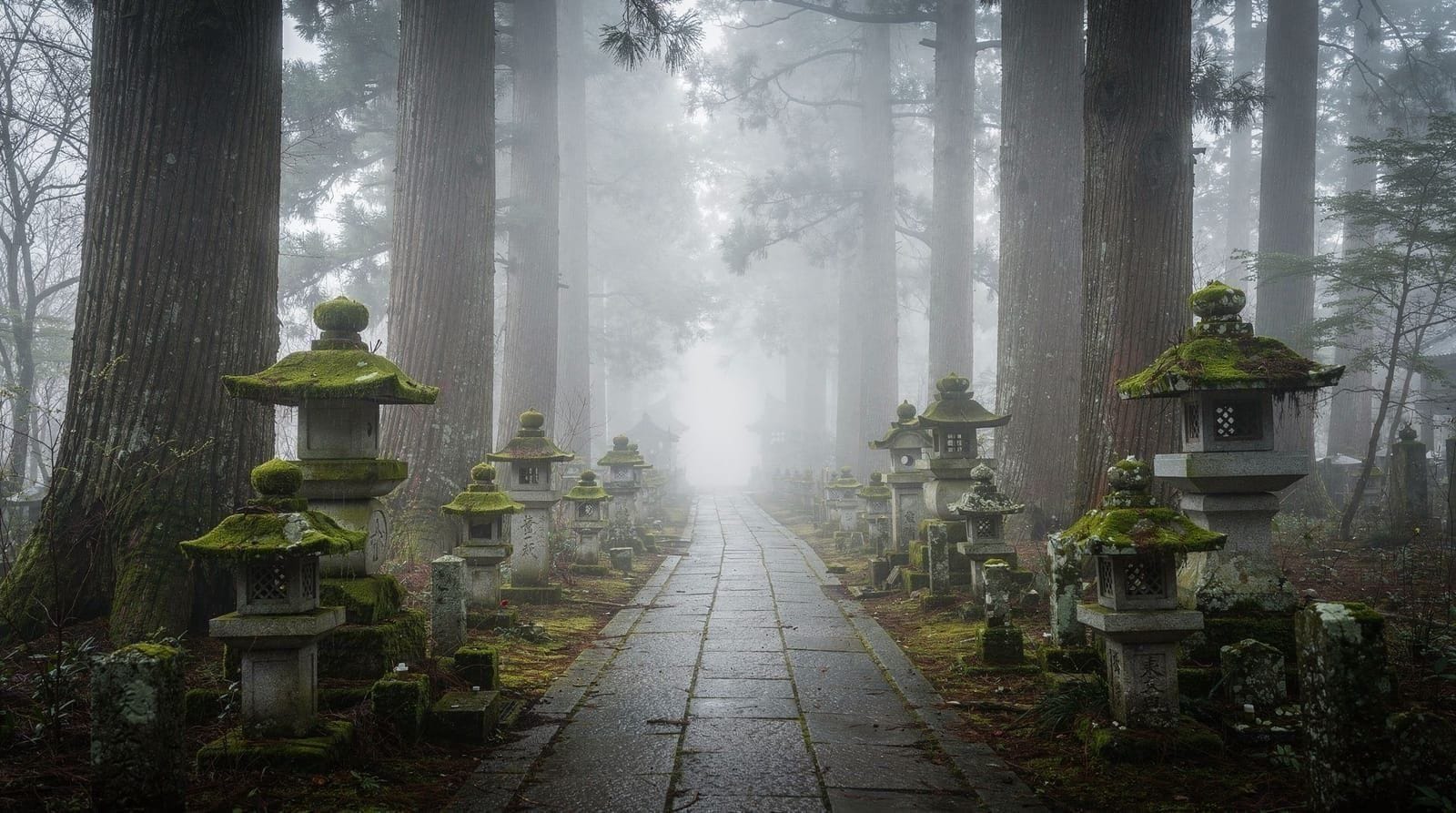
Himeji round trip runs ¥2,400-3,400 with castle entry at ¥1,000. Koyasan, the most expensive and time-consuming day trip, runs roughly ¥2,800-3,600 round trip via the World Heritage Ticket (which bundles train, cable car, and local bus) — worth booking as an overnight temple stay instead given the 2-hour transit each way, covered in the Koyasan temple stay guide.
Osaka one-day castle, temples and ukiyo-e walking tour is a reasonable full-day alternative to a day trip if you’d rather go deeper on Osaka itself before spending transit time and budget on Kyoto or Nara.
A sample 3-day mid-range budget
For a mid-range 3-day trip: accommodation (¥12,000/night × 3 = ¥36,000), food (¥3,000/day × 3 = ¥9,000), transport including one day-trip pass (¥1,200/day × 3 = ¥3,600), and activities (one guided tour + castle entry + one museum, roughly ¥8,000-10,000) totals ¥57,000-59,000 (~$385-395) per person for three days, excluding flights. The 3-day Osaka planning guide lays out exactly how that time breaks down by neighborhood and day.
Where the money actually goes wrong
The most common budget overrun isn’t a single expensive purchase — it’s compounding small conveniences: taxis instead of the subway when tired, bottled drinks from vending machines instead of a reusable bottle, and paying full individual entry fees across four or five attractions in a day when a pass would have covered the same ground for less. The second most common overrun is underestimating USJ and its express passes as a single expense that can eat an entire day’s mid-range budget on its own.
Building those two categories into the plan upfront, rather than treating them as incidentals, keeps a trip closer to its planned total. Use the Kansai budget calculator to model your own trip length and travel style against these categories, and the JPY currency converter to check live rates before departure — the ¥100-110/USD range used throughout this site’s pricing shifts with exchange rates, and a stronger yen against your home currency changes these numbers meaningfully.
Cash versus card
Japan has moved further toward card acceptance in the past few years, but cash is still relevant, particularly at smaller izakaya, older shops, and some temple/shrine ticket counters. 7-Eleven ATMs reliably accept foreign cards for cash withdrawal (most other convenience store ATMs are hit-or-miss with international cards), and carrying ¥10,000-15,000 in cash alongside a card is a reasonable buffer for a multi-day Osaka stretch — enough for small purchases and a fallback without carrying an unnecessarily large amount.
For broader first-trip logistics beyond money, the Osaka travel tips for first-time visitors guide covers SIM cards, etiquette, and other practical basics worth sorting before arrival.
Family budgets
Traveling with kids doesn’t scale linearly — most attractions charge reduced child rates (typically 50-60% of adult price), and family-friendly activities like the Osaka Aquarium or kids’ cooking classes often bundle better value per person than adult-focused guided tours. Budget an extra ¥2,000-4,000 per child per day on top of the adult mid-range figure above, accounting for reduced-rate tickets, snacks, and the inevitable souvenir stop, and see the Kansai family attractions guide for a fuller rundown of what’s worth the money with kids in tow.
Frequently asked questions about Osaka trip costs
Is Osaka cheaper than Tokyo?
Generally yes, by a modest but real margin — accommodation and dining both run 10-20% lower on average in Osaka than in central Tokyo for comparable quality, though the gap has narrowed in recent years as Osaka’s tourism profile has risen.
How much cash should I carry per day?
¥3,000-5,000 in loose cash covers most daily incidentals (small food stalls, some shrine fees, coin lockers) even if most purchases go on card — carrying more than that as walking-around cash isn’t necessary given ATM access.
Is the Osaka Amazing Pass worth it?
Yes, if you’re planning three or more paid attractions plus unlimited subway travel in a single day; if you’re mostly walking between free sights and eating rather than sightseeing hard, a standard ICOCA card works out cheaper.
What’s the biggest hidden cost first-time visitors miss?
USJ express passes and Kobe beef dinners — both are optional but easy to underestimate, and either can add ¥10,000+ per person to a single day if not planned for in advance.
Do prices change much by season?
Accommodation swings 20-40% between low season (Jan/Feb/June) and peak season (cherry blossom, Golden Week, New Year); food and transport prices stay essentially flat year-round.
Is tipping expected in Osaka?
No — tipping isn’t part of Japanese restaurant or service culture and can occasionally cause confusion if attempted; the listed price is the price.
How much should I budget for souvenirs?
This varies widely by traveler, but ¥5,000-10,000 total for a multi-day trip covers typical souvenirs (snacks, small crafts, department store gifts) without factoring in larger purchases like kimono rentals or specialty goods.
Cultural experience costs
Beyond food and sightseeing, a handful of specific cultural experiences carry their own price tiers worth budgeting for separately if they’re on the list. A kimono rental for a day in Kyoto runs ¥4,000-8,000 for a standard set, more if hair styling and photography add-ons are included, detailed in the kimono rental Kyoto guide.
A proper tea ceremony experience runs ¥2,500-6,000 depending on formality and setting, covered in the tea ceremony Kyoto guide. A sumo experience or show in Osaka runs ¥5,000-9,000, detailed in the sumo in Osaka guide. None of these are essential to a trip, but each is worth pricing in advance rather than discovering the cost on the spot and either overpaying or skipping an experience that was actually within budget.
Package tours versus independent budgeting
A guided half-day or full-day tour bundling transport, entry fees, and sometimes a meal into a single price often works out close to, or occasionally cheaper than, assembling the same itinerary independently once train tickets, individual entry fees, and the time cost of navigating unfamiliar routes are factored in — particularly for day trips to less-central destinations like Koyasan or Himeji.
The trade-off is flexibility: an independent day allows lingering at whichever stop turns out to be more interesting than expected, while a tour runs on a fixed schedule. For first-time visitors uncertain about navigating Japan’s rail system, the price premium (if any) of a guided option is often worth paying simply for the reduced planning overhead, at least for one or two days of a longer trip.
Currency exchange and card fees
Withdrawing cash from a 7-Eleven ATM on a foreign debit or credit card typically carries a flat fee (often ¥110-220 per withdrawal) plus whatever your home bank charges for foreign ATM use — withdrawing larger amounts less frequently reduces the cumulative fee burden compared to frequent small withdrawals.
Airport currency exchange counters generally offer worse rates than ATM withdrawals once fees are accounted for, worth avoiding beyond a small initial amount for immediate needs on arrival. Credit cards with no foreign transaction fee are increasingly accepted even at smaller Osaka restaurants and shops, and using one for larger purchases (accommodation, guided tours, department store shopping) while reserving cash for smaller daily transactions tends to minimize total fees across a trip.
A sample cost table by trip length
For a solo mid-range traveler: a 2-day trip runs roughly ¥40,000-48,000 total (accommodation, food, transport, one paid attraction or tour), a 3-day trip runs ¥57,000-65,000 as detailed above, and a 5-day trip including one additional day trip and a slightly more generous activity budget runs roughly ¥95,000-115,000.
These figures scale down meaningfully for budget travelers using hostel accommodation and convenience-store meals, and up for luxury travelers prioritizing Kobe beef dinners, upscale hotels, and private guided tours throughout. Two travelers sharing a hotel room reduce the per-person accommodation cost substantially, since most Osaka hotel rooms price by room rather than strictly per occupant, making group or couple travel meaningfully cheaper per person than solo travel for the accommodation line specifically.
Shopping and department store costs
Osaka’s department stores (Hankyu Umeda, Daimaru Shinsaibashi, Takashimaya Namba) offer duty-free shopping for tourists on qualifying purchases, generally an 8-10% savings on the consumption tax for single-receipt purchases over a set minimum (typically ¥5,000) — worth asking about at the counter and bringing a passport, since it isn’t applied automatically. Department store basement food halls (depachika) offer a genuinely good, if slightly pricier than street-level, food option — pre-made bento boxes run ¥800-2,000 and make a solid, high-quality lunch or dinner option without committing to a sit-down restaurant.
Free and near-free things worth building into any budget
Several of Osaka’s most memorable stops cost nothing beyond transport: walking Dotonbori’s neon canal-front at night, Osaka Castle’s outer grounds and moat (only the tower interior charges admission), Sumiyoshi Taisha’s shrine grounds and drum bridge (see the Sumiyoshi Taisha guide), and browsing Kuromon Ichiba Market’s stalls without buying at every stop. Building two or three free stops into every paid-attraction day is a genuinely effective way to keep a daily average down without feeling like the trip is being cut short, and it works especially well on days already anchored by a single bigger expense like USJ or a Kobe day trip.
Two travelers versus solo, and how it changes the math
Traveling as a couple or pair rather than solo cuts the accommodation line meaningfully, since most Osaka hotel rooms price per room rather than per person — a ¥12,000/night mid-range room works out to ¥6,000 per person for two travelers, versus the full ¥12,000 for someone traveling alone. Food and activity costs scale close to linearly per person, but guided tours and private transfers, priced per group rather than per head for smaller parties, often become noticeably better value once split three or four ways. Solo travelers can offset some of this gap by leaning harder on hostel dorms and convenience-store meals, categories where the per-person cost gap versus group travel is smallest.
What a week-long trip costs, roughly
Extending the earlier 3-day sample budget to a full week: a mid-range solo traveler spending ¥12,000/night on accommodation, ¥3,000/day on food, ¥1,200/day on transport, and roughly ¥15,000-20,000 total on activities and one or two day trips lands around ¥135,000-145,000 (~$900-970) for seven days, excluding international flights.
Budget travelers using hostels and skipping guided tours can bring a comparable week down to roughly ¥75,000-90,000, while a trip built around Kobe beef dinners, private guides, and upscale hotels throughout can run ¥250,000 or more for the same length. The 3-day Osaka planning guide and Kansai 5-day itinerary both give a sense of how a longer stay’s daily rhythm changes once day trips to Kyoto, Nara, or Kobe enter the mix.
Top experiences
Bookable activities with verified prices and instant confirmation on GetYourGuide.