Osaka with kids
Osaka: Osaka teamLab botanical garden ticket
What's the best area of Osaka to base a family trip?
Namba or Umeda, both central and well-connected by subway to Osaka Bay's USJ and Kaiyukan, central Osaka's castle and food districts, and the Kansai Airport express line — reducing daily transit time for a group traveling with children and, often, a stroller or luggage.
Osaka’s reputation as Japan’s food city and its castle-and-neon skyline aren’t obviously kid-focused, but the city works better with children than its marketing suggests — a genuine cluster of interactive, hands-on attractions sits alongside the food and history, and Osaka’s overall pace is more forgiving of a slower family schedule than Kyoto’s temple-dense itinerary tends to be. This guide focuses on what actually works with kids in Osaka specifically, separate from the region’s bigger family draws (Universal Studios Japan and Nara’s deer park), which get their own dedicated guides.
| Best base | Namba or Umeda |
| Top rainy-day pick | LEGOLAND Discovery Center |
| Best evening activity | TeamLab Botanical Garden (later slots) |
| Stroller access | Good in central Osaka, tighter in old arcades |
| Nap-friendly pacing | Avoid stacking two high-stimulation stops back to back |
Where to base a family trip
Namba or Umeda work best as a base — both are central, well-connected by subway to Osaka Bay (USJ, Kaiyukan), central Osaka’s castle and food districts, and the Kansai Airport express line, which matters more with a family than it might for a solo traveler managing their own bags and schedule. Dotonbori’s density and neon can overwhelm very young children in the evening, when the district’s crowds and noise peak; a hotel a short walk or subway ride away, rather than directly in the middle of it, tends to work better for a family that wants to see the lights without living in them.
TeamLab Botanical Garden
TeamLab’s digital art installation inside Osaka’s Nagai Botanical Garden combines projected light and interactive digital elements with a real, plant-filled outdoor setting — a genuinely different format from the indoor-only TeamLab exhibits found in some other cities, and one that keeps children moving through a real park rather than a single darkened room. Evening visits are particularly effective, since the light installations depend on darkness for their full impact, though this pushes bedtime later for younger children, worth weighing against nap schedules.
TeamLab Botanical Garden ticket covers entry to this specific installation, distinct from any TeamLab venue elsewhere in Japan and worth booking ahead during peak evening slots, which sell out on weekends.
Cooking classes built for kids specifically
Several cooking class operators in Osaka run sessions specifically designed for children rather than adapting an adult class, typically covering bento assembly, simple sushi rolling, or dango (rice dumplings) — activities structured with enough hands-on physical involvement to hold a child’s attention through the full session, unlike a demonstration-heavy adult cooking class.
Kids cooking class: bento, sushi, and dango is built around exactly this age group, a good mid-trip activity that breaks up a schedule otherwise dominated by walking and sightseeing, and gives children something concrete to show for the day beyond photos.
LEGOLAND Discovery Center
Inside the Tempozan Marketplace near Kaiyukan Aquarium, LEGOLAND Discovery Center is an indoor attraction built entirely around LEGO — build zones, small rides, and a miniature LEGO recreation of Osaka landmarks — genuinely useful as a weather-independent backup on a rainy day, or as a lower-intensity alternative to a full USJ day for families with younger children not ready for theme-park-scale crowds and queues.
LEGOLAND Discovery Center ticket covers entry, and pairing it with a Kaiyukan Aquarium visit on the same day, given their shared location in Tempozan, is a natural half-day combination — see the Kaiyukan Aquarium guide for the full pairing.
Osaka Castle and the cup noodles museum, together
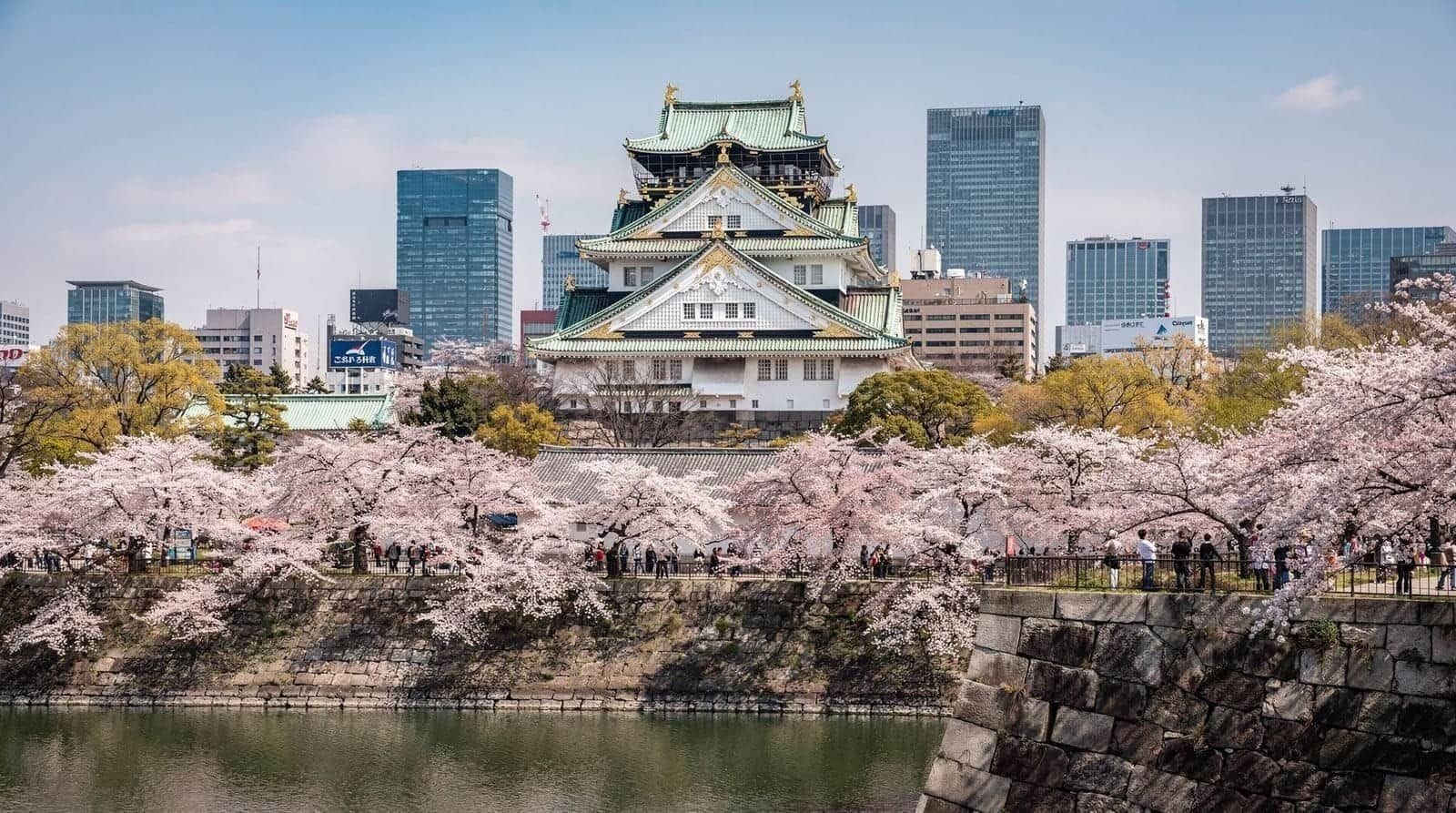
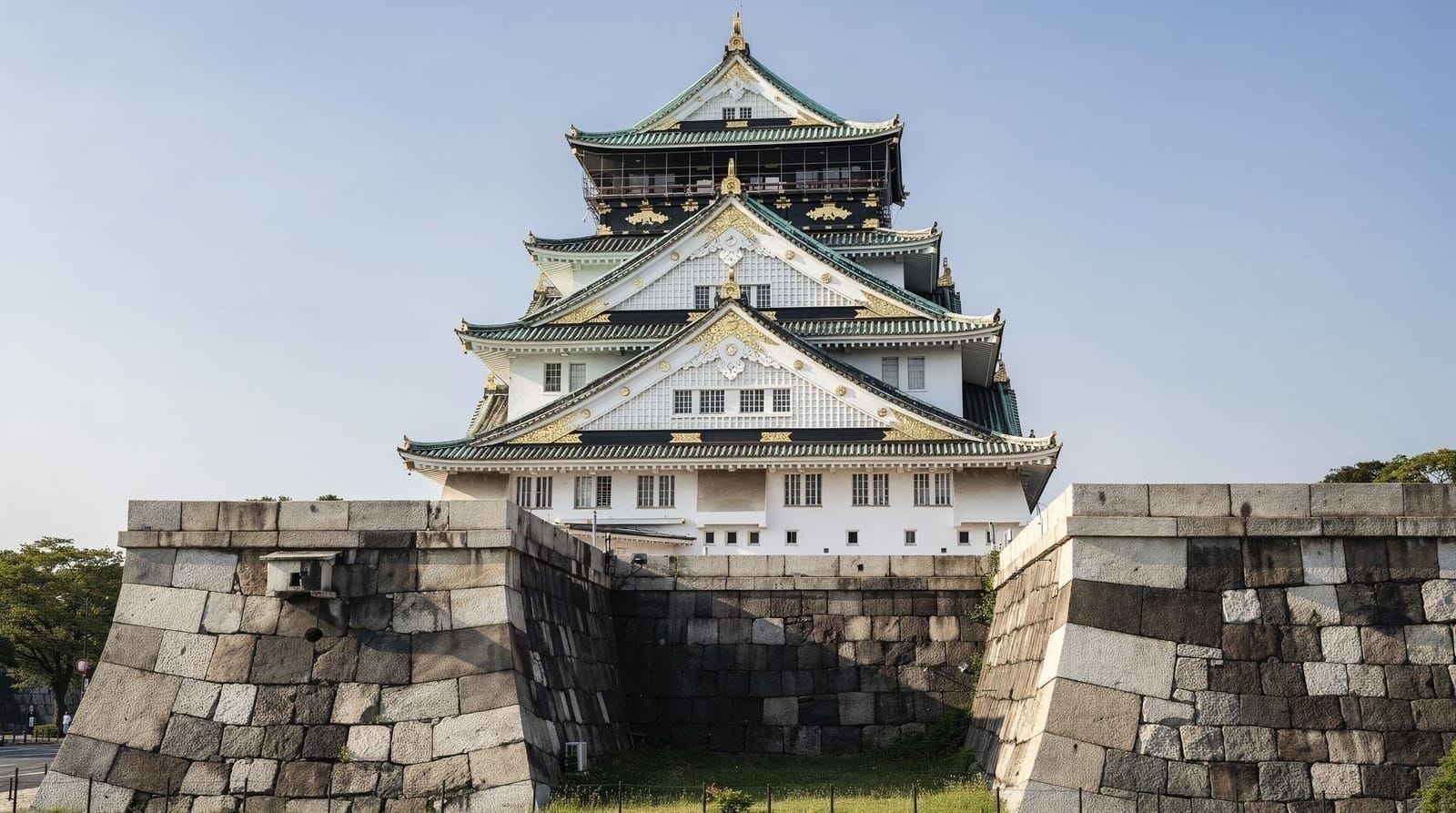
Osaka Castle’s grounds are large, flat, and easy for kids to move through, with the castle tower itself (rebuilt in 1931 with a modern elevator inside) offering a manageable climb for most ages. Nearby, the Momofuku Ando Instant Ramen Museum lets visitors design and package their own cup noodle flavor and packaging design, a genuinely hands-on activity that consistently ranks among the most popular kid-specific stops in Osaka precisely because it produces something tangible to take home.
Osaka Castle and cup noodles museum walking tour combines both stops in a single guided route, covering the castle’s history in a format aimed at holding younger attention spans before the more actively engaging noodle workshop.
Dotonbori and street food, managed for kids
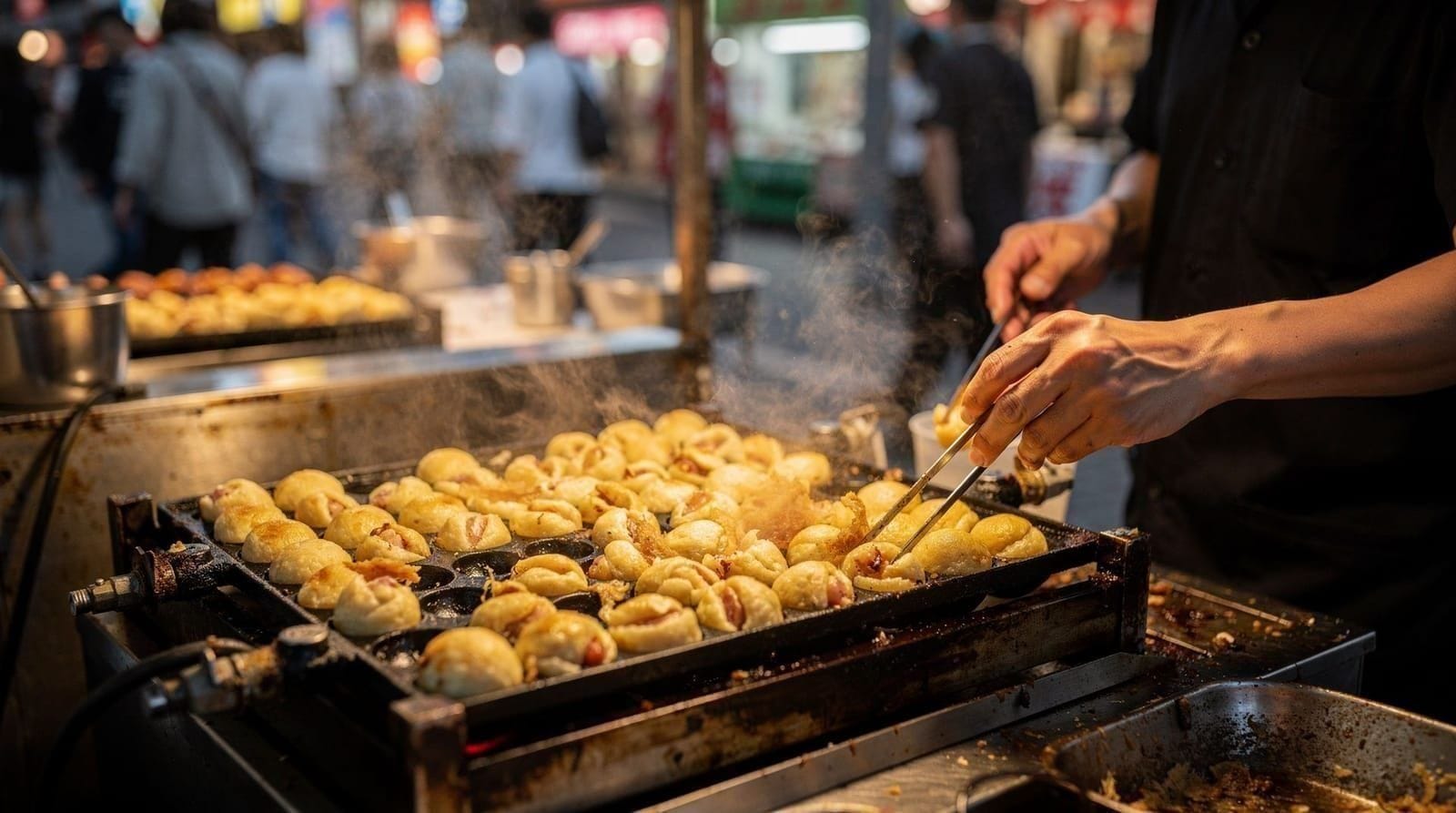
Dotonbori’s takoyaki (octopus balls) and okonomiyaki (savory pancakes) are generally kid-friendly in flavor if not always in serving temperature — both are served hot enough to need a genuine cooling pause before eating, worth warning children about in advance to avoid a burned-mouth meltdown. The district’s density and neon overload work better as an early-evening rather than late-night visit with young children, since crowd levels and noise both increase substantially after 8-9pm. For the fuller street food picture, see the Osaka street food guide, takoyaki guide, and okonomiyaki guide.
What to skip or defer with young children
Some of Osaka’s most-recommended experiences work poorly with young kids: late-evening bar-hopping districts in Namba and Umeda, formal kaiseki dining requiring extended stillness at a table, and some of the more crowded observation decks during peak sunset hours, when adult photographers dominate the best viewing spots. None of these need to be entirely avoided, but they’re better scheduled for an evening with a babysitter or after children are asleep than built into the core family itinerary.
A realistic family day in central Osaka
Morning at Osaka Castle and the cup noodles museum, lunch in Namba or Dotonbori before the evening crowd builds, an afternoon browsing shops or a cooking class, then an early-evening walk through Dotonbori’s lights before dinner and an early return to the hotel. This pacing avoids stacking two high-stimulation activities back to back (theme park plus late-night neon district, for instance), which tends to overtire younger children faster than either activity alone would.
Combining with Osaka Bay and Nara
USJ and Kaiyukan Aquarium, both covered in dedicated guides, sit a subway ride from central Osaka and are generally best treated as their own separate days rather than squeezed into a central-Osaka itinerary — see the Universal Studios Japan guide and Kaiyukan Aquarium guide for full planning. Nara’s deer park, a 35-45 minute train ride away, is a genuinely different pace of family day — outdoors, low-planning, and centered on a single simple activity (feeding deer) that works well as a change of tempo partway through a longer Osaka-based stay; see the Nara deer park family guide.
Matching attractions to age group
| Attraction | Best age | Why |
|---|---|---|
| Kaiyukan Aquarium | All ages, including toddlers | Slow-paced, dark tanks calm overtired kids |
| TeamLab Botanical Garden | 5+ (later bedtime needed) | Interactive but sensory-heavy for very young kids |
| Cup noodles museum | 6+ | Requires following multi-step instructions |
| Osaka Castle grounds | All ages | Flat, open, easy stroller access |
| LEGOLAND Discovery Center | 3-10 | Build zones scale to different skill levels |
| USJ | Varies by ride, check height limits | Some rides have strict minimum heights |
Feeding picky eaters in Osaka
Osaka’s street food skews toward flavors that travel well with children — takoyaki and okonomiyaki are both mild enough for most palates once cooled, and convenience stores stock a genuinely wide range of simple, kid-familiar options (plain rice balls, sandwiches, noodle cups) for a child unwilling to experiment on a given day.
Department store basement food halls (depachika) are a particularly useful fallback for a family with mixed preferences, since each person can choose independently from dozens of stalls rather than agreeing on a single restaurant. Family-style restaurant chains (Saizeriya, Coco Ichibanya for curry) are common throughout Namba and Umeda and offer a reliably familiar menu format for a child who needs a break from unfamiliar food.
Rainy-day and heat-wave backup plans
Osaka’s summer heat and occasional rainy stretches make an indoor backup plan worth having regardless of season — LEGOLAND Discovery Center, the Kaiyukan Aquarium, department store food halls, and the cup noodles museum all work as weather-independent options that don’t require rescheduling an entire day. Building at least one flexible half-day into a family itinerary, rather than fixing every slot to an outdoor activity, avoids the scramble of hunting for a same-day indoor alternative if weather turns unexpectedly.
Public transport with young children
Osaka’s subway network is largely stroller-friendly, with elevators at most stations, though rush hour (roughly 7:30-9am and 5:30-7:30pm on weekdays) is worth avoiding with a stroller in tow given genuinely crowded platforms and carriages during these windows. Priority seating exists on all lines and is generally respected, though asking rather than assuming a seat will be offered is the more reliable approach. For longer transfers, particularly toward USJ or the aquarium, a taxi is a reasonable splurge with very young children or a lot of luggage, since it removes the need to navigate stairs and transfers with a stroller during a tired moment.
Practical notes for traveling with kids in Osaka
Stroller access is generally good throughout central Osaka’s major sights and subway stations, most of which have elevators, though some older shopping arcade entrances and side streets in Dotonbori can be tight. Convenience stores (konbini) are dense throughout the city and reliable for quick snacks, diapers, and basic supplies at any hour. Public restrooms with baby-changing facilities are common in major train stations and shopping complexes, less so in smaller street-food-focused areas, worth planning around during a long Dotonbori stretch.
Related planning
For the region’s biggest dedicated family attractions, see Universal Studios Japan and Kaiyukan Aquarium. For a broader multi-city family itinerary across the Kansai region, the Kansai family attractions guide rounds up the best family-specific stops across Osaka, Nara, and Kobe together. The main Osaka destination page covers the city’s neighborhoods and overall trip planning beyond the family-specific angle covered here.
Frequently asked questions about Osaka
What’s the best age range for a first Osaka family trip?
There’s no strict lower limit — the aquarium and castle grounds work even for toddlers — but children around 5 and up get more out of interactive stops like TeamLab, the cup noodles museum, and cooking classes, which require some ability to follow multi-step instructions.
How many days does a family need in Osaka specifically?
Two to three days covers the core family attractions (castle, cup noodles museum, aquarium, one cooking class or LEGOLAND visit) at a comfortable pace, before adding separate dedicated days for USJ and a Nara day trip.
Top experiences
Bookable activities with verified prices and instant confirmation on GetYourGuide.