Kansai in 5 days
Kyoto: Kyoto Fushimi Inari guided walking tour
Duration: 2-3 hours
Five days is the practical minimum for seeing Osaka, Kyoto, and Nara without treating any of them as a rushed afternoon. This plan bases in Osaka the whole trip — no hotel changes — and uses the 30-minute Osaka-Kyoto and 45-minute Osaka-Nara train links to day-trip out and back. If Kobe and Himeji are also on the list, see our Greater Kansai 7-day itinerary, which adds two more days for exactly that. This plan suits first-time visitors most, though it also works well for a second trip focused specifically on going deeper into these three cities rather than adding new ones.
| Where | Osaka, Kyoto, Nara — Osaka-based throughout |
| Getting there | Kansai International Airport, Nankai Rapi:t or JR Haruka |
| Time needed | 5 days, one arrival day built in |
| Cost | Roughly ¥15,000-25,000 ($130-220)/day mid-range, excl. lodging |
| Best time | Any season; sakura/koyo add crowds and cost |
Why base in Osaka rather than split hotels
Basing in one city and day-tripping avoids repacking and re-checking into hotels partway through the trip, and Osaka has the region’s best transport hub position — Kyoto (30 min), Nara (45 min), and Kobe (30 min) are all closer from Osaka than from each other in some combinations. The tradeoff is losing Kyoto’s early mornings and late evenings, when its temples are quietest, since day-tripping means arriving after the first wave of tour groups and leaving before the evening light that photographers chase. If that matters more than convenience, consider splitting two nights into Kyoto instead, using the same day-by-day structure in reverse — the sights and pacing below work equally well approached from either direction.
How this plan differs from a rushed version of the same cities
A common mistake on a first Kansai trip is trying to see Osaka, Kyoto, and Nara in four days instead of five, which usually means compressing Kyoto into a single day and missing either Fushimi Inari or Arashiyama entirely. This plan gives Kyoto two full days specifically because its sights are spread across a genuinely large city with real transfer times between districts — Fushimi Inari and Higashiyama sit on one side, Arashiyama and northern Kyoto on the other, and trying to combine them means spending more of the day in transit than sightseeing.
Day 1: Arrival and Dotonbori
Land at Kansai International Airport, take the Nankai Rapi:t (38-45 min to Namba, ~¥1,490/$13) or JR Haruka (about 50 min to Osaka Station, ~¥2,270/$20) into the city, and check into a Namba or Dotonbori hotel for the full week — no repacking for the rest of the trip. Buy or load an ICOCA IC card at the airport station before heading into town; it covers subway, JR, and Kintetsu fares for every day trip below with a simple tap in and out.
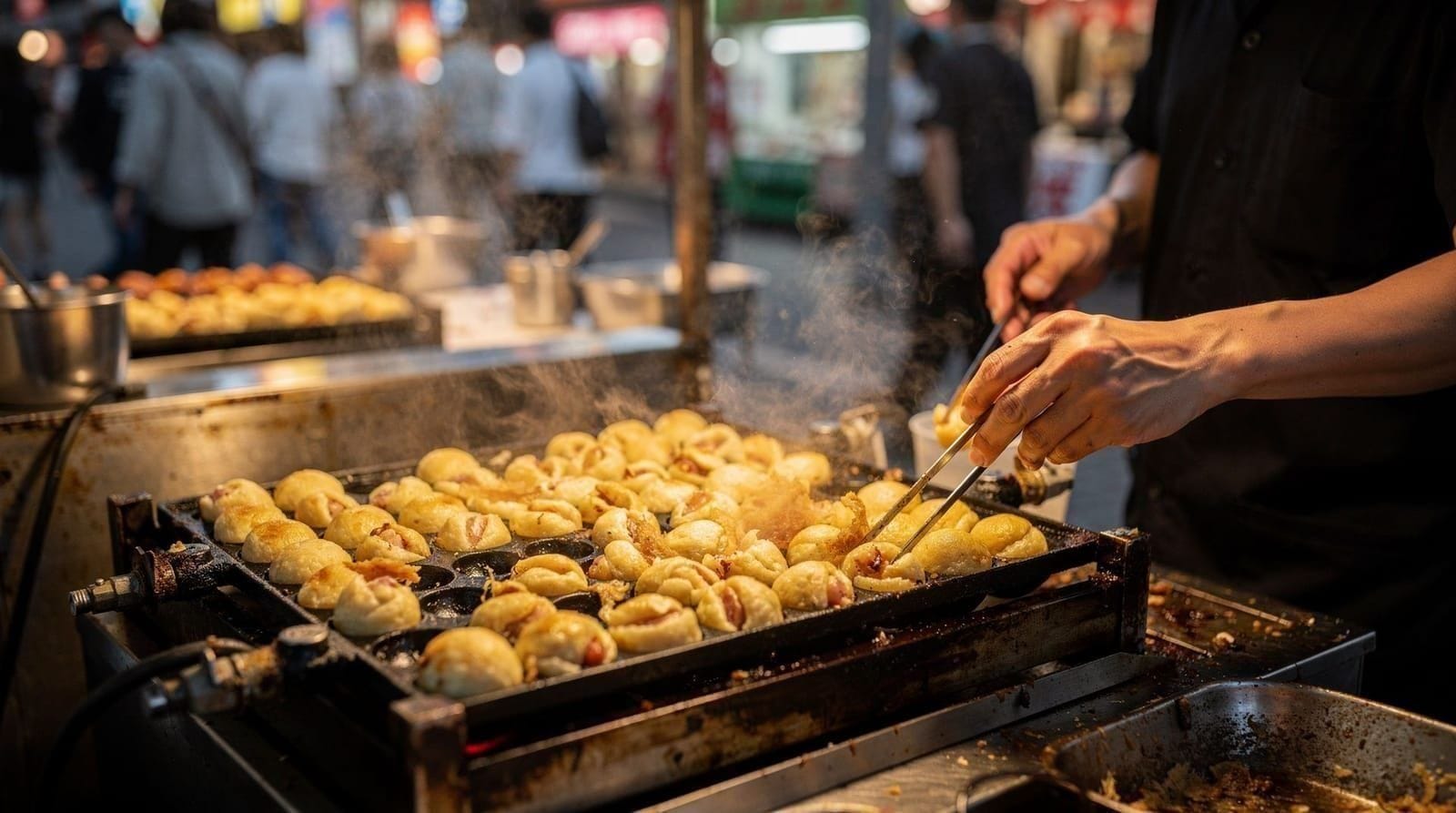
Spend the evening in Dotonbori — the canal, the Glico sign, and the quieter Hozenji Yokocho alley one block back. Eat takoyaki and okonomiyaki at street level rather than a sit-down restaurant on night one; our Dotonbori food guide and takoyaki guide name specific stalls. No sightseeing pressure — this day is for resetting after the flight, particularly on long-haul arrivals where the first evening’s alertness can be misleading.
Day 2: Osaka Castle and Shinsekai
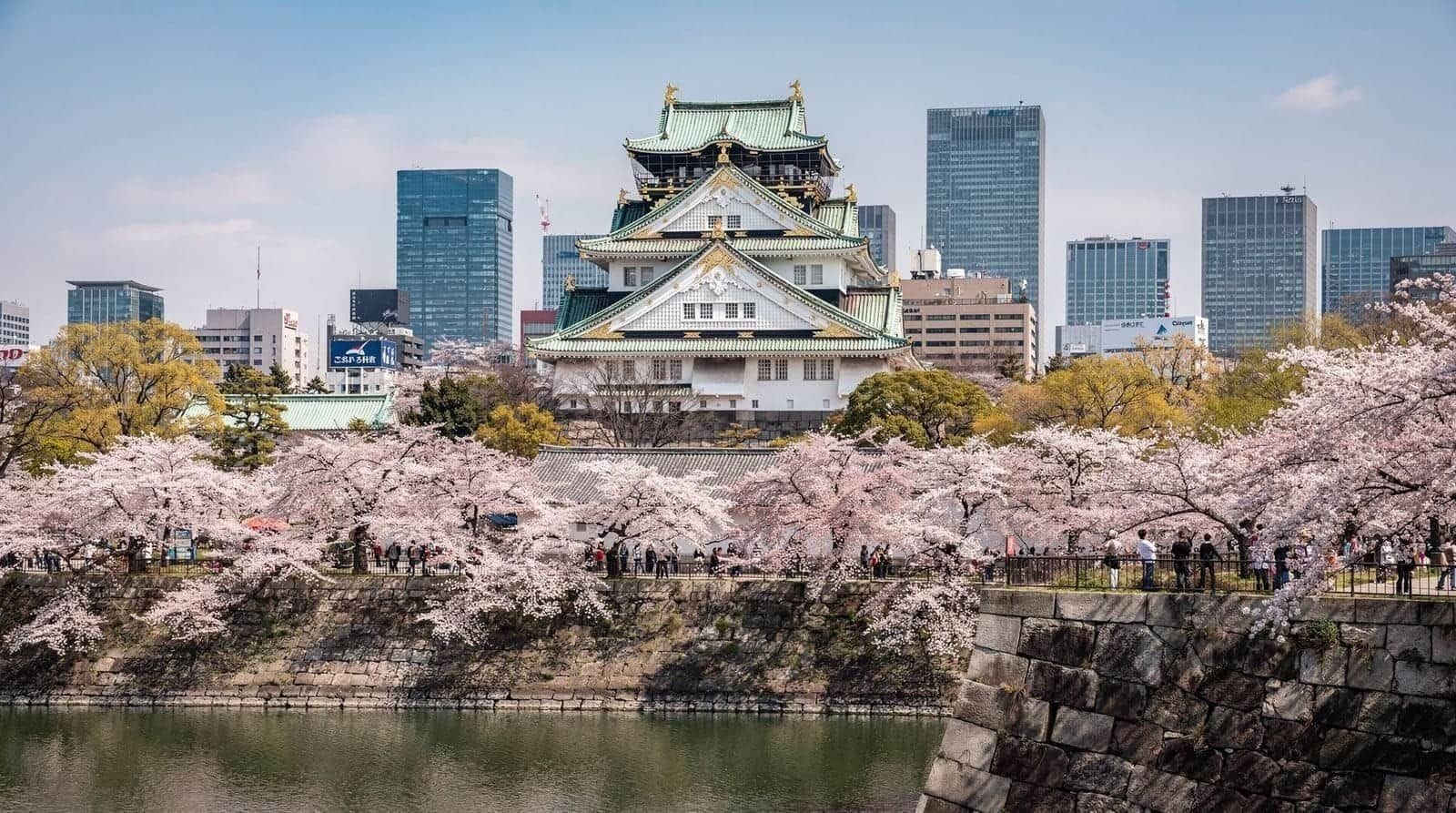
Morning — Osaka Castle Park, ideally before 10am for lighter crowds. The current tower is a 1931 concrete reconstruction functioning mainly as a museum on Toyotomi Hideyoshi’s era; a museum ticket covers the observation floor, but the moats and 12-meter stone walls are worth seeing regardless of whether you go inside. See our Osaka Castle guide and Osaka Castle walking route.
Afternoon — Subway south to Shinsekai and Tennoji: the retro Tsutenkaku Tower district, kushikatsu skewers (our kushikatsu guide covers the Daruma chain’s no-double-dipping rule), and Shitenno-ji Temple, founded 593 CE and one of Japan’s oldest Buddhist temples. This neighborhood is inexpensive and slightly rough around the edges — safe overall, but keep valuables close in the crowded covered arcades.
Evening — Kuromon Ichiba Market, a 10-minute walk from Dotonbori, for seafood skewers and a last Osaka-specific meal before Kyoto takes over the next two days. Skewers of wagyu, fresh oysters, and uni run ¥500-1,500 ($4-13) per item; our Osaka street food guide flags which stalls are worth the price versus which cater mainly to tour groups.
Day 3: Kyoto — Fushimi Inari and Higashiyama
Getting there — JR Special Rapid from Osaka Station to Kyoto Station, 28-29 minutes, about ¥580 ($5). Trains run every 10-15 minutes, so there’s no need to plan around a fixed departure, and there’s no reservation to book in advance.
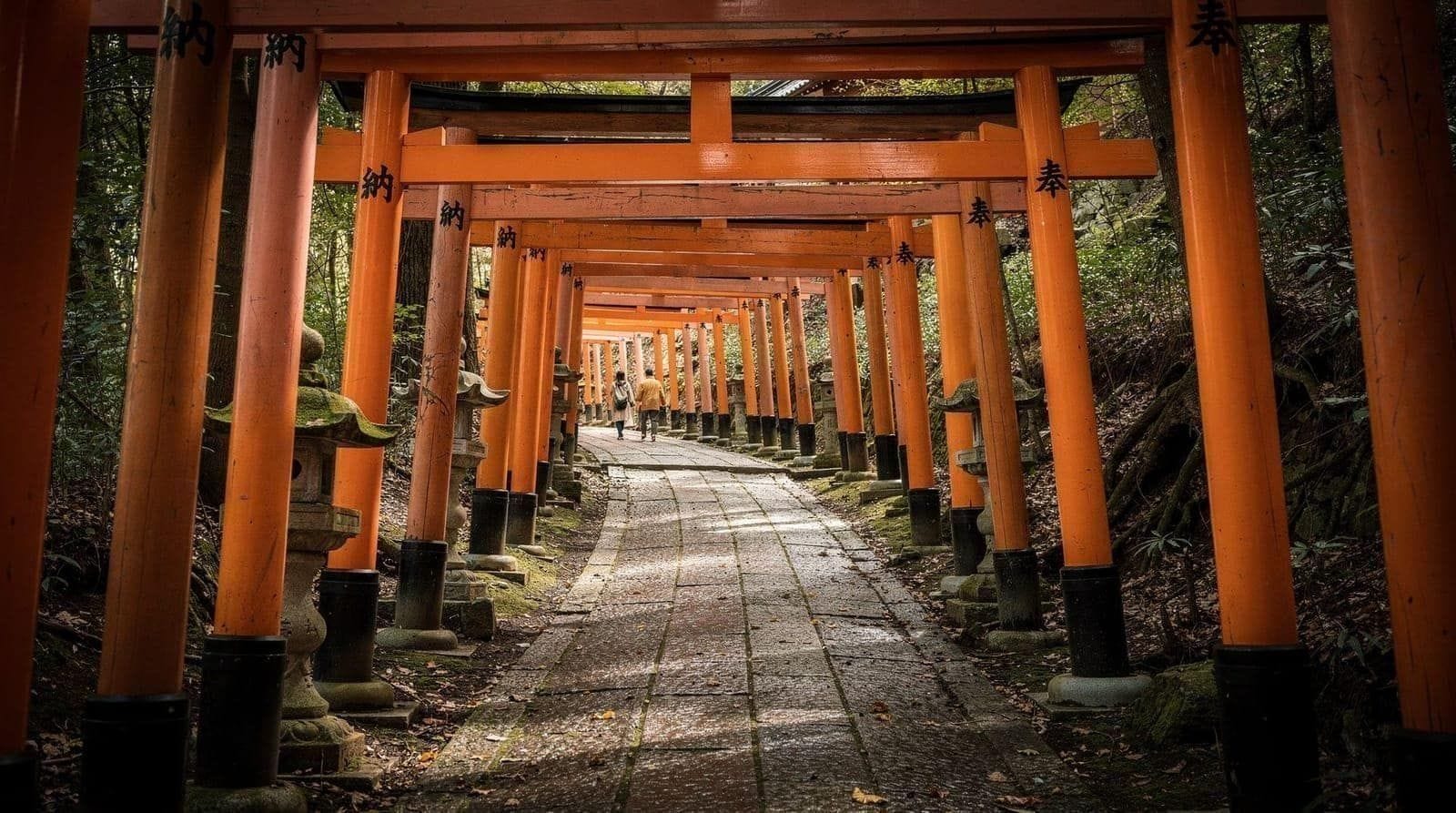
Morning — Arrive at Fushimi Inari Shrine as early as possible, ideally before 8am — the thousands of vermillion torii gates get genuinely crowded by mid-morning, and the difference between an early and a 10am arrival is the single biggest factor in how the visit feels. A Fushimi Inari guided walking tour adds context on the shrine’s history and the fox (kitsune) symbolism throughout. Full details at Fushimi Inari guide and Fushimi destination guide.
Afternoon — Keihan train north to Gion-Higashiyama for Kiyomizu-dera Temple and the preserved streets of Sannenzaka and Ninenzaka. Our Kiyomizu-dera guide and Higashiyama walking route cover the specific path that avoids doubling back.
Evening — Gion proper, for a chance at spotting a geiko or maiko heading to an appointment around dusk (never chase or photograph one without permission — see our Gion and geisha etiquette guide). Dinner in the neighborhood, or one dedicated kaiseki meal if a special-occasion dinner is part of the trip — see our Kyoto kaiseki guide — before the last Special Rapid back to Osaka (services run until close to midnight).
Day 4: Kyoto — Arashiyama and Kinkaku-ji
Morning — Back on the JR Special Rapid to Kyoto Station, then transfer toward Arashiyama for the bamboo grove — arrive before 8:30am if possible, since it’s a narrow path that becomes a slow-moving crowd by 10am. A Arashiyama bamboo grove morning walk times entry for exactly this window. Full context at Arashiyama bamboo guide and Arashiyama destination guide.
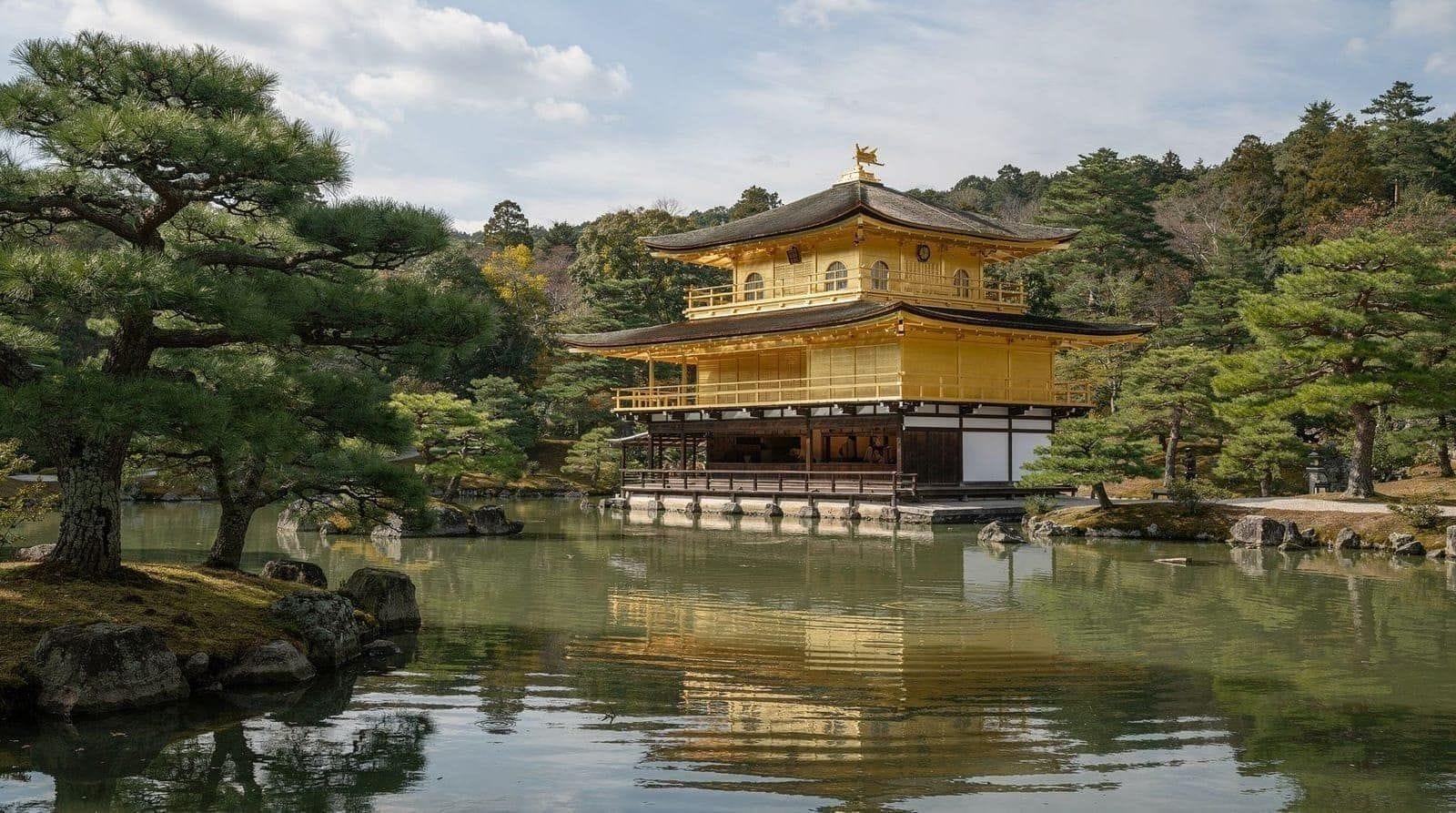
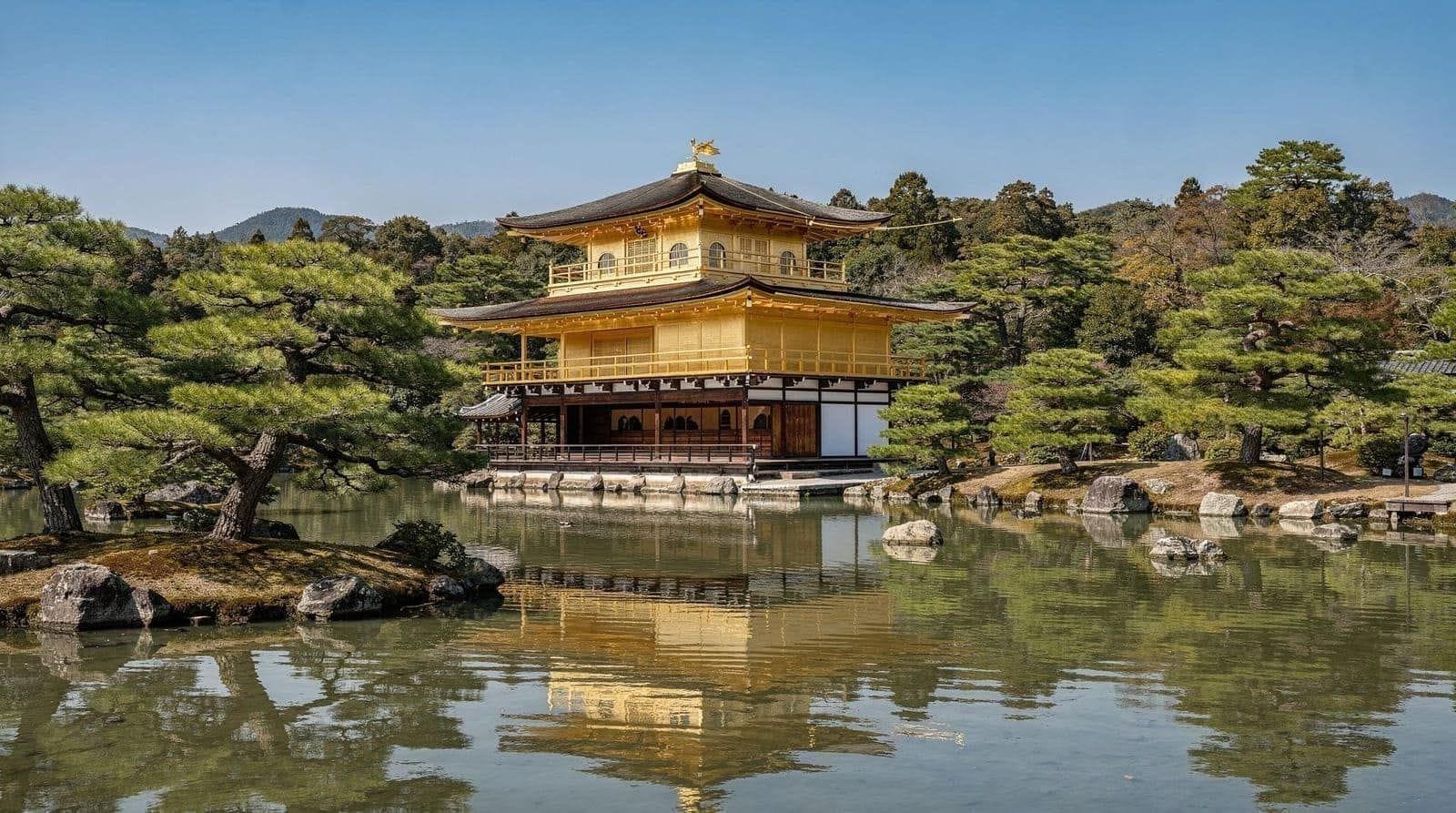
Afternoon — Northern Kyoto for Kinkaku-ji, the Golden Pavilion — a 30-40 minute bus or taxi ride from Arashiyama, so budget real transfer time rather than assuming it’s a quick add-on. A Kinkaku-ji guided tour is a reasonable option given how brief the on-site visit itself is (there’s no interior access, just the garden loop around the pavilion). Details at Kinkaku-ji guide and Northern Kyoto guide.
Evening — Return to Osaka for the night; two consecutive full Kyoto days back to back is enough — resist adding a third district on top of Arashiyama and Kinkaku-ji, both of which already involve real transfer time.
Day 5: Nara day trip
Getting there — Kintetsu Nara Line direct from Osaka-Namba to Nara Station in about 45 minutes (~¥680/$6), or JR Yamatoji Line from Osaka Station (also around 45-50 minutes).
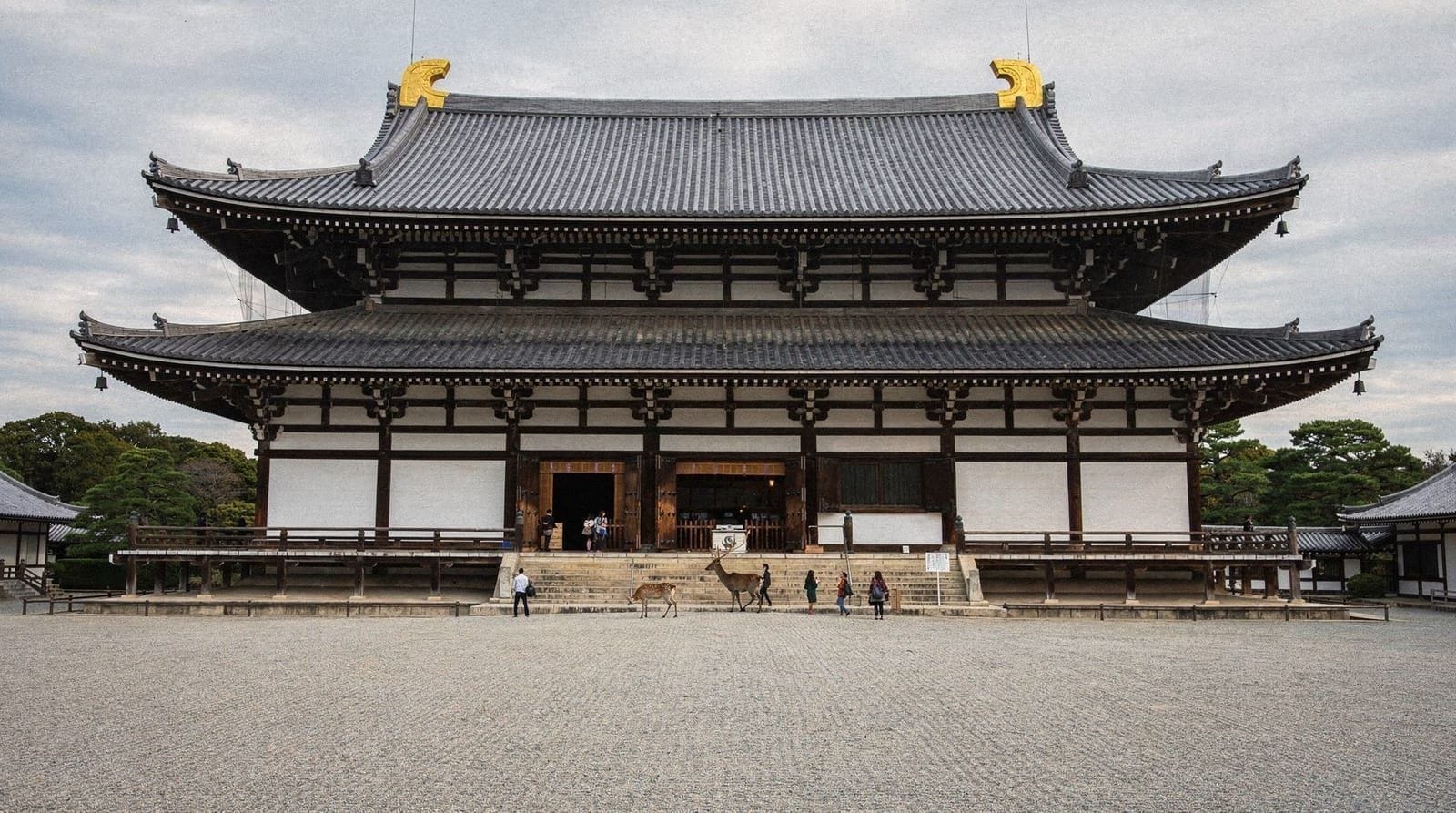
Morning — Nara Park, where over a thousand semi-wild sika deer roam freely and will bow for shika senbei (deer crackers, sold by vendors around the park for ¥200/$1.75). Todai-ji Temple houses the Great Buddha Hall, the world’s largest wooden building, and a 15-meter bronze Buddha statue inside — a Todai-ji and Great Buddha tour covers both in around two hours. Full guide at Todai-ji guide.
Afternoon — Kasuga Taisha Shrine, a 15-minute walk further into the park through a forest lined with stone lanterns, then a final wander through Nara Park before the return train. See Kasuga Taisha guide.
Evening — Back to Osaka for a last dinner before departure the next morning, or an evening flight home via KIX.
What this itinerary skips, on purpose
Kobe and Himeji, both roughly 30-60 minutes from Osaka, don’t fit into five days without cutting a day elsewhere — see our 7-day Greater Kansai itinerary if both are priorities. Koyasan’s temple stay similarly doesn’t fit; it works better as its own overnight, covered separately in our Koyasan overnight itinerary. This is a deliberate choice — five days covering three cities well beats seven days covering five cities in a rush.
Common mistakes on this itinerary
The most frequent overpacking mistake is trying to combine Fushimi Inari and Arashiyama into a single Kyoto day because “they’re both famous” — they sit on opposite sides of the city, and the transfer alone eats an hour or more each way. The second is skipping the arrival-day rest on Day 1 and pushing straight into sightseeing off a long-haul flight, which tends to make Day 2 (the first full sightseeing day) feel worse than it needed to.
Where to stay for this itinerary
Namba or Dotonbori for proximity to both Osaka’s own sights and the Namba/Osaka Station rail links used for the Kyoto and Nara day trips. Umeda works nearly as well and is quieter at night. Full comparison in our Osaka destination guide.
Budget for 5 days
Mid-range travelers should plan on ¥15,000-25,000 ($130-220) per day for food, local transport, and one attraction; day-trip rail costs (roughly ¥600-1,400/$5-12 round trip per destination) are on top of daily local transport. Across the two Kyoto days and one Nara day trip, total rail costs for the week come to roughly ¥3,000-4,500 ($26-40) per person beyond the daily Osaka subway budget. A Kansai budget calculator and our Kansai day trip planner help stress-test the schedule before booking trains, and a JPY currency converter keeps prices in context while spending.
Adjusting the pace
If sakura or koyo (autumn foliage) season lines up with the trip, see our cherry blossom 7-day itinerary or autumn foliage itinerary, both of which add extra buffer days for crowd-avoidance timing. If five days feels tight once underway, the two Kyoto days (3 and 4) are the easiest to compress into one by picking either Fushimi Inari/Higashiyama or Arashiyama/Kinkaku-ji rather than both.
5-day summary
| Day | Focus | Highlights |
|---|---|---|
| 1 | Arrival | KIX to Namba, ICOCA card, Dotonbori evening |
| 2 | Osaka | Osaka Castle, Shinsekai, Kuromon Market |
| 3 | Kyoto (east) | Fushimi Inari, Kiyomizu-dera, Gion |
| 4 | Kyoto (north/west) | Arashiyama bamboo grove, Kinkaku-ji |
| 5 | Nara | Nara Park deer, Todai-ji, Kasuga Taisha |
If travel dates fall in peak season
Sakura (late March-early April) and koyo (November) both raise hotel rates 20-40% above baseline and thicken crowds at every stop on this itinerary, particularly Fushimi Inari and Arashiyama’s bamboo grove. If the trip dates already fall in one of those windows, the early-morning arrivals built into Days 3 and 4 matter even more than usual — arriving at 9am instead of 8am during peak sakura week is a genuinely different experience, not a minor delay.
Our cherry blossom itinerary and autumn foliage itinerary build in extra buffer specifically for these windows if the standard 5-day pace feels too tight once season-specific crowds are factored in.
Traveling with limited mobility or young children
This plan assumes a moderate amount of walking each day, particularly at Fushimi Inari’s gate paths and Arashiyama’s bamboo grove approach. For families, our Kansai family attractions guide and the dedicated Kansai family 6-day itinerary adjust the pacing and add stroller-friendly notes; for anyone with mobility concerns, Nara Park and central Osaka are the flattest, easiest days on this itinerary, while Fushimi Inari’s summit path and Arashiyama’s approach involve more uneven ground.
Frequently asked questions about a 5-day Kansai trip
Is 5 days enough for Osaka, Kyoto, and Nara?
Yes, at this pace — one full Osaka day, two Kyoto days, and one Nara day trip, plus an arrival day. Trying to add Kobe or Himeji on top would require a sixth or seventh day; see our 7-day itinerary for that version.
Should I stay in Kyoto instead of day-tripping from Osaka?
Either works. Basing in Osaka avoids repacking; splitting nights into Kyoto trades that convenience for quieter early mornings and evenings at Kyoto’s temples once the day-trip crowds clear out.
Can I really do Fushimi Inari and Higashiyama in one day?
Yes — both sit on the eastern side of Kyoto and connect via the Keihan line without backtracking through Kyoto Station, which is why they’re paired here rather than with Arashiyama.
What if I only have time for one Kyoto day, not two?
Pick Fushimi Inari and Higashiyama over Arashiyama and Kinkaku-ji if forced to choose — they’re more walkable together and don’t require the longer bus transfer to northern Kyoto.
Do I need a rail pass for this itinerary?
Not usually. Individual JR Special Rapid and Kintetsu tickets for the day trips above cost less in total than a regional pass at this trip length; a JR Kansai Area Pass only pays off with more day trips or longer-distance travel (Himeji, Koyasan) added on.
What’s the biggest scheduling risk on this itinerary?
Underestimating Kyoto’s internal transfer times. Fushimi Inari to Higashiyama is a short Keihan ride, but Arashiyama to Kinkaku-ji involves a genuine 30-40 minute bus or taxi transfer — treat that as real travel time, not a quick hop between two nearby sights.
Can this itinerary work in reverse, starting in Nara or Kyoto?
Yes — the day-by-day structure doesn’t depend on order, only on keeping each destination to its own dedicated day. Reversing it makes sense if arriving via a different airport or if Kyoto hotel availability is better on specific dates.
Is this itinerary suitable for families with young children?
It works with adjustments — Nara Park’s deer and Osaka Castle are both easy family days, but Fushimi Inari’s uphill gate paths and Arashiyama’s crowded bamboo approach are harder with a stroller or very young children. Our Kansai family 6-day itinerary rebuilds this same core with family-specific pacing.
How much walking does this itinerary involve per day?
Several kilometers on the two Kyoto days especially, between Fushimi Inari’s gate paths, the Sannenzaka/Ninenzaka lanes, and Arashiyama’s bamboo grove approach — Days 1, 2, and 5 are noticeably gentler in comparison.
Top experiences
Bookable activities with verified prices and instant confirmation on GetYourGuide.