Greater Kansai in 7 days
Himeji: Himeji castle express 90 minutes
Duration: 90 min
Seven days covers the five cities most visitors mean when they say “Kansai” — Osaka, Kyoto, Nara, Kobe, and Himeji — without compressing any of them into a half-day afterthought. This plan bases in Osaka throughout, using its position as the region’s transport hub to reach everything else in 30-75 minutes each way. It’s a busier week than our 5-day Kansai itinerary, and it assumes a genuine interest in a full week of sightseeing rather than a relaxed vacation pace.
| Where | Osaka, Kyoto, Nara, Kobe, Himeji — Osaka-based throughout |
| Getting there | Kansai International Airport, Nankai Rapi:t or JR Haruka |
| Time needed | 7 days, no dedicated rest day |
| Cost | Roughly ¥15,000-25,000 ($130-220)/day mid-range, excl. lodging |
| Best time | Late March-early April or November for scenery; Jan/Feb/June for cost |
Who this suits
This is built for a first trip that wants comprehensive coverage, or a return trip that’s already done Osaka and Kyoto and wants to add the less-visited Kobe and Himeji. It’s not built for travelers who want beach time, long meals, or unstructured wandering days — every day below has a specific destination. If that sounds too packed, cut Day 7 (Himeji) and treat this as a 6-day Osaka-Kyoto-Nara-Kobe trip instead, or split it across two shorter visits.
Pacing across seven consecutive sightseeing days
Unlike shorter Kansai itineraries, this plan has no genuine rest day built in — Day 1’s arrival evening is the closest thing to a buffer. That’s a deliberate tradeoff for coverage over comfort, and it’s worth being honest about: by Day 5 or 6, fatigue is real, and this is where cutting Day 7 (the most physically demanding day, given Himeji Castle’s interior stairs) tends to make the most sense if energy is flagging. Building in a genuinely unstructured half-day — skipping one afternoon activity and just resting at the hotel — costs little in terms of missed sights and meaningfully improves how the back half of the week feels.
Day 1: Arrival and Dotonbori
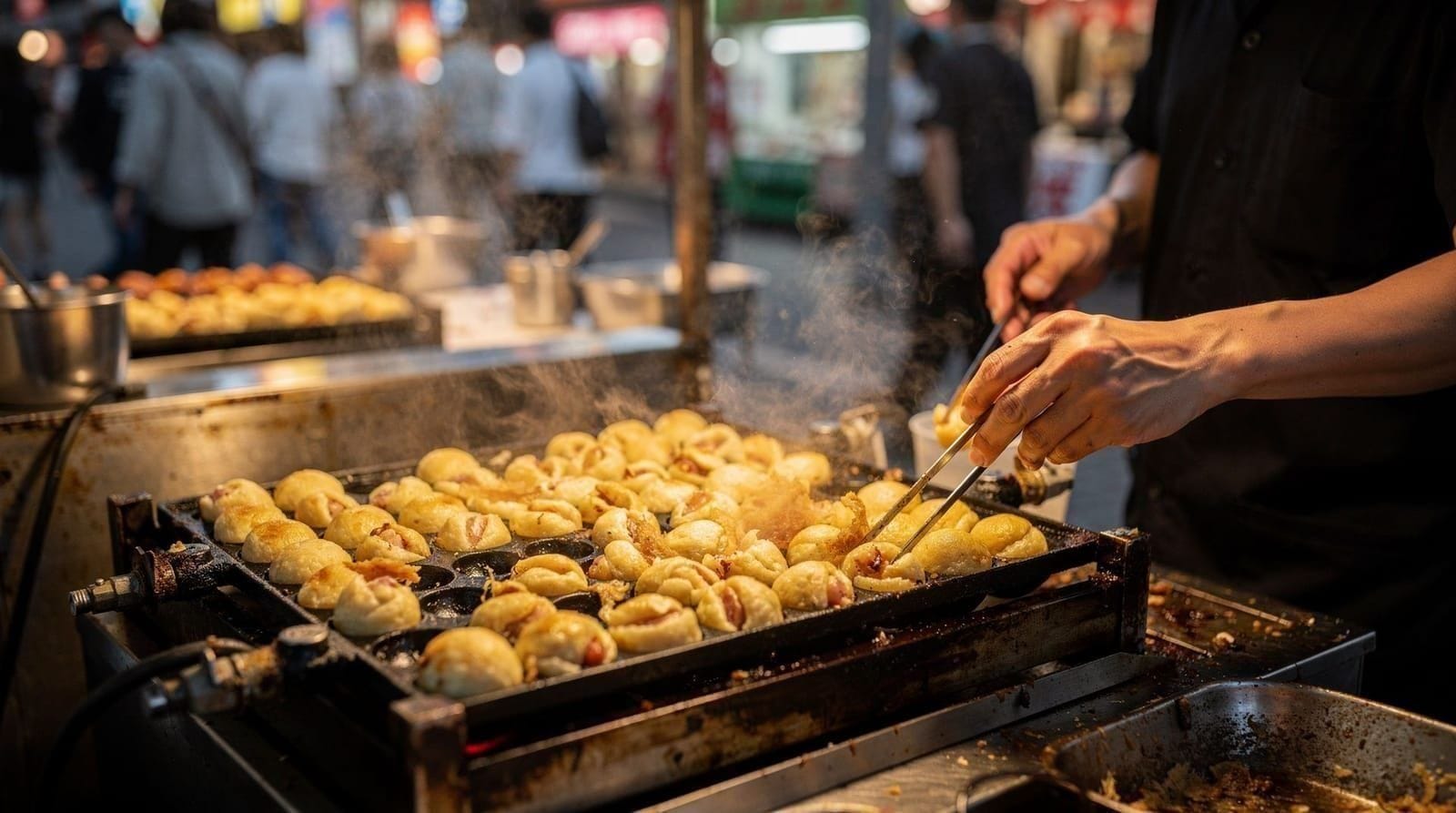
Land at Kansai International Airport, take the Nankai Rapi:t (38-45 min to Namba) or JR Haruka (about 50 min to Osaka Station) into the city, and check into a Namba or Dotonbori hotel for the full week — no repacking for the rest of the trip. Spend the evening walking Dotonbori, eating takoyaki and okonomiyaki at street level. See our Dotonbori food guide.
Day 2: Osaka Castle and Shinsekai
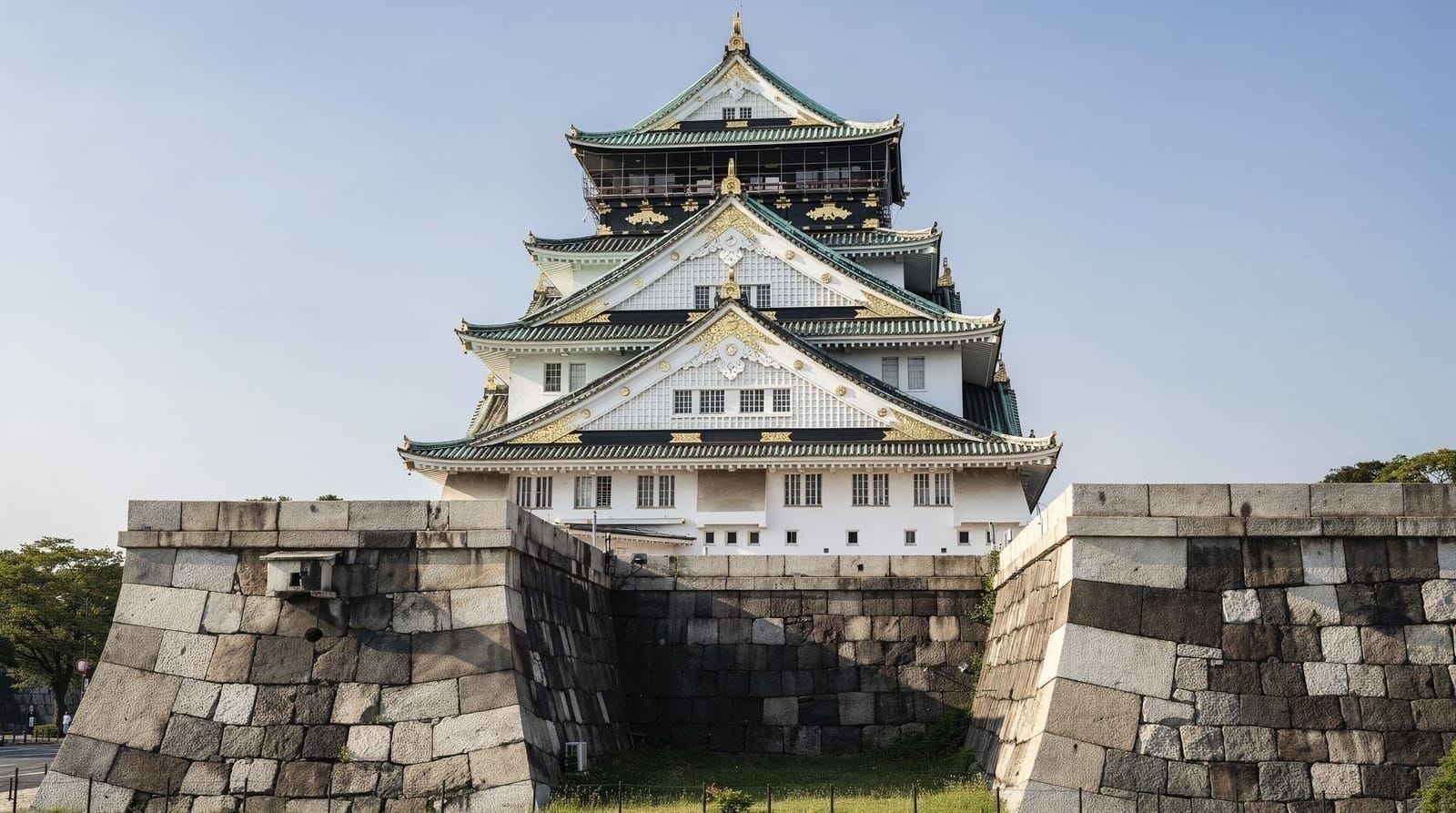
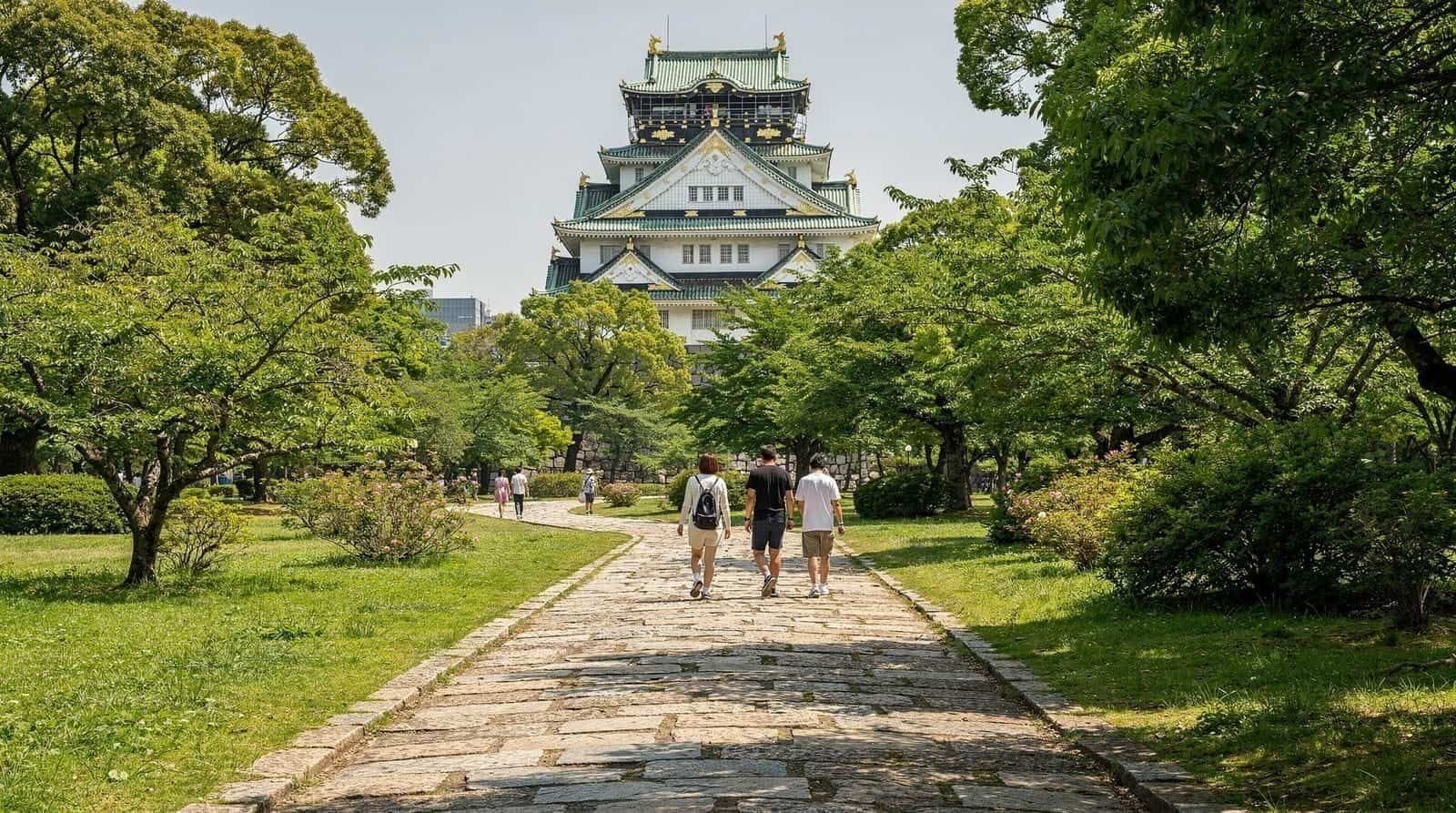
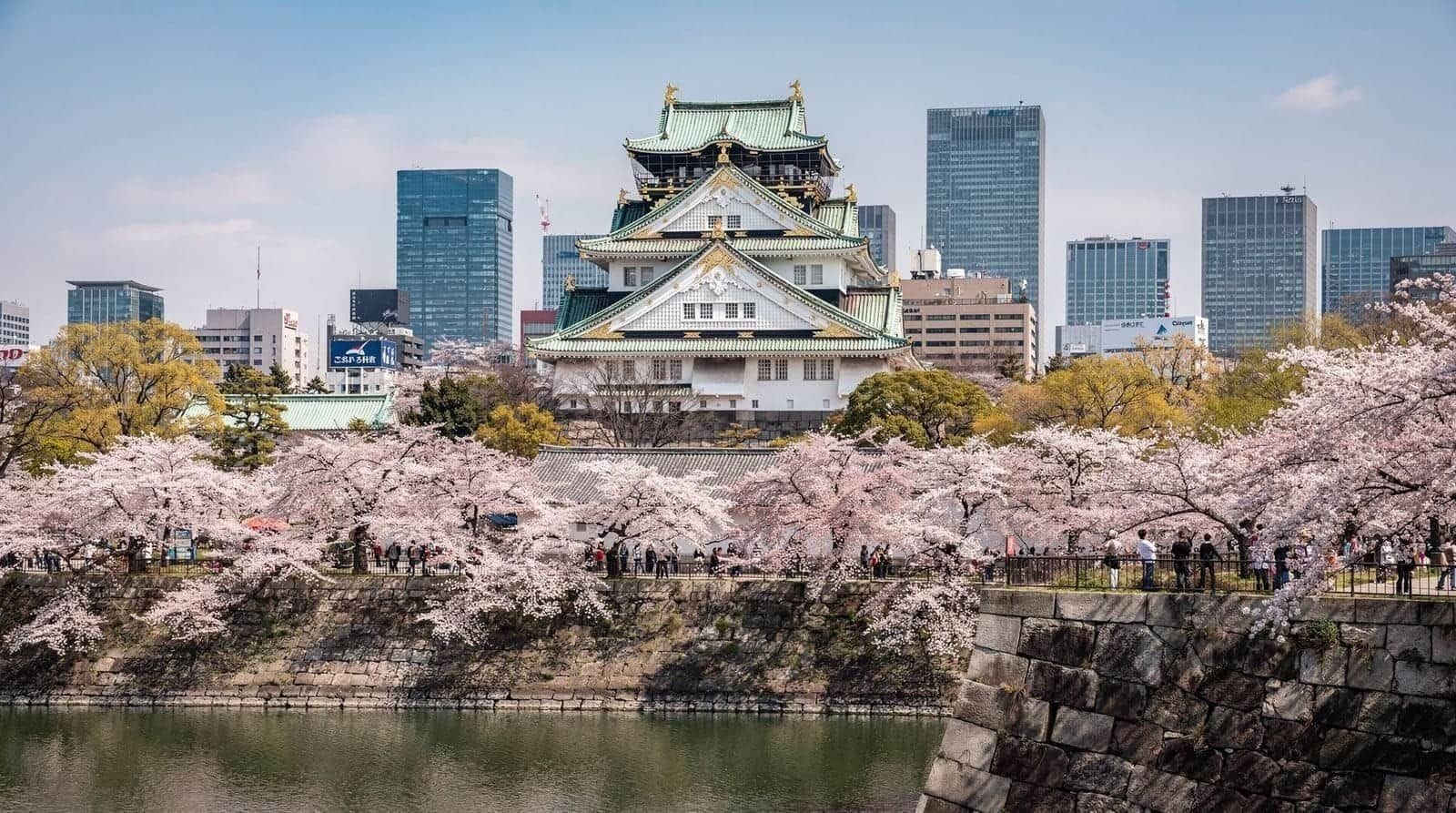
Morning — Osaka Castle Park before 10am, both for lighter crowds and softer light on the keep’s white walls. The current tower is a 1931 concrete reconstruction serving mainly as a museum on Toyotomi Hideyoshi’s era; a museum ticket covers the observation floor, though the moats and 12-meter stone walls are worth the visit on their own. See our Osaka Castle guide and Osaka Castle walking route.
Afternoon/evening — Shinsekai and Tennoji for kushikatsu skewers and Shitenno-ji Temple (founded 593 CE, one of Japan’s oldest Buddhist temples), then Kuromon Ichiba Market on the way back toward Dotonbori for dinner — skewers of wagyu, oysters, and uni run ¥500-1,500 ($4-13) per item. Our kushikatsu guide and Osaka street food guide cover both stops.
Day 3: Kyoto — Fushimi Inari and Higashiyama
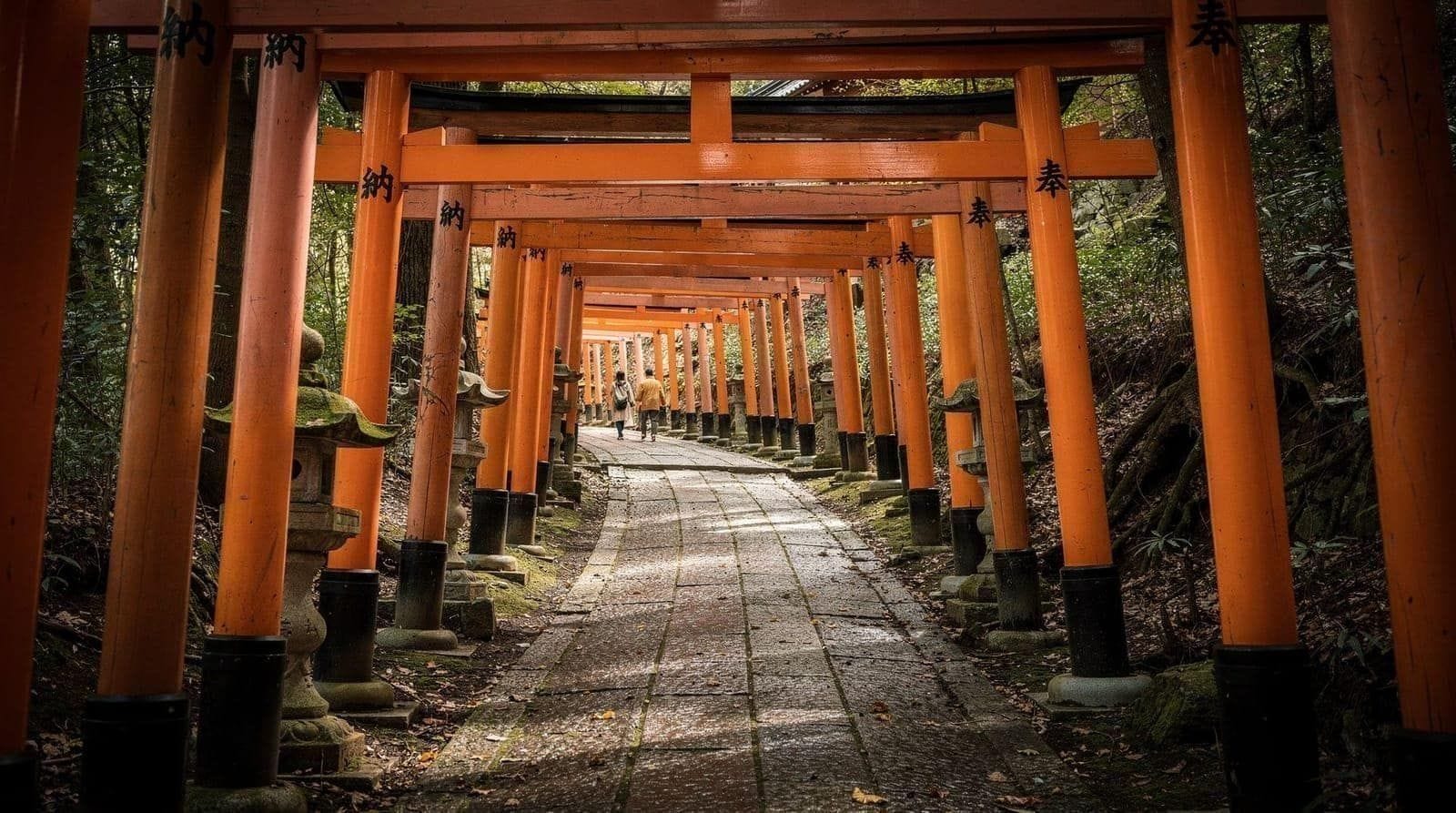
JR Special Rapid to Kyoto Station, 28-29 minutes, about ¥580. Arrive at Fushimi Inari Shrine as early as possible — before 8am if manageable — since the vermillion torii gates fill with crowds by mid-morning; the gap between an early arrival and a 10am one is the single biggest factor in how the visit feels. A Fushimi Inari guided walking tour covers the shrine’s history and its fox (kitsune) symbolism in more depth than a solo visit typically absorbs.
See Fushimi Inari guide. In the afternoon, Keihan train to Gion-Higashiyama for Kiyomizu-dera and the Sannenzaka/Ninenzaka lanes, two preserved streets lined with traditional shops and teahouses — our Kiyomizu-dera guide and Higashiyama walking route map the path that avoids doubling back. Return to Osaka in the evening; JR Special Rapid runs until close to midnight.
Day 4: Kyoto — Arashiyama and Kinkaku-ji
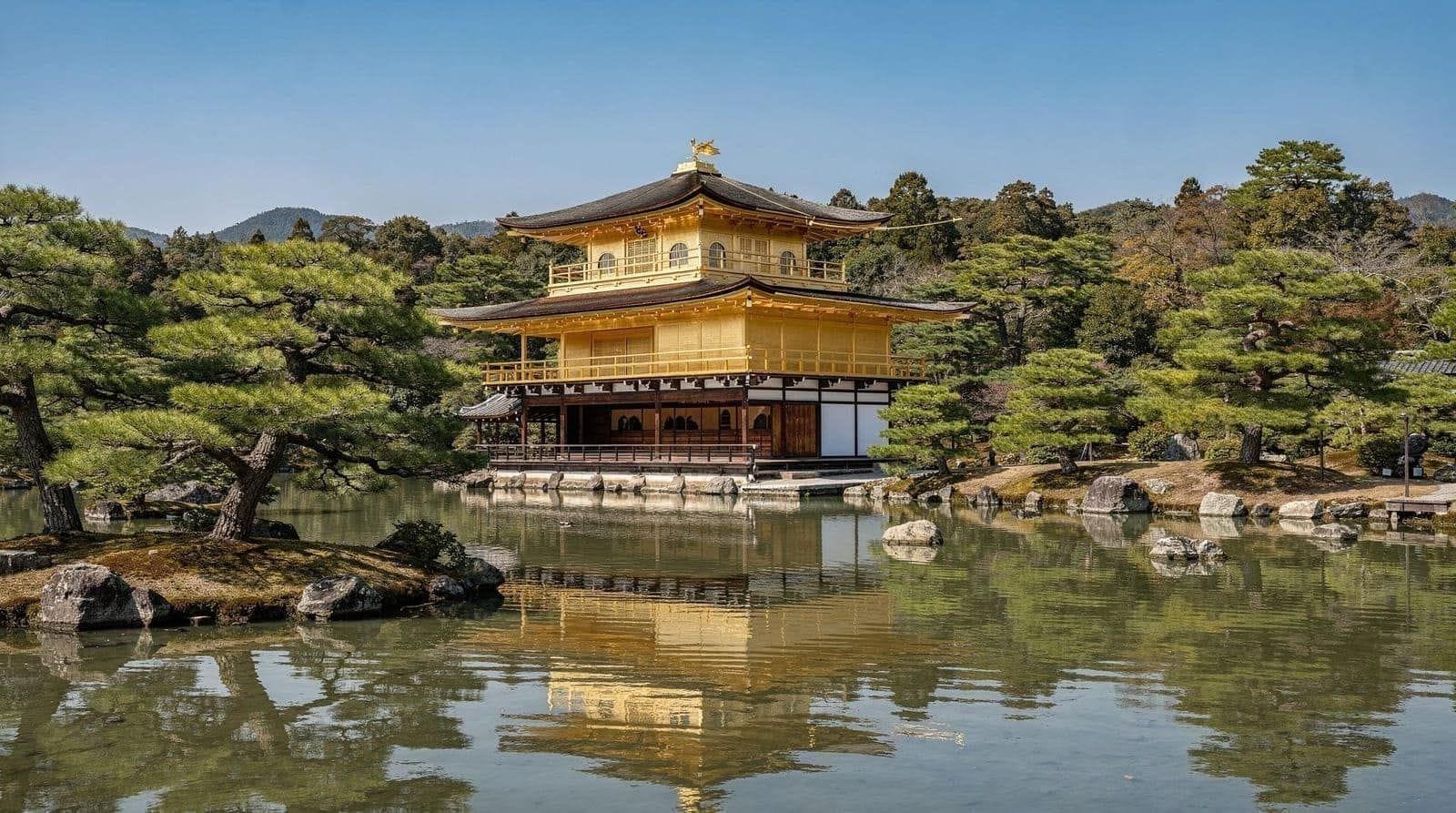
Back to Kyoto, then out to Arashiyama for the bamboo grove before 8:30am, since the narrow path becomes a slow-moving crowd by mid-morning. See Arashiyama bamboo guide and Arashiyama destination guide. In the afternoon, bus or taxi (30-40 minutes — budget it as real transfer time, not a quick add-on) to northern Kyoto for Kinkaku-ji, the Golden Pavilion, whose on-site visit is brief since there’s no interior access, just the garden loop — see Kinkaku-ji guide. Return to Osaka for the night; two consecutive full Kyoto days is enough, and adding a third district on top of these two tends to backfire.
Day 5: Nara day trip
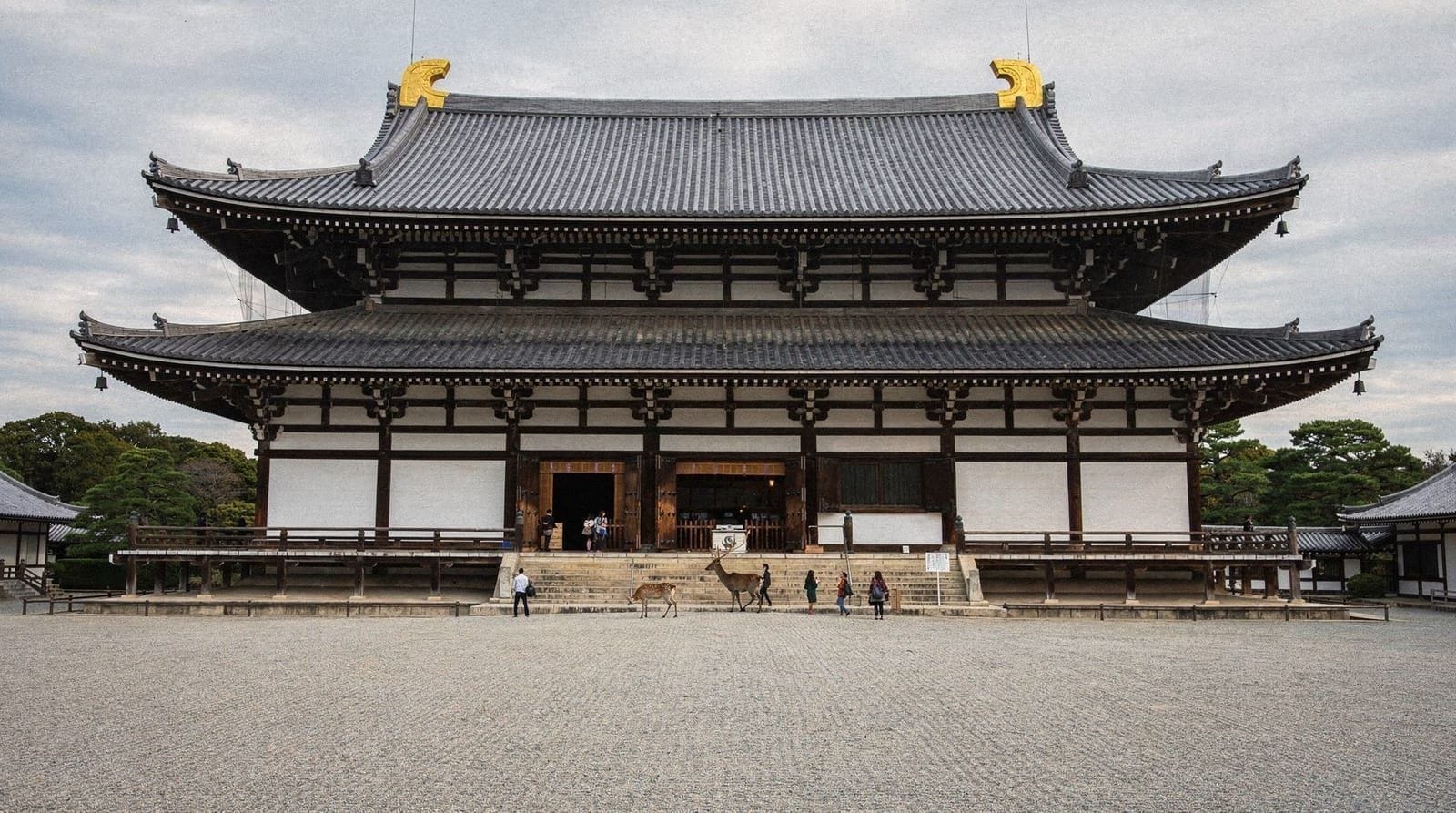
Kintetsu Nara Line direct from Osaka-Namba, about 45 minutes, with no transfers — one of the easier day trips logistically in this whole itinerary. Nara Park’s free-roaming sika deer in the morning (over a thousand of them, considered messengers of the gods in local Shinto belief and never fenced in as a result), then Todai-ji Temple’s Great Buddha Hall — the world’s largest wooden building, housing a bronze Buddha statue nearly 15 meters tall, cast in 752 CE.
A Todai-ji and Great Buddha tour covers the temple in around two hours. See Todai-ji guide. In the afternoon, Kasuga Taisha Shrine’s lantern-lined forest path, home to roughly 3,000 stone and bronze lanterns along the approach — see Kasuga Taisha guide. Back to Osaka for the evening.
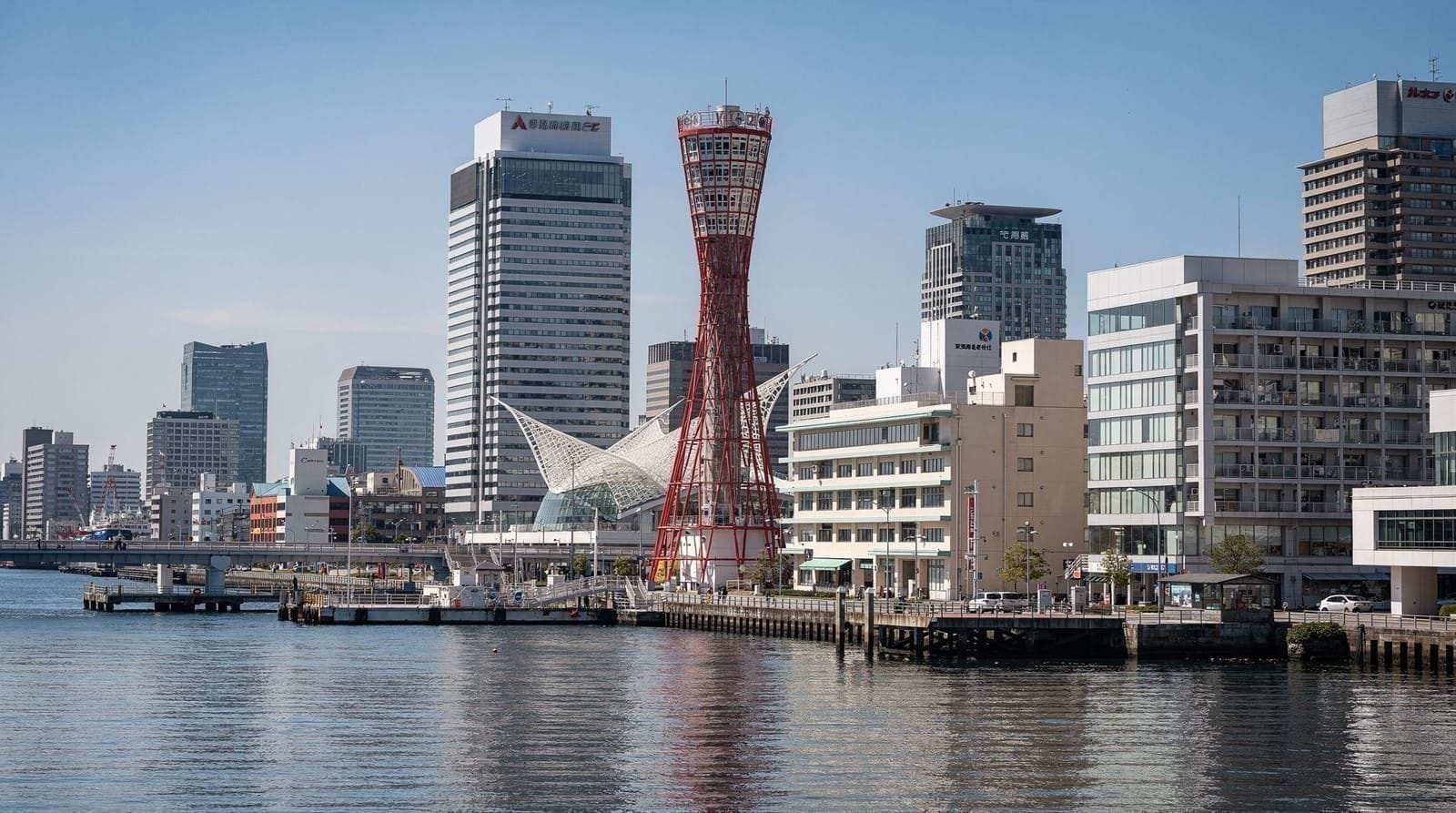
Day 6: Kobe
Getting there — JR Special Rapid or Hankyu train from Osaka, around 30 minutes to Sannomiya Station, Kobe’s center.
Morning — Nada, Kobe’s historic sake district, home to breweries including Hakutsuru and Kiku-Masamune that have operated for centuries thanks to the district’s mineral-rich groundwater. A Nada sake brewery district walk includes tastings at two or three breweries. See Nada sake tasting guide and Nada destination guide.
Afternoon — Kobe beef, the reason many visitors add this city to a Kansai trip at all — genuine A5-graded Kobe beef restaurants charge accordingly (a set course often runs ¥15,000-30,000/$130-260 per person), so verify certification before paying a premium. See our Kobe beef guide and where to eat Kobe beef.
Evening — Harborland, Kobe’s redeveloped waterfront district, or Kitano’s foreign merchant houses (a legacy of Kobe’s history as one of Japan’s first treaty ports) for a lower-key evening, then back to Osaka. See our Kobe destination guide.
Seasonal timing for this itinerary
Late March into early April (sakura) and November into early December (koyo) are the most popular windows for this trip, and also the most crowded and expensive — hotel rates in Osaka and Kyoto typically run 20-40% above baseline during peak bloom weeks. Summer (June-August) is hot and humid, 28-35°C, with a rainy season through mid-June and typhoon risk from August into September that can occasionally disrupt the Wakayama-adjacent legs of a longer trip, though this itinerary doesn’t reach that far south. January, February, and June are the cheapest months to run this exact itinerary if crowds and cost matter more than seasonal scenery.
Day 7: Himeji Castle, then departure
Getting there — Shinkansen or JR Special Rapid/limited express from Osaka to Himeji, about one hour.
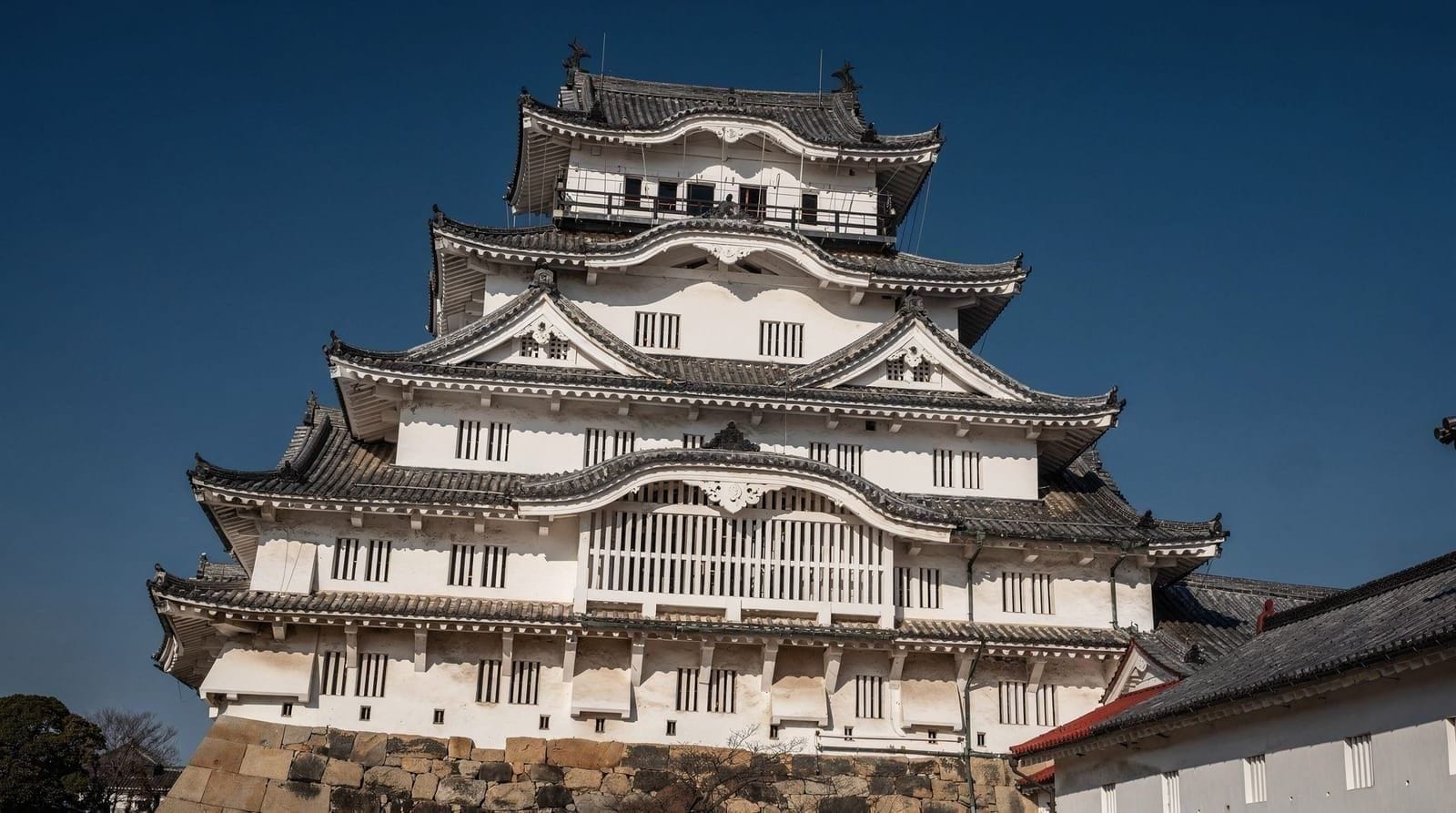
Morning — Himeji Castle, Japan’s best-preserved original feudal castle and a UNESCO World Heritage Site, nicknamed “White Heron Castle” for its curved white plaster walls. Interior visits involve steep wooden stairs and can take 60-90 minutes on top of grounds time — a Himeji Castle express tour is built around exactly this timeframe if the day is tight before a return trip or onward travel. See Himeji destination guide.
Afternoon — Return to Osaka (about one hour by train) for a final evening, or connect onward by shinkansen if Himeji is the last stop before departure. If there’s spare time before the return train, Engyoji Temple on Mount Shosha (a 20-minute bus plus ropeway ride from Himeji Station) is a quieter, largely overlooked add-on worth the detour for anyone extending the day. Koko-en, a set of nine Edo-period-style gardens adjacent to the castle, is a lower-effort alternative if the stairs inside the castle itself aren’t manageable for everyone in the group.
What this itinerary skips, on purpose
Koyasan’s mountaintop temple stay doesn’t fit into seven days without cutting a city above — it’s roughly two hours each way and works far better as a dedicated overnight than a rushed day trip layered onto an already full week. See our separate Koyasan overnight itinerary if a longer trip has room for it. Wakayama’s coast and the Kumano Kodo pilgrimage trails, both reachable from Koyasan, are similarly left out here for the same reason.
Where to stay for this itinerary
Namba or Dotonbori keeps the whole week centralized around one base, since every day trip above departs from either Namba or Osaka Station. Full comparison in our Osaka destination guide.
Budget for 7 days
Expect ¥15,000-25,000 ($130-220) per day mid-range excluding accommodation, plus day-trip rail costs that add up over a week — the Himeji and Kobe legs alone can run ¥3,000-6,000 ($26-52) round trip combined, and the Kyoto and Nara legs add roughly another ¥3,000 ($26) combined. A genuine A5 Kobe beef dinner on Day 6 is the single biggest discretionary cost on this itinerary, easily ¥15,000+ ($130+) per person at a certified restaurant, so budget it separately from the daily average above.
A Kansai budget calculator helps total this before booking. Given the volume of day trips, a JR Kansai Area Pass is worth pricing against individual tickets for this specific itinerary — check our Kansai day trip planner for a side-by-side.
Adjusting the pace
This is a full week with a destination every day — if it feels like too much once booked, the easiest cut is Day 7 (Himeji), turning this into a 6-day Osaka-Kyoto-Nara-Kobe trip. The reverse addition — Koyasan’s overnight temple stay — doesn’t fit within seven days without dropping something else; see our Koyasan overnight itinerary as a separate add-on for a longer trip.
7-day summary
| Day | Focus | Highlights |
|---|---|---|
| 1 | Arrival | KIX to Namba, evening in Dotonbori |
| 2 | Osaka | Osaka Castle, Shinsekai, Kuromon Market |
| 3 | Kyoto (east) | Fushimi Inari, Kiyomizu-dera, Higashiyama |
| 4 | Kyoto (north/west) | Arashiyama bamboo grove, Kinkaku-ji |
| 5 | Nara | Nara Park deer, Todai-ji, Kasuga Taisha |
| 6 | Kobe | Nada sake district, Kobe beef, Harborland |
| 7 | Himeji | Himeji Castle, return or onward travel |
Getting between destinations: passes worth checking
Because this trip touches five separate destinations from a single Osaka base, it’s worth pricing a regional rail pass against individual tickets before the trip rather than partway through it. The JR Kansai area pass guide and Kansai attraction passes guide both break down which of this itinerary’s legs are actually JR (Kyoto, Kobe, Himeji) versus private lines that a JR pass won’t cover (Nara’s Kintetsu line specifically). An ICOCA card is worth having regardless of pass decisions, since it covers nearly every train, bus, and subway leg in this itinerary without needing a paper ticket each time.
If a travel companion wants a lighter pace
Not everyone on a shared trip wants seven full sightseeing days back to back. If one traveler wants to skip a day, Day 1’s Dotonbori evening or Day 6’s Kobe day are the easiest to do solo or skip individually without derailing the group’s plan, since neither requires advance-booked components beyond a restaurant reservation. Our Osaka rainy day ideas guide also doubles as a lower-key alternative for anyone sitting out a more demanding day like Arashiyama or Himeji.
Frequently asked questions about a 7-day Kansai trip
Is 7 days enough to see Osaka, Kyoto, Nara, Kobe, and Himeji?
Yes, at one day each for Nara, Kobe, and Himeji, and two days for Kyoto, which needs it most given how spread out its districts are.
Should Kobe or Himeji come first?
Either order works since both depart from Osaka independently. This plan puts Kobe on Day 6 and Himeji on Day 7 so the trip ends further from the airport side of the region — reverse the order if departing via Kobe or continuing westward by shinkansen.
Is a JR Kansai Area Pass worth it for this itinerary?
It depends on ticket pricing at the time of travel — with five separate day trips, it’s worth comparing the pass cost against buying individual JR tickets for Kyoto, Nara, Kobe, and Himeji specifically, since some of those routes (like Nara’s Kintetsu line) aren’t JR anyway.
Can I fit Koyasan into this 7-day trip?
Not without cutting a day elsewhere — Koyasan is roughly two hours each way and works better as an overnight rather than a rushed day trip. See our dedicated Koyasan overnight itinerary.
What’s the most tiring day on this itinerary?
Day 4 (Arashiyama plus the bus transfer to Kinkaku-ji) and Day 7 (Himeji Castle’s interior stairs after a week of walking) are the two most physically demanding days — pace accordingly if traveling with anyone who tires easily.
Is there a rest day in this itinerary?
Not a dedicated one — Day 1’s arrival evening is the closest thing to a buffer. If the pace feels too demanding once underway, dropping one afternoon activity (rather than a whole day) is usually enough to recover without losing a full destination.
Should I book Kobe beef or a Himeji Castle tour in advance?
Kobe beef restaurants with real A5 certification often take reservations days ahead, especially for dinner service — book before the trip if a specific restaurant matters. Himeji Castle itself rarely requires advance tickets outside Golden Week or peak sakura/koyo weekends.
Do I need a rail pass for this whole itinerary?
Not necessarily — it depends on ticket pricing at the time of travel, and part of this route (Nara’s Kintetsu line) isn’t covered by a JR pass anyway. Compare the JR Kansai area pass cost against buying individual tickets before deciding, and get an ICOCA card regardless for day-to-day transit.
Can I extend this into an 8 or 9-day trip?
Yes — the most natural extension is a Koyasan overnight added either before Day 1 or after Day 7, since Koyasan doesn’t connect efficiently mid-week without disrupting the Osaka-based flow of the other six days.
Top experiences
Bookable activities with verified prices and instant confirmation on GetYourGuide.