Kansai cherry blossom itinerary, 7 days
Kyoto: Kyoto cherry blossom sakura tour 3-hour
Duration: 3 hours
Sakura season in Kansai runs a narrow, weather-dependent window — for 2026, forecasts point to full bloom in Osaka and Kyoto around April 1, with the bloom period stretching from roughly March 24 to April 2. This itinerary is built around that timing, with the understanding that crowds and hotel prices both peak exactly when the blossoms do, so the plan leans on early mornings and slightly less obvious spots rather than fighting crowds at the famous ones.
| Where | Osaka, Kyoto, Nara — Osaka-based throughout |
| Getting there | Kansai International Airport, Nankai Rapi:t or JR Haruka |
| Time needed | 7 days, including one flexible buffer day |
| Cost | Roughly ¥15,000-25,000 ($130-220)/day, plus a sakura-season hotel premium |
| Best time | Late March-early April 2026; book 4-6 months ahead |
Why this itinerary runs longer than a standard trip
Compared to our standard 5-day Kansai itinerary, this plan adds two extra days specifically as insurance against sakura’s notoriously unpredictable timing and against the crowds that concentrate at a handful of the most-photographed spots during the narrow bloom window. One of those extra days (Day 6) is left deliberately flexible rather than assigned to a new sight, which matters more here than on almost any other itinerary on this site — no amount of planning fully controls when the blossoms actually open.
Sakura timing: what to actually expect
Cherry blossom forecasts shift year to year with spring temperatures, and even a well-timed booking can land a few days early or late relative to peak bloom — this is normal, not a planning failure. Full bloom typically lasts only 4-7 days before petals begin falling, and a phenomenon called hanafubuki (cherry blossom snow, when petals drift down in the wind) is arguably as photogenic as the peak bloom itself and happens just after. Booking flights and hotels around the forecast center date, with flexibility of a few days either direction, is the realistic approach rather than trying to nail an exact date months in advance.
Day 1: Arrival and Osaka Castle Park
Land at Kansai International Airport, transfer into central Osaka (Nankai Rapi:t to Namba in 38-45 min, or JR Haruka to Osaka Station in about 50 min), and check into a Namba or Dotonbori hotel for the full week — booked well in advance, since sakura-season rates and availability both tighten noticeably as the forecast date approaches.
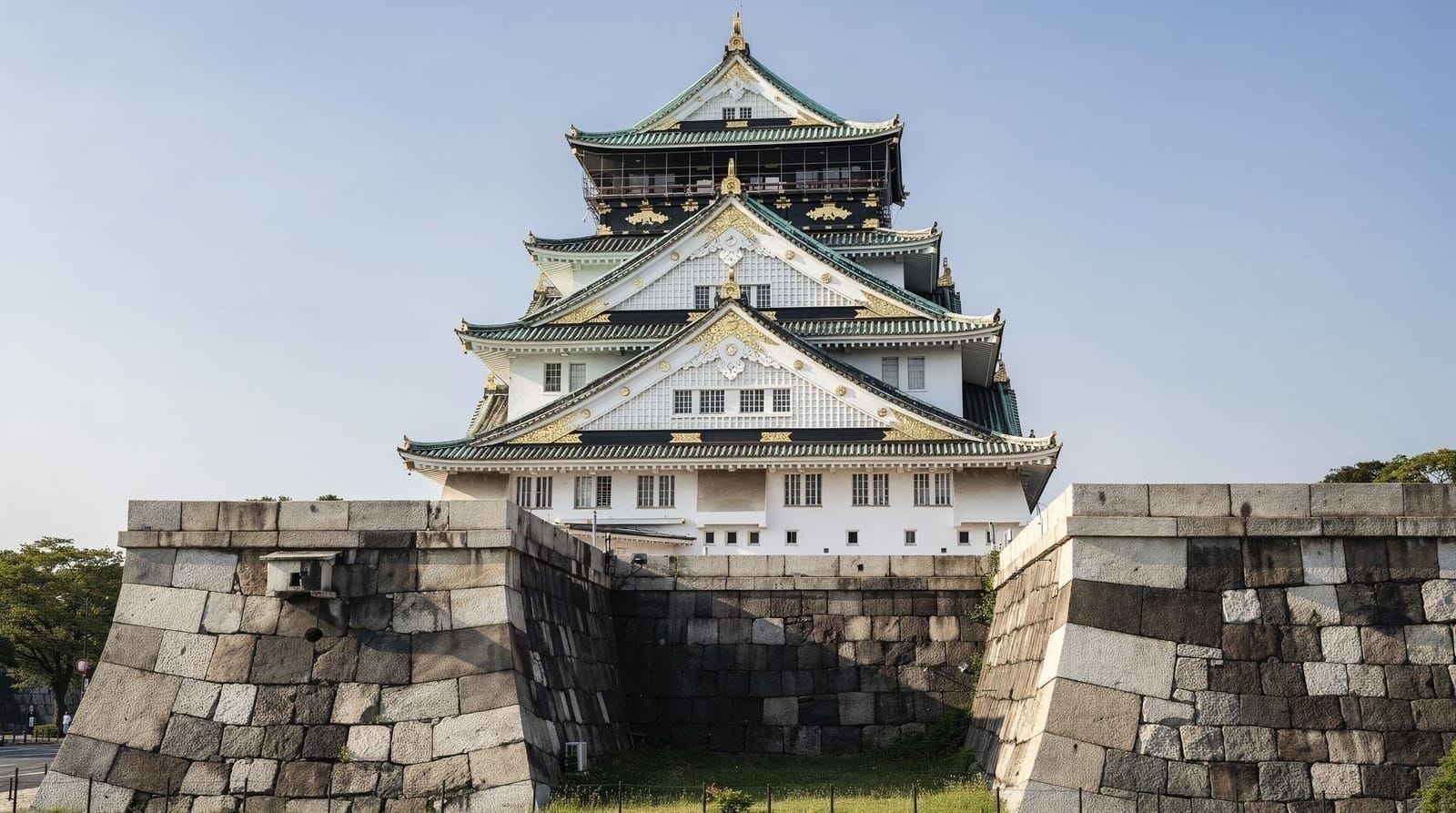
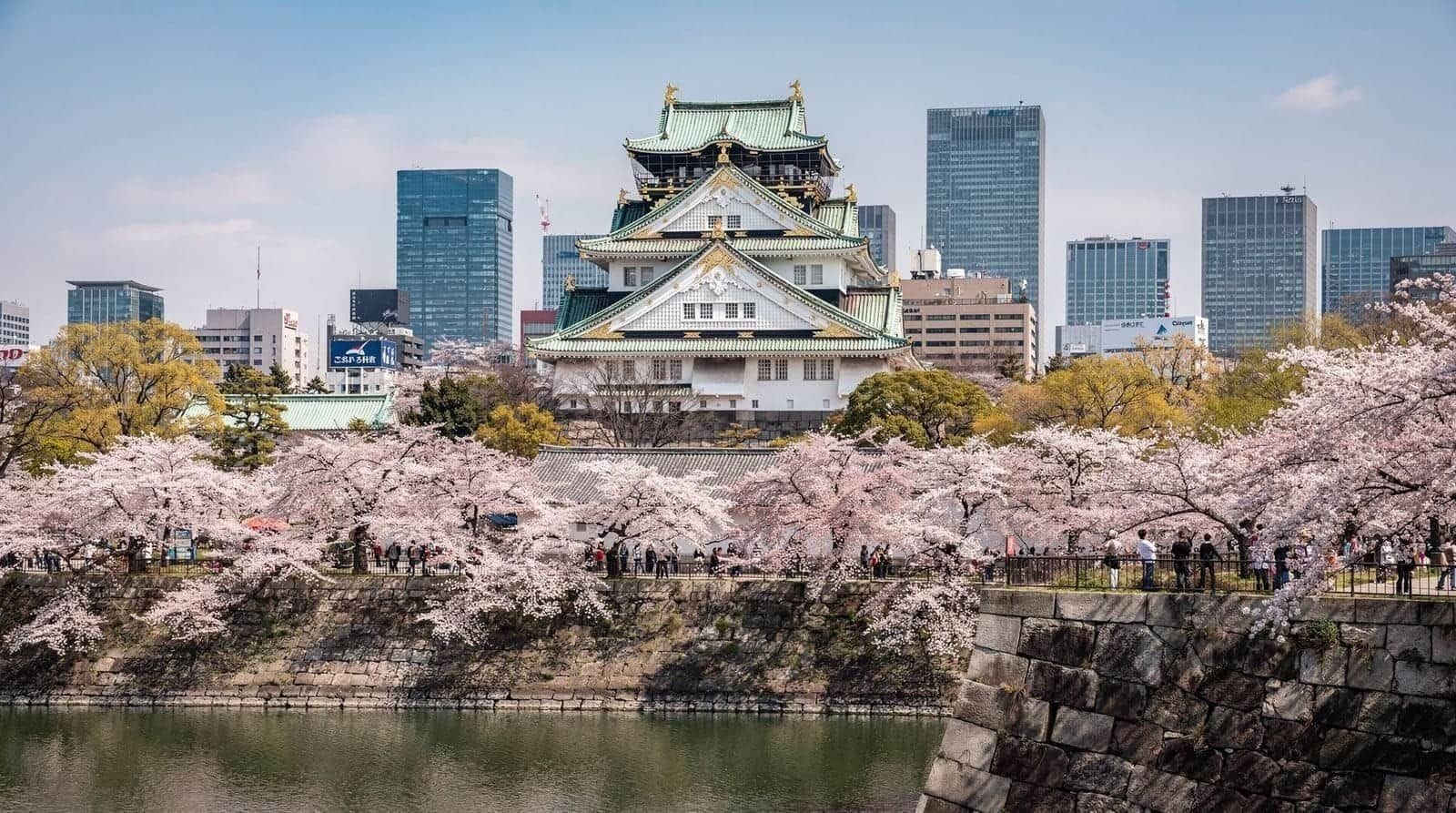
If arrival timing and jet lag allow, an afternoon walk through Osaka Castle Park is a good first taste of sakura season — Nishinomaru Garden, on the castle’s western side, is one of the city’s best blossom viewing spots and less packed than Dotonbori’s evening crowds. See our Osaka Castle guide. If the flight was long-haul, an easier alternative is a quiet evening in Dotonbori for takoyaki, saving the castle for Day 2’s early-morning visit instead.
Day 2: Osaka Castle in full and Dotonbori
Morning — Return to Osaka Castle Park early, before 9am, for quieter blossom photos around the moat and Nishinomaru Garden. A Osaka Castle museum ticket covers the tower’s observation floor if the history interests you.
Afternoon/evening — Dotonbori for food — the canal itself isn’t a sakura spot, but the Okawa River further north has a long riverside blossom tunnel, worth a detour if energy allows, especially at dusk when many stretches put up paper lanterns for hanami (blossom-viewing) parties. See our Dotonbori guide and Dotonbori food guide. Expect Osaka Castle Park and the Okawa riverside to be genuinely crowded with local hanami groups on weekend afternoons during peak bloom — a normal, very Japanese part of the season rather than something to avoid, though it does mean claiming a park bench or picnic spot requires arriving early if that’s part of the plan.
Day 3: Kyoto — Philosopher’s Path and Higashiyama
JR Special Rapid to Kyoto, 28-29 minutes, about ¥580 ($5). The Philosopher’s Path, a stone walkway following a canal between Ginkaku-ji and Nanzen-ji, is lined with several hundred cherry trees and is one of Kyoto’s most atmospheric sakura walks specifically because it stretches the crowds along nearly 2km rather than concentrating them at a single viewpoint — arriving before 9am still helps, but the path never gets as bottlenecked as a single-tree spot like Maruyama Park does.
Follow it toward Nanzen-ji, whose subtemples are worth a slower look if the pace allows, then into Higashiyama for Kiyomizu-dera in the afternoon — see our Kiyomizu-dera guide and Higashiyama walking route. The Sannenzaka and Ninenzaka lanes below Kiyomizu-dera are worth the slow walk regardless of blossom timing, since their appeal rests as much on the preserved architecture as on seasonal color.
Day 4: Kyoto — Maruyama Park and Arashiyama
Morning — Maruyama Park, adjacent to Yasaka Shrine in Gion, is Kyoto’s most famous single sakura gathering spot, centered on a large weeping cherry tree lit up at night during the bloom period — arrive early to see it without the evening hanami (blossom-viewing party) crowds. A Kyoto cherry blossom tour covers Maruyama Park and nearby spots with a guide who can navigate which viewpoints are least crowded on a given morning.
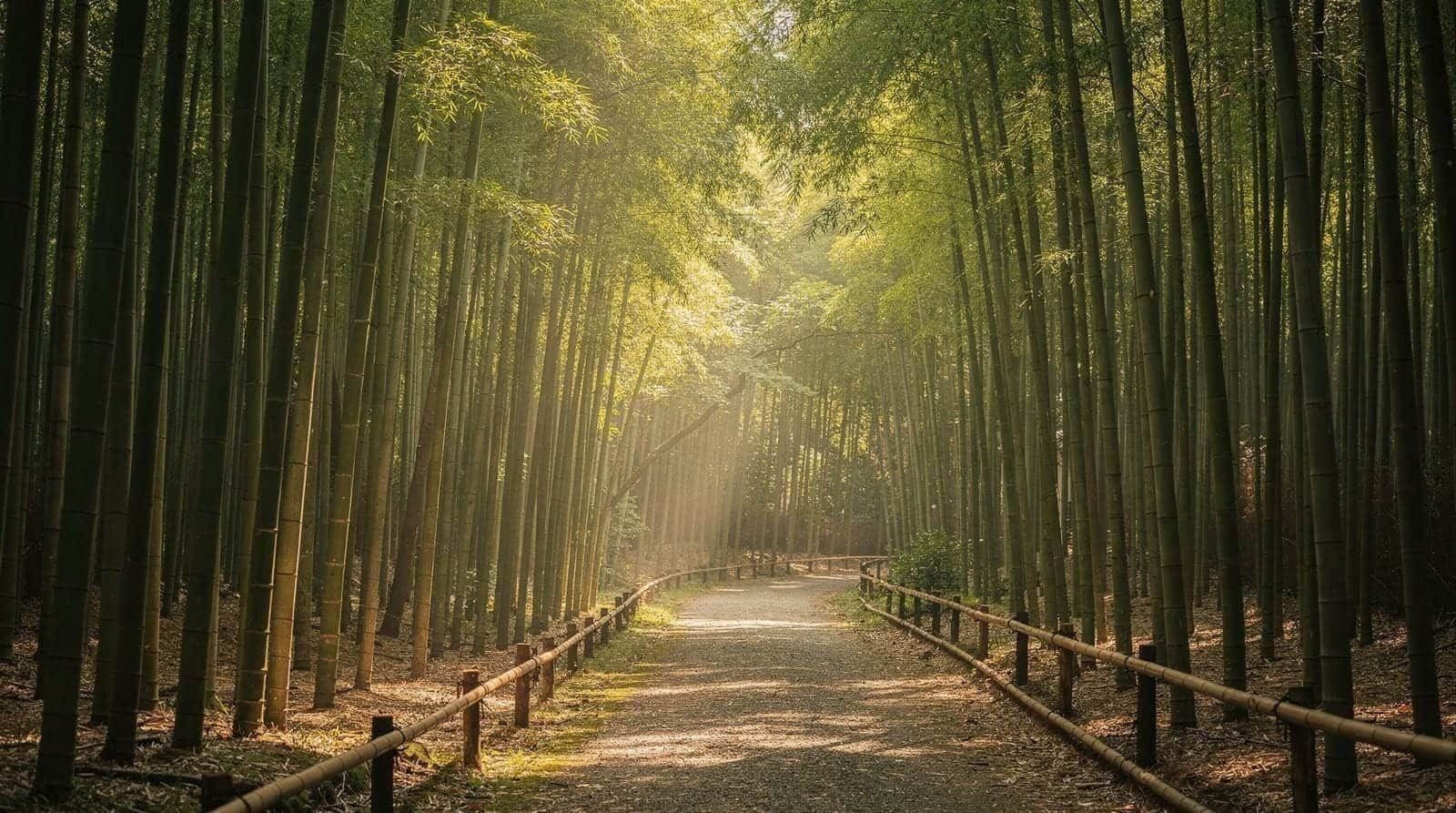
Afternoon — Arashiyama, on the opposite side of the city from Gion, pairs its famous bamboo grove with the Katsura River lined with cherry trees and Togetsukyo Bridge, one of the more photographed sakura-and-river combinations in the region — see our Arashiyama bamboo guide and Arashiyama destination guide. The transfer between Gion and Arashiyama takes real time (30-40 minutes by bus or taxi), so this is a full day rather than two quick stops squeezed together.
Day 5: Nara day trip
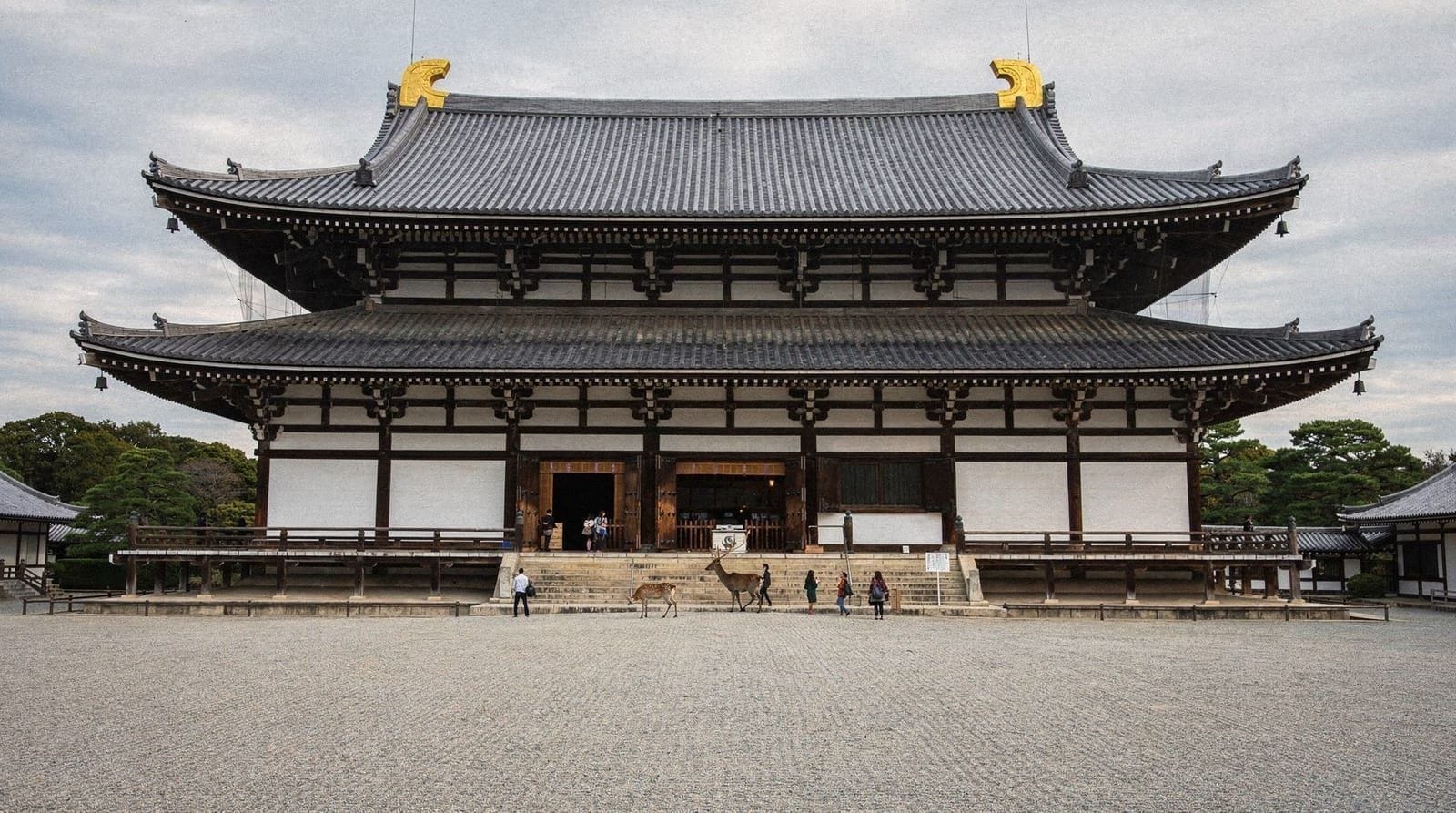
Kintetsu Nara Line from Osaka-Namba, about 45 minutes, direct with no transfers. Nara Park combines its famous deer with cherry blossoms throughout the park grounds — a genuinely different visual than Kyoto’s more concentrated sakura spots, since the trees are scattered across a wide, open landscape rather than framed around a single temple or path. Todai-ji’s Great Buddha Hall, covered by a Todai-ji and Great Buddha tour, sits within the same park — the hall itself is the world’s largest wooden building, housing a bronze Buddha statue nearly 15 meters tall.
See our Todai-ji guide and Nara Park guide. Yoshinoyama, further south in Nara Prefecture, is famous within Japan for having an entire mountainside of cherry trees blooming in a staggered sequence by elevation, but it’s a longer trip than fits comfortably into this day and is better treated as a separate, dedicated excursion for a future visit.
Day 6: Osaka Mint Bureau or Minoo Park, flexible day
This day is deliberately unstructured, built as a buffer against sakura timing uncertainty — if bloom is running late, use this day to revisit whichever spot from Days 2-5 hadn’t yet reached peak. If bloom has already peaked, the Osaka Mint Bureau’s Cherry Blossom Viewing Path (Sakura no Tsudoi), open for a roughly two-week public window each April, showcases over 100 varieties of late-blooming yaezakura (double-flowered cherry trees) that peak after the standard Somei Yoshino variety has already dropped its petals.
Day 7: Kobe or a final Osaka morning, then departure
If energy and time allow, Kobe (30 minutes by train) has its own sakura spots along the Sumaura Coast and in Sumiyoshi River park, a lower-key alternative to Kyoto’s crowds for a final morning before departure. Otherwise, use this day for a slower final walk through Osaka Castle Park or Dotonbori before heading to KIX. Either way, keep this day light — a week of early mornings chasing bloom timing adds up, and a relaxed final half-day before a flight is a reasonable way to close the trip rather than squeezing in one more must-see spot.
What to wear and pack for sakura season
Late March into early April in Kansai runs cool and changeable — daytime highs around 12-18°C, with cooler mornings and the occasional rain shower, so light layers work better than committing to either a heavy coat or short sleeves for the whole week. A collapsible umbrella is worth carrying daily, since spring showers in Kansai are common enough that outdoor plans should have a backup. Comfortable walking shoes matter more than usual on this itinerary given the volume of park and temple-ground walking across all seven days.
Crowd-avoidance strategy across this whole itinerary
The pattern above repeats deliberately: arrive at famous spots before 8-9am, and treat evening hanami crowds at Maruyama Park or along the Okawa River as something to observe rather than fight through with a tripod. Weekday visits to any of the above are meaningfully quieter than weekends, since domestic Japanese travelers concentrate their own sakura trips around weekend availability.
Budget for this itinerary
Sakura season carries a real price premium — hotel rates in Osaka and Kyoto typically run 20-40% above baseline during the peak bloom week, and booking 4-6 months ahead is standard practice for anyone traveling specifically for the blossoms. Flights into Kansai around late March and early April also tend to price higher than shoulder-season fares, so factor that into the overall trip cost rather than just accommodation.
Beyond lodging and flights, daily costs track a standard mid-range Kansai budget of ¥15,000-25,000 ($130-220), with day-trip rail fares to Kyoto and Nara adding roughly ¥2,500-3,500 ($22-31) combined across the week. Our Kansai budget calculator and day trip planner help plan the week’s logistics, and our JPY currency converter keeps costs in context while booking.
Bloom stage by likely arrival date (2026 forecast)
| Arrival relative to forecast | What to expect | Best move |
|---|---|---|
| A week early | Buds to early bloom | Lean on Nara Park and Osaka Castle grounds; save Maruyama Park for later in the trip |
| Right on forecast (~April 1) | Full bloom, heaviest crowds | Arrive at every spot before 8-9am; treat Day 6 as a true buffer |
| A few days late | Petals falling (hanafubuki) | Head for the Osaka Mint Bureau’s late-blooming yaezakura |
| A week+ late | Bloom mostly over | Shift focus to Yoshinoyama’s staggered elevation bloom on a future trip, or the itineraries covering koyo/general sightseeing instead |
Comparing this trip to a standard 5-day plan
The extra two days here aren’t just more sightseeing — they’re specifically insurance against a forecast that shifts, which a standard trip doesn’t need to budget for. Our Kansai 5-day itinerary covers the same core cities without the sakura-specific buffer, and is the better fit if travel dates fall well outside the bloom window rather than being timed around it deliberately.
Frequently asked questions about a Kansai cherry blossom trip
When is peak sakura in Kansai in 2026?
Forecasts point to full bloom in Osaka and Kyoto around April 1, 2026, with the broader bloom window running from roughly March 24 through the first few days of April — though forecasts can shift by several days as spring weather develops.
What if I book my trip and the blossoms have already fallen?
Late-blooming yaezakura (double-flowered) varieties, like those at the Osaka Mint Bureau, typically peak 1-2 weeks after the standard Somei Yoshino trees, giving a second window even if the main bloom has passed by the time you arrive.
Is Kyoto or Nara better for cherry blossoms?
Kyoto has more concentrated, famous single-location spots (Maruyama Park, the Philosopher’s Path); Nara spreads its cherry trees across the park alongside its free-roaming deer, which is a different, arguably less crowded experience.
How far in advance should I book hotels for sakura season?
4-6 months ahead is standard for anyone specifically targeting sakura season, given both the price premium and how quickly rooms in central Osaka and Kyoto sell out during the bloom window.
Should I avoid weekends during this itinerary?
If possible, yes — domestic hanami crowds concentrate heavily on weekends at spots like Maruyama Park and Osaka Castle Park, so shifting the most popular stops to weekdays within this 7-day window meaningfully reduces crowding.
Why does this itinerary have a flexible buffer day but a standard 5-day trip doesn’t?
Sakura timing is genuinely harder to predict than a normal sightseeing schedule — a forecast can shift by several days as spring weather develops closer to the trip, and full bloom itself only lasts 4-7 days. The buffer day exists specifically to absorb that uncertainty without losing an entire planned sight if timing runs early or late.
Is it worth visiting Kansai outside the sakura window if I can’t get the exact peak dates?
Yes — hanafubuki (the “cherry blossom snow” of falling petals just after peak bloom) is arguably as photogenic as full bloom itself, and the week before peak still shows partial color at most spots. A trip booked within roughly a week of the forecast center date will very likely see meaningful blossoms even if it misses the exact peak.
Should I book flights around the exact forecast date?
Book around the forecast center date with a few days’ flexibility rather than an exact single day — forecasts refine closer to the season, but even the most accurate ones can shift by 3-5 days as spring weather develops.
Is Yoshinoyama worth adding to this itinerary?
Not comfortably within these seven days — it’s a longer trip from Osaka than fits alongside the Day 5 Nara plans, and it’s better treated as a dedicated future excursion given its staggered, elevation-based bloom sequence rather than squeezed into an already full week.
Do I need to book restaurants in advance during sakura season?
Not usually for casual meals, but restaurants near famous sakura spots like Maruyama Park or the Philosopher’s Path can fill quickly during peak dinner hours in bloom week — a same-day reservation or an early arrival is a reasonable precaution if a specific restaurant matters.
Top experiences
Bookable activities with verified prices and instant confirmation on GetYourGuide.