Geisha and Gion, Kyoto's living tradition
Kyoto: Kyoto Gion geisha district walking tour
Duration: 2 hours
Is Gion still an active geisha district or just for tourists?
Gion remains a working geisha district — geiko (Kyoto's term for geisha) and maiko (apprentices) still perform at private teahouses (ochaya) accessible by introduction only, not walk-in tourists. Chasing performers for street photos has become enough of a problem that parts of private Gion alleys are now closed to visitors, with posted fines.
| Where | Hanamikoji Street and surrounding lanes, eastern Kyoto |
| Cost | Free to walk; guided tours vary, ochaya evenings run very high |
| Best time | Evening, when the district is most active |
| What to avoid | Chasing performers for photos in restricted alleys (fines apply) |
| Getting there | Gion-Shijo Station, Keihan Main Line |
Gion is Kyoto’s preserved geisha district, a grid of wooden machiya townhouses and narrow lanes centered on Hanamikoji Street, and it’s genuinely still what it appears to be — a working entertainment district where geiko and maiko perform at private teahouses most visitors will never enter. That authenticity is exactly why Gion has developed a real tension in recent years: tourists treating a working neighborhood as a photo backdrop, and performers who’ve had enough of being chased down alleys for a picture.
Geiko, maiko, and what the words actually mean
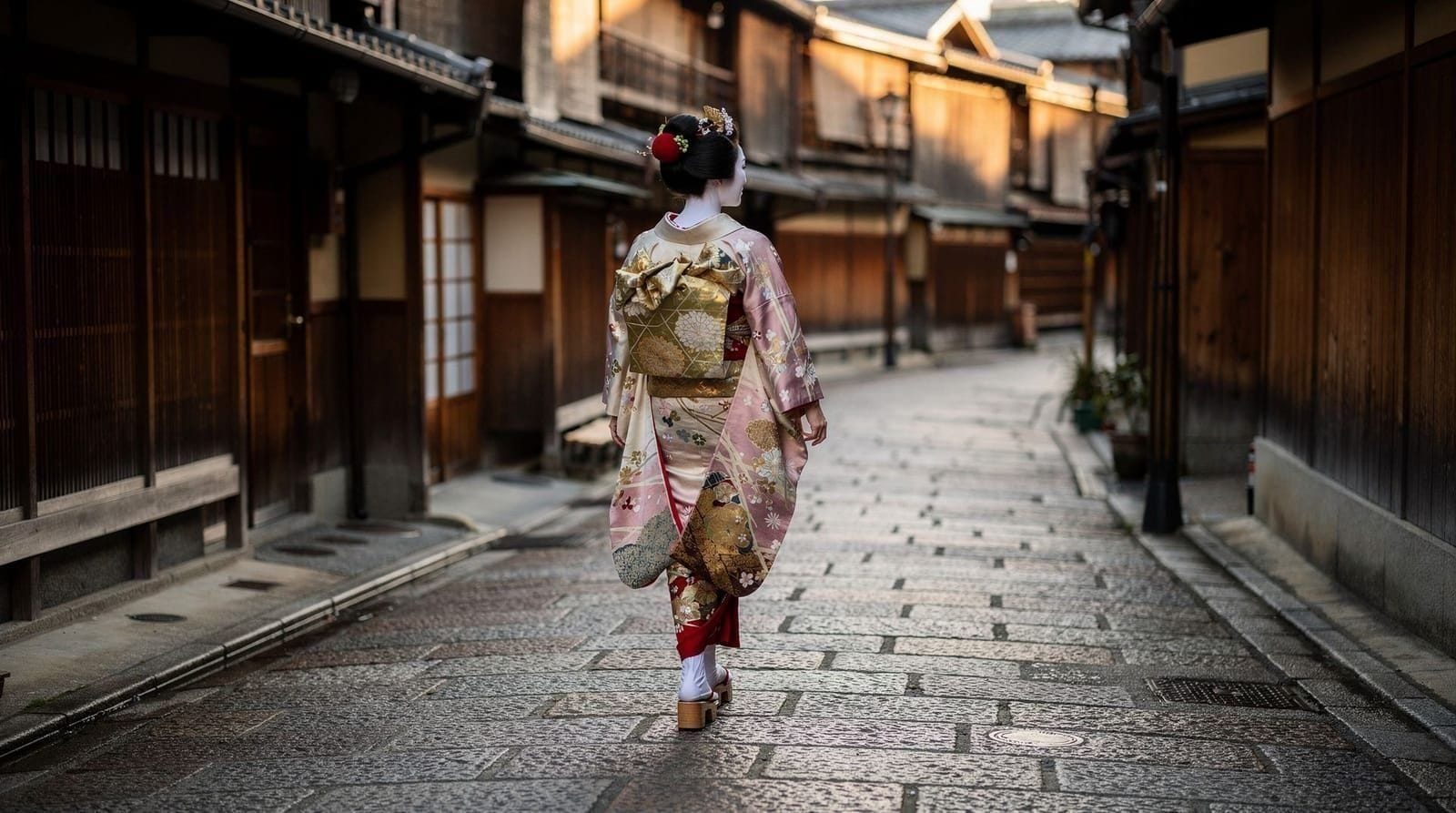
In Kyoto, geisha are called geiko, and their apprentices are called maiko — a regional distinction from the more generally used term “geisha” that’s specific to Kyoto’s hanamachi (flower town) districts. Becoming a maiko traditionally starts in the mid-teens (now typically after completing compulsory education), involving years of training in traditional dance, music, tea ceremony, and conversation before formally debuting as a geiko, usually in the early twenties. Both wear elaborate kimono and distinctive white makeup for performances, though the styles differ — maiko wear more elaborate, colorful obi and hair ornaments, while geiko’s dress is comparatively understated, a visual marker of the seniority transition.
The ochaya system: why you can’t just walk in
Entertainment happens inside ochaya (teahouses), which operate on an introduction-only basis — new clients need a personal introduction from an existing regular customer, a system historically designed to maintain trust and screen out unreliable guests, and one that still functions largely as it always has. This is the core reason casual tourists can’t book an evening with a geiko directly; the ochaya aren’t public venues, and the private, invitation-based entertainment inside them isn’t something a walk-in booking or a hotel concierge can typically arrange.
Public performances do exist — Miyako Odori, an annual spring dance performance held each April, and Gion Corner’s tourist-oriented cultural shows, which include brief geiko or maiko demonstrations alongside other traditional arts — but these are a different, more accessible category from a private ochaya evening.
Kyoto’s five hanamachi districts
Gion Kobu is the largest and most famous of Kyoto’s five geisha districts, followed by Gion Higashi, Pontocho (along the Kamo River, known for its narrow alley of restaurants), Miyagawacho, and Kamishichiken, the city’s oldest hanamachi. Each maintains its own registered geiko and maiko, its own annual public dance performance, and slightly different architectural character, though Gion Kobu draws by far the most visitor foot traffic given its location near Yasaka Shrine and Kiyomizu-dera.
The photography problem, honestly
Chasing geiko or maiko for street photos — blocking their path, following them into alleys, or photographing them without consent as they move between appointments — became frequent enough that parts of Gion’s private alleys were closed to tourists starting in 2024, with posted fines (around ¥10,000) for entering restricted lanes. This isn’t a blanket ban on photography in Gion generally; it’s a response to specific behavior toward working performers who are, in effect, on their way to a private client appointment rather than posing for tourists. A licensed guided tour is a genuinely better way to experience the district’s culture than treating the street as a photo hunt.
Gion geisha district guided walking tour explains the ochaya system and the district’s history directly, without any expectation of encountering or photographing performers along the way.
Guided experiences that go deeper
Several tours frame the district specifically around its stories and history rather than sightseeing alone, walking through Hanamikoji and the preserved streets while explaining the maiko apprenticeship system and the ochaya introduction process in more depth than posted signage ever does.
World of the geisha guided walking tour covers this history in detail, useful for visitors who want context beyond a passing walk through the neighborhood.
A smaller number of experiences include an arranged, respectful encounter with a maiko or geiko performer as part of a scheduled cultural program rather than a chance street photo.
Enchanted time with maiko and Gion cultural walking tour arranges this kind of interaction properly, through the same introduction-based system locals use rather than an improvised street encounter.
Evening in Gion
Gion’s atmosphere shifts noticeably after dark, when lanterns light Hanamikoji Street and the wooden facades of the ochaya take on a different character than in daylight — this is also, not coincidentally, when geiko and maiko are most likely to be seen moving between appointments, which is part of why evening walking tours are popular, alongside the simple fact that the district looks better lit at night.
Night walk in Gion, the geisha district covers this evening atmosphere specifically, timed around when the neighborhood is most active without encouraging pursuit of individual performers.
Getting to Gion
Gion sits on the eastern side of central Kyoto, a short walk from Gion-Shijo Station on the Keihan Main Line or a slightly longer walk from Kawaramachi Station on the Hankyu Kyoto Line. It connects directly, via the Higashiyama slope streets, to Kiyomizu-dera to the south, making an afternoon-into-evening Gion visit a natural extension of a Kiyomizu-dera day.
How much a genuine ochaya evening actually costs
For context on why the introduction-only system exists as much as it does, a private ochaya evening with geiko or maiko entertainment historically runs into the hundreds of thousands of yen per person once food, drink, and the performers’ time are included — a cost structure that has always limited direct access to wealthy regulars, corporate entertainment budgets, and, increasingly, high-end travel arrangements through specialized concierge services rather than casual visitors booking through standard tourism channels.
This pricing reality is part of why the guided walking tours and cultural programs covered above represent the realistic, accessible way most travelers engage with the culture rather than a lesser substitute for something they simply couldn’t afford otherwise.
Miyako Odori and other public performances
Miyako Odori, Gion Kobu’s annual public dance performance, has run each April since 1872 (with occasional interruptions, including a hiatus following the COVID-19 pandemic before it resumed), featuring elaborately costumed maiko and geiko performing choreographed dances accompanied by traditional music — the single most accessible, legitimate way for visitors to see performers in a formal artistic context rather than a passing street encounter.
Tickets are sold in advance and range from standard seating to premium packages including a brief tea ceremony beforehand. Kamishichiken’s equivalent spring dance, Kitano Odori, runs on a similar seasonal schedule with a smaller, more local audience than Miyako Odori’s more internationally known event.
Recognizing a maiko from a tourist in kimono
A frequent point of confusion for visitors is distinguishing an actual maiko from a tourist wearing a rented kimono with a similar aesthetic. Genuine maiko wear a distinctive, elaborately tied obi with a long trailing knot (darari obi), platform sandals called okobo, and an elaborate hairstyle using their own hair rather than a wig in most cases, styled with specific ornamental hairpins (kanzashi) that change design monthly to reflect the season — details considerably more intricate than a standard tourist kimono rental package.
Maiko also move at a distinctive, deliberate pace in okobo sandals, different from an ordinary walking gait. None of this is meant as a test visitors need to pass, but recognizing the difference helps explain why locals can immediately tell a working performer from a costumed tourist, even at a glance.
Gion’s architecture and preservation efforts
Gion’s machiya townhouses — narrow-fronted wooden buildings with deep interior layouts, historically taxed based on street frontage width, which is why they extend so far back from the street — are protected under Kyoto’s historic preservation ordinances, restricting exterior modifications and, in the core Hanamikoji area, even signage and lighting choices to maintain the district’s traditional appearance. This preservation is part of why Gion looks so consistently period-appropriate compared to more commercially modernized parts of central Kyoto, though it also means the ochaya and shops operating inside these buildings face real constraints on renovation and expansion that ordinary Kyoto businesses don’t.
The economics behind Gion’s continued existence
Maintaining Kyoto’s hanamachi tradition requires ongoing investment — years of unpaid training for maiko, expensive kimono and hair ornaments replaced regularly, and the maintenance of historic ochaya buildings — costs that have made the geiko and maiko population decline significantly from its pre-war peak of several thousand to a few hundred today across all of Kyoto’s five districts combined. Guided tours and the broader tourism economy around Gion, done respectfully, form part of the modern financial ecosystem supporting the district’s continued existence, alongside traditional patronage from long-standing local clients.
The training path from shikomi to geiko in more detail
Before formally becoming a maiko, a young woman typically spends roughly a year as a shikomi, an apprentice-before-the-apprentice performing household chores at an okiya (the boarding house managing her training and career) while observing senior maiko and geiko, absorbing etiquette and the district’s rhythms before beginning formal dance and music lessons.
Only after this period, and passing an assessment called minarai (a brief observation stage), does a young woman formally debut as a maiko, undergoing a highly structured, years-long apprenticeship that includes daily lessons in traditional dance schools specific to each hanamachi district — Gion Kobu maiko train under the Inoue school specifically, distinct from the schools used by other districts.
Common visitor questions about respectful engagement
Visitors sometimes ask whether it’s appropriate to greet a geiko or maiko passing on the street — a polite, brief nod or verbal greeting is generally fine and often reciprocated, but stopping them for conversation, blocking their path, or requesting an impromptu photo is not, since they are almost always en route to a scheduled appointment on a tight timetable. If a guided tour offers a scheduled, arranged encounter as part of its program, that’s the appropriate channel for closer interaction rather than attempting to arrange one independently on the street.
Seasonal variation in Gion’s atmosphere
Gion’s character shifts across the year in ways that affect both crowds and the likelihood of spotting performers: spring’s Miyako Odori season brings heightened activity and visitor interest specifically tied to the dance performances, while summer evenings see geiko and maiko moving between appointments in lighter seasonal kimono suited to Kyoto’s heat and humidity. Winter is quieter overall, both in visitor numbers and in the district’s general pace, making it a reasonable season for visitors specifically seeking a calmer, less crowded version of the neighborhood’s atmosphere, even if performer sightings become somewhat less frequent as fewer private events are scheduled during the coldest months.
Where the ochaya system originated
The introduction-only ochaya system traces back to the Edo period, when licensed pleasure and entertainment districts operated under government oversight, and teahouses developed a trust-based referral system partly to manage financial risk (ensuring clients could pay) and partly to maintain a controlled, exclusive clientele befitting the entertainment’s cost and cultural cachet. This historical structure has persisted with remarkably little formal change into the present day, one of the more intact examples of an Edo-period social institution still functioning largely on its original terms in modern Japan.
Geiko and maiko in popular culture versus reality
Films and novels like “Memoirs of a Geisha” have shaped much of the international popular understanding of geiko and maiko, but the book and its film adaptation drew significant criticism from actual geiko and cultural historians for conflating the profession with other forms of licensed prostitution that existed under separate historical systems in Japan — a genuinely important distinction, since geiko and maiko are entertainers and cultural performers specifically, trained in traditional arts, and the conflation has caused lasting confusion among international visitors about what the profession actually involves.
Guided tours in Gion generally address this misconception directly, given how frequently it comes up from visitors who’ve encountered the more sensationalized popular media version before arriving.
The economic reality behind Gion’s tourism boom and its costs
The surge in Gion’s international visibility over the past two decades has brought real economic benefit to the district’s shops, restaurants, and tour operators, but it has also directly caused the specific over-tourism problems — the street harassment of performers, litter, and disruptive photography — that led to the 2024 alley restrictions covered earlier in this guide.
Local Kyoto authorities have described the balance as an ongoing, unresolved tension between welcoming tourism revenue and preserving the district’s function as an actual working neighborhood rather than an open-air theme park, a tension visitors can meaningfully help ease simply by following the guided-tour-over-street-photography approach recommended throughout this guide.
A final practical note
Evening tours generally run later than most other Kyoto activities, often starting after 6pm to align with the district’s liveliest hours, so factor this into a day’s overall schedule rather than assuming it fits neatly alongside an early dinner reservation elsewhere in the city.
A brief note on nearby districts with a similar character
Pontocho, one of Kyoto’s other four hanamachi districts, sits along the Kamo River a short walk from Gion and offers a narrower, more intimate version of the same preserved entertainment-district atmosphere, with its own restaurants and occasional geiko or maiko sightings, worth a brief detour for visitors who enjoyed Gion’s character and want to see how a smaller, less internationally famous hanamachi compares.
Gion at different times of year, briefly revisited
Beyond the seasonal notes already covered, Gion’s New Year period brings its own quieter rhythm, with many ochaya and shops observing traditional closures for several days around January 1st, a contrast to the district’s usual evening bustle. Visitors specifically timing a trip around Gion’s cultural calendar should note that this brief winter lull, alongside the spring Miyako Odori season, represents two of the more distinctly different faces the district shows across the year.
A final word on visiting Gion thoughtfully
Gion rewards visitors who approach it as a neighborhood with its own ongoing life rather than purely a backdrop for photographs, and the difference in experience between the two mindsets is genuinely significant — treating the district’s history, its working residents, and its performers with the same basic courtesy extended to any functioning community tends to produce a richer, more memorable visit than an approach centered entirely on capturing a specific shot. Guided tours, done well, model exactly this balance, and remain the most reliable way for a first-time visitor to engage with Gion’s culture without inadvertently causing the kind of friction that’s led to real restrictions in parts of the district.
What else to combine with a Gion visit
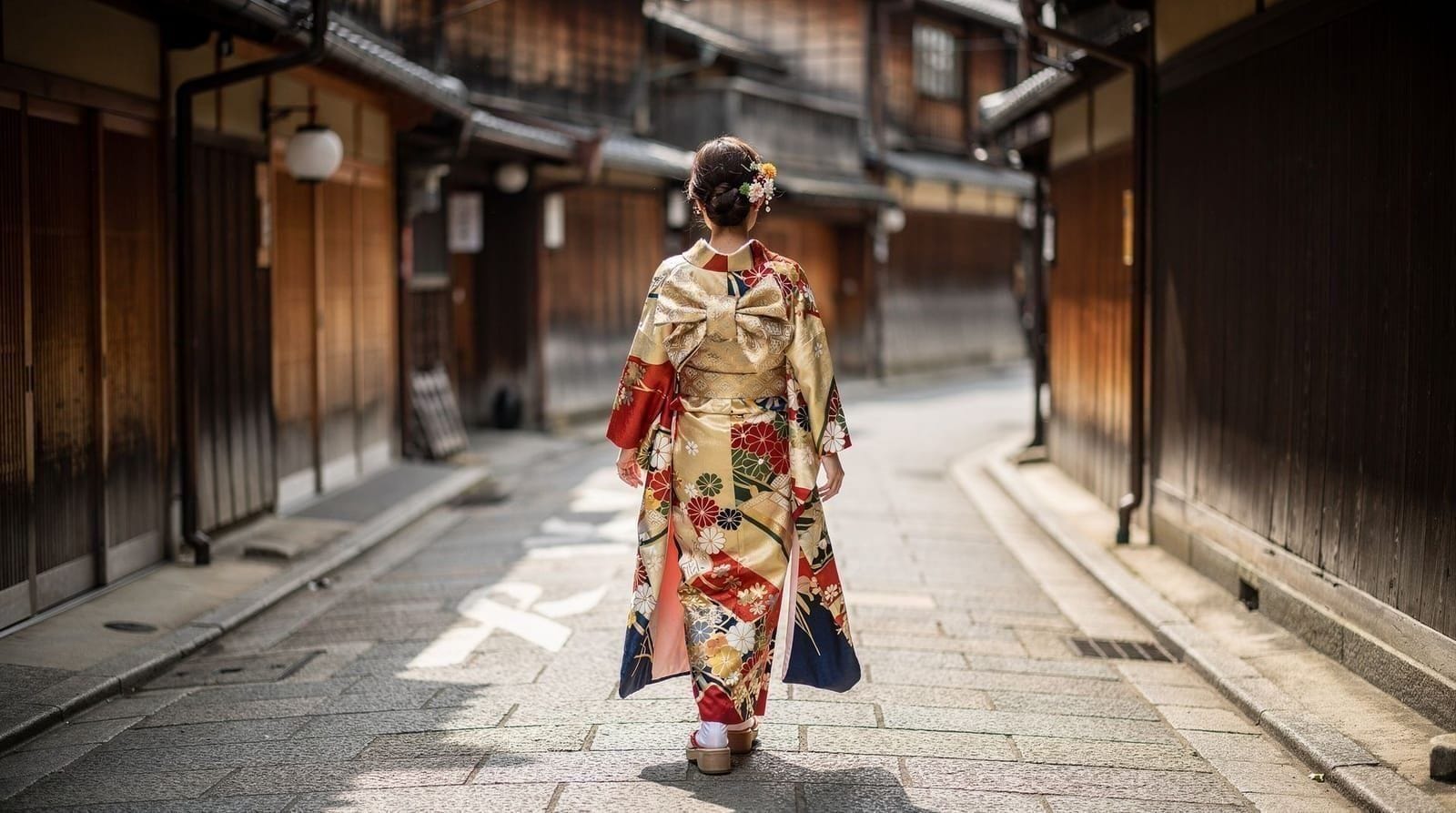
Many visitors pair Gion with a kimono rental for the day, since the district’s preserved streets suit the aesthetic, though it’s worth being especially mindful in a kimono not to be mistaken for, or to imitate, an actual working maiko.
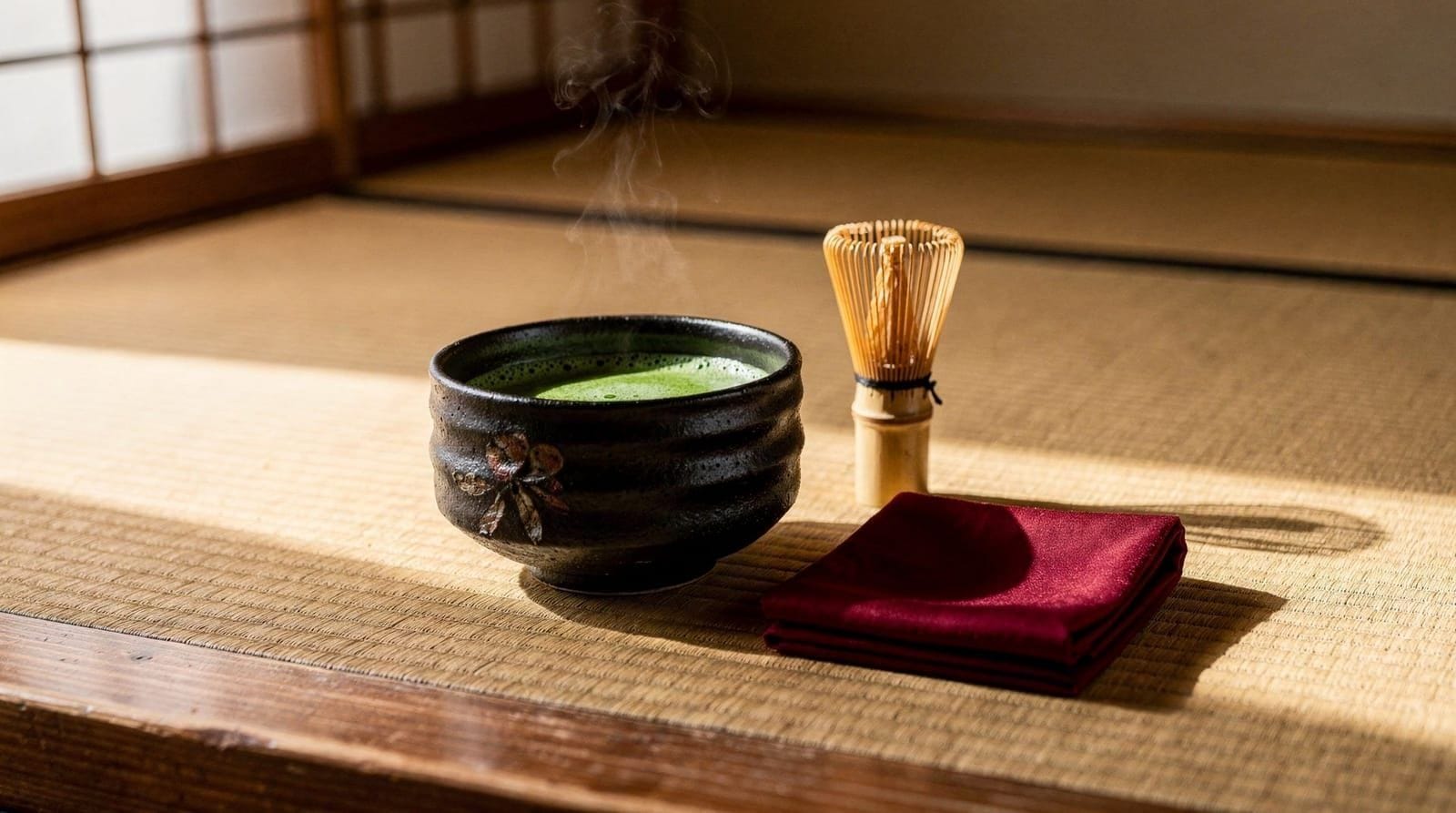
A tea ceremony booked in a machiya near Gion rounds out a cultural afternoon well, and travelers curious about the traditional arts training geiko and maiko undergo — dance, music, calligraphy — may find the calligraphy and crafts guide a useful adjacent read. For overall orientation to the Gion and Higashiyama district and the wider Kyoto destination, see those guides for how to sequence Gion into a multi-day Kyoto stay.
Combining Gion with Osaka-based day trips
Visitors based in Osaka rather than Kyoto can fold a Gion evening into a day-trip structure without much extra logistics — the roughly 30-minute train ride from Osaka Station to Kyoto Station (JR Special Rapid), followed by a short local connection to Gion-Shijo, means an afternoon spent at Kiyomizu-dera or Fushimi Inari can transition naturally into an early-evening Gion walk before heading back to Osaka on one of the frequent late Special Rapid services.
Checking the last convenient return train before committing to an evening tour start time avoids an awkward, expensive late-night taxi back, since Gion’s most atmospheric hours (after 6pm) push later than most single-day Kyoto itineraries otherwise run.
What a scheduled maiko encounter through a tour actually involves
The arranged encounters offered on some cultural walking tours are typically brief, formal sessions — a maiko or geiko performing a short dance, pouring tea, or posing for a few structured photos within a private or semi-private setting, quite different from an informal street meeting. These are booked in advance through the operator’s own relationships within the ochaya system, and photography rules within the session are usually explained clearly by the guide beforehand, removing the ambiguity that causes friction on the open street.
Independent walk versus guided tour
| Independent walk | Guided tour | |
|---|---|---|
| Cost | Free | Varies by operator |
| Historical context | Limited signage in English | Explained directly |
| Risk of missteps | Higher — easy to unknowingly enter restricted alleys or crowd a performer | Lower — guides route around sensitive areas |
| Chance of a respectful encounter | Rare, unplanned | Sometimes arranged as part of the program |
For a first Gion visit specifically, a guided walk earns its cost mostly by removing the guesswork around what’s respectful and what isn’t — the restricted-alley signage and the etiquette around performers aren’t always obvious to a first-time visitor reading a map alone.
Top experiences
Bookable activities with verified prices and instant confirmation on GetYourGuide.