Calligraphy and traditional crafts in Kansai
Nara: Nara Horyu-ji guided tour write name kanji
Where can I try Japanese calligraphy in Kansai?
Kyoto offers a zen calligraphy (shodo) session led by a temple head priest, Nara's Horyu-ji temple runs a kanji name-writing experience alongside its 7th-century architecture, and Uji combines calligraphy with tea ceremony and a walk through actual tea fields.
| Where | Kyoto temple, Nara’s Horyu-ji, or Uji |
| Cost | Around ¥2,000-10,000 depending on format |
| Time needed | 60-90 minutes seated, or a half-day combined program |
| Best for | A calmer break from temple-hopping; families (Horyu-ji option) |
| Booking | Advance recommended for English-speaking instructor slots |
Shodo, the traditional art of Japanese calligraphy, uses the same tools — brush (fude), ink stick (sumi) ground against an inkstone (suzuri), and washi paper — that have shaped written communication in Japan for over a thousand years, and several Kansai temples now offer visitor sessions that double as a quiet, meditative counterpoint to a day of temple-hopping. Unlike some cultural experiences aimed squarely at tourists, calligraphy sessions here are often taught by practicing priests or monks for whom shodo is a genuine daily discipline rather than a performance built for visitors.
Zen calligraphy with a temple head priest in Kyoto
A session held directly with a temple’s head priest combines brush technique instruction with the underlying Zen philosophy behind the practice — the idea that a single, deliberate brushstroke, executed without hesitation or correction, reflects a state of focused mindfulness rather than technical polish. Participants typically practice basic characters before attempting a full piece to take home.
Zen calligraphy experience with a temple head priest runs roughly 1.5 hours and is often paired with the same temple’s zazen meditation sessions, since both practices share a similar emphasis on focused, unhurried movement.
Writing your name in kanji at Horyu-ji
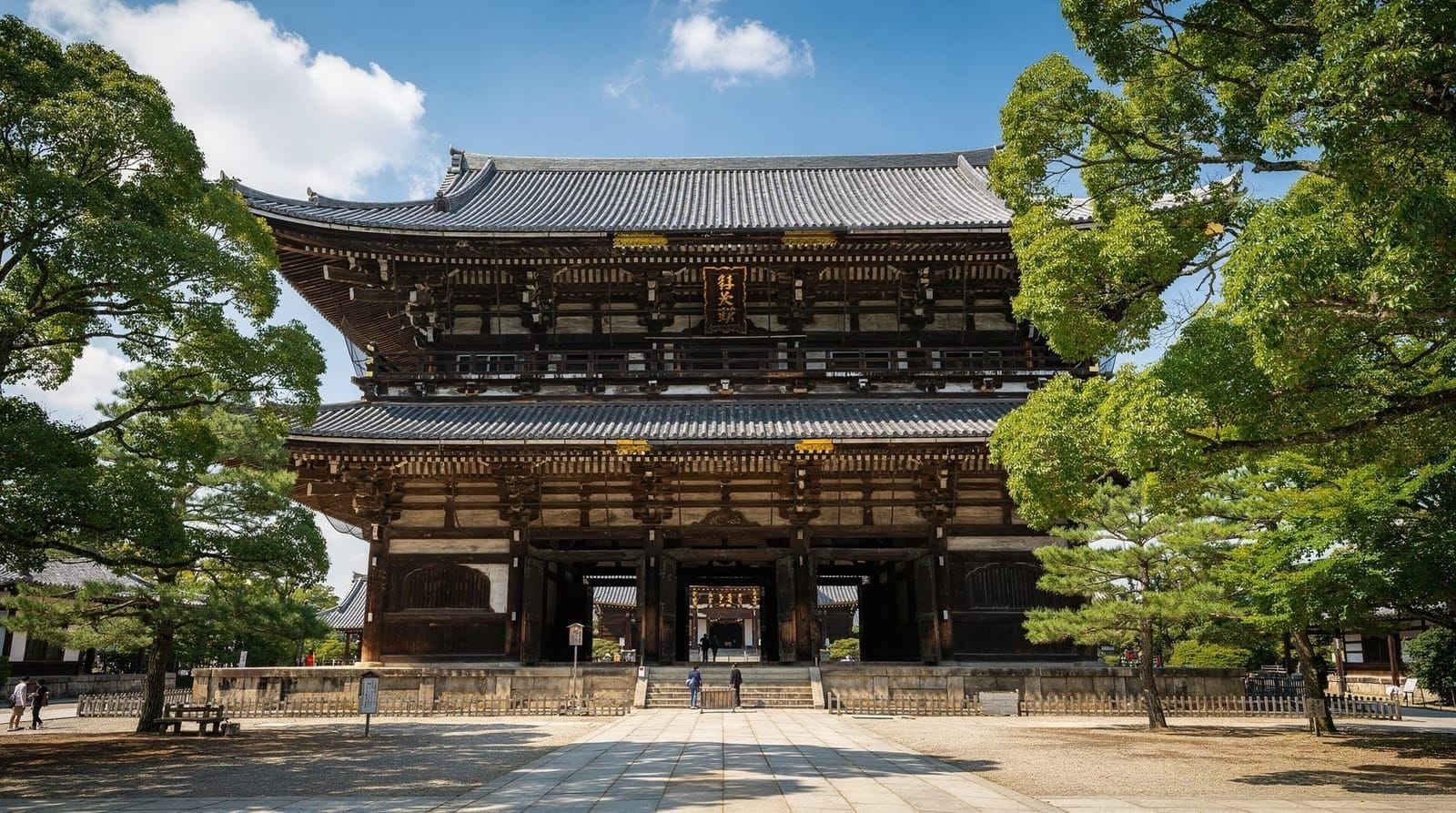
In Nara, Horyu-ji — believed to include the oldest surviving wooden buildings in the world, dating to the early 7th century — runs a guided experience where visitors learn to write their own name using kanji characters chosen to approximate the sound or meaning of their name, a popular and genuinely personal souvenir-making activity.
Horyu-ji guided tour: write your name in kanji combines this activity with a tour of the temple’s UNESCO-listed 7th-century architecture, giving historical context most visitors wouldn’t get from the calligraphy lesson alone.
A fuller Horyu-ji day trip from Osaka
For visitors basing themselves in Osaka rather than Nara or Kyoto, a longer program combines the Horyu-ji visit with lunch and the calligraphy lesson into a single day-trip package, useful for avoiding separate transit planning to reach this somewhat out-of-the-way temple, which sits further from central Nara than Todai-ji or Kasuga Taisha.
Horyu-ji guided tour with lunch and calligraphy from Osaka is the most complete single booking for travelers who want the temple, a meal, and the writing activity handled together.
Uji: calligraphy alongside Japan’s tea heartland
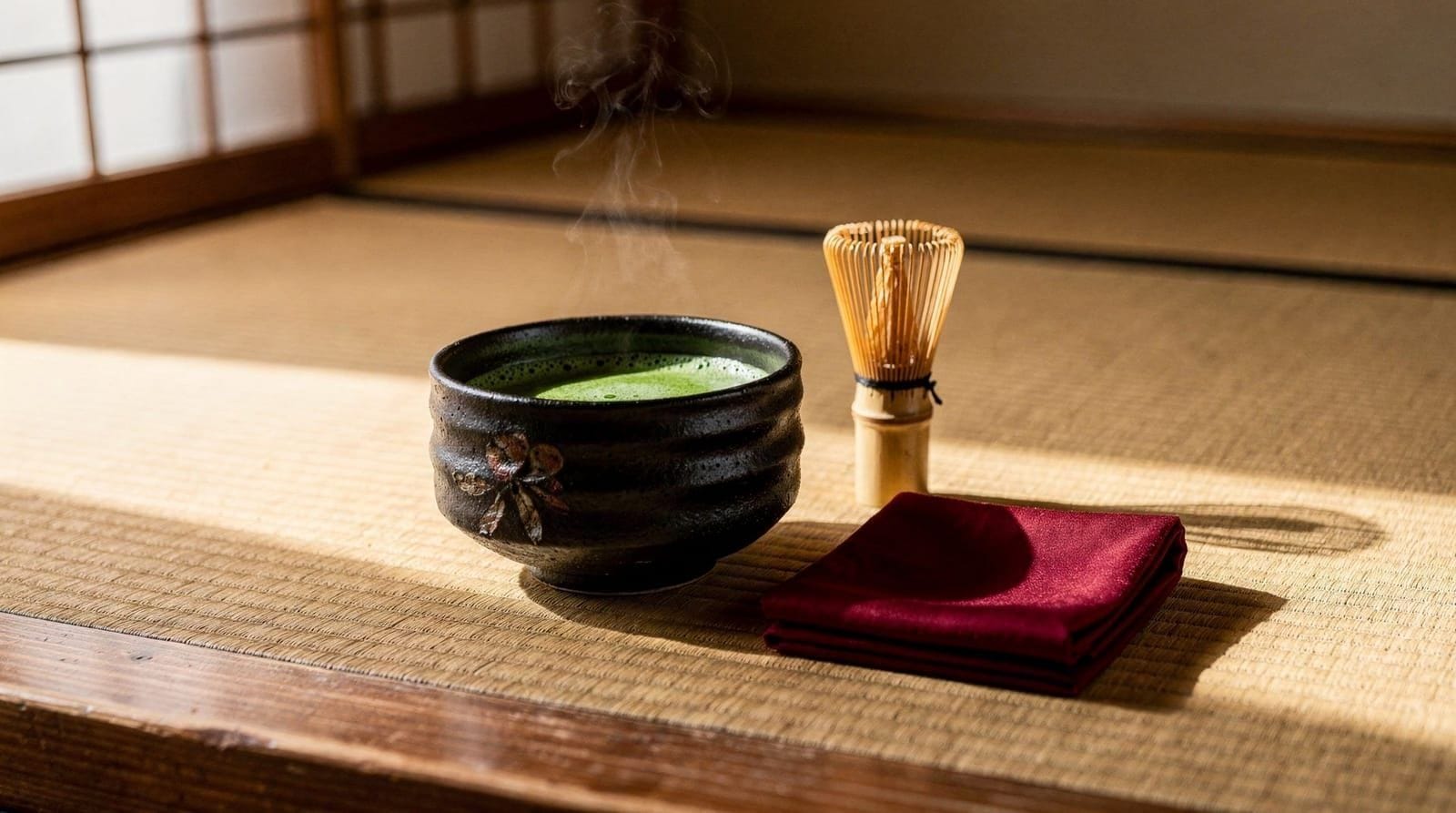
Uji, the birthplace of Japanese tea cultivation since the 13th century, offers a combined experience pairing tea ceremony, calligraphy, and a walk through actual working tea fields — a genuinely different setting from the temple-based calligraphy sessions in Kyoto or Nara, framed around the region’s tea culture rather than Buddhist or Zen practice specifically.
Uji tea ceremony, calligraphy, and tea field walking tour combines three distinct traditional activities into a single half-day, worth considering for travelers who want variety over a single deep-dive experience.
Other traditional crafts worth knowing about
Beyond calligraphy specifically, Kyoto maintains a wider traditional crafts scene worth exploring for travelers with a particular interest — Kiyomizu-yaki pottery, associated with the Kiyomizu-dera area and available through workshop-style painting sessions on pre-fired ceramics, and Nishijin textile weaving, a centuries-old silk-weaving tradition tied to Kyoto’s historic textile district. Neither is as widely bookable through standard tour platforms as the calligraphy sessions above, but both are findable through dedicated craft workshops for travelers seeking them out directly.
The four treasures of the study
Traditional shodo relies on what’s classically called the “four treasures of the study” — the brush (fude), ink stick (sumi), inkstone (suzuri), and paper (washi). Grinding the ink stick against water on the inkstone to produce liquid ink is itself considered part of the meditative preparation, a slow, deliberate process that visitor sessions sometimes simplify using pre-made liquid ink to save time, though some of the more immersive temple-based experiences preserve the full grinding process specifically because it’s considered part of the practice’s calming effect rather than a mere preliminary step.
Brushes vary in size and stiffness depending on the character size being written, and washi paper’s absorbent, slightly textured surface is part of why brushstrokes bleed and vary in a way that’s difficult to replicate on ordinary printer paper.
Common kanji characters taught to beginners
Beginner sessions typically start with simple, commonly recognized characters — words like “peace” (heiwa or wa), “dream” (yume), “love” (ai), or a person’s own name rendered phonetically or by meaning — chosen partly for their visual balance and partly for their approachable stroke count compared to more complex characters. Instructors typically demonstrate the correct stroke order first, since kanji characters follow a specific, standardized sequence of strokes that affects both the character’s final appearance and the practitioner’s ability to write fluidly, a detail that surprises visitors who assume any stroke order would produce the same result.
Horyu-ji’s broader historical significance
Beyond its calligraphy program, Horyu-ji holds UNESCO World Heritage status specifically for containing the oldest group of wooden buildings in the world still standing, a designation that places it in a different historical category from most of the other temples covered across this site, whose current structures are typically centuries-younger reconstructions after repeated fires. The temple complex includes a five-story pagoda and main hall (Kondo) both dating to the late 7th or early 8th century, along with a collection of Asuka and Nara-period Buddhist statues considered among the most significant in Japan.
Is a calligraphy session worth booking?
For most visitors, yes, particularly as a lower-energy activity to balance against a day of walking between temples — sessions typically run 60-90 minutes seated, require no prior skill, and produce a genuine, personal souvenir rather than a purchased item. The Horyu-ji kanji-name activity in particular appeals to families and younger visitors, since writing your own name is a more immediately engaging task than freeform calligraphy practice for someone with zero background in the art.
Calligraphy as a gift or keepsake
A finished calligraphy piece, whether a name written in kanji or a chosen word like “peace” or “gratitude,” makes a genuinely personal souvenir distinct from purchased goods, and several sessions offer simple mounting options (a small frame or a scroll-style backing) to protect the piece for travel and display once home. For visitors traveling with limited luggage space, most instructors can roll or flatten the paper for safe packing, though a rigid protective tube, sometimes available for purchase on-site, better protects the piece than folding it into a suitcase.
Uji as a full day trip beyond the calligraphy activity
Uji itself, beyond the combined tea-and-calligraphy experience, is worth a fuller day for travelers with time — the UNESCO-listed Byodo-in temple, whose Phoenix Hall appears on the ¥10 coin, sits alongside the Uji River and a historic tea-shop district selling everything from ceremonial-grade matcha to matcha-flavored sweets and soft-serve ice cream, a lighter, food-focused counterpoint to the more formal tea ceremony and calligraphy activities. Reaching Uji takes about 15-20 minutes by train from central Kyoto via the JR Nara Line or Keihan Uji Line, making it an easy half-day or full-day add-on to a broader Kyoto stay.
Combining calligraphy with a broader crafts-focused day
Travelers with a specific interest in traditional Japanese crafts beyond calligraphy might build a day around Kyoto’s Nishijin textile district, a Kiyomizu-yaki pottery painting session near Kiyomizu-dera, and a calligraphy lesson, sequencing hands-on, seated activities that don’t require the same physical stamina as a temple-hopping day — a reasonable lower-intensity alternative for travelers wanting a break from walking-heavy sightseeing partway through a longer Kansai trip.
Kiyomizu-yaki pottery in more depth
Kiyomizu-yaki, the pottery style historically produced in kilns near Kiyomizu-dera, is characterized by fine, often hand-painted porcelain and stoneware, ranging from simple, rustic tea bowls suited to everyday use to elaborately decorated ceremonial pieces used in formal tea ceremony settings.
While large-scale kiln production has largely relocated away from the immediate Kiyomizu-dera neighborhood due to urban development pressures over the past century, small studios and painting-experience workshops in the area let visitors decorate a pre-fired, unglazed piece (typically a small bowl, cup, or plate) with their own design, which is then glazed and fired by the workshop and shipped home afterward, since the firing process takes longer than a single visit allows.
Nishijin textile weaving and where to see it
Nishijin-ori, Kyoto’s centuries-old silk-weaving tradition named for the district where it developed, produces some of Japan’s most prized textile work, historically used for elaborate obi belts and formal kimono fabric featuring intricate woven patterns rather than printed or dyed designs. The Nishijin Textile Center offers demonstrations and occasional hands-on weaving experiences for visitors, along with a kimono fashion show format aimed at giving tourists a broader sense of the craft’s history and continued relevance to Kyoto’s identity as a textile center, distinct from the calligraphy and pottery experiences covered elsewhere in this guide.
Pricing across the calligraphy and craft experiences
The Kyoto zen calligraphy session with a temple head priest typically runs ¥4,000-7,000 per person for roughly 1.5 hours, reflecting both the instruction and the personal nature of a small-group or private session with a senior temple figure. The Horyu-ji kanji-writing experience in Nara is generally priced lower, often ¥2,000-4,000, given its shorter, more standardized format aimed at a broader range of visitors including families. The combined Uji tea ceremony, calligraphy, and tea field walk runs higher overall given its multi-activity format, typically ¥6,000-10,000 per person for a half-day program.
Accessibility for craft and calligraphy sessions
Unlike outdoor temple hikes, calligraphy and most craft sessions are seated activities in indoor or covered settings, making them broadly accessible for visitors with mobility limitations who might otherwise struggle with Fushimi Inari’s stone steps or Kiyomizu-dera’s hillside approach. Tatami seating is standard at most temple-based sessions, though chair or low-table alternatives are often available on request for guests who cannot kneel or sit cross-legged comfortably for an extended period.
Bringing calligraphy supplies home
Beyond the finished piece itself, some sessions offer the option to purchase a basic calligraphy set — a smaller brush, an inkstone, and a starter ink stick — as a souvenir for visitors who want to continue practicing after returning home. These starter sets run roughly ¥2,000-5,000 depending on quality, a modest additional cost for visitors who found the practice genuinely engaging rather than a one-time novelty, and instructors are generally happy to give basic guidance on continuing practice independently for guests who ask.
The relationship between calligraphy and Zen koan practice
In the Rinzai Zen tradition specifically, calligraphy sometimes intersects directly with koan practice — the paradoxical questions used to short-circuit ordinary logical thinking — through a genre called zenga, ink paintings and calligraphic works produced by Zen monks as a spontaneous expression of insight rather than formal artistic training, often featuring bold, deliberately imperfect brushwork quite different from the more polished, classically trained calligraphy style taught in most visitor sessions. Some temples display historical zenga pieces alongside their visitor calligraphy programs, giving context on how the same basic tools and gestures can produce very different results depending on the practitioner’s tradition and intent.
How calligraphy connects to Japan’s broader writing system history
Japanese calligraphy’s kanji characters derive originally from Chinese characters imported over many centuries, adapted alongside Japan’s own phonetic syllabaries (hiragana and katakana) into the mixed writing system used today. Shodo as practiced in temples generally focuses on kanji and occasionally the more flowing, cursive hiragana script, both of which carry centuries of aesthetic tradition around brush pressure, stroke rhythm, and spacing that a single beginner lesson can only begin to introduce, though even a first attempt gives a tangible sense of why the practice is considered an art form rather than simply handwriting.
Calligraphy’s place in Japanese education
Shodo remains part of standard Japanese primary school curriculum, meaning most Japanese adults have at least basic childhood training in brush technique and stroke order, even if they don’t continue formal practice into adulthood — a level of cultural familiarity that contrasts with how novel and specialized the practice appears to most international visitors encountering it for the first time as adults. This educational grounding is part of why calligraphy carries such broad cultural resonance in Japan beyond its religious or artistic applications, functioning as a shared childhood reference point across generations in a way few Western equivalents quite match.
A final practical checklist
Confirm whether a session provides pre-mixed ink or the full traditional grinding process, how the finished piece is packaged for travel, and whether an English-speaking instructor is guaranteed for the specific time slot booked, since availability can vary between individual sessions at the same venue. Bringing a rigid folder or tube for the return flight protects a paper piece better than folding it into a suitcase, and most instructors are happy to suggest simple care instructions for keeping the ink from smudging during transport home.
Choosing between English-led and Japanese-only sessions
Most tour-platform-bookable calligraphy and craft sessions in Kansai advertise English-language instruction explicitly, but the level of fluency varies — some instructors are genuinely bilingual and explain the cultural and technical background in depth, while others operate with a more limited set of rehearsed English phrases sufficient to guide the physical steps but not to answer open-ended questions. Reading recent reviews for the specific listing, rather than assuming a general “English available” tag guarantees a deep explanation, is a reasonable way to set expectations before booking, particularly for travelers specifically interested in the philosophical or historical context rather than just the hands-on activity itself.
A brief note on booking these experiences together
Several tour platforms allow bundling a calligraphy session with a related activity, such as a temple tour or tea ceremony, into a single booking rather than arranging each separately, which can simplify logistics for travelers building a single cultural-immersion day out of several smaller experiences rather than one longer activity.
A note on managing expectations for skill level
No calligraphy or craft session expects prior artistic ability, and instructors are well accustomed to guiding complete beginners through their first attempt at brushwork or pottery painting. The goal across all of these experiences is genuine engagement with the craft and its cultural context, not producing gallery-quality work, and approaching the activity with that mindset tends to make it considerably more enjoyable than worrying about the technical quality of the finished piece.
Seasonal considerations for craft sessions
Unlike outdoor sights tied to cherry blossom or koyo timing, calligraphy and craft sessions run essentially year-round with no meaningful seasonal variation in the activity itself, since they take place indoors or under cover regardless of weather. This makes them a genuinely useful flexible booking for filling a rainy-day slot, a rest day between heavier sightseeing days, or a summer afternoon when the heat makes outdoor temple-hopping less appealing — worth keeping in a back pocket rather than only scheduling on an otherwise-open day, since a session can usefully absorb a day whose original outdoor plan falls through.
Regional variations beyond Kansai worth knowing
While this guide focuses on Kansai’s specific calligraphy and craft offerings, it’s worth knowing that shodo instruction and pottery-painting experiences exist across Japan, including in Tokyo and other major cities — Kansai’s advantage is less about calligraphy being unique to the region and more about the depth of temple culture here, which makes a priest-led session feel more historically grounded than an equivalent studio class elsewhere. Visitors splitting a trip between Kansai and Tokyo needn’t feel they must fit calligraphy in specifically during the Kansai leg, though the temple-based framing here is arguably richer than a standalone studio class found elsewhere.
Why these lower-key experiences often become trip highlights
Compared to major temple sights that draw large crowds and require early starts to enjoy properly, calligraphy and craft sessions offer a genuinely different, calmer register of experience — small groups, seated indoor settings, and direct interaction with a skilled instructor rather than following a self-guided path among hundreds of other visitors. Travelers reviewing their Kansai trips after the fact frequently single out one of these quieter, more personal cultural sessions as a standout memory, often ahead of the more famous but more crowded temple visits that anchored the rest of the itinerary.
Pairing calligraphy with the rest of a Kansai trip
A Kyoto calligraphy session pairs naturally with a zen meditation session at the same or a nearby temple, or with a tea ceremony for a fuller cultural half-day. The Horyu-ji option fits well into a Nara day trip built around Todai-ji and Kasuga Taisha, though it requires extra transit time given Horyu-ji’s more remote location relative to central Nara Park. For overall trip planning around Kyoto and how a calligraphy session fits into a broader cultural itinerary, see the main Kyoto destination guide.
Comparing the three main options
| Experience | Format | Best for |
|---|---|---|
| Kyoto temple session | Formal, priest-led, Zen-focused | Adults wanting depth over novelty |
| Horyu-ji kanji-name | Short, standardized, family-friendly | Families, first-timers, souvenir focus |
| Uji combined tea + calligraphy | Half-day, multi-activity | Travelers wanting variety in one booking |
Which one to pick largely comes down to how much time and depth you want: the Kyoto temple session rewards travelers genuinely curious about the philosophy behind the brushwork, Horyu-ji’s kanji-name activity is the fastest, most approachable option for a mixed-age group, and Uji’s combined program suits travelers who’d rather bundle several cultural touchpoints into a single half-day than book each separately.
Top experiences
Bookable activities with verified prices and instant confirmation on GetYourGuide.