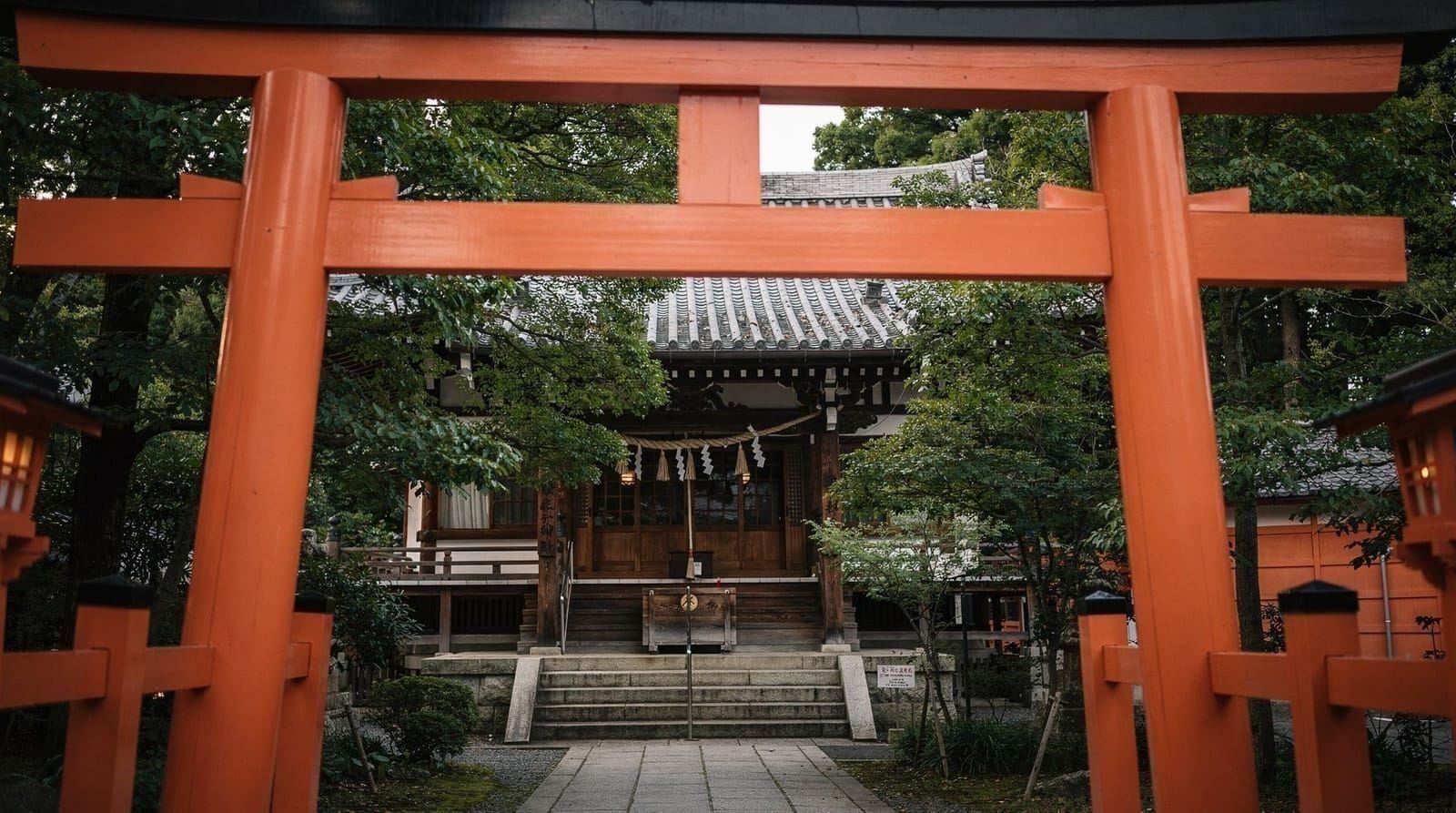
Uji matcha guide
Uji: Uji matcha UNESCO history expert guide
Why is Uji matcha considered Japan's best?
Uji has grown shaded green tea since at least the 13th century, and its microclimate, soil, and centuries of accumulated technique produce some of Japan's highest-graded matcha and gyokuro. A tasting session comparing grades runs ¥1,500-4,000 ($14-37) at most Uji tea houses, while a casual matcha soft-serve or drink costs ¥400-700.
Uji’s reputation as Japan’s premier matcha-growing region predates almost everything else the town is known for, including Byodo-in’s Phoenix Hall. The shading technique that produces the highest grades of matcha and gyokuro was refined here starting around the 13th century, and the terrain along the Uji River — misty mornings, well-drained soil on the surrounding hillsides — turned out to be close to ideal for it. What trips up most first-time visitors isn’t finding matcha in Uji (it’s everywhere on the main shopping street) but understanding what they’re actually tasting, since the difference between a ¥500 soft-serve and a ¥3,000 formal tasting is genuinely significant.
| Where | Uji, between Osaka and Kyoto (main street near Uji Station) |
| Cost | Around ¥400-700 casual; ¥1,500-4,000 formal tasting |
| Time needed | About 1 hour for tasting alone; half a day with Byodo-in |
| Getting there | JR Nara Line — around 20 min from Kyoto, 55-60 min from Osaka |
| Best time | Weekdays outside the late-April to May harvest peak |
What “matcha” actually means, and why grade matters
Matcha is green tea grown in shade for several weeks before harvest, then stone-ground into a fine powder and whisked directly into hot water — unlike most tea, you consume the whole leaf rather than steeping and discarding it, which is why growing conditions and processing quality matter so much more than with steeped tea.
Grades run roughly from ceremonial (the highest, used in tea ceremony and meant to be drunk plain, with a naturally sweet, umami-forward flavor and minimal bitterness) down through premium and culinary grades increasingly suited to being mixed with milk, sugar, or baked into sweets rather than drunk on its own. A tea shop that’s honest about grading will tell you plainly that the matcha in your ¥500 soft-serve is a culinary-grade blend, not the same product as the ¥3,000 ceremonial-grade tasting — and a shop that insists everything it sells is “premium” regardless of price is worth some skepticism.
Matcha versus gyokuro: the distinction that trips people up
Both matcha and gyokuro come from tea bushes shaded before harvest, using the same fundamental technique, but they’re processed completely differently afterward. Gyokuro is dried and rolled into leaf form, like most green tea, and brewed by steeping the leaves in water cooler than you’d use for most tea (around 50-60°C) for a longer time, producing a smooth, intensely umami, low-bitterness cup.
Matcha is instead steamed, dried, and stone-ground into powder, then whisked (not steeped) directly into the cup. Uji producers are unusually particular about explaining this distinction to visitors who ask, since the two are easy to conflate but represent genuinely different traditions and drinking experiences — worth asking about specifically if a tasting session doesn’t already cover it.
Where to taste: casual versus formal options
The main shopping street between Uji Station and Byodo-in is dense with tea shops, ranging from walk-in counters selling matcha soft-serve and bottled cold brew (¥400-700) to shops running formal seated tastings comparing multiple grades side by side (¥1,500-4,000). For a genuinely informative first tasting, a formal comparison — where a shop pours two or three grades in sequence and explains what distinguishes them — is worth the extra cost over grabbing a single soft-serve cone, since it’s the difference between tasting matcha once and actually understanding what you’re tasting.
Private matcha tasting at Tokaan is a smaller, more intimate seated tasting than a walk-in shop counter, held at a dedicated tea house rather than a retail storefront — a reasonable choice if a quieter, more focused session matters more than convenience.
A guided tour if the history and technique interest you
Beyond simply tasting, Uji’s centuries-long relationship with the imperial court, Zen Buddhism, and the tea ceremony tradition is genuinely interesting context that a shop counter alone won’t necessarily provide.
Uji matcha and UNESCO history tour with an expert guide covers the shading technique, the historical trade routes that made Uji tea famous beyond the region, and the tea’s connection to tea ceremony, alongside a tasting — a good option if you want the full picture rather than a stand-alone drink.
Tea ceremony versus casual tasting: which to book
A casual tasting, whether at a shop counter or a seated comparison session, is about the flavor and grading of the tea itself. Tea ceremony (chado or sado) is a different, more formal practice — a ritualized preparation and serving of matcha rooted in Zen philosophy, with specific movements, tools, and etiquette that took shape in Kyoto over centuries, most closely associated with the tea master Sen no Rikyu in the 16th century. Uji, given its tea-growing pedigree, is a genuinely appropriate place to experience a proper tea ceremony rather than a purely tourist-facing simplified version.
Uji tea ceremony, calligraphy, and tea field walking tour combines a formal ceremony with a walk through an actual shaded tea field — worth booking specifically if seeing the shading nets and understanding the growing process, not just the finished drink, interests you.
Seeing where the tea actually grows
Most visitors never see an actual Uji tea field, since the shopping street and Byodo-in sit closer to the town center than the surrounding hillside plantations. The tea field walk included in the calligraphy and ceremony tour above is one of the more direct ways to see the shading nets set up before harvest, a detail that’s hard to appreciate from a shop counter or a bag of leaves alone. New tea harvest happens in late April and May, and visiting during this window gives the best chance of seeing active picking, though the shaded fields themselves are visible year-round.
Pairing a matcha visit with Byodo-in
Most visitors combine a matcha tasting with Byodo-in, Uji’s UNESCO-listed temple whose Phoenix Hall appears on the ¥10 coin — see our Uji destination guide for the temple’s history and ticket details.
Byodo-in temple and tea sweets 90-minute tour bundles the temple visit with a tea-and-sweets stop in a single efficient block, a sensible option if time in Uji is limited to half a day. For a quieter alternative pairing, Uji green tea tour with Byodo-in and Koshoji temple adds Koshoji, a working Zen temple further along the riverbank that sees a fraction of Byodo-in’s crowds.
Matcha sweets worth trying beyond soft-serve
Beyond soft-serve, Uji’s tea shops sell matcha in nearly every dessert format imaginable — warabi mochi dusted in matcha powder, matcha roll cake, matcha parfait layered with red bean and mochi, and matcha-dusted senbei (rice crackers). Prices run ¥400-900 for most individual sweets. A handful of shops also sell matcha-infused savory items, including matcha soba noodles, a genuinely Uji-specific dish worth trying at one of the small restaurants along the main street rather than assuming matcha is purely a dessert flavor here.
Buying matcha to take home
Most tea shops sell tins of matcha powder in a range of grades and price points, typically ¥1,000-5,000 for a 20-40g tin depending on grade — genuinely useful to know since ceremonial-grade matcha loses much of its flavor quickly once opened and exposed to air, so buying a smaller tin closer to your departure date, rather than early in a longer trip, preserves quality better. Shop staff are generally willing to explain which grade suits home use (whisked plain) versus baking or lattes, worth asking directly rather than guessing from packaging alone, since English labeling varies by shop.
How much time to budget
A tasting and a walk through the main shopping street takes about an hour; adding Byodo-in and a sweets stop fills a comfortable half-day. A more involved tea ceremony or field walk experience can extend a visit closer to a full day, particularly combined with Koshoji or Ujigami Shrine on the quieter side of the river.
Matcha whisking: why the tool matters
If a tasting session includes hands-on preparation rather than just drinking a pre-made bowl, the chasen (a finely split bamboo whisk, traditionally hand-carved from a single piece of bamboo) is the specific tool that makes matcha’s texture possible — the whisk’s dozens of fine tines are what produce the light, slightly frothy top layer that distinguishes well-prepared matcha from a clumpy, unevenly mixed bowl.
Skilled whisking uses a quick, light back-and-forth wrist motion rather than stirring, and it takes genuine practice to get the technique right, which is part of why formal tea ceremony training spends considerable time on this single motion before moving on to the broader ritual. Some Uji tea shops sell chasen as souvenirs, worth knowing that a cheap, poorly made whisk will produce noticeably worse results at home than the one used during a shop tasting.
Getting to Uji
From Osaka, the JR Nara Line runs a rapid service via Kyoto Station to Uji in about 55-60 minutes for roughly ¥660. From Kyoto specifically, the same line takes about 20 minutes, making Uji a natural half-day add-on to a Kyoto-based trip rather than a separate journey from Osaka. Full transport detail and seasonal timing notes are in our Uji destination guide.
Comparing Uji to Kyoto’s other tea traditions
Uji’s matcha culture and Kyoto’s formal tea ceremony tradition are closely linked but distinct experiences — Uji is about the tea itself and where it’s grown, while Kyoto proper (particularly around Gion and the city’s Zen temples) is where the formal ceremony practice developed and is most widely offered to visitors today. If you’re deciding how to split time, Uji suits visitors specifically curious about tea grades and growing technique, while a Kyoto tea ceremony booking in Gion or Higashiyama suits those more interested in the ritual practice itself.
The history behind Uji’s tea reputation
Uji’s association with high-quality tea dates to a specific historical moment: the 13th-century Zen monk Myoe, credited with helping spread tea cultivation in Japan after bringing seeds from China, is traditionally said to have planted some of the earliest tea bushes in the Uji area, recognizing the terrain’s suitability. The shading technique that defines the region’s highest grades developed later, refined over subsequent centuries by Uji’s growers specifically to concentrate chlorophyll and amino acids in the leaf, producing the deep green color and umami-forward sweetness that distinguishes ceremonial-grade matcha from unshaded green tea.
By the Edo period, Uji tea had become so closely associated with the shogunate and imperial court that a specific annual ceremony, the ochatsubo dochu (“tea jar procession”), transported freshly harvested Uji tea to Edo (old Tokyo) for the shogun’s use, with the procession granted a level of ceremonial right-of-way on the roads normally reserved for the most senior lords.
Matcha’s global popularity and what that means for Uji today
Matcha’s international popularity boom over the past decade — showing up in cafes, desserts, and packaged drinks worldwide — has had a real, mixed effect on Uji itself. Demand for Uji-grown tea has increased significantly, which has been good for local growers and producers, but it’s also meant some global “matcha” products bear little resemblance to what’s actually sold and tasted in Uji, often blending lower-grade tea from other regions or countries with artificial coloring and flavoring to approximate the taste and color profile.
Visiting Uji directly and tasting genuinely graded, Uji-grown matcha is, in this sense, a corrective to a lot of what passes for matcha in international markets — worth keeping in mind if your only prior matcha experience has been a flavored latte or packaged snack rather than the tea itself.
Health claims and matcha: what’s genuinely supported
Matcha is often marketed abroad with strong health claims — antioxidant content, metabolism effects, focus-enhancing properties from its combination of caffeine and L-theanine (an amino acid found in tea that’s credited with producing a calmer, more sustained alertness than coffee’s sharper caffeine spike). Some of this has genuine scientific grounding, particularly the L-theanine and caffeine combination, which several studies have associated with improved sustained attention compared to caffeine alone.
Other claims circulating in international marketing are considerably more exaggerated than the evidence supports, and Uji’s own tea shops tend to market the product on flavor, grade, and tradition rather than leaning heavily into health claims themselves — a noticeably different framing than much of matcha’s marketing overseas, worth noting as an example of how the product is discussed differently in its place of origin versus its export markets.
A brief comparison: sencha, the everyday alternative
While Uji is most associated with matcha and gyokuro, it’s worth knowing that sencha — ordinary, unshaded green tea, steeped rather than whisked — is Japan’s most commonly consumed everyday tea by a wide margin, including in most households and offices in Uji itself. Sencha doesn’t carry the same prestige or price premium as shaded gyokuro or matcha, but it’s a useful comparison point for understanding why the shading technique matters so much to the reputation of Uji’s premium teas specifically — sencha represents the baseline, everyday version of green tea that shading and specialized processing elevate into something considerably more prized.
Weekday versus weekend crowds on the main shopping street
Uji’s main tea-shopping street gets noticeably busier on weekends and during Japanese national holidays, when day-trippers from both Osaka and Kyoto arrive in larger numbers, sometimes creating short queues at the most well-known tasting counters and soft-serve stands. Weekday visits, particularly outside the late-April to May new tea harvest peak, are considerably calmer and give more room to actually talk with shop staff about grading and technique rather than simply queuing and moving on. If a formal seated tasting or a booked tea ceremony experience is the priority, arriving on a weekday still allows walk-in flexibility that weekends increasingly don’t, especially at smaller tea houses with limited seating.
Building a simple home matcha kit
Beyond a tin of powder, a genuinely usable home setup needs three more things: a chasen (bamboo whisk), a chawan (a wide, shallow bowl that gives the whisk room to move), and ideally a chashaku (a small bamboo scoop for measuring). Most Uji tea shops sell all three, often bundled as a starter set aimed at visitors, and staff can generally explain which chasen density (the number of tines) suits a beginner versus someone with more whisking experience.
A cheap plastic whisk or an ordinary mug will still produce drinkable matcha, but the difference in texture — a light, slightly frothy top layer versus a flat, clumpy surface — is noticeable enough that first-time buyers often regret skimping on the whisk specifically rather than the bowl or scoop.
Packing matcha and a chasen for the flight home is straightforward — powder travels fine in checked or carry-on luggage, and a bamboo whisk, while delicate, survives reasonably well wrapped in clothing inside a suitcase rather than a jacket pocket. Shop staff will usually wrap a purchased set for travel if asked, and it’s worth requesting this specifically if the trip has several more stops before heading home.
Comparing matcha grades at a glance
| Grade | Typical use | Flavor profile | Price range (tin) |
|---|---|---|---|
| Ceremonial | Drunk plain, whisked | Naturally sweet, umami-forward, minimal bitterness | Highest, roughly ¥3,000-5,000 |
| Premium | Lattes, light sweets | Balanced, still smooth but less nuanced | Mid-range, roughly ¥1,500-3,000 |
| Culinary | Baking, soft-serve, mixed drinks | More bitter, stands up to milk and sugar | Lowest, roughly ¥1,000-1,500 |
A shop that’s upfront about which grade goes into your soft-serve versus your seated tasting is generally a shop worth trusting on other claims too. For a broader look at Kyoto-area tea and ceremony options beyond Uji specifically, see the tea ceremony in Kyoto guide.
Combining Uji with a wider Kyoto day
Because Uji sits only about 20 minutes from Kyoto Station, it slots naturally into a day that also includes central Kyoto sights — a morning at Fushimi Inari followed by an afternoon in Uji is a realistic combination for visitors based in Kyoto, though it makes for a fuller day than Uji alone.
Travelers who’d rather pair the tea culture with a kimono photo stop can also work in a kimono rental before or after Uji, since several rental shops operate in both Kyoto and Uji-adjacent areas. For a first-person account of a day built specifically around Uji’s tea culture, see the Uji tea day blog post; for the full transit breakdown from Osaka, the Osaka to Uji day trip guide covers routes and timing in more depth than the summary above.
Frequently asked questions about Uji matcha
What makes Uji matcha different from matcha grown elsewhere in Japan?
Uji has grown shaded tea since at least the 13th century, and the region’s specific soil, climate, and centuries of refined technique are widely credited with producing some of Japan’s highest grades of matcha and gyokuro. Reputation and price both reflect this long-standing specialization.
What’s the difference between matcha and gyokuro?
Both come from shaded tea bushes. Matcha is steamed, dried, and ground into powder, then whisked into hot water. Gyokuro is dried into leaf form and steeped, like most green tea, at a lower temperature than typical green tea for a smooth, low-bitterness cup.
How much does a matcha tasting cost in Uji?
A casual soft-serve or drink runs ¥400-700. A formal seated tasting comparing multiple grades runs ¥1,500-4,000. Tea ceremony experiences with calligraphy or a field walk run higher, reflecting the added time and instruction.
Is Uji worth visiting if I’m not particularly interested in tea?
Yes — Byodo-in’s Phoenix Hall is a significant piece of Heian-period architecture worth seeing on its own merits, and Ujigami Shrine nearby is one of the oldest shrine buildings in Japan. Tea is Uji’s specialty, but not the only reason to visit.
Can I see an actual tea field in Uji, or just shops?
Yes, though it requires seeking it out — most tea fields sit on the hillsides outside the town center rather than along the main shopping street. A guided tour that includes a tea field walk is the most reliable way to see the shading nets and growing process directly.
Should I visit Uji from Osaka or from Kyoto?
Either works, but Kyoto is more convenient — the JR Nara Line covers Kyoto to Uji in about 20 minutes, making it a natural half-day add-on to a Kyoto-based trip, versus roughly an hour direct from Osaka.
Top experiences
Bookable activities with verified prices and instant confirmation on GetYourGuide.