Uji
Uji travel guide from Osaka and Kyoto — matcha tea culture, Byodo-in's Phoenix Hall, and Ujigami Shrine, with real prices and train times.
Uji: Uji Byodo-in temple tea sweets 90 min
Duration: 90 min
Quick facts
- Distance from Osaka
- 45-60 min by train
- Days needed
- 0.5
- Byodo-in entry
- ¥700 (~$6.50)
- Best months
- April-May, October-November
Uji sits on the Uji River between Osaka and Kyoto and has been Japan’s most prestigious matcha-growing region since at least the 13th century, when the local terrain and misty river climate proved ideal for shading tea bushes before harvest — the technique still used to produce high-grade matcha and gyokuro today. It’s also home to Byodo-in, the temple whose Phoenix Hall appears on the back of the ¥10 coin, and a smaller, quieter alternative to central Kyoto for visitors who’ve already done the main temple circuit and want a half-day that’s more about tea than crowds.
| Distance from Osaka | 45-60 min by train (55-60 min via JR Nara Line) |
| Distance from Kyoto | About 20 min by JR Nara Line |
| Days needed | Half a day |
| Cost | Byodo-in ¥700 grounds + ¥300 hall interior |
| Best time | April-May (new tea harvest) or October-November (foliage) |
Getting to Uji
From Osaka, the JR Nara Line runs a rapid service from Osaka Station via Kyoto Station to Uji Station in about 55-60 minutes total, with fares around ¥660 ($6.10). From Kyoto specifically, the same JR Nara Line reaches Uji in about 20 minutes for roughly ¥240 ($2.20), making Uji a natural half-day add-on if you’re already based in Kyoto. The Keihan Uji Line offers an alternative from Kyoto’s Chushojima or Yodoyabashi in Osaka, landing at Keihan Uji Station, a short walk from Byodo-in on the opposite riverbank from the JR station — worth noting since the two stations sit on different sides of the river, connected by the Uji Bridge.
Byodo-in and the Phoenix Hall
Byodo-in was built in 1052 as an aristocrat’s retirement villa and converted to a Buddhist temple the following year, and its Phoenix Hall (Hoo-do) — a pavilion built to resemble a mythical phoenix landing on water, its two wing-like corridors flanking a central hall reflected in the pond in front of it — is one of the few surviving examples of Heian-period (794-1185) architecture in Japan, a period from which very little wooden construction survives given the country’s history of fire, earthquake, and war. The building’s image appears on the reverse of the ¥10 coin and, until a 2024 redesign, on the ¥10,000 note, making it one of the most reproduced pieces of architecture in the country without most visitors realizing it.
General entry to the grounds and garden is ¥700 (~$6.50); a separate, timed-entry ticket (¥300, ~$2.80, limited to small groups on the hour) is required to see the hall’s interior, including a nationally treasured wooden Amida Buddha statue and wall paintings — worth booking or arriving early for, since slots can fill up on weekends.
Byodo-in temple and tea sweets 90-minute tour pairs the temple visit with a tea-and-sweets stop, a practical way to combine Uji’s two headline draws in a single guided block.
Matcha and tea culture
Uji’s status as Japan’s top matcha-producing region predates most other things the city is known for, and the main shopping street between the station and Byodo-in is dense with tea shops, several run by houses that have operated for centuries, offering everything from matcha soft-serve (a lighter, tourist-friendly ¥400-600, ~$3.70-$5.55) to formal tasting sessions comparing different grades and growing methods.
The distinction matters more here than almost anywhere else in Japan: gyokuro (a shaded green tea, brewed rather than whisked) and matcha (ground into powder and whisked with hot water, the base for tea ceremony) come from the same shading technique but are processed differently, and Uji producers are unusually particular about explaining the difference to visitors who ask.
Uji matcha and UNESCO history tour with an expert guide covers the growing technique and the region’s centuries-long relationship with the imperial court and tea ceremony tradition — a more intimate, small-group tasting at a dedicated tea house like Tokaan is a reasonable alternative if a private, quieter session matters more than the historical framing. Private matcha tasting at Tokaan tea house is that quieter option, run in a smaller, more traditional setting than the larger tour groups passing through the main shopping street. See also the Uji matcha guide and the Uji tea day blog post for more on planning a tea-focused visit.
The Tale of Genji Museum
Uji is the setting for the final ten chapters of “The Tale of Genji,” Murasaki Shikibu’s 11th-century novel widely considered the world’s first novel in the modern sense, and the Uji-shi Genji Monogatari Museum, a short walk from Byodo-in, is built specifically around this connection — the “Uji Jujo” (Ten Uji Chapters), a notably darker, more melancholic section of the book than the earlier Kyoto-set chapters.
The museum uses dioramas, short films, and reconstructed room sets to walk through the story’s key scenes, and it’s a genuinely useful stop for context on why Uji shows up so often in classical Japanese literature and art beyond its tea reputation, even for visitors who haven’t read the novel. Entry runs around ¥600 (~$5.55), and the museum is compact enough to see in 45-60 minutes.
Ujigami Shrine
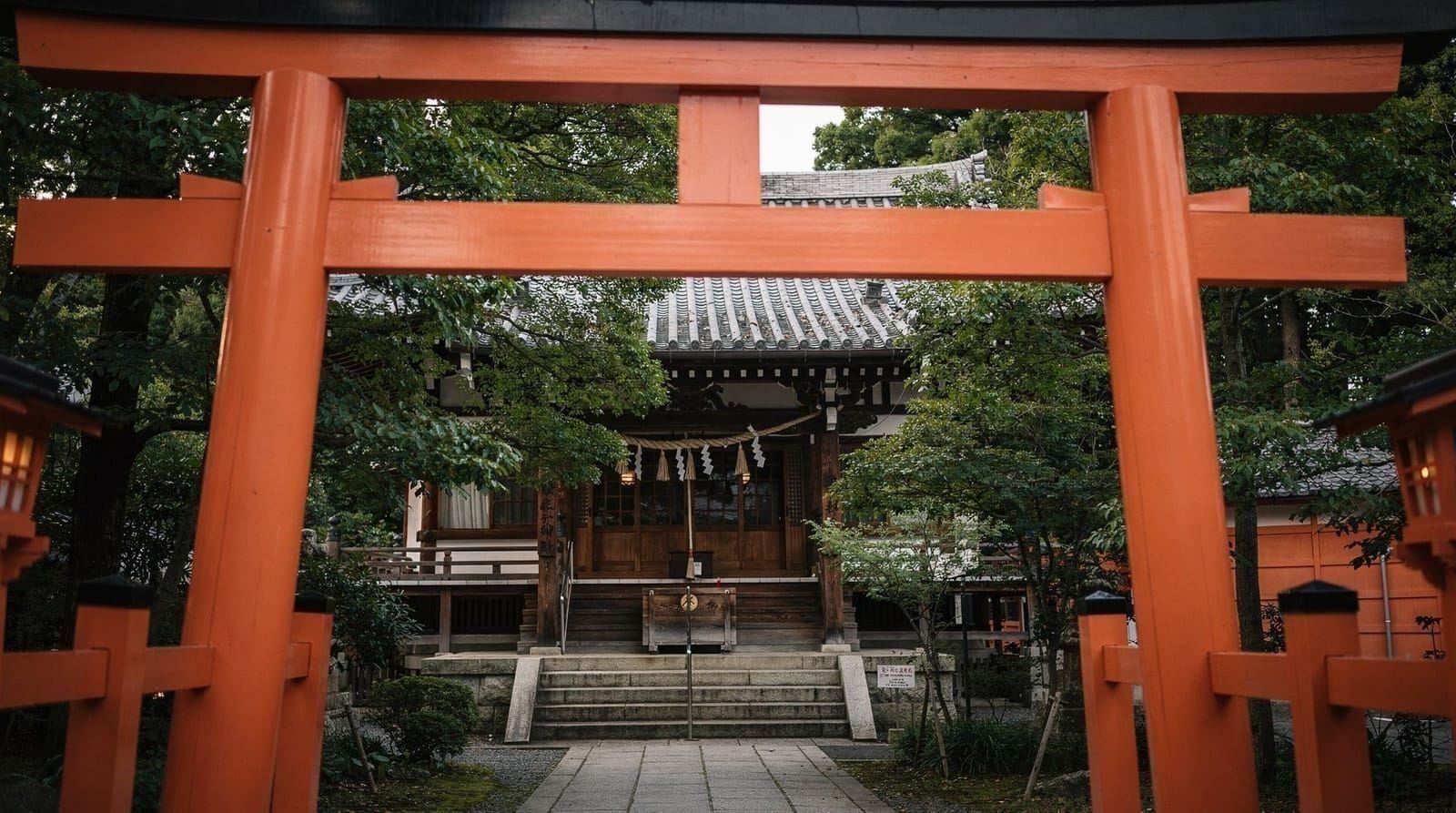
A short walk from Byodo-in, on the opposite side of the river, Ujigami Shrine is a modest but historically significant Shinto shrine believed to house the oldest existing shrine building in Japan, with a main hall dating to the late Heian period (around 1060) — older even than most of what survives in Kyoto proper. It’s free to enter and considerably quieter than Byodo-in, a genuinely peaceful stop that most visitors on a rushed schedule skip, which is exactly why it’s worth the extra 10-15 minutes if Byodo-in’s grounds feel crowded.
Koshoji Temple
Further along the riverbank, Koshoji is a working Zen temple approached through an unusually long, straight avenue of maple trees that turns a vivid red in November, one of the less-photographed autumn foliage spots in the Kyoto-Uji area precisely because it requires walking past Byodo-in rather than stopping there. Entry is a modest fee (around ¥500, ~$4.65), and the temple sees a fraction of the crowds that Kyoto’s better-known foliage spots draw in the same season.
Uji green tea tour with Byodo-in and Koshoji temple visits covers both temples alongside a tea-focused stop, a sensible way to see Uji’s quieter side in a single guided visit.
Tea ceremony and calligraphy
Beyond casual tastings, a handful of Uji tea houses run formal tea ceremony sessions that explain the etiquette and philosophy behind the practice (as distinct from simply drinking matcha), sometimes paired with calligraphy or a walk through an actual tea field to see how the shading nets used for high-grade tea are set up before harvest.
Uji tea ceremony, calligraphy, and tea field walking tour combines all three, a good fit for visitors who want the cultural context rather than just the tasting.
Cormorant fishing on the Uji River
Between June and September, Uji revives ukai, traditional cormorant fishing, on summer evenings — trained cormorants dive for ayu (sweetfish) under the direction of a fisherman in traditional dress, watched from small boats or the riverbank near the Uji Bridge. It’s a considerably smaller-scale, more low-key version of the better-known ukai displays on the Nagara River further east, but genuinely atmospheric on a warm summer evening, with paper lanterns lighting the boats after dark. Viewing from the riverbank is free; boarding a boat for a closer view requires a reservation and a fee, typically ¥2,000-3,000 (~$18.50-$27.75) per person.
Bringing matcha home
Beyond the soft-serve and tasting sessions consumed on the spot, Uji’s tea shops sell packaged matcha, gyokuro, and hojicha (roasted green tea) in a wide range of grades and prices, from everyday drinking-grade matcha at ¥1,000-2,000 (~$9.25-$18.50) for a small tin to ceremonial-grade tea intended for formal tea ceremony use running considerably higher.
Staff at the established shops near the station are generally used to explaining grade differences to visitors buying as gifts rather than for daily use, and vacuum-sealed packaging travels well in checked luggage. Matcha-flavored sweets — cookies, chocolate, and the Kit Kat variants sold at souvenir counters nationwide — are a lower-cost alternative if a full tin of loose tea isn’t practical to carry.
Food beyond tea
Beyond matcha sweets and soft-serve, Uji has a handful of unagi (grilled eel) restaurants along the riverfront, a tradition tied to the Uji River’s historic fishing industry — a set meal runs ¥2,000-4,000 (~$18.50-$37) and pairs naturally with a riverside walk after visiting Byodo-in. Matcha shows up in savory form here too, not just sweets — matcha soba (green tea-infused buckwheat noodles) is a distinctly Uji dish found at a handful of restaurants near the station, a good lighter lunch option between temple visits.
Combining Uji with Fushimi Inari
Uji sits south of central Kyoto on the same general rail corridor as Fushimi, and visitors basing themselves in Kyoto sometimes combine an early morning at Fushimi Inari’s torii gates with an afternoon in Uji, since both are reachable via the JR Nara Line without backtracking through Kyoto Station twice — Fushimi Inari Station to Uji Station is about 20 minutes directly. This pairing works better than trying to add Uji onto a full central Kyoto day, since Uji’s calmer pace suits an afternoon wind-down after Fushimi Inari’s crowds better than squeezing in a third dense sightseeing block.
How much time Uji needs
Byodo-in, a tea tasting, and Ujigami Shrine fit comfortably into a half-day, making Uji a natural pairing with a morning or afternoon elsewhere in Kyoto — most visitors treat it as an add-on to a Kyoto-based trip rather than a standalone destination, given the short train ride between the two. Adding Koshoji Temple or a longer tea ceremony session extends the visit closer to a full day.
Uji as a day trip from Osaka directly
Visitors based in Osaka rather than Kyoto can reach Uji directly without needing to overnight in Kyoto first, though the total journey (55-60 minutes each way) makes it a fuller day than the Kyoto-based version. Our Osaka to Uji day trip guide lays out a realistic single-day itinerary combining Byodo-in, a tea tasting, and Ujigami Shrine with the return journey, useful if Uji is your main destination for the day rather than an add-on to Kyoto.
Seasonal timing
April-May sees the new tea harvest, a good window for tea-related tastings and experiences timed to fresh leaves, alongside comfortable walking weather along the river. Autumn (October-November) brings foliage to Koshoji’s maple avenue and the hills around Byodo-in. Summer is hot and humid in line with the rest of the Kansai region, though the riverside setting offers slightly more shade and breeze than some inland temple visits.
Frequently asked questions about Uji
How do I get from Osaka to Uji?
The JR Nara Line runs a rapid service from Osaka Station via Kyoto to Uji Station in about 55-60 minutes for roughly ¥660. From Kyoto specifically, the same line takes about 20 minutes.
What makes Uji tea different from tea elsewhere in Japan?
Uji has grown shaded tea since at least the 13th century, and the technique produces both matcha (ground to powder, whisked with hot water) and gyokuro (brewed as leaf tea), both considered among Japan’s highest grades. The region’s reputation predates most other matcha-producing areas in the country.
Do I need a separate ticket to see inside Byodo-in’s Phoenix Hall?
Yes — general grounds entry is ¥700, but the hall’s interior requires a separate timed-entry ticket (¥300, limited group sizes on the hour), which can fill up on weekends, so arriving early or booking ahead is worth it.
Can I visit Uji as a day trip from Kyoto instead of Osaka?
Yes, and this is the more common approach — the JR Nara Line connects Kyoto Station to Uji in about 20 minutes, making it a natural half-day add-on to a Kyoto-based visit rather than a separate trip from Osaka.
How much time do I need in Uji?
A half-day covers Byodo-in, a tea tasting, and Ujigami Shrine comfortably. A full day allows for Koshoji Temple and a more in-depth tea ceremony or tasting session.
Is Uji worth visiting if I don’t care much about tea?
Byodo-in’s Phoenix Hall is a genuinely significant piece of Heian-period architecture worth seeing on its own merits, and Ujigami Shrine is one of the oldest shrine buildings in Japan — both stand on their own regardless of interest in tea.
What’s the best time to visit Uji for tea?
April-May, during the new tea harvest, is the best window for freshness-focused tastings, though tea shops and experiences run year-round.
Can I visit Uji directly from Osaka without going through Kyoto first?
Yes — the JR Nara Line runs directly from Osaka Station to Uji Station in about 55-60 minutes, no overnight in Kyoto required, though it makes for a fuller day than the Kyoto-based version of the trip.
Is a private tea tasting worth it over a casual matcha stop?
If a quieter, more in-depth session matters, yes — a private tasting at a dedicated tea house like Tokaan explains grading and brewing in more depth than a quick matcha soft-serve on the main shopping street, though both are enjoyable depending on how much time and interest you’re bringing.
Top experiences
Bookable activities with verified prices and instant confirmation on GetYourGuide.