Osaka in 3 days
Osaka: Osaka five highlights walking tour ramen lunch
Three days is enough to see Osaka properly without racing between neighborhoods — one evening in Dotonbori, one day split between the castle and either Umeda or Shinsekai, and a third day for whichever of USJ, Kuromon Market, or a slower second look at Minami suits the trip. This plan assumes no day trips; if Kyoto or Nara are on the list, see our Kansai 5-day itinerary instead, which adds two nights for exactly that.
| Where | Dotonbori, Osaka Castle, Umeda or Shinsekai, Kuromon Market or USJ |
| Cost | Around ¥15,000-25,000 ($130-220)/day mid-range, ¥8,000-12,000 ($70-105)/day budget |
| Time needed | 3 full days, best entered without an onward day trip attached |
| Getting there | KIX to Namba (Rapi:t, ~40 min) or Shin-Osaka/Osaka Station (Haruka, ~50 min) |
| Best time | Spring (sakura) and autumn (koyo) are busiest; late autumn and winter are calmer and still comfortable |
These 3 days at a glance
| Day | Focus | Evening |
|---|---|---|
| Day 1 | Arrival, settle in, Dotonbori first look | Takoyaki and okonomiyaki crawl |
| Day 2 | Osaka Castle, then Umeda or Shinsekai | Eat in whichever half you picked |
| Day 3 | Kuromon Market or Universal Studios Japan | Last dinner, or transition to a day trip |
Who this itinerary suits
This is built for a first visit to Osaka with no prior Kansai time banked — someone flying into Kansai International Airport (KIX) and starting or ending a Japan trip here, rather than day-tripping in from Kyoto. It assumes moderate walking tolerance, an interest in food over monuments, and no rental car (Osaka doesn’t need one; the subway and JR Loop Line cover everything below). If temples and shrines matter more than street food, shift a half-day from Shinsekai toward Osaka’s temple cluster covered in our Osaka temples and shrines guide. It also assumes no onward day trips — this is Osaka treated as a complete, self-contained destination rather than a base for Kyoto or Nara.
What makes Osaka different from a Kyoto-first trip
Visitors who’ve read up on Japan before arriving often expect Osaka to feel like a smaller, food-focused version of Kyoto — it doesn’t. Osaka has comparatively few must-see temples or gardens; instead, the city organizes itself around eating and neighborhoods rather than monuments, a distinction locals sum up with the phrase kuidaore (“eat until you drop”). That makes a 3-day plan here fundamentally different from a Kyoto itinerary: fewer scheduled sightseeing blocks, more time simply walking a neighborhood and eating what looks good. If the trip so far has been temple-heavy, Osaka is where the pace is meant to loosen up.
Before you go: getting from KIX to your hotel
Kansai International Airport sits on a reclaimed island roughly 50km from central Osaka. The Nankai Rapi:t limited express reaches Namba in 38-45 minutes (about ¥1,490/$13); the JR Haruka limited express reaches Shin-Osaka or Osaka Station in around 50 minutes (¥2,270-2,400/$20-21 with a seat reservation). Budget 75 minutes door-to-door once immigration and baggage are factored in. Full line-by-line pricing is in our day trip transport comparisons and airport guide. An ICOCA IC card, either bought at the airport or loaded onto a phone wallet, covers subway, JR, and most private railways for the rest of the trip — buy it before you leave the station.
Day 1: Arrival and Dotonbori
Morning/early afternoon — Land, clear immigration, take the Rapi:t or Haruka into the city, and check into a hotel in Namba or Dotonbori (staying here puts the first night’s food scene at walking distance). Drop bags and rest for an hour if the flight was long; there’s no reason to force sightseeing on arrival day.
Late afternoon — Walk into Dotonbori and Namba before the crowds peak. See the canal, the Glico sign, and duck one block back into Hozenji Yokocho, a lantern-lit alley with a fraction of the foot traffic and a more old-Osaka feel. Our Dotonbori food guide names specific stalls worth the wait versus the picture-menu restaurants aimed at tourists.
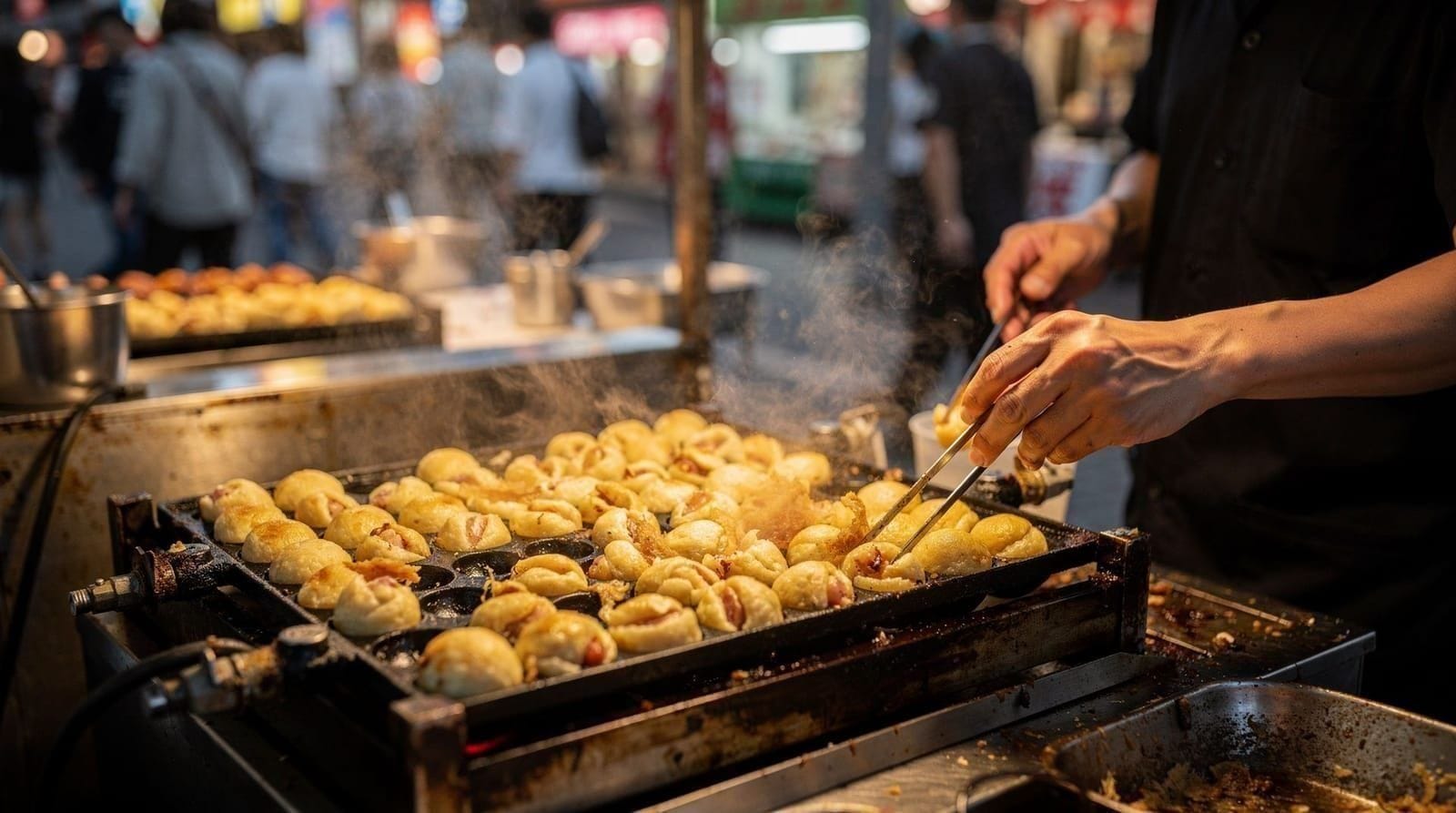
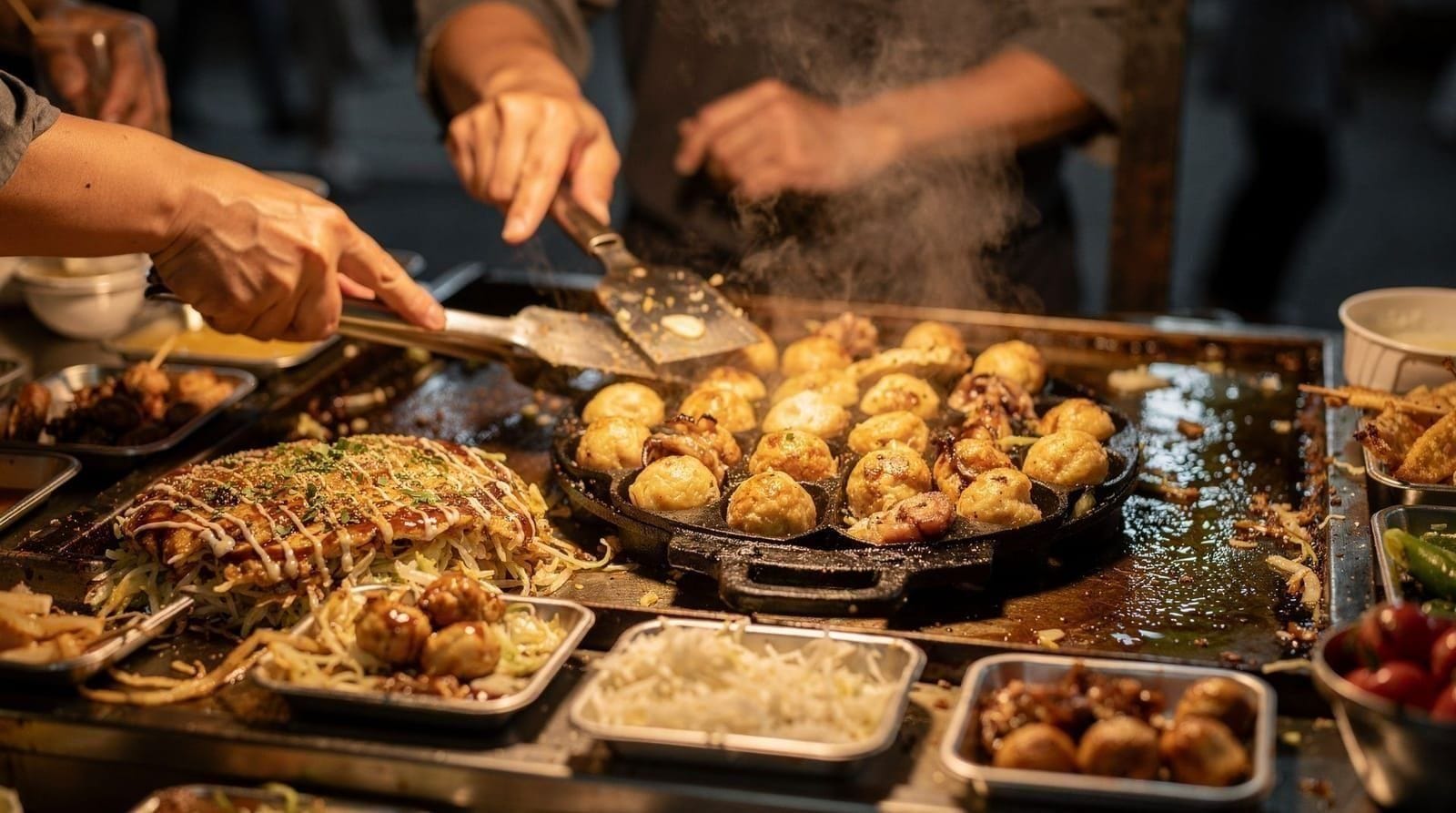
Evening — Eat. Takoyaki (octopus balls) and okonomiyaki (savory cabbage pancake) are the two dishes to prioritize on night one — our takoyaki guide and okonomiyaki guide both flag which nearby stalls are locally regarded versus which just have the longest tourist queues. Wanaka and Takoyaki Doraku Wanaka are two long-running Dotonbori stalls that locals still queue at, a reasonable sign versus the picture-menu shops with English touts out front.
If a guided introduction sounds easier than trial and error on jet lag, the Dotonbori and Shinsekai foodie tour covers both neighborhoods’ specialties across one evening walk. Cap the night at Namba Yasaka Shrine, whose giant lion-head stage is a genuinely odd, under-visited photo stop, or a quiet bar in Ura-Namba rather than pushing further — day one is for resetting the clock, not maximizing the itinerary.
A note on jet lag pacing: if the flight arrived from a long-haul, west-to-east route (from Europe or the US East Coast, for instance), the first evening’s alertness can be misleading — many travelers feel fine at 9pm and then hit a wall the next morning. Keeping Day 1 to a single neighborhood, as this plan does, is deliberate insurance against that.
Day 2: Osaka Castle, then Umeda or Shinsekai
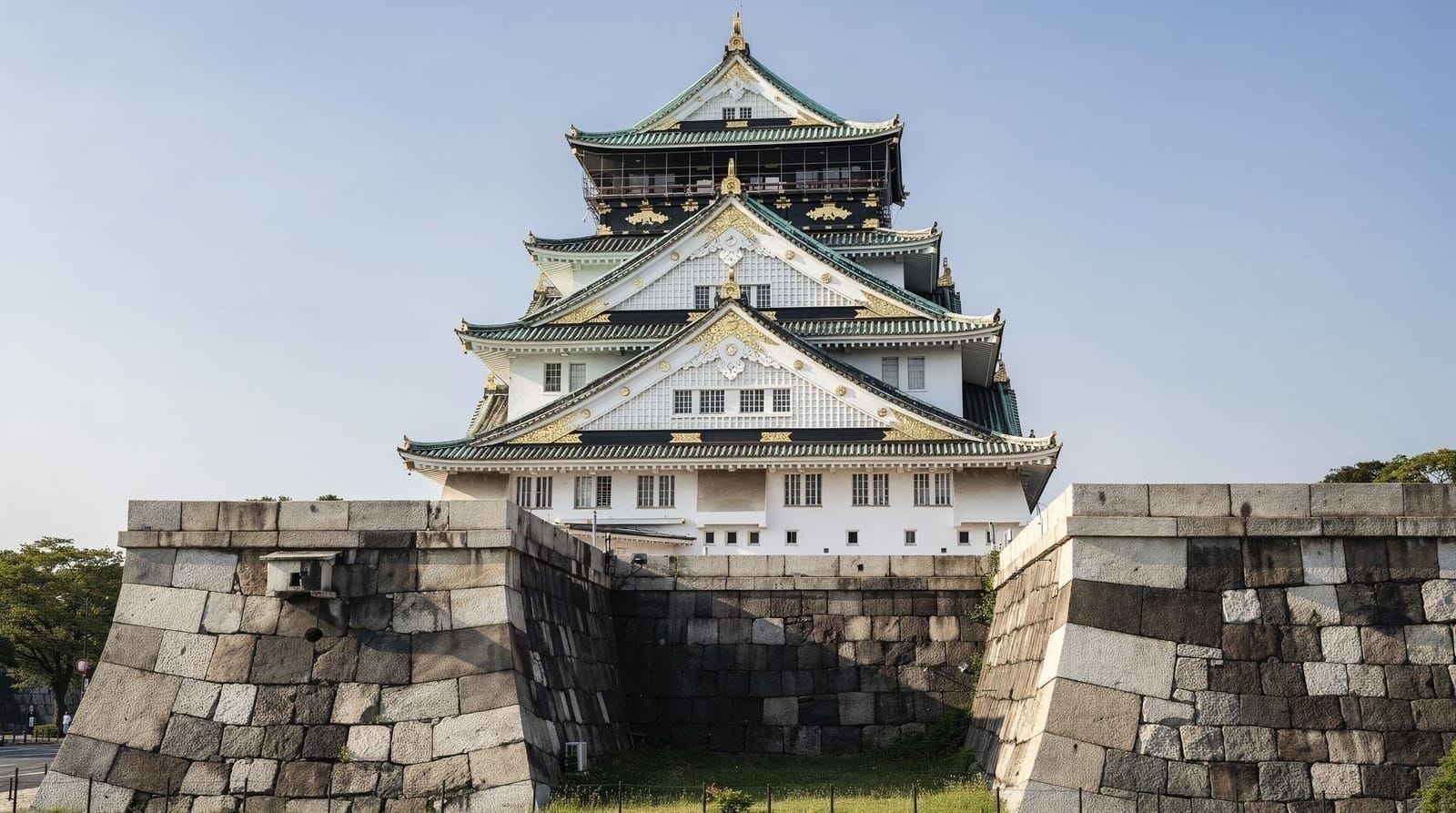
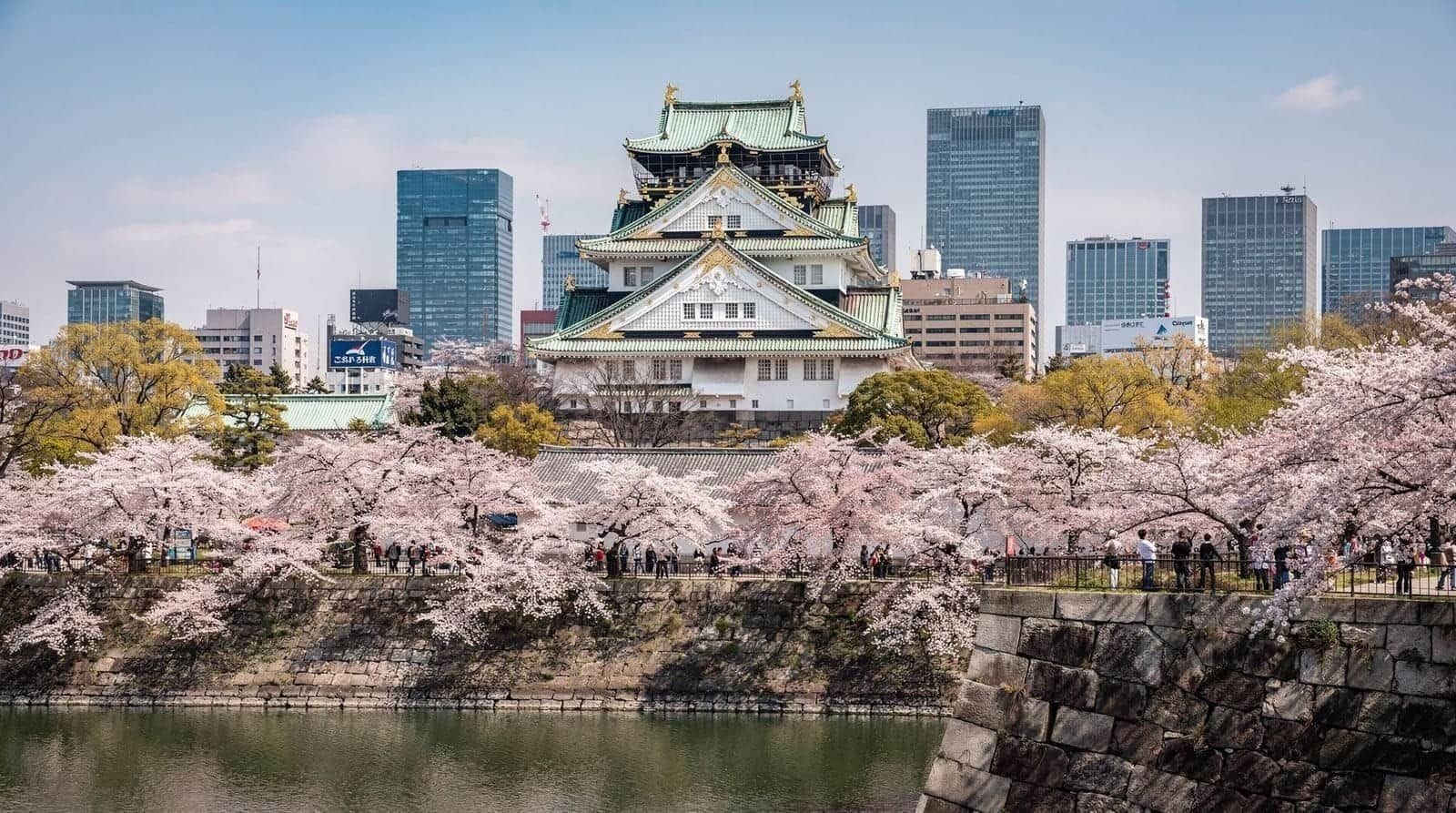
Morning — Osaka Castle Park opens early and is genuinely worth visiting before 10am, both for lighter crowds and softer photo light on the keep’s white walls. The current tower is a 1931 concrete reconstruction functioning mainly as a museum on Toyotomi Hideyoshi’s era — the original, built in 1583, burned down centuries ago, and this version has itself been rebuilt and restored several times since. It’s worth an hour if the history interests you, skippable if it doesn’t.
A Osaka Castle museum ticket gets you past the base queue and up to the observation floor, which gives a wide view over the park and the surrounding business district. The moats and 12-meter stone walls, built using stones quarried and shipped from across western Japan by rival feudal lords under Tokugawa order, are the more photogenic part regardless, and cost nothing to walk past. Full context in our Osaka Castle guide and Osaka Castle walking route.
Afternoon, option A: Umeda — A 15-minute subway ride north, Umeda is Osaka’s corporate and shopping core, built around Osaka Station and a knot of connected department stores and underground malls (the Umeda “labyrinth,” genuinely confusing on a first visit). The Umeda Sky Building’s Floating Garden Observatory — two towers joined by a rooftop walkway 173 meters up — gives one of the city’s best skyline views, especially near sunset, and takes roughly 90 minutes including the wait for the glass-floored elevator up.
Grand Front Osaka and the Hankyu department store cover shopping if that’s part of the trip; the HEP Five red ferris wheel, mounted on top of a shopping building, is a minor but photogenic landmark. Umeda is efficient rather than atmospheric — a reasonable choice if the trip so far has felt like a lot of narrow alleys and crowds, and a genuine change of pace wants in.
Afternoon, option B: Shinsekai and Tennoji — A 20-minute subway ride south, Shinsekai (“New World”) was built in 1912 around a Paris-meets-Coney-Island theme and never quite modernized, which is exactly its appeal now. Tsutenkaku Tower anchors the neighborhood, surrounded by kushikatsu (deep-fried skewer) restaurants, the most famous being the Daruma chain, whose “no double-dipping” rule for the shared sauce pot is a genuine local custom rather than a gimmick — our kushikatsu guide covers it in full.
It’s an inexpensive, slightly rough-edged part of town — safe overall, but keep valuables close in the crowded arcades. Just south, Tennoji has Shitenno-ji Temple (founded 593 CE, one of Japan’s oldest Buddhist temples) and Abeno Harukas, Japan’s tallest building, with an observation deck across its top floors. Shinsekai suits the trip better if the retro, food-forward pace of Dotonbori was the highlight of Day 1 rather than something to balance out.
Evening — Whichever half you picked, eat there rather than doubling back to Dotonbori. Shinsekai’s kushikatsu runs ¥150-400 ($1.30-3.50) per skewer, ordered à la carte as you go; Umeda’s options skew toward izakaya and department-store restaurant floors, covered in our Osaka bars and izakaya guide. Both neighborhoods have reasonable evening transport back to Namba or Dotonbori if a nightcap in the original neighborhood still appeals.
Day 3: Kuromon Market or Universal Studios Japan
Full day, split by interest — This is the flexible day, and trying to combine both halves of it in one day is the most common overpacking mistake on a 3-day Osaka trip. Pick one:
- Kuromon Market + a slower Minami morning: Kuromon Ichiba Market, a 10-minute walk from Dotonbori, is where locals buy seafood and produce, and where skewers of wagyu, fresh oysters, and uni run ¥500-1,500 per item, eaten standing at the stall rather than seated. A guided Kuromon Market food tour is worth it on a first visit to get past the stalls that sell only to tourists and toward the ones locals actually queue at. Follow it with an unhurried loop back through Shinsaibashi-suji for shopping, or the HEP Five ferris wheel if the pace still has room. This half-day option suits travelers who found Day 1 and 2’s pace already full and want something lighter to close the trip.
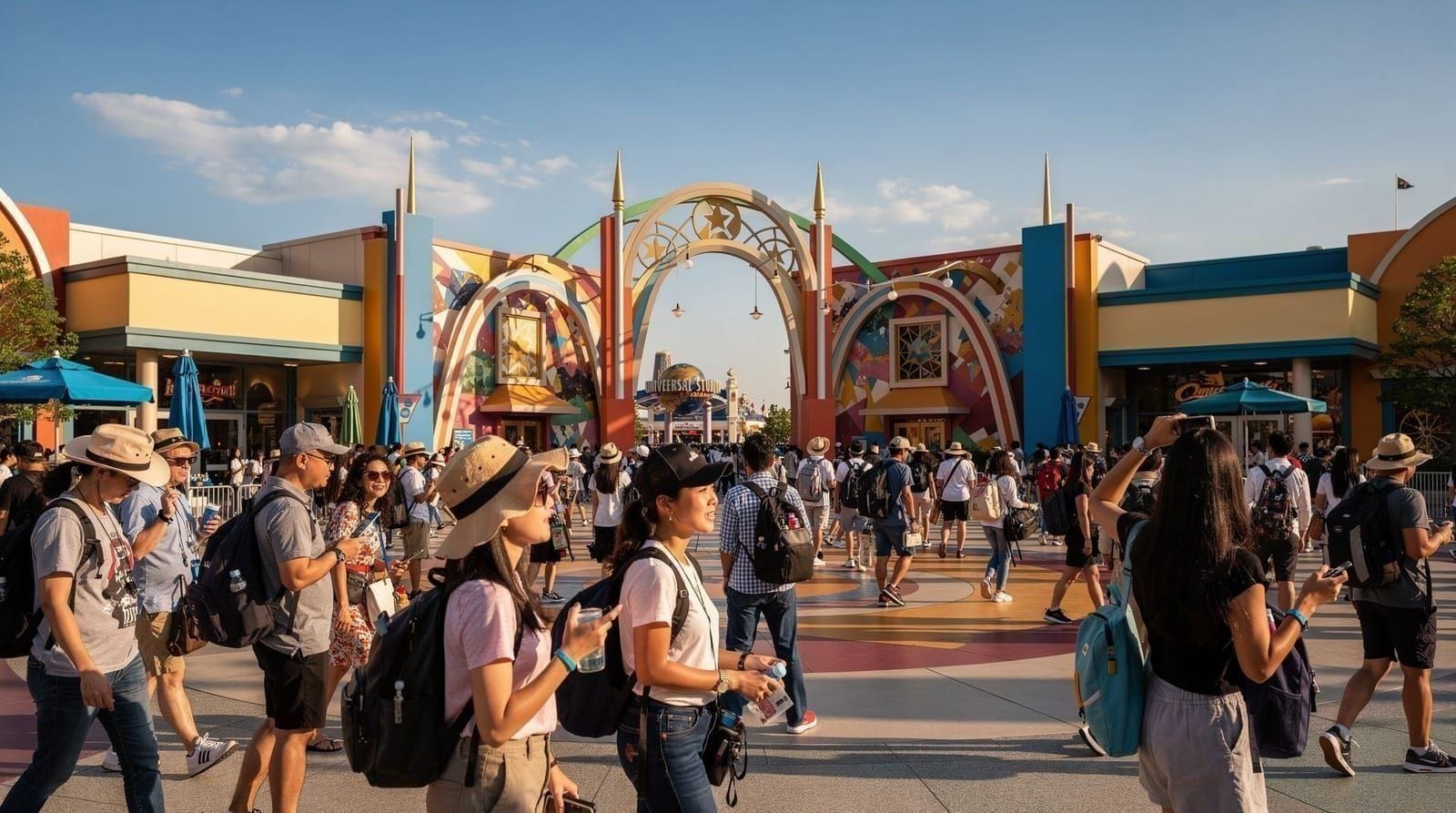
- Universal Studios Japan: USJ, with its Super Nintendo World expansion, is a full-day commitment on its own — the USJ 1-day studio pass is the standard entry ticket, and an express pass is worth the extra cost on weekends or during Japanese school holidays, when queues for headline rides can run past an hour. Arrive at park opening if possible; the gap between an 8:45am and a 10:30am arrival can mean the difference between riding the park’s two or three headline attractions and not. Full planning notes in our USJ guide. If USJ wins the day, pair it with a shorter visit to the Kaiyukan Aquarium nearby (see our Kaiyukan guide) only if energy allows — most visitors find USJ alone fills the day comfortably, and treating it as a half-day alongside the aquarium tends to shortchange both.
Evening — Last dinner in Osaka before departure or an onward day trip. If Kyoto or Nara are next on the trip, our Osaka to Kyoto day trip guide and Osaka to Nara day trip guide cover the morning-of logistics.
Tourist traps and honest warnings
Dotonbori after dark has touts working for restaurants and bars, some running inflated “seating charge” or “table charge” scams aimed specifically at tourists — walk past anyone stopping you on the street with an English pitch, and check a menu’s posted prices before sitting down anywhere without one visible. USJ and Osaka Castle both see long queues on weekends, Japanese public holidays, and especially during Golden Week (late April-early May); buying timed tickets in advance avoids most of this. Beyond overpriced nightlife in Minami, Osaka has very low street crime — pickpocketing in crowded areas like Dotonbori is the main practical risk, not physical safety.
Where to stay for this itinerary
Namba or Dotonbori keeps everything above within a 20-minute walk or short subway ride, at the cost of noise and higher room rates. Umeda is quieter and better positioned if a Shin-Osaka shinkansen departure is on the horizon. Full neighborhood comparison in our Osaka destination guide.
Budget for this 3-day plan
Excluding accommodation and flights, a mid-range traveler should budget roughly ¥15,000-25,000 ($130-220) per day covering meals, local transport, and one paid attraction or tour; budget travelers can manage ¥8,000-12,000 ($70-105) by skipping guided tours and eating mostly at market stalls. USJ tickets alone run from around ¥8,600 ($75) upward, so factor that separately if it’s on the plan, and an express pass adds a further ¥5,000-9,000 ($44-79) depending on the season.
Local transport across the three days above — subway and JR Loop Line rides between Namba, Osaka Castle, Umeda or Shinsekai, and Kuromon — comes to roughly ¥800-1,200 ($7-10) per day on an ICOCA card, cheaper than buying a day pass unless five or more rides are planned in a single day. Our Kansai budget calculator and JPY currency converter help sanity-check totals before booking.
Adjusting the pace
This itinerary already leaves buffer by design — Day 3 is deliberately either/or rather than both. If arriving with jet lag from a long-haul flight, consider swapping Day 1’s evening food walk for an early night and pushing Dotonbori’s food crawl to Day 2 evening instead. If three days start to feel short once you’re there, Kobe is 30 minutes away by train and makes a reasonable half-day add-on; see our Kobe and Himeji day loop for a version that extends the trip by a day.
Beyond the main sights: where locals actually go
This plan covers the sights any first-time guide would flag, but Osaka rewards a bit of wandering past the obvious stops. Our hidden Osaka local spots post names a handful of neighborhood bars, shrines, and backstreet eateries that don’t show up on the standard Dotonbori loop, worth a look if Day 1 or Day 2’s evening leaves an hour spare.
For a food-first version of the trip, our best ramen in Osaka guide and the wider Kansai street food map both go deeper than the takoyaki-and-okonomiyaki basics covered on Day 1. Shopping isn’t the focus of this plan, but if an afternoon in Umeda or Shinsaibashi turns into a shopping detour, our Osaka shopping guide covers where locals actually buy things versus the tourist-facing chains.
A Kobe beef dinner as a Day 2 or Day 3 add-on
If the budget has room for one splurge meal, a Kobe beef dinner is the most requested single upgrade to this itinerary, and it slots naturally into either Day 2’s Umeda evening or as a Day 3 send-off before an early Day 4 departure. Kobe itself is only about 30 minutes from Osaka by train, covered in our Osaka to Kobe day trip guide, but genuine A5 Kobe beef restaurants also operate within Osaka itself, so a dedicated day trip isn’t required just for the meal.
Our where to eat Kobe beef guide separates the genuinely graded restaurants from ones trading on the name without the certification, and a Kobe beef and sushi dinner experience is worth booking ahead if a specific evening matters, since the best-regarded counters seat only a handful of guests per sitting.
Rainy-day and family adjustments
Osaka’s rainy season (tsuyu, roughly early June to mid-July) and occasional typhoon-adjacent downpours in late summer can force a rethink of any of the three days above. Our Osaka rainy day ideas post has a fuller list, but the short version: Umeda’s underground malls absorb most of a wet Day 2 afternoon, and Kuromon Market and USJ’s indoor attractions both hold up reasonably well on Day 3.
Traveling with young kids changes the pacing more than the weather does — our Osaka with toddlers post flags which parts of this plan (long queues at USJ, crowded Dotonbori evenings) are worth trimming for a family version, and the Kansai attraction passes guide is worth checking before buying individual tickets if the trip includes more than USJ alone.
Solo travelers on this itinerary
Nothing above requires a group, and Osaka is one of the more comfortable Japanese cities to explore solo, particularly around food — counter seating at ramen shops, standing bars in Shinsekai, and single-portion street food throughout Dotonbori all suit a party of one without feeling out of place. Our Osaka solo travel guide has specific notes on solo-friendly restaurants and evening safety, useful supplementary reading alongside the tourist-trap warnings above. If three days feels like more time than needed alone, our 48 hours in Osaka post compresses this same plan into a tighter two-day version.
Frequently asked questions about 3 days in Osaka
Is 3 days enough for Osaka?
Yes, for the city itself. Two full days covers the core neighborhoods at a comfortable pace; the third gives room for either Kuromon Market or a full day at USJ without rushing either.
Should I do Kyoto or Nara as a day trip on this itinerary?
Not on a 3-day Osaka-only plan — there isn’t spare time without cutting something above. If a Kyoto or Nara day trip matters, add at least one more night and see our Kansai 5-day itinerary.
What’s the biggest mistake first-time visitors make in 3 days?
Trying to fit Kuromon Market, USJ, and a full Shinsekai evening into the same day. Each deserves its own half-day at minimum; combining them leads to a rushed, unsatisfying version of all three.
Do I need an IC card for this itinerary?
Yes — an ICOCA card covers Osaka Metro, the JR Loop Line, and most private railways with a simple tap in and out, and it’s far faster than buying individual paper tickets at each station.
Is Osaka walkable, or do I need to rely on the subway constantly?
Both. Dotonbori, Namba, and Osaka Castle Park are each walkable within themselves, but moving between Minami (Dotonbori/Namba) and Kita (Umeda) or south to Shinsekai is faster by subway — figure 10-20 minutes between neighborhoods either way.
Should I choose Umeda or Shinsekai on Day 2?
Shinsekai suits travelers who want more of Dotonbori’s retro, food-forward energy at a smaller scale and lower price point; Umeda suits those who want a change of pace toward shopping, skyline views, and a more modern, efficient half-day. Neither is objectively better — it comes down to what balances the rest of the trip.
What should I do if it rains during this itinerary?
Umeda’s underground malls and department stores are the best rainy-day fallback, since large stretches can be covered without going outside. The Kaiyukan Aquarium (Day 3, if paired with USJ) is another solid indoor option, and Osaka Castle’s museum tower itself is covered even if the surrounding park isn’t ideal in poor weather.
Is Osaka a good destination for solo travelers?
Yes — counter seating at ramen and okonomiyaki shops, standing bars, and single-portion street food throughout Dotonbori all suit solo travelers comfortably, and the city’s low street-crime rate makes evenings out low-stress. See our Osaka solo travel guide for specific recommendations.
Should I book a Kobe beef dinner in advance?
If a specific evening matters, yes — the best-regarded A5 Kobe beef counters seat only a handful of guests per sitting and fill up, especially on weekends. It’s a reasonable Day 2 or Day 3 splurge on this itinerary; see our where to eat Kobe beef guide before booking to confirm genuine certification.
Top experiences
Bookable activities with verified prices and instant confirmation on GetYourGuide.