Sumo in Osaka
Osaka: Osaka sumo experience live show
Duration: 1.5 hours
Can you watch sumo wrestling in Osaka?
Yes, but only during the annual Osaka Grand Sumo Tournament (Haru Basho), held over 15 days each March at EDION Arena Osaka. Outside that window, no live professional matches happen in the city — the honest alternative is a sumo-themed dinner show with retired or amateur wrestlers demonstrating techniques, running roughly ¥8,000-15,000 ($74-139) per person.
Sumo is one of the things visitors most often assume they can casually see anywhere in Japan, and Osaka is a genuine exception worth understanding correctly: real professional sumo happens here exactly once a year, for 15 days each March, and nowhere else in the city’s calendar. Getting the timing right — or knowing the honest alternative if it doesn’t align with your trip — makes the difference between seeing something genuinely memorable and being disappointed by a schedule mismatch.
| When | Haru Basho, 15 days each March |
| Where | EDION Arena Osaka, near Namba |
| Tickets | ¥3,800-4,000 unreserved, ¥8,000-20,000+ reserved |
| Outside March | Sumo dinner show, ¥8,000-15,000 |
| Booking | Official JSA ticketing or authorized resellers only |
Why sumo is worth understanding before you go
Sumo is one of the few spectator sports where genuinely understanding the ritual and ranking context transforms the experience from a brief, hard-to-parse physical contest into something considerably richer — a single bout can be over in two or three seconds, and without knowing what to look for (the pre-bout ritual, the wrestlers’ relative rank, the specific techniques used to win) it’s easy for a first-time spectator to wonder what all the surrounding ceremony was building toward. This guide is written with that in mind, covering not just the practical logistics of attending but enough of the sport’s structure and etiquette to make a tournament day, or the dinner-show alternative, genuinely legible rather than simply spectacular.
The Osaka Grand Sumo Tournament: one of six annual honbasho
Japan’s professional sumo association (the Japan Sumo Association) holds six Grand Tournaments (honbasho) each year, each lasting 15 consecutive days, rotating between Tokyo (three tournaments), Osaka, Nagoya, and Fukuoka. Osaka’s tournament, the Haru Basho (“spring tournament”), runs each March at EDION Arena Osaka (formerly known by other names over the years, situated near Namba), and it’s the only honbasho held anywhere in the Kansai region — Kyoto, Kobe, and Nara don’t host tournaments at all. This is worth stating plainly because it’s easy to assume a major city like Osaka has more frequent access to top-tier sumo than it actually does.
What a tournament day actually looks like
Each of the 15 days runs a full schedule from around 8am, starting with the lowest-ranked divisions (jonokuchi, jonidan) fighting to sparse early crowds, and building steadily through the day toward the top-ranked makuuchi division bouts in the late afternoon, typically finishing by 6pm. Most visitors, understandably, don’t arrive at 8am — arriving early-to-mid afternoon catches the juryo and makuuchi divisions, where the skill level, ring entrance ceremonies, and crowd energy noticeably intensify. The ring-entering ceremony (dohyo-iri) for the top-ranked yokozuna, when one is actively competing, is a specific highlight worth timing your arrival around if a yokozuna is in the current tournament’s roster.
Tickets and pricing
Tournament tickets range from arena-style unreserved seating (jiyuseki) at roughly ¥3,800-4,000 ($35-37) to reserved box and ringside seats running ¥8,000 up to ¥20,000 or more depending on proximity to the ring. Tickets for the final weekend days, particularly if a close championship race is developing, sell out fastest and are worth booking well ahead through the Japan Sumo Association’s official ticketing system or authorized resellers — unofficial resale tickets carry real risk of being invalid or overpriced, and buying directly through official channels is the safer route.
Osaka sumo experience with live show is worth checking specifically if your trip does align with the March tournament window, since it can bundle guided context around the event with the ticket itself, useful for first-time visitors unfamiliar with sumo’s rules and ranking system.
Winning techniques: what actually decides a bout
Sumo recognizes 82 official winning techniques (kimarite), though in practice a handful account for most professional bouts. Yorikiri (forcing an opponent out of the ring by grip and forward pressure) is the most common winning technique at the top level, followed by oshidashi (pushing an opponent out without a firm grip) and various throwing techniques (nage) that use an opponent’s own momentum against them.
A bout ends the moment any part of a wrestler’s body other than the soles of the feet touches the ground, or any part of their body touches outside the ring’s boundary rope — rules that sound simple but produce genuinely close, video-review-worthy finishes at the highest level, where officials (including a panel of ringside judges beyond the main referee) sometimes convene to review a photo finish before declaring a winner.
Sumo etiquette and traditions worth knowing before you go
Sumo carries deep Shinto ritual embedded in even a single bout — before each match, wrestlers throw purifying salt into the ring, a practice tied to Shinto purification rites, and the ring itself (dohyo) is considered sacred ground, historically off-limits to women entering it directly, a rule that remains a subject of ongoing public debate in Japan.
The referee (gyoji) wears elaborate traditional robes reflecting a specific historical rank system, and the ring announcer’s drawn-out, ceremonial calling of each wrestler’s name before a bout is part of a presentation style that’s changed little over generations. None of this requires special preparation from a visitor — it’s simply worth knowing that what looks like a brief physical contest is wrapped in a considerable amount of ritual that took shape over centuries.
What to eat at a tournament: chanko nabe and arena food
Chanko nabe, the protein-heavy hot pot traditionally eaten by sumo wrestlers as part of their bulk-building diet, is sold at food stalls around the arena during tournament days and is worth trying as part of the experience — it’s genuinely the same style of dish wrestlers eat in quantity at their stables, not a tourist-invented association. Arena food stalls also sell more standard festival fare (yakitori, beer, bento boxes) at prices roughly comparable to other Osaka sporting or festival events.
If your visit doesn’t align with March: the honest alternative
For visitors whose trip falls outside the tournament window — the more common scenario given how narrow a 15-day annual window is — a sumo-themed dinner show is the realistic, bookable alternative, and it’s worth being upfront about what it is and isn’t. These shows feature retired professional wrestlers or trained performers, not active top-division competitors, demonstrating techniques, explaining the sport’s rules and rituals, and often engaging in light demonstration bouts, typically paired with a meal.
Sumo stage show with bento at Hirakuza and sumo show with kimono and hot pot experience both offer this honest alternative, typically running ¥8,000-15,000 per person — genuinely informative and enjoyable on its own terms, but worth booking with accurate expectations rather than assuming it’s equivalent to watching a live professional tournament.
A wrestler’s daily life: training and diet
Sumo wrestlers live communally in their stable (heya), following a rigorous daily schedule that begins with training on an empty stomach, often for several hours, before a large midday meal centered on chanko nabe — the hot pot dish covered above — designed specifically to support the size and strength required at the sport’s highest levels.
This traditional schedule (train hard, eat a large meal, then rest, which slows metabolism and supports weight gain) is a deliberate, longstanding method for building the mass sumo demands, not simply a byproduct of eating a lot. Junior wrestlers within a stable handle cooking, cleaning, and other communal duties as part of their apprenticeship, a hierarchical structure that mirrors, in some ways, the same senior-junior training relationships found in other traditional Japanese arts and crafts.
Visiting a sumo stable (heya)
Beyond tournament and dinner-show options, a small number of sumo stables (heya) — the live-in training facilities where wrestlers reside and practice daily — occasionally permit visitors to observe morning practice (asageiko), though this is considerably rarer in the Kansai region than in Tokyo, where most stables are based, and typically requires advance arrangement through a specialized tour operator or a personal connection rather than a walk-in visit. If watching an authentic practice session specifically interests you, this is realistically easier to arrange in Tokyo than in Osaka, worth knowing if sumo is a priority across a wider Japan itinerary rather than an Osaka-only trip.
What to wear and bring to a tournament day
No specific dress code applies to spectators at EDION Arena Osaka — casual, comfortable clothing suits a full day of sitting, whether in arena-style unreserved seating or a reserved box. Reserved box seating (masu-seki), traditional at Japanese sumo venues, consists of a small floor area for a group of four seated on cushions rather than individual chairs, worth knowing in advance since it’s a noticeably different, more communal seating format than Western stadium seating and can be less comfortable for taller visitors or longer sessions without stretching breaks. Bringing a cushion or light blanket is common practice among regular attendees for exactly this reason.
Sumo’s place in Kansai’s broader cultural calendar
Sumo’s Osaka tournament sits alongside the region’s other major seasonal cultural events — Tenjin Matsuri (Osaka, late July) and Gion Matsuri (Kyoto, all of July) — as one of the few fixed-date cultural draws worth building a specific trip around, in contrast to more flexible sightseeing that doesn’t depend on a calendar. If sumo is the anchor of your Kansai trip, building the rest of the itinerary around the March tournament dates, rather than trying to fit sumo into a trip planned for other reasons, is the more reliable approach.
Comparing Osaka’s sumo tradition to Tokyo’s
Tokyo hosts three of the six annual honbasho and is home to most sumo stables, making it the more sumo-centric city overall — worth knowing if flexibility in destination matters more than a Kansai-specific trip. Our Kansai versus Tokyo culture guide touches on this same theme of certain traditions concentrating more heavily in one region than the other, sumo being a clear example on Tokyo’s side of the ledger.
Following a tournament without attending in person
For visitors whose trip doesn’t align with the March tournament and who aren’t interested in the dinner-show alternative, Japanese television broadcasts extensive daily coverage of each honbasho, and many hotels carry this coverage even without a dedicated sports package — worth flipping on in the late afternoon during a March visit even without attending in person, since the broadcast includes expert commentary that helps make sense of the ranking and technique context covered throughout this guide.
Getting to EDION Arena Osaka
The arena sits near Namba, roughly 10 minutes on foot from Namba Station or a short ride from Dotonbori, making it an easy add-on to a day otherwise spent in central Osaka if your visit aligns with the March tournament. Combining a tournament day with an evening in Dotonbori afterward, covered in our Dotonbori nightlife guide, is a natural pairing given the short distance between the two.
The rank system: understanding who you’re watching
Sumo’s ranking system (banzuke) runs from the lowest division (jonokuchi) up through jonidan, sandanme, makushita, and juryo, before reaching the top division, makuuchi, itself internally ranked from maegashira through komusubi, sekiwake, ozeki, and finally yokozuna, the highest rank a wrestler can achieve. Unlike many sports with fixed seasons, a wrestler’s rank shifts after every single tournament based on their win-loss record (each wrestler in a tournament fights 15 bouts, one per day), climbing with a winning record and falling with a losing one — a strict meritocracy that means even an ozeki-ranked wrestler can face demotion after a genuinely poor tournament.
Yokozuna is unique among the ranks in that it’s never lost through poor performance alone; a yokozuna who can no longer compete at the expected level is instead expected to retire, since the rank is treated as a permanent status tied to representing the sport itself. Knowing roughly where a wrestler sits in this hierarchy before watching a tournament day considerably increases how much sense the day’s bouts make, particularly why the later afternoon bouts (featuring higher-ranked wrestlers) draw noticeably more crowd energy than the morning’s lower-division matches.
The pre-bout ritual, explained bout by bout
A single sumo bout, often over in a matter of seconds once it starts, is preceded by a ritual sequence that can run several minutes and is, for many first-time spectators, as compelling as the fight itself.
Wrestlers perform shiko (a ceremonial leg-stomping exercise, believed to drive evil spirits from the ring), rinse their mouths with chikara-mizu (“power water,” symbolically purifying), and throw salt into the ring in a purification gesture tied to Shinto ritual, sometimes repeating this preparatory sequence multiple times before the referee signals the bout can finally begin — building tension deliberately before a match that, particularly among top-division wrestlers, is frequently decided within the first few seconds of contact. Understanding this ritual sequence in advance means the wait doesn’t feel like a delay before the “real” action, but rather an integral part of what’s being watched.
Foreign-born wrestlers in sumo
Sumo, despite its deep ties to Japanese tradition and Shinto ritual, has a long history of foreign-born wrestlers reaching the sport’s highest ranks — several yokozuna over the past few decades have come from Mongolia in particular, alongside wrestlers from Hawaii, Bulgaria, Georgia, and elsewhere, each required to fully adopt the sport’s training system, live-in stable structure, and cultural conventions regardless of origin. This international dimension is worth knowing going into a tournament, since it’s common for a significant share of the top-ranked wrestlers competing on a given day to be foreign-born, a detail that sometimes surprises visitors expecting an entirely Japanese-born field given the sport’s traditional image.
Buying merchandise and souvenirs at the tournament
Beyond food, tournament venues sell official sumo merchandise — wrestler photographs, hand-printed tegata (a wrestler’s handprint alongside their calligraphy, a traditional sumo souvenir), and branded goods tied to the current tournament — at stalls around the arena concourse, typically ¥1,000-5,000 depending on the item. Tegata specifically make a genuinely distinctive souvenir unavailable outside the sumo world, though the most popular wrestlers’ tegata can be pricier and sell out earlier in a tournament’s run than lower-ranked wrestlers’ equivalents.
Tournament versus dinner show, side by side
| Live tournament | Dinner show | |
|---|---|---|
| Availability | 15 days each March only | Year-round |
| Wrestlers | Active professional divisions | Retired/amateur performers |
| Duration | Full day possible, arrive afternoon | A few hours, meal included |
| Price | ¥3,800-20,000+ | ¥8,000-15,000 |
| Best for | Sumo fans whose trip aligns with March | Anyone visiting outside the tournament window |
Booking a tournament trip: how far ahead to plan
Official tournament tickets for the Haru Basho typically go on sale roughly one to two months before the tournament starts, and the final weekend days — particularly if a close championship race is developing by the second week — sell out fastest. Booking flights and accommodation around confirmed sumo dates before securing tickets is a common and reasonable sequencing, since hotel availability near Namba during tournament season is otherwise unaffected by the event, unlike the sharper seasonal squeeze around cherry blossom or Golden Week.
What surprises first-time spectators most
Beyond the sheer brevity of a single bout, first-time spectators are often struck by the arena’s mixed audience — families, elderly regulars who’ve followed the sport for decades, and international visitors all sit together, and the crowd’s collective reaction (a sudden roar when an upset happens, or a lower-ranked wrestler defeats a favorite) is itself part of the experience. The scale of the wrestlers up close, once seated near the ring rather than watching on television, is another common surprise — makuuchi-division wrestlers are considerably larger in person than broadcast footage tends to convey.
Combining a tournament day with a Kansai itinerary
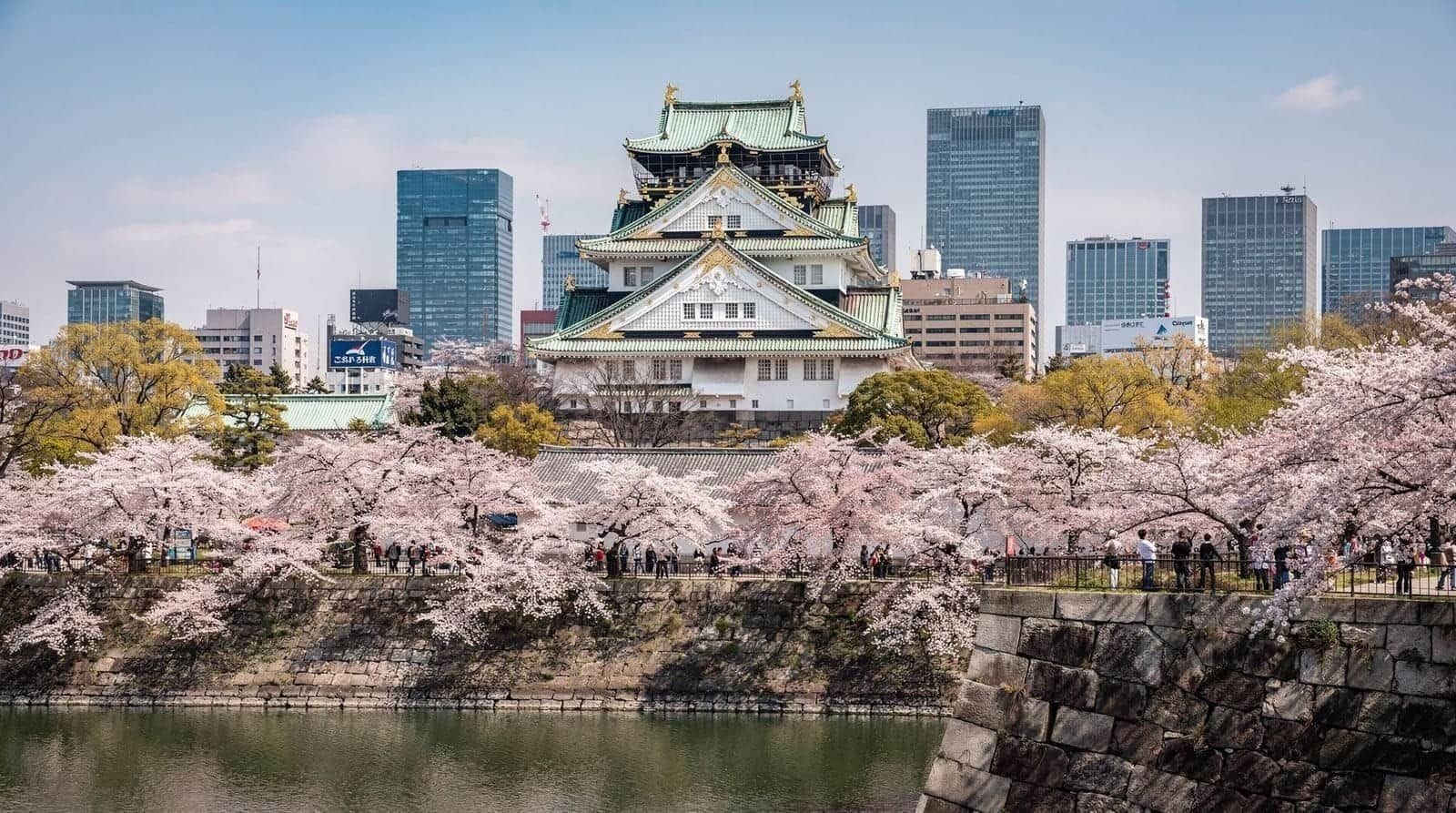
For visitors whose March travel dates align with the Haru Basho, building a tournament afternoon into an existing Osaka-based itinerary is straightforward given the arena’s central location — a morning at Osaka Castle or a Kuromon Ichiba Market food crawl pairs naturally with an afternoon and evening at the tournament, followed by Dotonbori for dinner afterward. Travelers building a full Kansai trip around the sumo dates specifically should also check the 3-day Osaka planning guide for how to structure the rest of the visit around a single fixed-date anchor event.
Frequently asked questions about sumo in Osaka
When is the Osaka sumo tournament?
The Osaka Grand Sumo Tournament (Haru Basho, “spring tournament”) runs for 15 consecutive days each March at EDION Arena Osaka. Exact dates shift slightly year to year, so checking the Japan Sumo Association’s official schedule before booking travel is essential.
Can I watch sumo in Osaka outside of March?
Not live professional matches — Osaka only hosts one of Japan’s six annual Grand Tournaments, and it’s in March. Outside that window, a sumo-themed dinner show with retired or amateur wrestlers is the honest, bookable alternative.
How much do sumo tournament tickets cost?
Arena seating (jiyuseki, unreserved) runs roughly ¥3,800-4,000 ($35-37); reserved seats range from ¥8,000 up to ¥20,000 or more for ringside boxes. Tickets for the final weekend days sell out fastest.
What is a sumo dinner show and is it worth it?
A dinner show features retired or amateur wrestlers performing demonstration bouts and explaining sumo’s rules and rituals over a meal, often with a hot pot course. It’s honestly not the same as watching top-division professionals, but it’s a genuine, informative alternative outside tournament season, running ¥8,000-15,000 per person.
How long does a day at the sumo tournament last?
The full daily schedule runs from around 8am (lower-division bouts) to 6pm (top-division finale), though most visitors arrive early-to-mid afternoon to catch the higher-ranked divisions, which is when the atmosphere and skill level noticeably intensify.
Top experiences
Bookable activities with verified prices and instant confirmation on GetYourGuide.