Kansai versus Tokyo culture
Osaka: Osaka welcome tour local host
What's the biggest cultural difference between Kansai and Tokyo?
Kansai (Osaka, Kyoto, Kobe) speaks a distinct dialect, Kansai-ben, and carries a reputation for warmer, more direct, humor-driven social interaction, rooted partly in Osaka's historic merchant-class identity and its status as Japan's birthplace of manzai comedy. Tokyo is more reserved and formal by comparison. A concrete, visible marker: Osaka stands on the right side of escalators, Tokyo on the left.
Visitors who’ve been to Tokyo before arriving in Kansai sometimes expect a smaller, similar version of the same country — and are then surprised by how differently Osaka, Kyoto, and Kobe carry themselves, both from each other and from Tokyo. Kansai’s regional identity is genuinely distinct, shaped by centuries as Japan’s commercial and, in Kyoto’s case, imperial center, in contrast to Tokyo’s more recent rise as political capital and modern economic hub. This guide covers the concrete, visible differences worth knowing, particularly for visitors splitting time between both regions on the same trip.
| Escalator side | Osaka stands right, Tokyo stands left |
| Social pace | Kansai more direct and talkative; Tokyo more reserved |
| Comedy tradition | Osaka is manzai’s birthplace; Tokyo’s TV comedy borrows heavily from it |
| Food identity | Osaka: kuidaore (eat until you drop); Tokyo: specialized precision dining |
| Dialect | Kansai-ben differs in vocabulary, grammar, and pitch from standard Tokyo Japanese |
| Practical impact | None on logistics — trains connect the regions regardless |
Kansai versus Tokyo at a glance: a side-by-side comparison
| Aspect | Kansai (Osaka/Kyoto/Kobe) | Tokyo |
|---|---|---|
| Historic role | Commercial hub (Osaka) and imperial capital (Kyoto) | Political capital since 1868, formerly Edo |
| Public interaction | Direct, quicker to joke with strangers | More reserved, formally polite |
| Comedy culture | Birthplace of manzai, NSC comedy school | Consumes and broadcasts Kansai-trained comedians nationally |
| Food reputation | Street food density, kuidaore spending culture | Specialized single-dish restaurants |
| Escalator etiquette | Stand right, walk left | Stand left, walk right |
| Architecture | Merchant-city grid (Osaka), preserved low-rise core (Kyoto) | Monumental government and ceremonial districts |
| Sports rivalry | Hanshin Tigers, fervent and vocal fandom | Yomiuri Giants, seen by Kansai fans as the establishment team |
Why this comparison matters for trip planning
Understanding Kansai’s cultural distinctiveness from Tokyo isn’t just trivia for a visitor splitting time between both regions — it genuinely affects what to expect and how to calibrate your own behavior and expectations at each stop. A visitor who’s absorbed Tokyo’s more reserved, formally polite public norms during an earlier leg of a Japan trip may initially misread Osaka’s more direct, jokingly familiar interactions as unusually forward, when in fact they’re simply typical for the region.
Conversely, a visitor starting in Kansai and moving to Tokyo afterward may find Tokyo’s public reserve reads as coldness rather than simply a different, equally genuine social norm. Neither reaction reflects badly on the traveler — it’s a natural result of Japan’s regional diversity being considerably more pronounced than outside visitors, working from a single generalized image of “Japanese culture,” often expect going in.
Kansai-ben: a dialect, not just an accent
Kansai-ben (broadly, the Kansai dialect, with Osaka-ben and Kyoto-ben as more specific regional variants) differs from standard Tokyo Japanese in vocabulary, grammar, and intonation — not merely a different accent layered on the same words. Common standard Japanese phrases have distinct Kansai equivalents (arigato often becoming okini in more traditional Kyoto usage, for instance), and the dialect’s rhythm and pitch pattern is genuinely different enough that Japanese speakers from other regions can usually identify a Kansai speaker within a few sentences.
For a visitor without fluent Japanese, this mostly shows up as a curiosity rather than a practical barrier — standard Japanese is universally understood throughout Kansai, and locals switch to it easily when speaking with non-native speakers or visitors from other parts of Japan.
Escalator standing sides: a small but real marker
One of the most visible, easy-to-observe differences: Osaka standers keep to the right side of escalators, leaving the left clear for those walking, while Tokyo (and most of the rest of Japan) does the exact opposite — standing left, walking right. The origin of this specific regional split is debated (some trace it to Osaka’s Hankyu and Hanshin railway operators promoting right-standing signage decades ago, ahead of similar national campaigns), but it remains a genuinely consistent, observable difference today, and a small but real thing to get right if you don’t want to awkwardly block a hurried commuter.
Humor and manzai: a genuine regional specialty
Osaka is widely regarded as the birthplace of manzai, a fast-paced, two-person comedic format built around a straight man (tsukkomi) and a fool (boke) bantering through rapid-fire wordplay and exaggerated misunderstanding — a format that’s since become the backbone of much of Japan’s mainstream television comedy, but one that remains particularly associated with Osaka specifically and Kansai comedy training academies (most notably NSC, Yoshimoto Kogyo’s comedian school) more broadly.
This isn’t just a stereotype: Osaka’s reputation for being more talkative, quicker to joke with strangers, and generally more socially direct than Tokyo has a real cultural basis in this comedy tradition, and visitors sometimes notice it firsthand in casual interactions — a shopkeeper bantering rather than simply processing a transaction, for instance — in a way that’s less common in Tokyo’s more reserved social norms.
Food culture: Osaka’s “kuidaore” versus Tokyo’s refinement
Osaka’s food identity is captured in the phrase kuidaore, roughly “eat until you drop (financially)” — a historic reputation for prioritizing eating well and abundantly over almost any other spending, tied to the city’s long history as a merchant hub where food trade and food culture were central to civic identity.
This shows up concretely in Osaka’s street food density (covered in our Osaka street food guide) and its strong Bib Gourmand presence at the value end of Michelin-recognized dining, covered in our affordable Michelin dining guide. Kyoto, by contrast, developed a more refined, ceremonial dining culture through its centuries as imperial capital and center of Zen Buddhist and tea ceremony tradition — kaiseki, covered in our Kyoto kaiseki guide, is the clearest expression of this more formal approach.
Tokyo’s food scene, distinct from both, tends toward a wider range of specialized, technically precise restaurants (a sushi-only counter, a single-dish ramen shop) reflecting its role as a national and increasingly international dining hub rather than a single unifying regional food identity.
A note on generalization: individuals vary
Everything in this guide describes regional tendencies and cultural reputations backed by genuine historical and social basis, not universal rules that apply to every individual from a given region. Plenty of Tokyo residents are warm and quick to joke with strangers; plenty of Osaka residents are quiet and reserved. Treating these regional characterizations as a loose, useful frame for setting expectations — rather than a checklist for judging whether an individual “matches” their region’s stereotype — is the more accurate and more respectful way to use the information in this guide.
Pace and social directness
A frequently cited, if somewhat generalized, difference is that Kansai’s social pace feels faster and more direct in casual interaction — Osakans in particular have a reputation, largely earned, for being quicker to strike up conversation with strangers, more openly expressive, and less concerned with the more formal social distance that characterizes much of Tokyo’s public interaction.
Kyoto complicates this generalization somewhat: despite being part of Kansai, Kyoto’s social culture, particularly in its more traditional quarters like Gion, carries its own reputation for indirectness and formal politeness, sometimes described as tatemae-heavy (prioritizing surface harmony over blunt directness) even by Osaka standards — a reminder that “Kansai culture” isn’t monolithic even within the region.
Comedy venues: where to see manzai live in Osaka
For visitors who want to experience Osaka’s comedy tradition directly rather than just reading about its cultural significance, Namba Grand Kagetsu, the flagship theater of Yoshimoto Kogyo (the talent agency most closely associated with manzai and NSC, mentioned above), runs regular live shows in central Osaka, though performances are almost entirely in Japanese with limited accommodation for non-Japanese speakers. Even without full language comprehension, the physical comedy, rapid-fire delivery rhythm, and audience reaction offer a genuine, direct look at this specific regional tradition that’s harder to appreciate secondhand through a screen or a written description.
Business and economic identity: merchant city versus political capital
Osaka’s historic identity as Japan’s principal commercial and merchant hub — a role solidified during the Edo period when the city’s rice exchange effectively functioned as one of the world’s earliest organized futures markets — contrasts with Tokyo’s identity as the seat of political power, first as the Tokugawa shogunate’s capital (then called Edo) and later as the modern imperial and national capital after 1868. This history partly explains Osaka’s continued reputation for pragmatic, deal-oriented directness in business and social interaction, versus Tokyo’s more hierarchy-conscious, formally structured corporate culture.
How this rivalry shows up in everyday conversation
Visitors who spend enough time talking with locals in Osaka may notice the Tokyo comparison surface unprompted in ordinary conversation — a shopkeeper joking that their product is “better than anything you’d find in Tokyo,” or a casual aside about Tokyo residents being too reserved to enjoy themselves properly. This isn’t hostility; it’s closer to the good-natured ribbing between rival regions found in many countries (Northern versus Southern identities within a single nation being a common global parallel), and responding with light humor rather than taking the comments too literally tends to go over well with Osaka locals, who generally enjoy having an outsider engage with the joke rather than treat it as a serious grievance.
Regional pride and the Osaka-Tokyo rivalry
A genuine, good-natured rivalry exists between Osaka and Tokyo, expressed partly through sports (professional baseball fandom splits heavily along regional lines) and partly through a running cultural narrative in which Osaka positions itself as the more authentic, less pretentious counterpart to Tokyo’s polish and formality. Visitors likely won’t encounter this as anything more than the occasional joking remark from an Osaka local about Tokyo, but it’s a real enough undercurrent to be aware of rather than surprised by if it comes up in conversation.
A guided introduction to Osaka’s specific social culture
For visitors who want a more direct, guided introduction to how Osaka’s social culture actually plays out day to day — rather than reading about it in the abstract — a locally hosted walking experience is a practical way in.
Osaka welcome tour with a local host pairs practical orientation with genuine conversation with a local host, a reasonable way to experience Osaka’s reputation for social directness firsthand rather than secondhand.
Nagoya and other regions: a brief note on Japan’s wider diversity
While this guide focuses on the Kansai-Tokyo comparison specifically, it’s worth briefly noting that Japan’s regional diversity extends well beyond just these two areas — Nagoya, roughly midway between the two on the Tokaido corridor, has its own distinct dialect and food culture (miso-based dishes, a specific coffee-shop breakfast culture called moaning service), and northern regions like Tohoku carry yet another set of dialects and traditions shaped by a harsher climate and different historical development.
Kansai and Tokyo simply represent the two most visited, most culturally documented poles of this diversity for most international visitors, not the full extent of Japan’s regional variation — worth keeping in mind if a trip beyond the two regions covered in this guide is ever on the table.
Kyoto’s own distinct identity within Kansai
Kyoto, while part of the Kansai region, resists easy grouping with Osaka’s brasher, food-and-comedy-driven identity — centuries as imperial capital shaped a more formal, aesthetically refined culture that’s its own distinct thing within the region, not simply a quieter version of Osaka.
Kyoto best-of small group walking tour is a reasonable way to get a guided sense of this distinct identity directly, useful if Kyoto is the counterpoint stop on a Kansai trip built primarily around Osaka.
Television and media: how Kansai shaped Japanese comedy nationally
Osaka’s influence on Japanese entertainment extends well beyond live manzai performances into national television, where a disproportionate share of variety show hosts, comedians, and on-air personalities trace their training to Osaka’s Yoshimoto Kogyo talent agency and its NSC comedy school, mentioned earlier in this guide.
This means that even visitors who never see live manzai in Osaka are likely encountering its influence indirectly through Japanese television more broadly — a considerable portion of the comedic rhythm, timing, and tsukkomi/boke-style banter format that defines Japanese variety programming nationally has Kansai roots, even when the hosts themselves aren’t performing in dialect. It’s a good example of how a genuinely regional tradition can shape a national culture disproportionately to the region’s size.
What this means practically for a Kansai trip
None of these differences should change how you plan logistics — Osaka, Kyoto, Kobe, and the rest of Kansai remain closely connected by fast, frequent trains regardless of their distinct social identities, covered in our Osaka destination guide. What it does mean is worth adjusting expectations for: Osaka rewards a more socially open, food-forward, comedically inclined approach to a visit, while Kyoto rewards a slower, more formally respectful pace, particularly around its temples and Gion. Neither approach is “more Japanese” than the other — they’re both genuine, coexisting expressions of the same country’s regional diversity.
Sports culture: a genuine regional dividing line
Professional baseball is perhaps the clearest, most visible expression of the Osaka-Tokyo rivalry mentioned above — the Hanshin Tigers, based in Nishinomiya near Osaka and Kobe, have one of Japan’s most fervent, vocal fan bases, historically defined in explicit opposition to the Tokyo-based Yomiuri Giants, long considered Japan’s most powerful and (to Kansai fans) most establishment-favored team.
Hanshin Tigers games at Koshien Stadium carry a genuinely different atmosphere than most Japanese sporting events — louder, more openly emotional, with fans releasing balloons and singing individualized player chants in a way that reflects Osaka’s broader reputation for social expressiveness discussed above. Catching a game during baseball season (roughly April to October) is a reasonable way to experience this regional identity directly rather than reading about it abstractly.
Architecture and cityscape: how the two cities look different
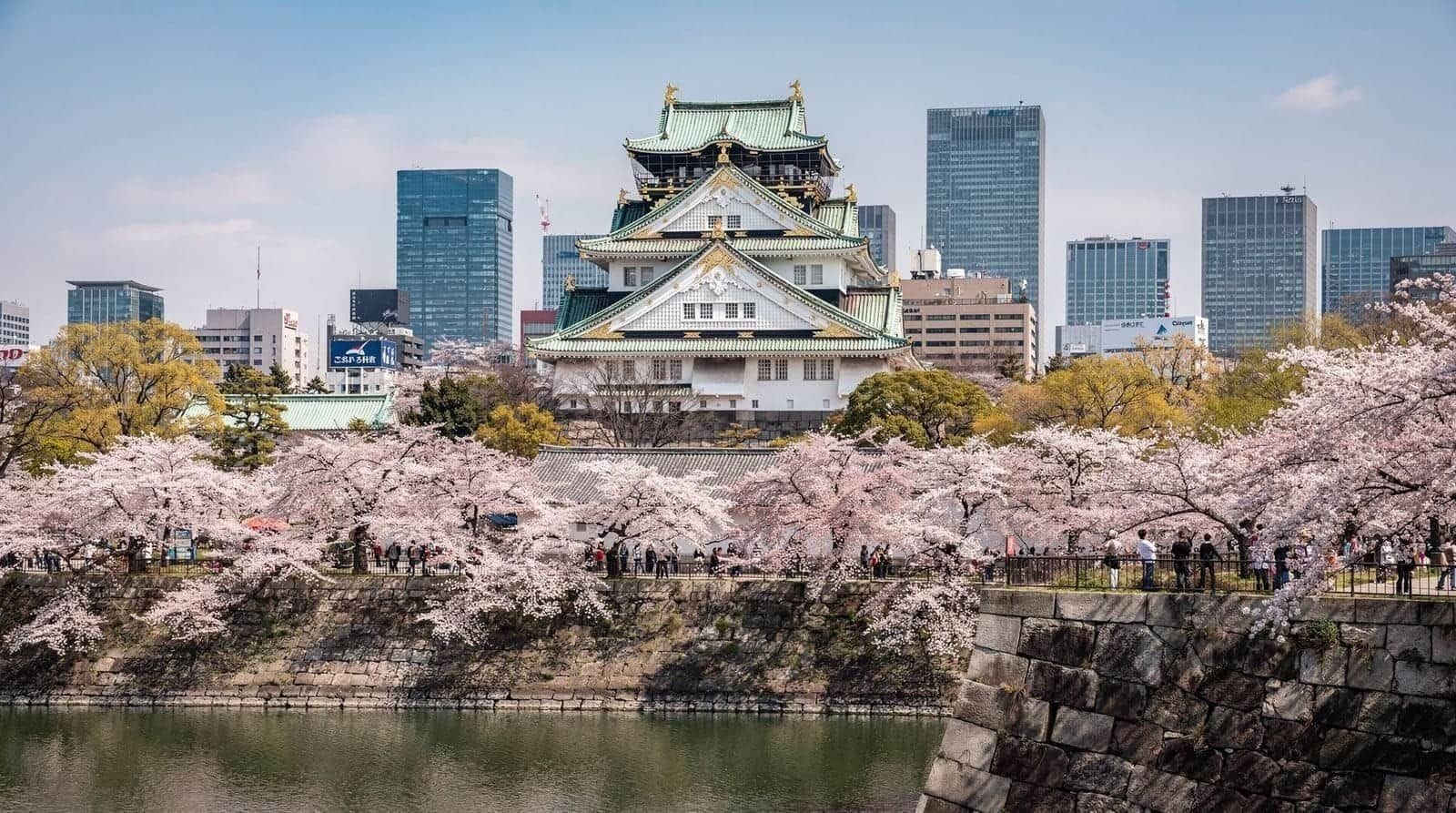
Beyond social culture, Osaka and Tokyo present visibly different cityscapes shaped by their different historical roles. Osaka’s skyline and street grid reflect its merchant-city history — dense, commercially oriented, and comparatively less concerned with monumental civic architecture than Tokyo, which developed extensive government and ceremonial districts around the Imperial Palace and national institutions.
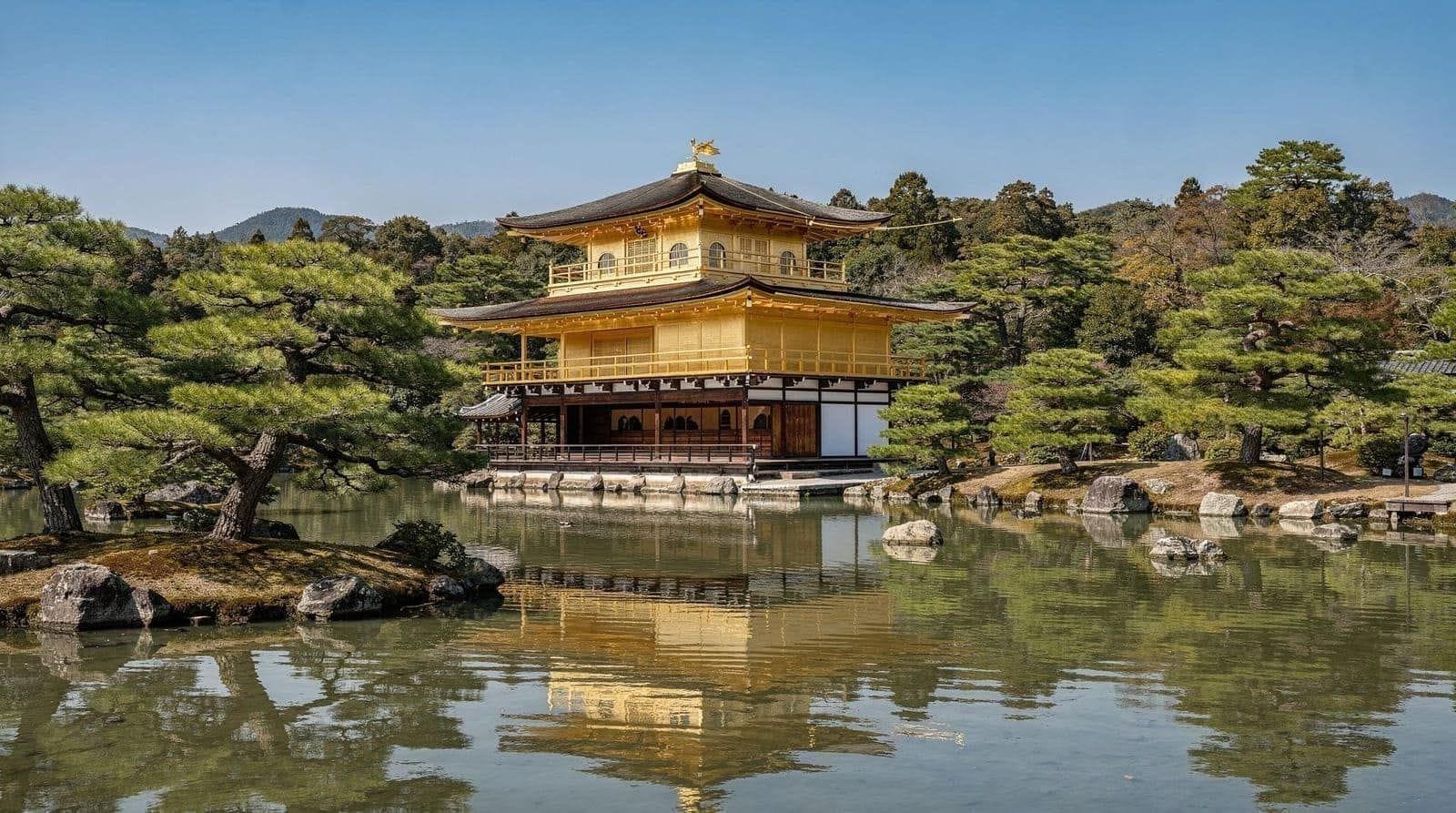
Kyoto, meanwhile, preserves a wooden, low-rise historic core (height restrictions in much of the city specifically protect views toward temples and hillsides) that neither Osaka nor Tokyo maintains at the same scale, a direct result of Kyoto’s role as imperial capital and its comparative preservation through WWII bombing that heavily damaged both Osaka and Tokyo.
Language beyond Kansai-ben: honorifics and formality levels
Beyond the dialect differences already covered, Kansai and Tokyo speakers sometimes differ subtly in how formally they default to speaking with strangers — Tokyo’s standard Japanese carries a slightly more consistent baseline formality in customer service and public interactions, while Kansai speech, even in commercial contexts, tends to incorporate more casual, familiar phrasing even with strangers, part of the broader social-directness pattern discussed above. This is a genuinely subtle difference that most visitors without fluent Japanese won’t detect directly, but it’s part of what gives Kansai’s public interactions their characteristic warmth compared to Tokyo’s more uniformly polished formality.
How visitors actually notice the difference in three days or less
Most first-time visitors splitting a week between Tokyo and Kansai report noticing the shift within a day or two, usually through small, cumulative interactions rather than one dramatic moment: a shopkeeper in Dotonbori joking about a purchase rather than simply processing it, a stranger offering unsolicited directions with a bit of commentary attached, or simply noticing which side of the escalator everyone else is standing on without having read this guide first.
Visitors arriving in Kansai directly, without a Tokyo comparison point, sometimes miss how distinctive the region actually is, since there’s no contrast to notice it against — part of why this comparison tends to resonate more with return visitors to Japan than first-timers landing in Osaka alone.
Regional dialects beyond Kansai-ben worth a passing mention
Kyoto-ben, a sub-variant of Kansai-ben specific to the city, carries its own reputation for indirectness that sets it apart even from Osaka-ben — a Kyoto local’s polite refusal can sound, to an untrained ear, almost like agreement, a pattern tied to the tatemae-heavy formality discussed earlier in this guide regarding Gion. Kobe-ben, meanwhile, sits closer to Osaka-ben than Kyoto-ben but carries a slightly softer, less rapid-fire delivery, reflecting the city’s history as an international port rather than a merchant or imperial center — a small but real third variation worth knowing if a trip covers all three Kansai cities rather than treating “Kansai-ben” as a single monolithic dialect.
Frequently asked questions about Kansai versus Tokyo culture
Is Kansai-ben hard for visitors to understand?
Not practically — standard Japanese is universally understood throughout Kansai, and locals switch to it easily with non-native speakers. Kansai-ben is more a background cultural marker than a barrier for visitors.
Why does Osaka stand on the right side of escalators when Tokyo stands left?
The exact origin is debated, but it’s traced partly to Osaka’s Hankyu and Hanshin railway operators promoting right-standing signage decades before similar campaigns took hold nationally. It remains a consistent, real regional difference today.
Is Osaka really funnier than Tokyo?
Osaka is genuinely regarded as the birthplace of manzai comedy and home to major comedian training academies, giving its reputation for humor and social directness a real cultural basis rather than being purely a stereotype.
Is Kyoto culturally similar to Osaka since they’re both in Kansai?
Not entirely — Kyoto’s centuries as imperial capital shaped a more formal, aesthetically refined culture distinct from Osaka’s brasher, merchant-city identity, even though both fall within the broader Kansai region.
Does this cultural difference affect how I should plan a Kansai trip?
Not logistically — trains connect the region regardless of these cultural differences. It’s more useful for setting expectations: Osaka rewards an open, food-and-humor-forward approach, while Kyoto rewards a slower, more formally respectful pace.
Will Tokyo locals seem unfriendly compared to Osaka after visiting Kansai first?
Not unfriendly, just differently expressive — Tokyo’s public reserve is a genuine, equally valid social norm rather than coldness, and it tends to read that way mainly to visitors who’ve just spent time in Osaka’s more openly talkative public culture. Most visitors adjust their expectations within a day of arriving.
Is it rude to bring up the Osaka-Tokyo rivalry with a local?
No, and it’s often welcomed, particularly with Osaka locals, who tend to enjoy an outsider engaging with the running joke rather than treating it as a serious grievance. Light, good-natured comments land better than anything that reads as taking a side too seriously.
Top experiences
Bookable activities with verified prices and instant confirmation on GetYourGuide.