Osaka in winter, an honest guide
Osaka: Osaka Umeda Sky building observatory ticket
Is Osaka worth visiting in winter?
Yes — December through February brings the thinnest crowds and lowest prices of the year at most sights and hotels, cold but rarely severe weather (2-13°C), plus winter illuminations across the city and New Year traditions in late December and early January.
Winter is Osaka’s quietest and cheapest season by a clear margin, and the trade-off — cold weather and shorter days in exchange for thin crowds and lower prices — is one most budget-conscious or crowd-averse travelers should take seriously rather than dismiss in favor of cherry blossom or autumn foliage season. December through February also brings its own specific appeal: citywide illuminations, a genuinely festive New Year period, and the practical ease of walking into major sights without the queue management that defines peak-season Osaka.
| Temperatures | December 5-13°C, Jan/Feb 2-9°C |
| Hotel prices | 20-30% below peak season (Jan/Feb) |
| Sunset | Around 4:45-5pm through December/early January |
| Best for | Illuminations, thin crowds, hatsumode |
| Pack | Insulated jacket, layers, wind-resistant shell |
Real winter weather in Osaka
Osaka’s winter runs cold but rarely severe — December averages 5-13°C, January and February run slightly colder at 2-9°C, with occasional light snow that almost never accumulates meaningfully in the city itself (it’s more common, and heavier, at higher elevations like Koyasan or the mountains around Kobe).
Clear, dry days are common through the season, and rain is less frequent than in spring or the summer rainy season, though cold winds off the bay can make actual conditions feel colder than the thermometer suggests, particularly near the waterfront. Daylight runs short — sunset falls around 4:45-5pm through December and early January — worth building into a day’s sightseeing schedule rather than assuming a long daylight window.
Winter illuminations across the city
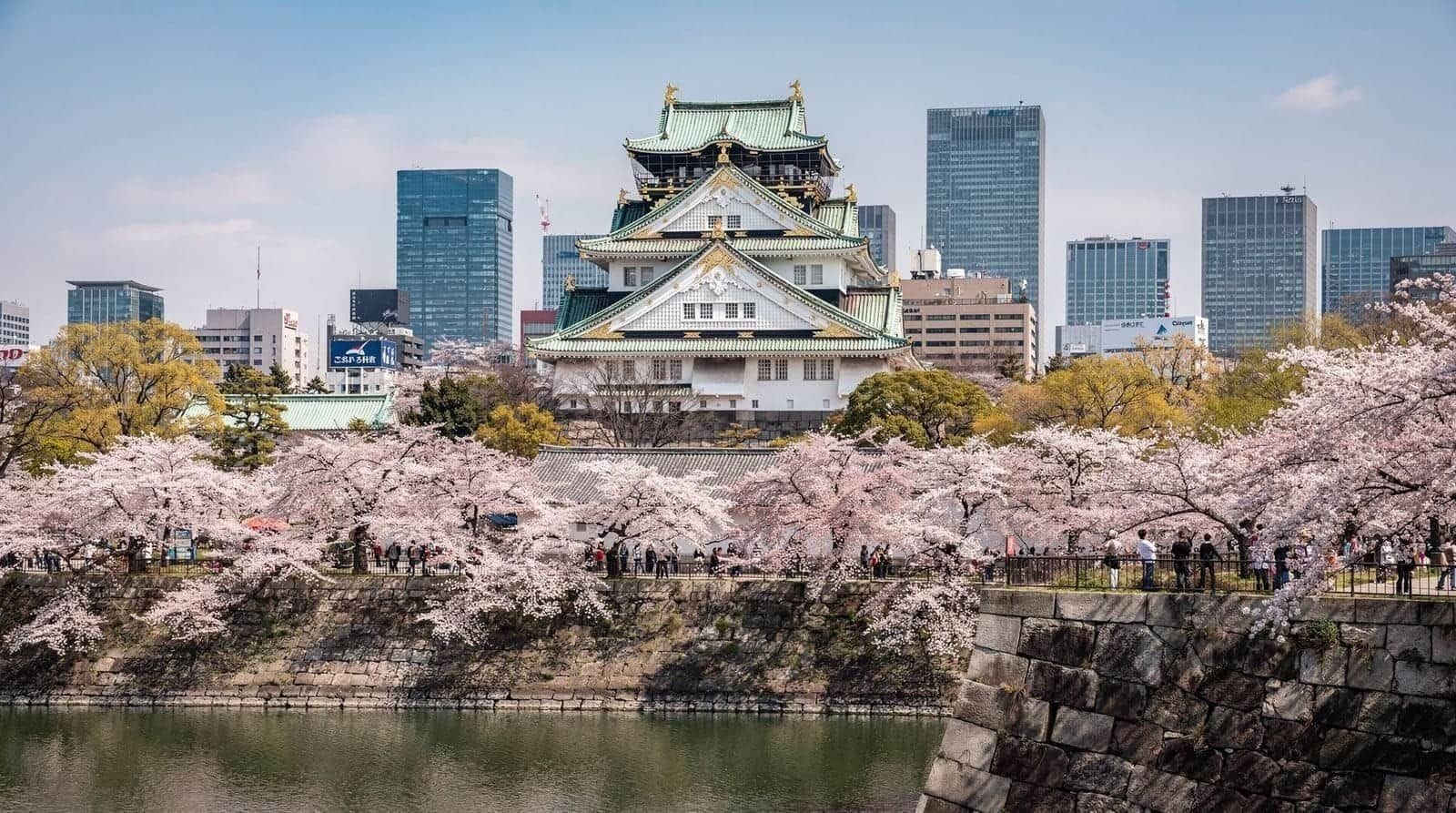
Osaka’s winter illumination displays run roughly early November through mid-February, with most major installations concentrated from early December. Osaka Castle hosts light projections onto the keep and surrounding grounds during select evenings. Umeda Sky Building and the surrounding area feature seasonal light displays visible from the observatory and street level alike.
Nakanoshima, the island district between the Dojima and Tosabori rivers, runs one of the city’s most elaborate illumination programs, with light installations along the riverside walkways running into the evening. These displays are free to view at street level (aside from standard attraction entry fees where applicable) and represent one of the better low-cost evening activities during a winter visit.
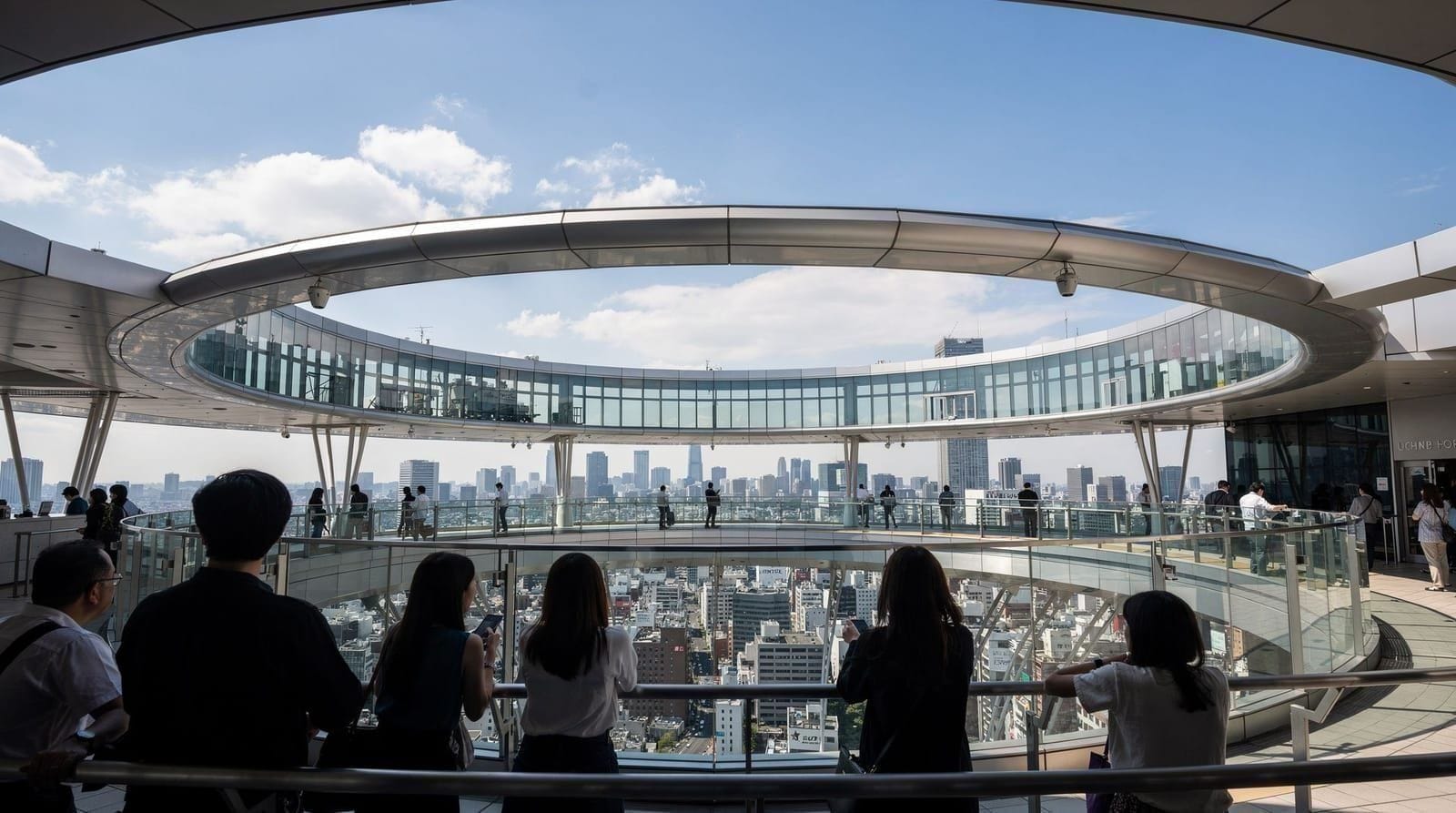
Umeda Sky Building observatory ticket is worth booking for an evening slot specifically during winter illumination season, combining the observatory’s usual skyline view with the surrounding area’s seasonal lighting displays visible from above.
New Year in Osaka
Late December into early January brings hatsumode, the first shrine or temple visit of the new year, a major Japanese tradition that draws large crowds to significant religious sites in the days immediately following January 1st — Sumiyoshi Taisha, one of Osaka’s most important shrines, sees some of the city’s heaviest hatsumode crowds, detailed in the Sumiyoshi Taisha guide.
Many restaurants and smaller shops close for a few days around January 1-3 (a genuine, if shrinking, tradition), though tourist-facing establishments, convenience stores, and major department stores generally stay open or reopen quickly. New Year’s Eve itself sees a modest crowd bump around major shrines and some countdown events, though nothing approaching the scale of cherry blossom or Golden Week crowding.
Why winter is the best-value season
Hotel prices across Osaka run at their annual lowest during January and February specifically (excluding the brief New Year spike in late December/early January), often 20-30% below cherry blossom or autumn peak-season rates for comparable rooms — see the Osaka trip cost and budget guide for full pricing detail and the where to stay in Osaka guide for neighborhood options at winter rates.
Major sights — Osaka Castle, the Umeda Sky Building, Kyoto’s temples on a day trip — operate at a fraction of peak-season crowd density, meaning shorter lines, more comfortable interior spaces, and generally easier photography without needing to arrive at opening to beat crowds the way spring or autumn visits require.
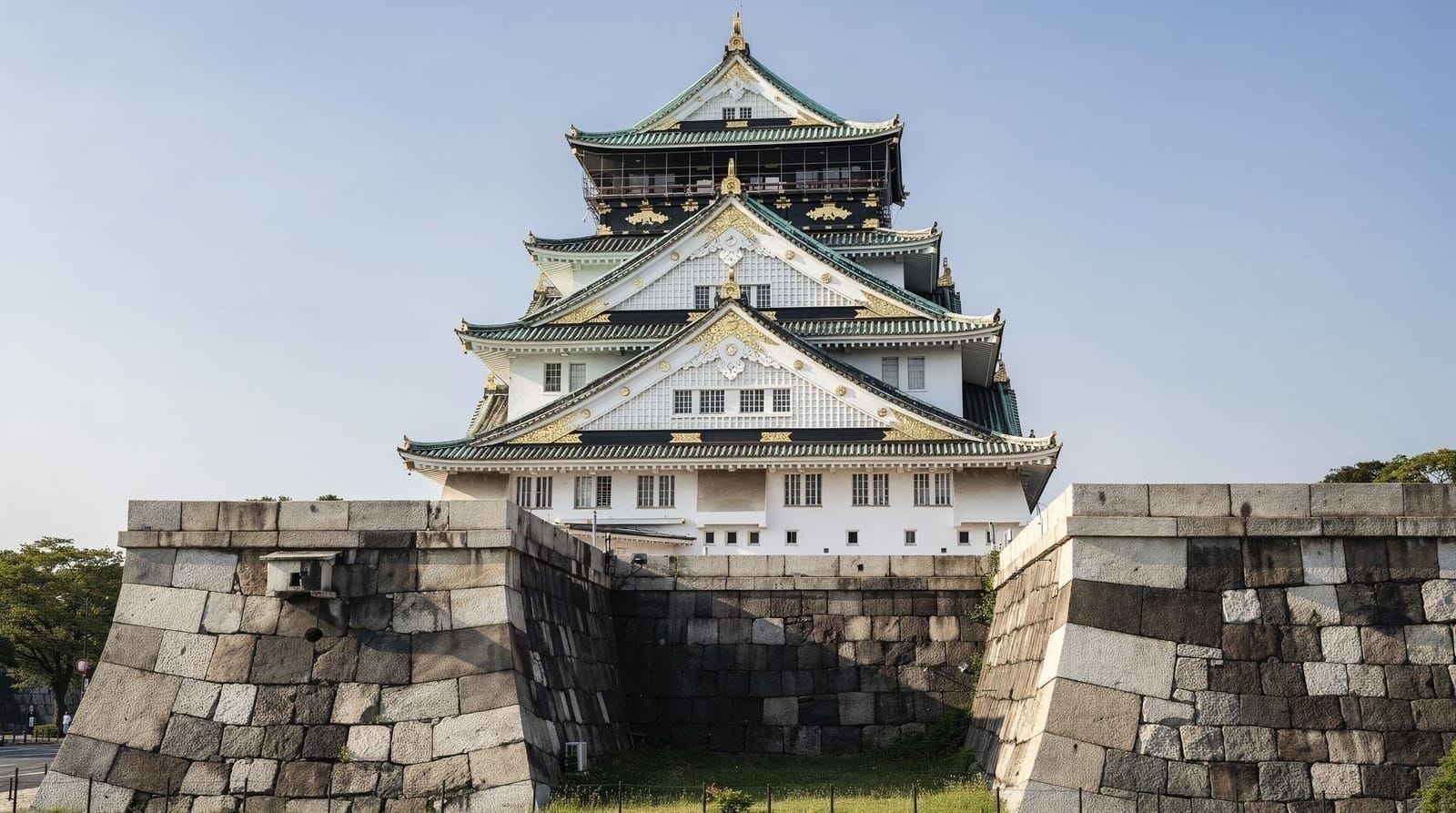
Osaka Castle museum and tower ticket is genuinely pleasant to visit in winter specifically — the grounds are far less crowded than during sakura season, and the museum’s indoor exhibits make for a comfortable stop on a cold day.
Onsen season: winter’s natural pairing
Cold weather makes winter the most intuitively appealing season for an onsen (hot spring) visit, and Arima Onsen, in the hills above Kobe and roughly an hour from central Osaka, is one of Japan’s oldest and most famous hot spring towns — a natural day-trip pairing with winter’s cold temperatures. The onsen etiquette guide covers the practical and cultural rules worth knowing before a first visit (washing before entering the shared bath, tattoo policies at traditional establishments, and the general expectation of quiet, unhurried bathing).
Kobe Arima Onsen historical and cultural walk combines the hot spring town’s historic streets with the bathing experience itself, a well-suited full or half-day outing specifically during the colder months when the appeal of a hot soak is at its most obvious.
What to pack for winter in Osaka
A proper insulated jacket, layers underneath, and a scarf or light gloves handle most winter days comfortably — conditions rarely demand true heavy winter gear (down parkas, snow boots) given how mild the season runs relative to genuinely cold-winter destinations, but underestimating the wind chill near the waterfront or during evening illumination viewing is a common mistake. The Kansai packing list tool generates a season-specific list rather than relying on general assumptions about Japan’s winter climate, which varies significantly by region.
Indoor options for colder or shorter days
Winter’s shorter daylight hours and colder temperatures make indoor attractions relatively more appealing than during other seasons — the Osaka Aquarium Kaiyukan, department store food halls (depachika) for browsing and eating without committing to a full sit-down meal, and museum stops within otherwise outdoor-focused sights like Osaka Castle all work well as ways to structure a day around the season’s shorter usable daylight window.
Winter day trips
Kyoto, Nara, Kobe, and Himeji all remain fully viable winter day trips, and in several cases benefit specifically from the season — Kyoto’s temple gardens, stripped of cherry blossoms or maple color, show a starker, quieter beauty that some repeat visitors prefer, while Nara’s deer park sees noticeably thinner crowds, making the deer-feeding experience calmer and less chaotic than during peak season, detailed in the Nara deer park family guide.
Snow occasionally dusts Koyasan’s cedar forest and Okunoin cemetery during winter, an atmospheric variant on the site covered in the Koyasan Okunoin guide, though the mountain’s roughly 2-hour transit and colder, higher-elevation conditions warrant extra planning during this season specifically.
A realistic winter day plan
Start later than a spring or summer itinerary would require, given the later sunrise and generally slower winter pace — Osaka Castle at mid-morning rather than opening, since crowds are thin enough that early arrival isn’t necessary to avoid lines. Spend the afternoon on an indoor stop (the aquarium, a museum, or a depachika food hall lunch) as temperatures dip further, then head to Umeda or Nakanoshima in the early evening for illumination viewing before dinner. This pacing is considerably more relaxed than the 3-day Osaka planning guide’s standard structure, reflecting winter’s genuinely lower-pressure sightseeing environment.
Comparing winter to the rest of the year
Winter’s trade-off against cherry blossom season or autumn foliage is straightforward: less spectacular scenery in exchange for markedly lower cost, thinner crowds, and an easier overall pace — worth taking seriously for budget-focused travelers, repeat visitors who’ve already seen Osaka’s marquee seasonal displays, or anyone simply prioritizing a relaxed trip over a photogenic one. The best time to visit Osaka guide covers the full year-round comparison in detail, and the best time to visit Osaka calculator can weigh these factors against your own specific priorities.
Winter food specialties worth seeking out
Winter brings its own seasonal food culture worth building into a cold-weather visit — nabe (hot pot) restaurants see a natural seasonal surge, offering a genuinely comforting communal-style meal well suited to cold evenings, and fugu (pufferfish), while available in warmer months too, is traditionally considered at its best during winter, served at specialist restaurants across Osaka and Kobe.
Oden, a broth-simmered assortment of ingredients (daikon, eggs, fish cakes) sold at convenience stores and dedicated stalls, becomes a genuinely ubiquitous winter street food, a cheap and warming option for a quick bite between sightseeing stops. Kani (crab) season also peaks through winter, with several Osaka restaurants running dedicated crab-focused menus during these months, particularly notable given the region’s broader seafood culture.
Winter clothing and layering strategy
Rather than a single heavy coat, a layering approach — a base layer, a mid-weight sweater or fleece, and a wind-resistant outer shell — handles Osaka’s winter conditions more flexibly than one bulky garment, since indoor spaces (restaurants, trains, shops) run comfortably heated and a single heavy coat becomes cumbersome to carry once indoors. Thermal base layers, easily available at Japanese clothing chains like Uniqlo if extra warmth is needed mid-trip, are a practical local purchase rather than something that must be packed from home. Waterproof or water-resistant footwear is worth prioritizing over purely cold-weather boots, given the season’s occasional rain and the rare but real possibility of light snow underfoot.
New Year’s specific closures and adjustments
Beyond the general restaurant and shop closures noted around January 1-3, some tourist attractions run modified hours during this window, and transit schedules on January 1 itself sometimes shift to a holiday timetable with reduced frequency — worth checking specific attraction and transit schedules directly if travel falls exactly on New Year’s Day, since assumptions based on standard operating hours can lead to unexpected closures.
Department stores, a reliable fallback for shopping and dining during standard closures, generally reopen for their traditional New Year sales (hatsuuri) within the first few days of January, drawing their own significant crowds for deeply discounted “lucky bag” (fukubukuro) grab-bag purchases — an interesting cultural spectacle to observe even without participating.
Winter illumination beyond Osaka proper
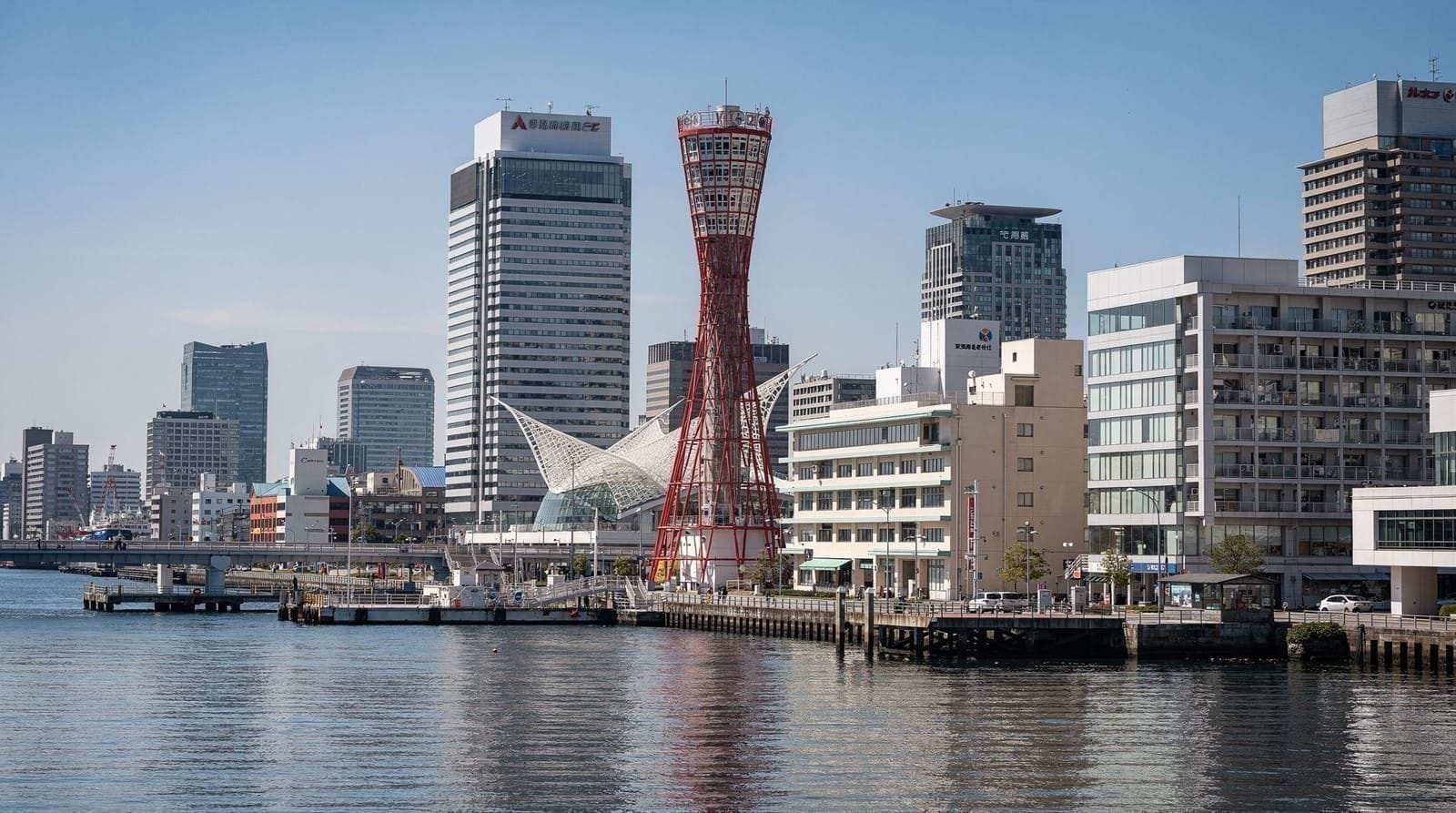
Kobe’s Luminarie, a large-scale light installation event held in December in memory of the 1995 Great Hanshin earthquake, is one of the Kansai region’s most significant winter illumination events and worth the roughly 30-minute trip from Osaka if travel dates align with its typically two-week December run — the Kobe destination guide and broader Kobe coverage on this site provide context on the city beyond this specific seasonal event. Kyoto’s temples also run occasional winter illumination events, though generally smaller in scale than the region’s autumn koyo-season lighting displays.
Planning a winter trip around lower costs
Because winter (excluding the brief New Year spike) represents Osaka’s most consistently affordable season across both flights and accommodation, it’s worth considering specifically for longer trips or for travelers on a tighter budget who might otherwise need to shorten a cherry blossom or autumn foliage season visit to manage costs — the Osaka trip cost and budget guide breaks down exactly how much lower winter pricing runs across accommodation, and a winter visit is one of the more reliable ways to stretch a fixed travel budget across more days in the region.
Winter month by month
| Month | Avg. temp | Crowds | Notable |
|---|---|---|---|
| December | 5-13°C | Low, rises late month | Illuminations begin, Christmas lights |
| Late Dec-early Jan | 2-9°C | Spike around New Year | Hatsumode, some shop closures Jan 1-3 |
| January | 2-9°C | Lowest of the year | Cheapest hotel rates, Kobe Luminarie ends |
| February | 2-9°C | Low | Illuminations wind down mid-month |
Illumination viewing tips for a comfortable evening
Winter illumination viewing works best with a plan rather than aimless wandering — Nakanoshima and Umeda are both a comfortable 20-30 minute walking loop, manageable in a single cold evening without excessive backtracking. Dress in the layering approach covered above, since standing still to photograph a display gets noticeably colder than walking between sights. Weeknight viewing is markedly less crowded than weekends, particularly in the final two weeks before the illumination season ends in mid-February, when a rush of last-chance visitors briefly pushes crowd levels up before the displays close for the year.
Who should prioritize a winter visit
A winter trip suits repeat visitors who’ve already experienced Osaka’s cherry blossom or koyo peaks and want a calmer, cheaper return visit; budget-focused travelers for whom accommodation savings meaningfully extend trip length or overall spending power; and travelers who simply prefer thinner crowds and shorter lines over the most photogenic seasonal backdrop. It’s a less natural fit for travelers whose primary motivation is capturing Japan’s most iconic seasonal imagery, who are generally better served planning around cherry blossom or koyo timing instead, detailed in the cherry blossom Osaka guide and autumn foliage Kansai guide respectively.
A note on humidity and indoor heating
Japanese buildings, hotels included, tend to heat interiors more aggressively than many Western visitors expect, which can make layered clothing feel overly warm indoors after a cold walk outside — carrying a bag or tote to stash a removed layer is a small but genuinely useful habit for moving between Osaka’s cold streets and its well-heated trains, shops, and restaurants throughout a winter day. Indoor air also runs drier than the outdoor winter air, worth knowing for anyone prone to dry skin or minor congestion on long trips.
Frequently asked questions about Osaka
Does it snow in Osaka in winter?
Rarely, and almost never enough to accumulate meaningfully in the city itself — light snow occasionally falls but higher elevations like Koyasan or the mountains around Kobe see heavier, more consistent snowfall than central Osaka.
Is winter too cold for a Kyoto day trip from Osaka?
No — Kyoto’s temples remain fully open and arguably show a starker, quieter beauty in winter, and the roughly 30-minute train ride is unaffected by the season; dress in the same layering approach recommended for Osaka itself.
Top experiences
Bookable activities with verified prices and instant confirmation on GetYourGuide.