Mount Rokko guide
Kobe: Kobe day tour Arima onsen Mt. Rokko night view
| Where | Behind Kobe, reached via Sannomiya |
| Cost | Cable car + ropeway fares vary by combination; Arima baths ¥550-1,200 |
| Time needed | 2-3 hours for the night view alone; most of a day with Arima Onsen |
| Getting there | 20-30 min from Osaka to Sannomiya, then bus + Rokko Cable Car (40-50 min total) |
| Best time | Clear autumn evenings (October-November) for the sharpest night view |
Mt Rokko rises directly behind Kobe, and its summit night view over the city and Osaka Bay is regularly ranked among Japan’s best, alongside Hakodate and Nagasaki — a genuine “10 million dollar view,” a nickname referencing the estimated value of the visible electricity grid rather than marketing hyperbole. This guide focuses on the mountain itself: getting up there, what’s actually at the summit, and how to time a visit so the view isn’t wasted on a hazy or overcast evening.
Getting up the mountain
From Sannomiya in central Kobe, the standard route to Mt Rokko runs via a bus or the Rokko Cable Car (a funicular, distinct from the aerial ropeway further up the mountain) from Rokko Cable Shita Station, itself reached by bus from Hankyu Rokko or JR Sumiyoshi stations. Total travel time from Sannomiya to the summit runs about 40-50 minutes. A separate route, the Nunobiki Ropeway, climbs partway up the mountain’s lower slopes from near Shin-Kobe Station, passing over Nunobiki Herb Garden — a different cable car system from the summit-bound Rokko Cable Car, and one worth knowing about separately since visitors sometimes conflate the two.
Nunobiki herb garden 90-minute visit covers this lower-mountain ropeway and garden combination on its own, a lighter, shorter outing than the full summit trip if time is limited or the night view specifically isn’t the priority.
What’s actually at the summit
Beyond the night view itself, the summit area has a garden (Rokko Kogen Garden), a small ski resort operating in winter, and several viewing platforms positioned to take in the full sweep of Kobe’s grid and the curve of Osaka Bay below. A cup noodle museum-style workshop at the base area, where visitors design and cook their own instant noodle cup, is a lighter, family-friendly activity some tour operators pair with the mountain visit — a genuinely different pace from the contemplative night-view experience, worth knowing about if traveling with children who need an active component built into the day.
Osaka-Kobe cup noodle DIY, Arima Onsen, and Mt Rokko tour combines the noodle workshop with the mountain and onsen visit in a single day, a reasonable option for families wanting variety over a purely scenic, adult-paced itinerary.
Timing the night view correctly
The Rokko Cable Car runs until around 9-10pm depending on the season, which makes an evening ascent a realistic plan without requiring an overnight stay near the summit. The view’s quality depends heavily on weather clarity rather than time of year specifically — haze or cloud cover meaningfully reduces the impact of what’s otherwise one of Japan’s most celebrated night panoramas, so checking a clear-sky forecast before committing to an evening trip is worth the effort. Autumn (October-November) generally offers the clearest air and best visibility, though any clear evening works; a hazy summer night, by contrast, can turn a highly rated view into a fairly ordinary one.
Combining Mt Rokko with Arima Onsen
On the mountain’s far side, Arima Onsen is one of Japan’s oldest hot spring towns, connected to the Mt Rokko summit by the Rokko-Arima Ropeway (a separate aerial cable car from the Rokko Cable Car) in about 12 minutes. The natural single-day sequence links the two: bathe in Arima’s hot springs in the afternoon, then ride the ropeway up to the summit for sunset and the night skyline, descending afterward by cable car back into Kobe.
Arima’s baths split into two mineral types — kinsen (“gold spring”), an iron-rich water that oxidizes to reddish-brown, and ginsen (“silver spring”), a clear, carbonated water — with single soaks at public bathhouses running ¥550-1,200 ($5.10-$11.10) and day-use packages at ryokan typically ¥1,500-2,500 ($13.90-$23.15).
Arima Onsen and Mt Rokko night view day tour is built specifically around this bathe-then-summit sequence, handling the ropeway and cable car connections that otherwise require checking two separate operators’ schedules independently.
Onsen etiquette, briefly
Japanese public baths follow a consistent set of customs regardless of location: wash and rinse thoroughly at the shower stations before entering the communal bath, no swimsuits, and small modesty towels stay out of the water itself. Most Arima bathhouses and ryokan follow these standards without significant local variation — see the onsen etiquette guide for the fuller rundown if this is a first Japanese hot spring visit, including the still-common policy at many facilities of restricting entry for visible tattoos.
Extending into a longer Kansai loop
For visitors combining this area with a wider single-day itinerary rather than a Kobe-focused visit, longer combined routes connect Mt Rokko and Arima Onsen with Himeji Castle, though the distances involved make for a genuinely full day rather than a relaxed one.
Osaka, Himeji, Arima Onsen, and Mt Rokko day tour covers this longer route for visitors prioritizing efficiency over pacing on a single, packed day away from Osaka.
How much time to budget
A single evening ascent for the night view alone, without Arima Onsen, takes two to three hours round trip from Sannomiya including cable car time and a reasonable stay at the summit for sunset and full darkness. Adding Arima Onsen turns this into most of a day starting from early-to-mid afternoon — rushing both into a half-day is technically possible but tight, and undercuts the point of an onsen visit, which is meant to slow the pace down rather than check a box quickly.
Getting here from Osaka
From central Osaka, reaching Kobe’s Sannomiya Station takes 20-30 minutes via the JR Kobe Line, Hanshin Main Line, or Hankyu Kobe Line, after which the Mt Rokko approach follows the same route described above from Sannomiya. Same-day round trips from Osaka are entirely feasible for an evening night-view visit, though pairing it with Arima Onsen makes for a considerably longer day given the total travel involved on both ends.
Seasonal timing
Autumn (October-November) offers the clearest air for the night view and decent foliage color on the mountain’s slopes at the same time. Winter brings the coldest, sharpest skylines and a small ski operation at the summit — genuinely worthwhile if visiting a hot bath against cold mountain air appeals. Summer daytime heat makes both the mountain trails and Arima’s exposed streets less comfortable at midday, though the elevation keeps the summit noticeably cooler than Kobe or Osaka below even in peak summer.
Comparing to Kansai’s other nature spots
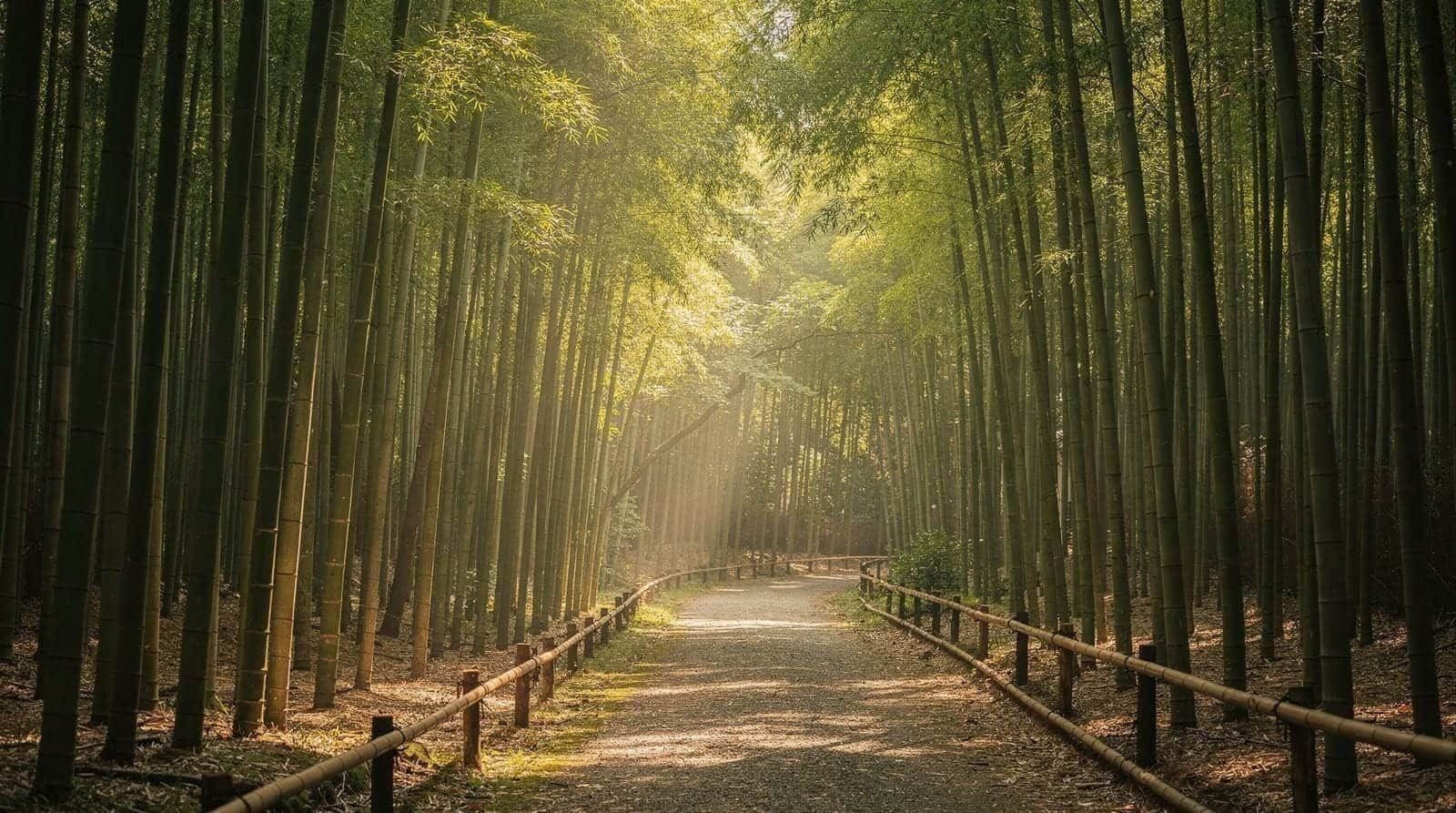
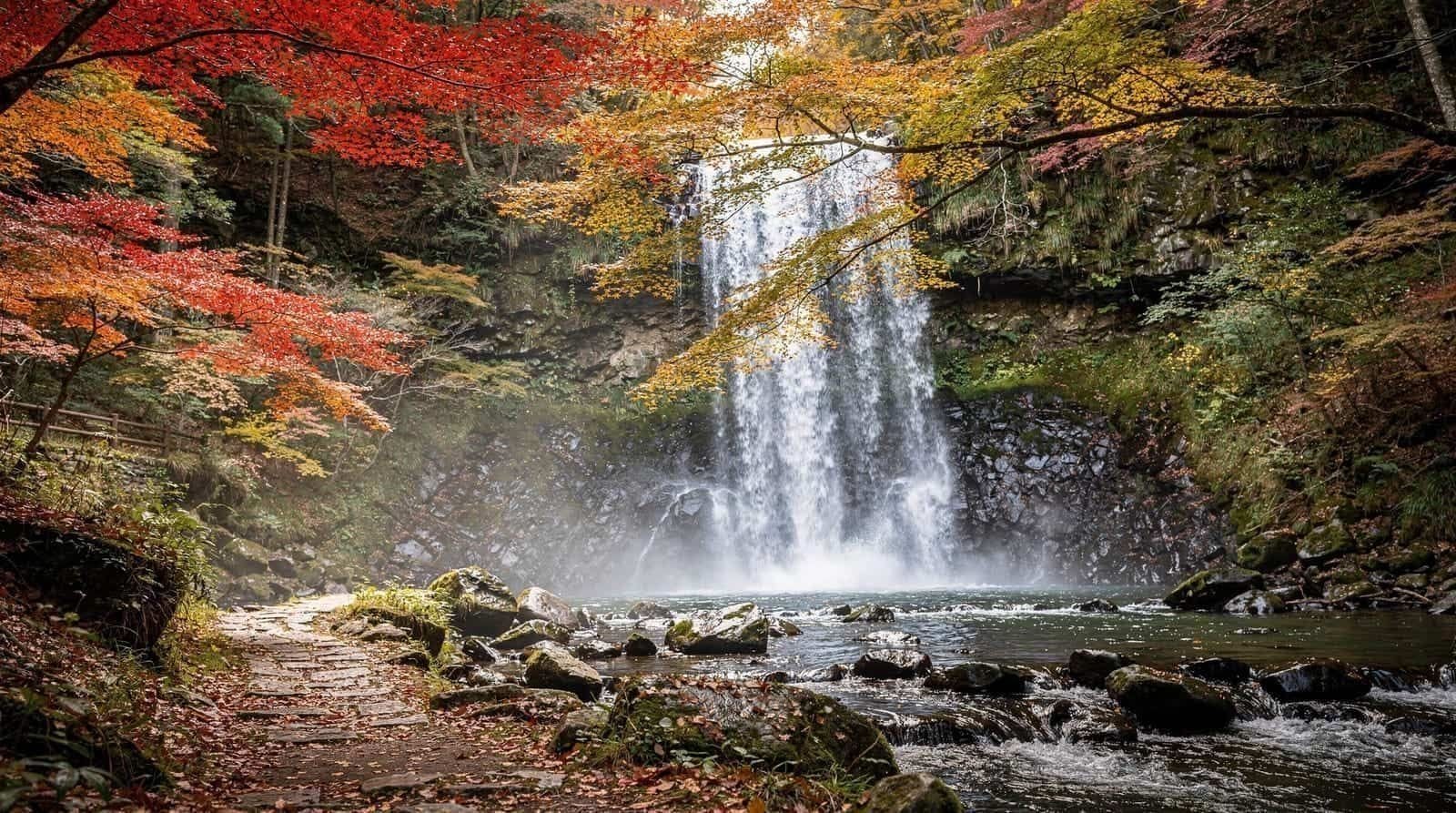
Mt Rokko’s appeal is almost entirely about the night view rather than daytime scenery, which sets it apart from every other nature destination covered on this site — Arashiyama’s bamboo grove, Minoo Park’s waterfall, and the Kumano Kodo’s mountain trails are all daytime-oriented experiences. If a genuinely different, evening-focused outing is what you’re after on a Kansai trip built mostly around temples and food, Mt Rokko fills that gap in a way nothing else in the region does.
For a broader look at Kobe itself — Kobe beef, the Nada sake district, and the Kitano foreign settlement — see the main Kobe destination page, and for full detail on Arima’s bathhouses and history, the Mount Rokko and Arima Onsen destination page.
Mt Rokko’s night view versus Japan’s other top night views
Mt Rokko is consistently listed alongside Hakodate’s Mt Hakodate and Nagasaki’s Mt Inasa as one of Japan’s “three great night views” (sankei), a longstanding informal ranking. What sets Rokko apart from the other two is accessibility from a major metro area without an overnight stay — both Osaka and Kobe put it within a same-day round trip, where Hakodate and Nagasaki generally require a dedicated multi-day visit to that specific region. For visitors who won’t make it to Hokkaido or Kyushu on a Japan trip, Mt Rokko is a genuine way to see this category of experience without adding an entire extra region to the itinerary.
What to wear and bring
Temperatures at the summit run noticeably cooler than Kobe or Osaka below, even in summer, and considerably colder on clear winter nights when the air is sharpest and the view best — a jacket or extra layer is worth carrying regardless of season, since the same clear-sky conditions that produce the best view also mean less cloud cover holding in warmth after dark. Comfortable walking shoes are sufficient for the summit viewing platforms and garden paths; nothing about the standard route requires hiking gear unless venturing onto less-maintained trails beyond the cable car and ropeway stations.
Frequently asked questions about Mount Rokko
How do I get to Mt Rokko from Kobe?
From Sannomiya, a bus and the Rokko Cable Car reach the summit in about 40-50 minutes. The separate Rokko-Arima Ropeway then connects the summit to Arima Onsen in about 12 minutes.
Is the Mt Rokko night view worth a dedicated trip?
Yes, on a clear evening — it’s regularly ranked among Japan’s best night views, alongside Hakodate and Nagasaki. Checking the forecast first matters, since haze or cloud cover meaningfully reduces the view’s impact.
Can I visit Mt Rokko and Arima Onsen in the same day?
Yes, and it’s the natural way to see both — bathe in Arima during the afternoon, then take the connecting ropeway up to the summit for sunset and the night skyline before descending back into Kobe.
What’s the difference between the Rokko Cable Car and the Rokko-Arima Ropeway?
The Rokko Cable Car is a funicular running between Rokko Cable Shita Station (near Sannomiya) and the summit. The Rokko-Arima Ropeway is a separate aerial cable car connecting the summit to Arima Onsen on the mountain’s far side — different systems serving different legs of the trip.
Is Mt Rokko a good day trip from Osaka directly, without staying in Kobe?
Yes — Sannomiya is 20-30 minutes from central Osaka by train, and the mountain and onsen combination is entirely doable as a same-day round trip, though it makes for a full day given travel time on both ends.
What’s the best season to see the night view?
Autumn (October-November) generally offers the clearest air, though any clear-sky evening works. Winter gives the sharpest contrast on cold, clear nights.
How does Mt Rokko compare to Hakodate or Nagasaki’s night views?
All three are part of Japan’s informal “three great night views” ranking. Mt Rokko’s advantage is accessibility — it’s a same-day trip from Osaka or Kobe, while Hakodate and Nagasaki generally require a dedicated multi-day visit to those regions.
Do I need to book the cable car in advance?
No, the Rokko Cable Car and connecting ropeways operate on a standard walk-up basis without reservations. A guided day tour is worth considering only if you want the Arima Onsen and summit connections handled without checking two operators’ schedules yourself.
Top experiences
Bookable activities with verified prices and instant confirmation on GetYourGuide.