Kumano Kodo hiking guide
Wakayama: Kumano Kodo hiking day tour from Osaka
Most hiking in Kansai means a paved path to a viewpoint or a short forest loop back to a train station. The Kumano Kodo is a different category entirely — a network of UNESCO-listed pilgrimage trails across the mountainous Kii Peninsula, in continuous use for over a thousand years, with sections that involve real elevation gain, patchy phone coverage, and buses that run a handful of times a day. This guide focuses on the practical hiking questions: which route, how far, what to bring, and how to get there without wasting half a day getting lost in transit options.
| Where | Kii Peninsula, Wakayama Prefecture — reached via Kii-Tanabe Station |
| Cost | Around ¥0 trail access (shrine grounds free); guided day tours from around ¥12,000-20,000 |
| Time needed | Half-day for the Hosshinmon-oji stretch; 2-3 days for the full Nakahechi traverse |
| Getting there | 3-4 hours each way from Osaka (limited express + local bus) |
| Best time | April-May and October-November |
Choosing a route by how much time and fitness you have
The Kumano Kodo isn’t a single trail but a network, and picking the right stretch matters more than general fitness level for most visitors. The Nakahechi route is the historically significant core, used historically by retired emperors traveling from Kyoto, and it’s the route most guided hikes and independent visitors focus on.
A full traverse from Takijiri-oji to Kumano Hongu Taisha covers roughly 38 kilometers of forest trail, stone steps, and mountain passes, and takes experienced hikers two to three days with overnight stops in small mountain villages. For visitors without that kind of time, the roughly 7-kilometer stretch from Hosshinmon-oji to Hongu Taisha, doable in about 2.5-3 hours, is the standard single-day introduction — enough genuine trail experience to understand what the pilgrimage is about without committing to a multi-day trek.
Kumano Kodo walk to Kumano Hongu Taisha covers this shorter Hosshinmon-oji stretch with a guide, a sensible entry point that doesn’t require multi-day logistics or advanced trail navigation.
The honest transit time from Osaka
This needs saying plainly: reaching the Kumano region from Osaka takes three to four hours each way, combining the JR Kisei Line’s “Kuroshio” limited express to Kii-Tanabe Station (about 2.5-3 hours from Shin-Osaka or Tennoji) with a local bus into the mountains toward Hongu or the Nakahechi trailheads (another 60-90 minutes depending on the starting point).
It’s the least convenient destination covered on this site, and it isn’t a casual half-day add-on — a single-day round trip from Osaka means roughly six to eight hours of transit bracketing whatever hiking you actually do. An overnight in the region, or joining a tour that handles the long transit as part of a structured day, makes considerably more sense than attempting the trip independently on a tight schedule.
Kumano Kodo hiking day tour from Osaka is built around exactly this constraint, handling the long transit and hike in a single (genuinely long) day for visitors who want to experience the trail without an overnight stay in the region.
What the trail actually feels like underfoot
Sections of the Nakahechi involve real elevation gain on uneven stone and dirt paths, occasionally steep, with limited English signage on the less-trafficked stretches — major junctions are generally well marked, but side trails less so. This is a genuine rural hiking trail rather than a manicured tourist path, and treating it with the same preparation as any moderate day hike matters more here than at any other nature destination in this region. Mobile coverage is patchy across much of the route, and services (food, water, toilets) are sparse between the small villages strung along the way, so carrying water and a trail lunch is standard practice, not an optional precaution.
Gear and preparation
Proper walking shoes with real tread — not the sneakers that work fine on Minoo Park’s paved path or Arashiyama’s flat grove trail — matter here, given the uneven stone steps and occasional mud on shaded sections. Layers help, since temperature shifts noticeably between exposed ridgeline stretches and shaded forest, and a light rain shell is worth carrying regardless of the forecast, since mountain weather in the Kii Peninsula changes faster than coastal forecasts suggest.
Water (at least one liter for the shorter Hosshinmon-oji stretch, more for anything longer) and a trail snack or packed lunch are essential rather than optional, since convenience stores and vending machines thin out considerably once away from the villages. A paper map or downloaded offline map is worth having as backup given the patchy phone signal on the trail itself.
Kumano Hongu Taisha, the trail’s traditional endpoint
Kumano Hongu Taisha, the spiritual center of the three Kumano grand shrines, sits at the traditional end of the Nakahechi route, rebuilt on its current hillside site in 1889 after flooding destroyed the original riverside location.
That original site, a sandbar called Oyunohara, now holds Japan’s largest torii gate, a 34-meter steel structure visible from a considerable distance across the valley — worth the short additional walk from the current shrine grounds, which are free to enter (a small fee applies for the treasure hall). Reaching the shrine on foot via the Hosshinmon-oji stretch gives the arrival a different weight than simply taking a bus there directly, which is largely the point of walking any pilgrimage route rather than driving its endpoints.
Nachi Falls and the trail’s southeastern branch
At the pilgrimage network’s southeastern end, Kumano Nachi Taisha sits beside Japan’s tallest single-drop waterfall, and hiking trails connect this section to the wider Kumano Kodo network for visitors extending beyond the Hongu-focused core route. The combination of vermilion shrine buildings, the adjacent three-story pagoda of Seiganto-ji, and the 133-meter falls is one of the most photographed views in the Kii Peninsula — full detail on access and the shrine-waterfall combination is on the dedicated Nachi Falls destination page.
Wakayama hidden trails and Nachi Falls day tour covers hiking sections that lead toward this southeastern branch, a genuinely different landscape from the Hongu-focused core of the Nakahechi.
An easier alternative: the Kiiji route
For visitors who want a taste of the Kumano Kodo’s history without the remoteness of the Nakahechi’s mountain sections, the Kiiji route runs along the Kii Peninsula’s western coastline closer to Wakayama City, with considerably easier terrain and better transport access — a real tradeoff of authenticity and physical difficulty for convenience, and a sensible choice for hikers short on time, fitness, or comfort with remote trail navigation.
Kumano Kodo Kiiji walking tour in Kainan City covers this more accessible coastal stretch, still a genuine, historically documented section of the pilgrimage network rather than a diluted substitute.
Where to stay if hiking more than a day
Villages along the Nakahechi — Chikatsuyu, Yunomine Onsen, and the area around Hongu itself — have small minshuku and ryokan offering overnight stays with dinner and breakfast, typically ¥10,000-18,000 (~$92.60-$166.65) per person. Yunomine Onsen, directly on the route near Hongu, is one of Japan’s oldest hot spring villages and includes a UNESCO-listed public bath (Tsuboyu) small enough for one or two people at a time, bookable in short timed slots — worth building a multi-day itinerary around if the timing allows, since soaking in a thousand-year-old bath after a day on the trail is a genuinely different experience from a standard urban onsen visit.
Comparing Kumano Kodo hiking to other Kansai walks
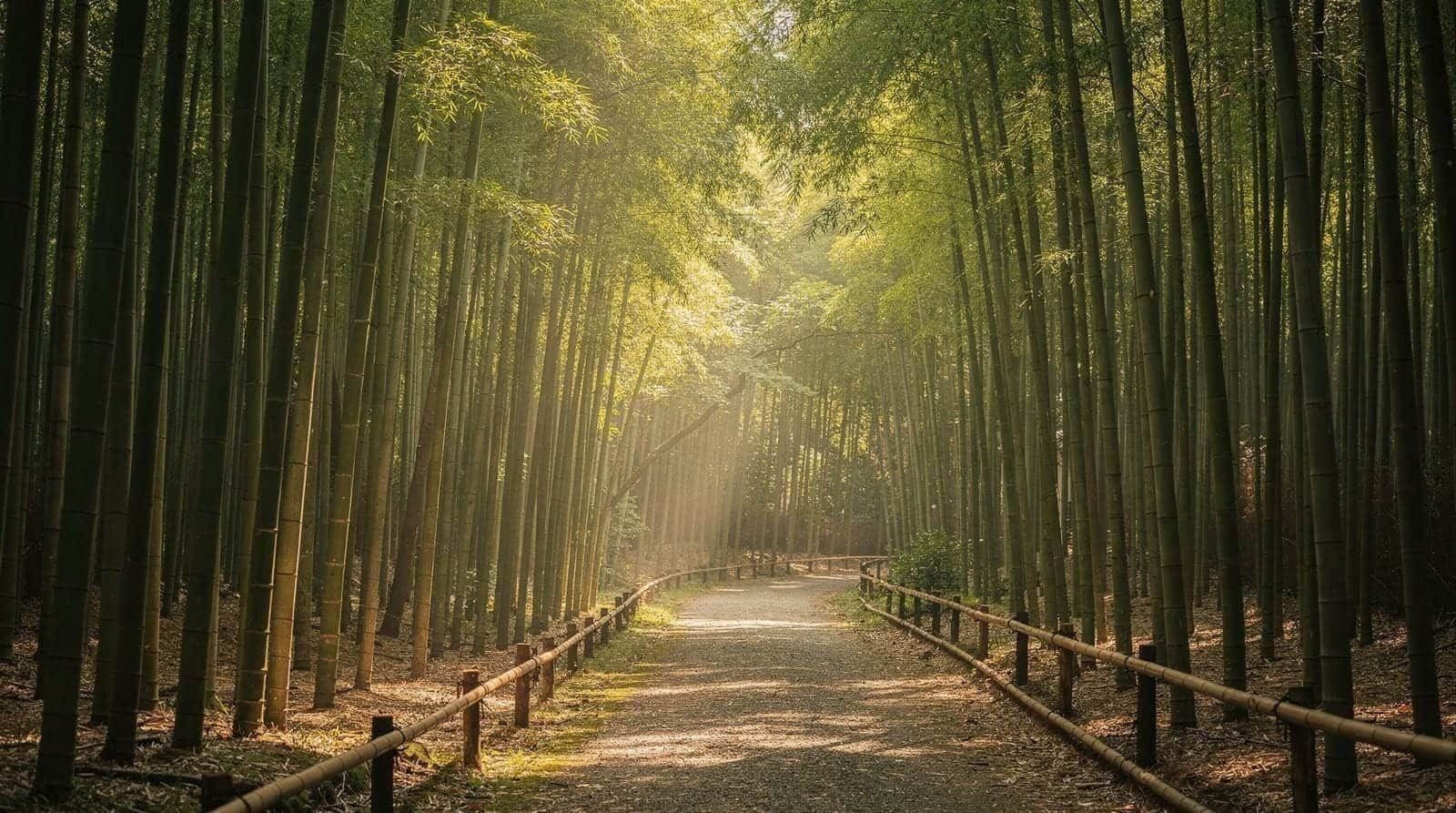
Nothing else covered on this site matches the Kumano Kodo’s remoteness or physical demand. Arashiyama’s bamboo grove and Minoo Park’s waterfall trail are flat, paved, and reachable within an hour of Osaka; Mount Rokko involves a cable car rather than genuine hiking for most visitors.
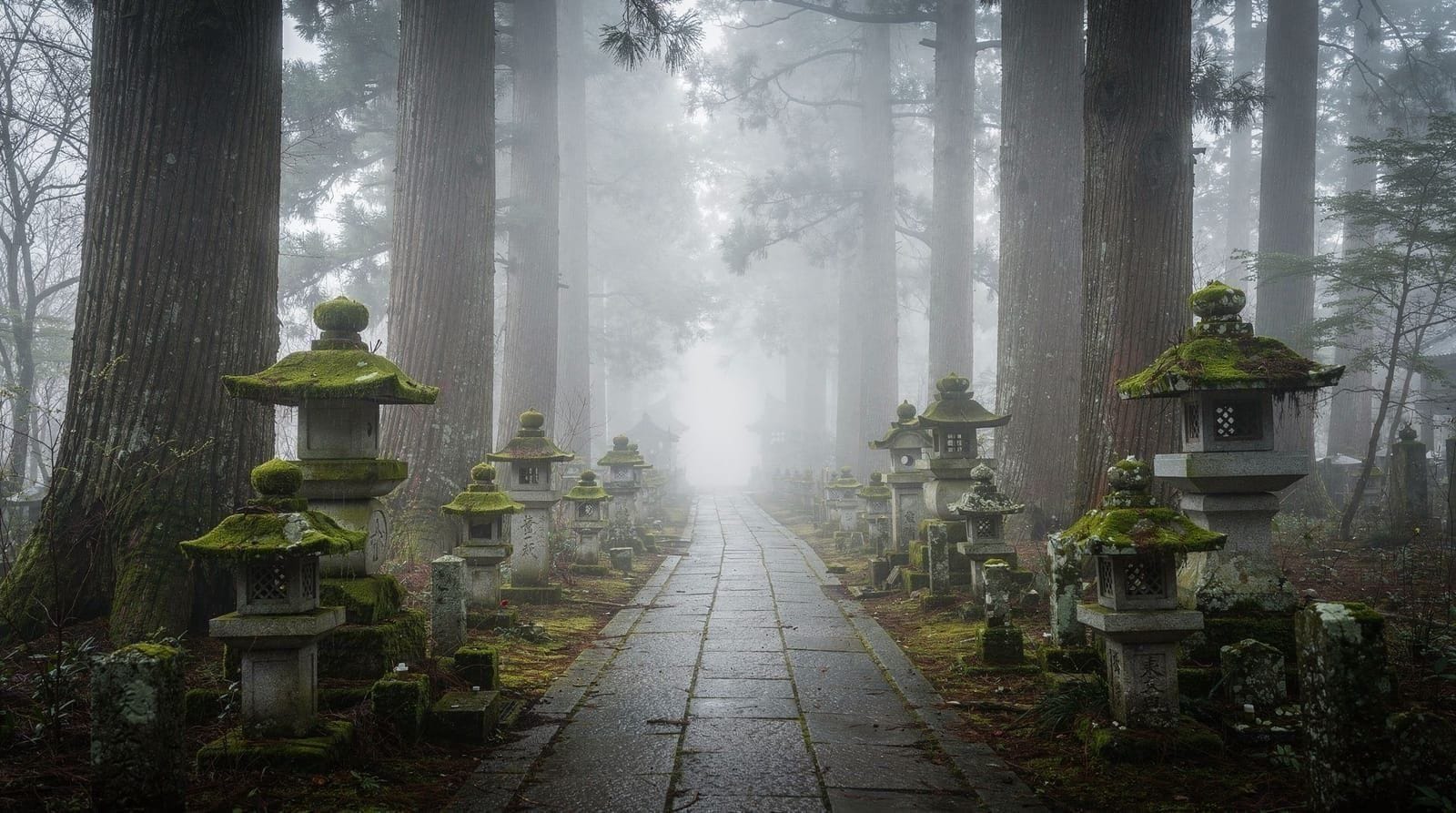
The closest comparison in terms of pilgrimage atmosphere, rather than physical difficulty, is Koyasan’s Okunoin cemetery walk — both are UNESCO-recognized Buddhist pilgrimage sites, though Okunoin’s path is flat, short, and gateless, while the Kumano Kodo is a genuine backcountry trail network. Visitors deciding between the two for a single Kansai extension should weigh time (Koyasan is about two hours from Osaka; Kumano is three to four) against how much actual hiking they want out of the day.
Seasonal timing
April-May and October-November offer the most comfortable hiking temperatures, with the trail’s limited shade on exposed ridgeline sections making full summer genuinely uncomfortable and occasionally risky for heat exposure. Typhoon season (August-September) brings both heat and the risk of trail damage or bus disruption in this rural, less-maintained region — checking forecasts carefully before committing to a hiking date matters more here than at more urban Kansai destinations with better infrastructure resilience.
| Season | Conditions | Notes |
|---|---|---|
| Spring (Apr-May) | Mild, comfortable | Best overall window; fresh greenery on the trail |
| Summer (Jun-Sep) | Hot, humid, exposed | Limited ridgeline shade makes midday sections genuinely tough |
| Typhoon season (Aug-Sep) | Heat plus storm risk | Bus disruption and trail damage possible; check forecasts closely |
| Autumn (Oct-Nov) | Mild, clear | Second-best window; comparable to spring |
| Winter (Dec-Mar) | Cold, quiet | Fewer crowds but shorter daylight for the longer stretches |
What a guided day tour changes versus going independently
Arranging the transit yourself is entirely possible with a rail pass and patience, but the honest tradeoff is time spent puzzling over bus timetables that run only a handful of times daily rather than hiking. A guided day tour absorbs that planning risk: transfers are pre-booked, the guide knows which bus connections are tight and which have buffer, and if a bus is delayed or cancelled the group isn’t stranded at a rural stop with no phone signal to call for help. For a first visit to a genuinely remote trail network, that logistics buffer is worth more than the modest cost difference versus doing it independently — especially given how little margin the return trip leaves if anything runs late.
What to skip if short on time
Visitors squeezed for a single Kansai day often ask whether a shorter substitute exists closer to Osaka. It doesn’t, not really — Minoo Park and Arashiyama’s bamboo grove are pleasant, paved, easy walks reachable within an hour, but they don’t replicate the genuine mountain-trail, thousand-year pilgrimage character of the Kumano Kodo. If the Kumano Kodo’s remoteness doesn’t fit the itinerary, treat it as a reason to plan a return trip rather than forcing a rushed half-measure — the Kumano Kodo destination page has broader trip-planning context for a longer Kii Peninsula visit.
Frequently asked questions about hiking the Kumano Kodo
Do I need to be an experienced hiker to walk the Kumano Kodo?
Not for the shorter Hosshinmon-oji to Hongu Taisha stretch (about 7km, 2.5-3 hours), which is accessible to reasonably fit casual walkers. The full multi-day Nakahechi traverse (roughly 38km) does suit experienced, well-prepared hikers rather than casual visitors.
How long does it take to get to a Kumano Kodo trailhead from Osaka?
Three to four hours each way, combining the JR Kisei Line’s limited express to Kii-Tanabe Station (2.5-3 hours) with a local bus into the mountains (60-90 minutes more). This is a full day of transit in each direction on an independent trip.
What should I pack for a day on the trail?
Proper walking shoes with real tread, water (at least one liter for shorter sections), a trail lunch or snacks, layers for temperature shifts, and a light rain shell. Services between villages are sparse, so treat it like preparation for any moderate day hike rather than a paved sightseeing walk.
Is the trail well marked?
Major junctions are generally well signed, including in English, but side trails and less-trafficked stretches have limited signage, and mobile phone coverage is patchy across much of the route.
Can I do a Kumano Kodo hike as a single day trip from Osaka?
Yes, for the shorter Hosshinmon-oji to Hongu stretch, but the round trip consumes most of a day given the three-to-four-hour transit each way. A guided day tour that handles the transit logistics is generally more efficient than arranging it independently for a first visit.
What’s the difference between the Nakahechi and Kiiji routes?
Nakahechi is the historically central, mountainous route with genuine elevation and remoteness; Kiiji runs along the coastline near Wakayama City with easier terrain and better transport access, trading some authenticity and difficulty for convenience.
Is there anywhere to stay directly on the trail?
Yes — villages including Chikatsuyu and Yunomine Onsen along the Nakahechi have small minshuku and ryokan, typically ¥10,000-18,000 per person including dinner and breakfast, making a multi-day traverse practical without carrying camping gear.
How does the Kumano Kodo connect to Koyasan?
Historically, some pilgrims walked between the two sites as part of a broader Kii Peninsula pilgrimage circuit. Today they’re separate destinations requiring different transit routes from Osaka — see the Koyasan destination page and the Kumano Kodo destination page for the full logistics of each.
Is a guided day tour worth it compared to going independently?
For a first visit, generally yes. The transit involves a limited express train and a local bus that runs only a handful of times daily, and a guided tour absorbs the risk of a missed connection or delay without stranding you in an area with patchy phone coverage.
What should I do if I’m short on time in Kansai?
Treat the Kumano Kodo as a reason to plan a separate trip rather than squeezing it into a packed Osaka-Kyoto itinerary. Closer, easier alternatives like Minoo Park don’t replicate the same backcountry pilgrimage experience.
Top experiences
Bookable activities with verified prices and instant confirmation on GetYourGuide.