Kyoto day trip from Osaka
Kyoto: Kyoto Fushimi Inari guided walking tour
Duration: 2-3 hours
Kyoto is a 28-minute train ride from Osaka, and that convenience is also the trap of a one-day visit: with roughly 2,000 temples and shrines spread across a genuinely large city, a day that tries to hit five famous names ends up spending more time in transit than actually seeing anything. This loop picks one cluster — Fushimi Inari and southern Higashiyama — that sit close enough together to see properly in a single day.
| Where | Fushimi Inari & Higashiyama, eastern Kyoto |
| Getting there | JR Special Rapid, Osaka–Kyoto, ~28 min, around ¥580 |
| Time needed | Full day, ideally 8am departure to an evening train back |
| Cost | Roughly ¥4,000-7,000 ($35-60) per person, before a guided tour |
| Best time | Early morning start year-round; avoid a late-morning Fushimi Inari arrival |
Who this day trip suits
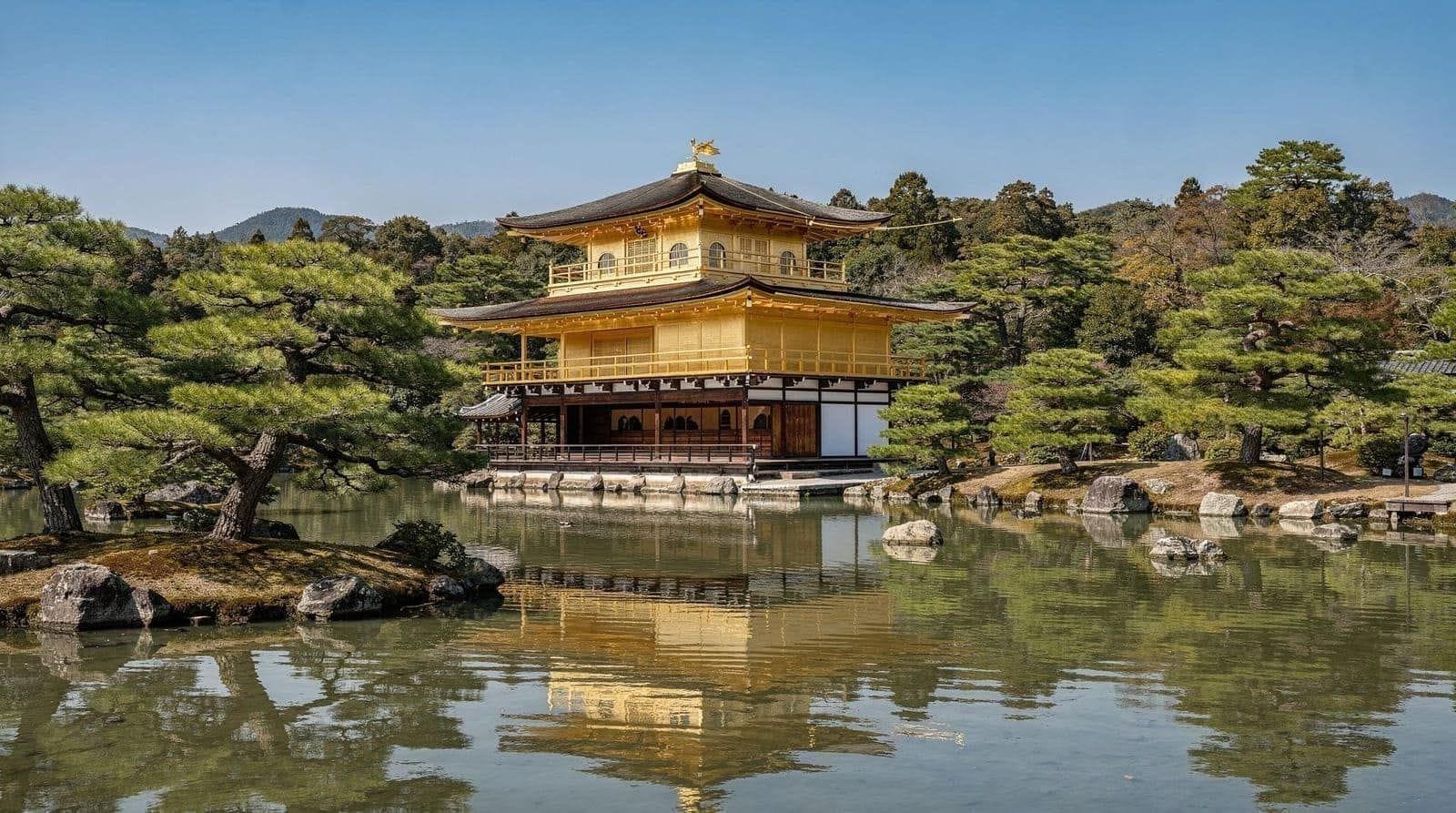
This is built for a first Kyoto visit with only one day available, whether as a standalone trip from an Osaka base or a single day carved out of a longer Kansai itinerary. It assumes a genuine interest in walking several kilometers over the course of the day and arriving early — both are what make the difference between a rushed, crowded version of Kyoto and one that actually feels worthwhile. If two days in Kyoto are possible instead, our Kansai 5-day itinerary splits Kyoto across two days and adds Arashiyama and Kinkaku-ji on a separate day.
Why this route, not a five-sight checklist
Fushimi Inari and Higashiyama both sit on the eastern side of Kyoto and connect via the Keihan line without backtracking through Kyoto Station, which is the specific reason they’re paired here rather than with Arashiyama or northern Kyoto’s Kinkaku-ji — both of those sit on the opposite side of the city and require a separate bus or rail transfer that eats into the day. For a version built around Arashiyama and Kinkaku-ji instead, see our Osaka to Kyoto day trip guide, which compares both routings in more depth.
Morning: Fushimi Inari Shrine
Getting there — JR Special Rapid from Osaka Station to Kyoto Station, 28-29 minutes, about ¥580 ($5), departing every 10-15 minutes — no reservation needed. From Kyoto Station, JR Nara Line to Inari Station is two stops, about 5 minutes.
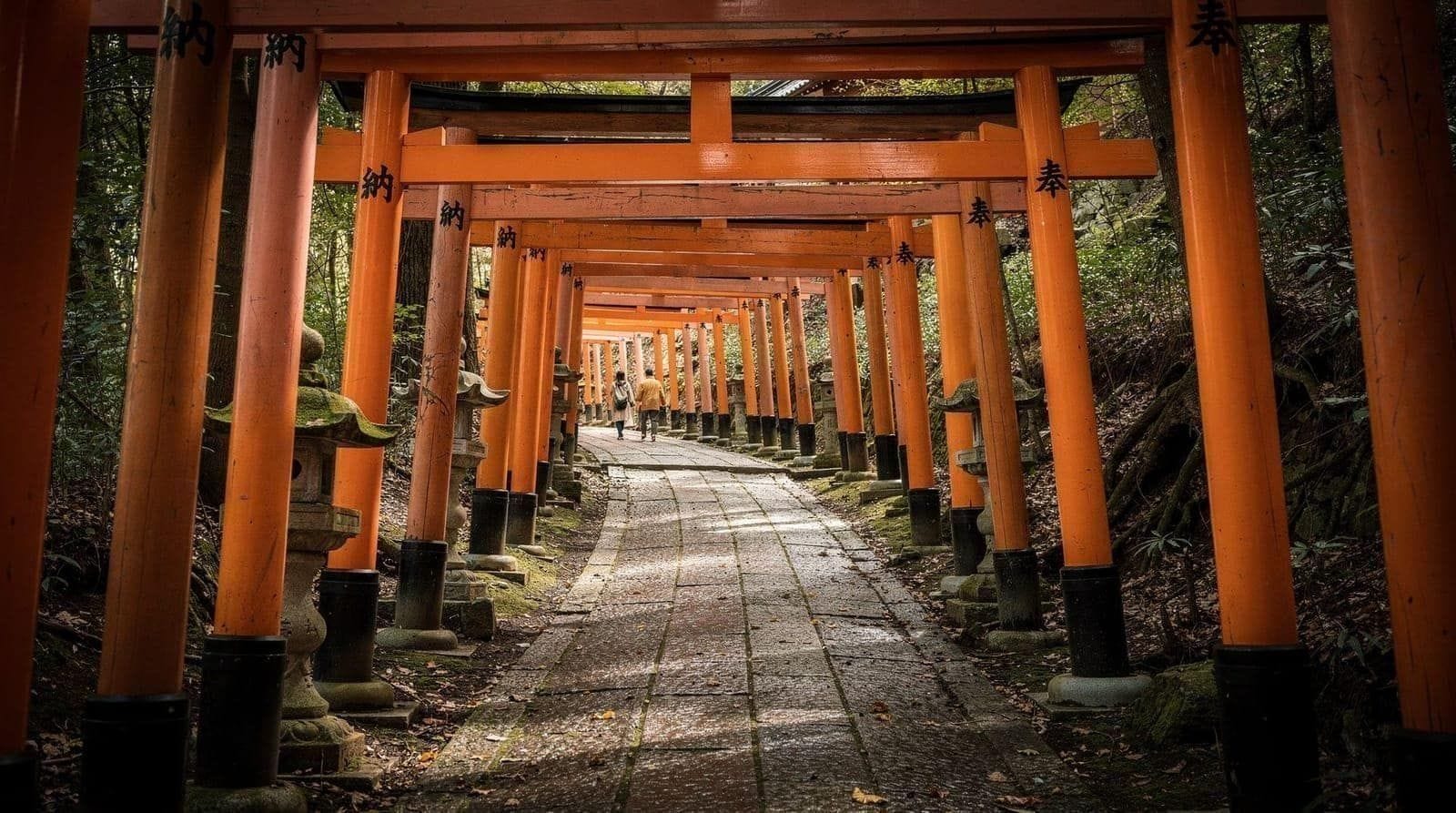
Arrive as early as possible, ideally before 8am. Fushimi Inari’s thousands of vermillion torii gates climbing Mount Inari are one of Kyoto’s most photographed sights, and they get genuinely crowded by mid-morning — the gap between an early arrival and a 10am one is the single biggest factor in how the visit actually feels.
The shrine itself is dedicated to Inari, the Shinto deity of rice, agriculture, and prosperity, and the thousands of gates were each donated by individuals or businesses over centuries, their names inscribed on the back in gratitude for good fortune. The full summit hike takes 2-3 hours round trip, but most day-trippers turn back after the Yotsutsuji intersection (about 30-45 minutes up), which already clears the densest gate tunnels and gives a wide view over southern Kyoto.
A Fushimi Inari guided walking tour adds context on the shrine’s fox (kitsune) symbolism and history that a solo visit typically misses — the foxes are considered Inari’s messengers, not deities themselves, a distinction easy to miss without some background. Full details at Fushimi Inari guide and Fushimi destination guide.
Midday: getting to Higashiyama
Keihan Main Line from Fushimi-Inari Station (a short walk from the shrine) to Kiyomizu-Gojo or Gion-Shijo Station, about 10-15 minutes. This keeps the whole route on rail without needing a bus transfer — a meaningful advantage over trying to connect Fushimi Inari to Arashiyama or northern Kyoto, both of which require a bus or a longer, less direct rail routing. If the day’s pace is running ahead of schedule, a brief stop for lunch near Kiyomizu-Gojo Station is a reasonable way to use the gap before the afternoon’s uphill walk.
Afternoon: Kiyomizu-dera and the Higashiyama lanes
Kiyomizu-dera Temple’s wooden stage, built without a single nail using an interlocking wooden joinery technique, juts out over the hillside with views back across Kyoto — worth the uphill walk from the station even on a first, brief Kyoto visit.
The temple’s name means “pure water,” referring to the Otowa Waterfall beneath the main hall, where visitors queue to drink from one of three streams, each said to grant a different benefit (longevity, success in studies, or a good love life) — drinking from all three is considered greedy, so pick one. Below and around it, the preserved streets of Sannenzaka and Ninenzaka are lined with traditional shops and teahouses; walking them slowly, rather than rushing to the next stop, is arguably the actual point of an afternoon here.
Our Kiyomizu-dera guide and Higashiyama walking route map the specific path that avoids backtracking. A Kiyomizu-dera and Gion backstreet tour covers this stretch with a guide if navigating the lane network solo feels like a hassle on a tight schedule.
Late afternoon: Gion
A 15-20 minute walk north from Kiyomizu-dera brings you into Gion, Kyoto’s most famous geisha district. Hanamikoji-dori, the main preserved street, still has working ochaya (teahouses) behind traditional wooden facades, though most are members-only and inaccessible without an existing connection. Early evening (around 5-6pm) is when a geiko or maiko is most likely to be seen briefly on the street heading to an appointment — never block their path or photograph them up close without permission, a real problem the district has had to post signage and even fine violators for on certain private streets.
Our Gion and geisha etiquette guide covers this in more detail, and a historic Higashiyama walking tour is a reasonable way to see Gion with context on which streets are genuinely historic versus rebuilt for tourism. See also Gion district guide and Gion & Higashiyama destination guide.
Evening: dinner and the return train
Gion and the Higashiyama area have plenty of dinner options at a range of price points; our Kyoto kaiseki guide covers the traditional multi-course option if a special meal is part of the day, though it’s worth booking ahead if a specific well-regarded restaurant matters, since same-day availability is unreliable for the better-known kaiseki spots.
For something more casual, the Pontocho alley along the Kamo River, a short walk from Gion, has a dense concentration of restaurants at a range of prices, some with outdoor riverside seating in warmer months. JR Special Rapid trains from Kyoto Station back to Osaka run frequently until close to midnight, so there’s no need to rush dinner specifically to catch a last train — Gion-Shijo or Kiyomizu-Gojo Station connects back to Kyoto Station by Keihan in under 10 minutes.
Seasonal timing for this specific route
Fushimi Inari and Higashiyama both work year-round, but spring (late March-early April, sakura) and autumn (November, koyo) bring meaningfully heavier crowds to both, particularly Higashiyama’s temple grounds and the approach to Kiyomizu-dera. Summer (June-August) is hot and humid, which makes the uphill walking at both stops more demanding — an early start matters even more in summer months, both for crowds and for finishing the physically harder parts of the day before the midday heat peaks.
What this day skips, on purpose
Arashiyama’s bamboo grove, Kinkaku-ji, and Nijo Castle are all genuinely worth seeing, but none of them fit into this loop without cutting Fushimi Inari or Higashiyama short — they sit on the opposite side of the city and each needs its own transfer, generally 30-40 minutes by bus from this side of Kyoto.
Nishiki Market, Kyoto’s five-block covered food arcade, is another common addition that doesn’t naturally fit this specific route without a detour back through Kyoto Station; if food is more of a priority than a second temple district, consider swapping the afternoon Higashiyama stop for Nishiki Market instead, reachable by the same JR Nara Line back toward central Kyoto. If a second day trip to Kyoto is possible, our Kansai 5-day itinerary covers a two-day Kyoto split that adds exactly those sights on a separate day.
Budget for this day trip
Round-trip JR fare (Osaka-Kyoto) runs about ¥1,160 ($10); the Keihan segments add another ¥500-600 ($4-5) combined. Fushimi Inari itself is free to enter, with no admission gate at any point along the gate paths; Kiyomizu-dera’s temple grounds charge a small admission (around ¥500/$4.40) for the inner hall and stage. A full day of food, transport, and one attraction fee comes to roughly ¥4,000-7,000 ($35-60) per person before any guided tour, making this one of the more affordable single-day itineraries on this site given how much of it is free to walk. Our JPY currency converter and Kansai day trip planner help plan the exact timing and costs.
Hour-by-hour summary
| Time | Stop | Notes |
|---|---|---|
| 7:00-7:30am | Leave Osaka | JR Special Rapid to Kyoto Station |
| 8:00-10:00am | Fushimi Inari | Arrive early; turn back at Yotsutsuji |
| 10:15-10:30am | Keihan transfer | To Kiyomizu-Gojo or Gion-Shijo |
| 10:30am-1pm | Kiyomizu-dera & lanes | Sannenzaka, Ninenzaka, temple grounds |
| 1-2pm | Lunch | Around Higashiyama or Gion |
| 2-5pm | Gion | Hanamikoji-dori, backstreets |
| 5-8pm | Dinner | Gion, Pontocho, or Kyoto Station |
| By ~midnight | Return | JR Special Rapid, frequent until late |
If the day is running short on time
Missing the early Fushimi Inari window is the single most common way this day goes sideways — arriving at 10am instead of 8am can mean the difference between walking the gate paths freely and shuffling through a crowd. If a late start is unavoidable, consider swapping the order and doing Higashiyama first, then Fushimi Inari in the late afternoon; the gates are atmospheric near sunset too, though the crowd advantage of an early start is lost either way. Our Osaka to Kyoto transport guide covers the full range of rail options if a hotel location changes the calculus on timing.
Weekday versus weekend timing
Weekends bring noticeably heavier crowds to both Fushimi Inari and Higashiyama, particularly from domestic day-trippers arriving mid-morning on the same Keihan and JR lines this route uses. A weekday visit, if the travel dates allow flexibility, makes the early-arrival advantage even more pronounced, since the gap between an 8am weekday visit and a 8am Saturday visit is itself noticeable. If a weekend is the only option, treat the early start as non-negotiable rather than a nice-to-have. Our Kyoto crowd-avoidance guide has more on timing this kind of day around the calendar.
Frequently asked questions about a Kyoto day trip from Osaka
How long does it take to get from Osaka to Kyoto?
The JR Special Rapid service connects Osaka Station and Kyoto Station in 28-29 minutes for about ¥580, departing every 10-15 minutes.
Can I really see Fushimi Inari and Higashiyama in one day?
Yes — both sit on Kyoto’s eastern side and connect directly via the Keihan line, which is why this route pairs them instead of adding Arashiyama or northern Kyoto, both on the opposite side of the city.
What time should I arrive at Fushimi Inari?
Before 8am if possible. The shrine and its torii gate paths get genuinely crowded by mid-morning, and an early arrival is the biggest single factor in how uncrowded the visit feels.
Do I need to hike to the summit of Fushimi Inari?
No — most day-trippers turn back at the Yotsutsuji intersection, roughly 30-45 minutes up, which already clears the densest tunnels of gates and gives a wide view over the city.
Is one day enough to properly see Kyoto?
No, not the whole city — but one day is enough to properly see one cluster of sights, which is a better outcome than rushing through five separate ones. Kyoto rewards a second visit far more than it rewards trying to cover more ground in a single trip.
Should I book a guided tour or go independently?
Independently is straightforward for this route since it’s all direct rail with no complex transfers; a guided option adds historical context that’s easy to miss reading signage alone, particularly at Fushimi Inari.
What should I wear and bring for this day trip?
Comfortable walking shoes matter more than anything else, given the uphill sections at both Fushimi Inari and Kiyomizu-dera and the total distance covered on foot across the day. A small amount of cash is worth carrying, since Otowa Waterfall’s cups and some smaller shops along Sannenzaka and Ninenzaka are cash-only.
Can I do this itinerary in reverse, starting with Higashiyama?
Yes — the order doesn’t matter functionally, though starting with Fushimi Inari is generally recommended since it benefits most from an early arrival before crowds build, while Higashiyama and Gion hold their appeal reasonably well into the afternoon and evening.
Is this route different on weekends?
Functionally no, but practically yes — weekend crowds at both Fushimi Inari and Higashiyama build earlier and thicker than on weekdays, which makes the early start even more important if the trip only allows a Saturday or Sunday for Kyoto.
What if I’m doing this as part of a longer Kansai trip rather than a standalone visit?
It slots in well as a single Kyoto day within a longer stay — see the greater Kansai 7-day itinerary for how a day like this one fits alongside Osaka, Nara, and Kobe or Himeji on a longer trip.
Top experiences
Bookable activities with verified prices and instant confirmation on GetYourGuide.