Nishiki Market guide
Kyoto: Kyoto Nishiki market walking food tour
What should you eat at Nishiki Market?
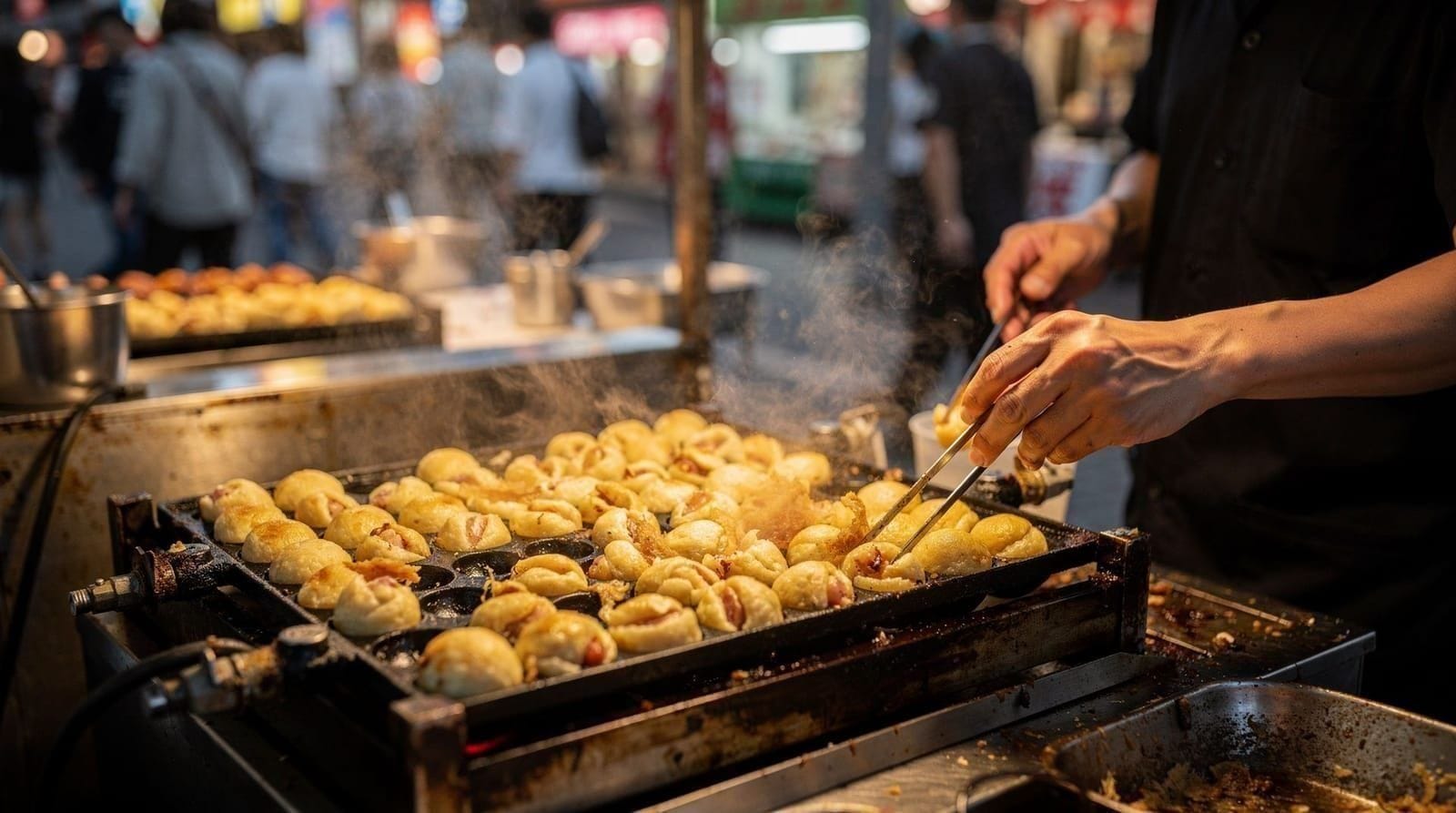
Skewered tako tamago (a whole baby octopus stuffed with a quail egg), fresh yuba (tofu skin), tsukemono (Kyoto-style pickles), and matcha soft-serve are the market's signature bites, running ¥300-800 per item. Arrive before 10am on a weekday — by late morning the 400-meter covered arcade gets genuinely congested with tour groups.
Nishiki Market has operated as Kyoto’s produce and food market since roughly the 14th century, which is the source of its nickname, “Kyoto’s kitchen” — restaurants across the city historically sourced ingredients from stalls here, and a working core of that trade survives underneath the layer of tourism the market has taken on over the past two decades. It’s a narrow, roughly 400-meter covered arcade packed with more than a hundred small shops, and the honest advice for visiting well comes down to two things: knowing what’s genuinely worth eating, and knowing when to show up before the crowds make browsing impossible.
| Where | Central Kyoto, off Shijo-dori, near Kawaramachi Station |
| Cost | Free to enter; ¥1,500-3,000 for a grazing visit |
| Time needed | 1-1.5 hours for a focused route |
| Best time | Before 10am on a weekday |
| Getting there | Hankyu Kyoto Line from Osaka-Umeda, ~43 min |
Who actually shops here: a market for locals too
It’s worth correcting a common misconception before diving into the stalls themselves: Nishiki Market hasn’t become purely a tourist attraction, even though foreign visitors now make up a large share of daytime foot traffic. A meaningful number of stalls still sell raw ingredients — whole fish, unprepared vegetables, dried goods in bulk — aimed squarely at home cooks and restaurant buyers rather than at snacking visitors, and these tend to sit toward the middle and western sections of the arcade rather than the more visitor-oriented eastern entrance.
Recognizing which stalls serve which customer base helps set realistic expectations about English availability and photography norms — a stall selling bulk dried fish to a restaurant buyer isn’t set up for a tourist transaction the way a skewer stand near the entrance is, and treating it accordingly (browsing respectfully rather than assuming every stall wants a photo or a quick sale) goes a long way toward being a considerate visitor in a market that still serves its original working function.
Where Nishiki Market is and how to get there
The arcade runs roughly parallel to Shijo-dori in central Kyoto, a few minutes’ walk north of Kawaramachi Station on the Hankyu Kyoto Line, itself about 43 minutes from Osaka-Umeda. If arriving via JR to Kyoto Station instead, it’s a further 15-20 minute bus or subway ride into the Kawaramachi-Shijo area. The market’s western entrance connects to the Teramachi covered shopping arcade, and its eastern end lets out a block from the Kamo River — a natural point to continue toward Gion or Pontocho for dinner after an afternoon of grazing.
Shipping and taking food home
A number of Nishiki Market vendors sell shelf-stable products specifically packaged for travel — dried bonito flakes, packaged dashi stock, bottled ponzu and other sauces, and vacuum-sealed pickles designed to survive a flight home without refrigeration. Fresh seafood and prepared food items obviously don’t travel well and are meant for same-day eating, but the shelf-stable category is worth browsing specifically if bringing home an edible souvenir beyond a box of sweets is the goal — several shops will point out which of their products are flight-safe if asked directly, since this is a common enough question from visitors that staff are generally prepared for it.
What to actually eat: the stalls worth stopping at
Tako tamago — a whole baby octopus, boiled and stuffed with a quail egg, skewered and glazed — is Nishiki Market’s most photographed item and, despite the novelty factor, genuinely tastes good rather than being a gimmick purely for visitors; expect ¥200-400 per skewer. Fresh yuba (tofu skin), a Kyoto specialty tied to the city’s long tradition of Buddhist vegetarian cooking, is sold both plain and as small prepared dishes, running ¥300-600 depending on preparation — a good, lighter option between heavier bites.
Tsukemono (Japanese pickles) stalls sell an enormous range of vegetables pickled in different styles — miso, salt, rice bran, or sweet vinegar — and most shops offer small samples before you buy, a genuinely useful way to find a style you like without committing blind; a small pack typically runs ¥400-900.
Fresh seafood skewers (grilled scallop, unagi, or smaller fish) run ¥400-1,200 depending on the item, generally pricier than the seafood at Osaka’s Kuromon Ichiba Market but reflecting Kyoto’s overall higher price level for prepared food. Matcha soft-serve, sold from several stalls along the arcade, is the reliable crowd-pleaser at ¥400-600 and a fine way to cool down mid-walk.
Nishiki Tenmangu Shrine: a quiet break mid-arcade
Tucked directly into the middle of the shopping arcade, easy to walk past without noticing, Nishiki Tenmangu Shrine is a small Shinto shrine dedicated to Sugawara no Michizane, a 9th-century scholar and politician later deified as the god of learning — a genuinely calm, free stop wedged between the food stalls, and a popular quick visit for students and their families praying for exam success. It’s a good two-minute pause if the market’s pace and crowds start to feel overwhelming, offering a moment of quiet without leaving the arcade itself.
Combining a visit with Teramachi and Shinkyogoku arcades
Nishiki Market’s western end connects directly into the Teramachi covered shopping arcade, and Shinkyogoku runs parallel to it a block over — together the three arcades form a continuous covered shopping stretch considerably longer than Nishiki Market alone, running from temple-supply and antique shops at the Teramachi end (a reflection of the street’s historical role serving nearby temples) through more contemporary fashion and souvenir retail in Shinkyogoku. Extending a Nishiki Market visit into these adjoining arcades is a natural way to add an hour of browsing without needing a separate trip, particularly useful on a rainy day given the full stretch is covered.
What’s overpriced or not worth the queue
A handful of stalls near the market’s two main entrances specifically target tour-group foot traffic with premium pricing on otherwise ordinary items — a skewer that costs ¥300 three stalls deeper in the arcade sometimes runs ¥500-600 at the entrance simply because that’s where the largest crowds pass. The pattern is consistent enough that walking a third of the way into the arcade before buying anything is a reasonable rule of thumb.
Pre-packaged souvenir sweets sold in decorative boxes, aimed squarely at gift-giving rather than eating on the spot, are convenient if you need a Kyoto souvenir but aren’t meaningfully better value or quality than the same category of sweet sold at Kyoto Station’s dedicated souvenir floors, which is worth knowing if time is limited and you’d rather not carry a box through a full day of walking.
Timing: the single biggest factor in enjoying Nishiki Market
The arcade is genuinely narrow — barely wide enough for two people to pass comfortably in several sections — and by late morning on any day of the week, let alone weekends, foot traffic slows to a shuffle that makes actually stopping to look at a stall’s offerings difficult without holding up the flow behind you.
Arriving before 10am on a weekday is the clearest way to browse properly: many stalls are still setting up their displays, but the ones that are open serve the same food with none of the congestion, and shopkeepers have more time to explain what’s on offer. By early afternoon, particularly on weekends and during peak tourist seasons (cherry blossom, late autumn foliage), the market can feel closer to a moving crowd than a place to browse and choose.
Nishiki Market walking food tour with a local guide is a reasonable way through this specifically because a guide routes you to specific stalls efficiently rather than wandering and second-guessing, and adds context on what’s actually being sold — useful given how inconsistent English signage is across the arcade’s many small, independently run shops.
A practical one-hour route
For a focused visit rather than an open-ended graze, start at the western end near Teramachi and work east: a tsukemono sample near the entrance, tako tamago about a third of the way in, a yuba dish at the halfway point, a seafood skewer two-thirds through, and matcha soft-serve to finish near the eastern exit before continuing toward the Kamo River. This route takes about an hour at a comfortable pace, longer if you stop to sample at every stall that offers a taste, which many do.
Combining Nishiki Market with the rest of central Kyoto
Nishiki Market sits within easy walking distance of Nijo Castle and the Kyoto Imperial Palace grounds, making it a natural midday stop on a half-day loop through central Kyoto’s less temple-heavy district. Golden Pavilion, Nijo Castle, and Nishiki Market tour bundles the market with two of the district’s more substantial sights in a single guided day, useful for visitors trying to cover a lot of ground efficiently on a tight Kyoto schedule.
Beyond eating: what else is at Nishiki Market
Alongside food, a handful of stalls sell Kyoto-specific kitchenware — knives, ceramics, and lacquerware — aimed at a mix of professional chefs and souvenir-hunting visitors, generally with less foot traffic than the food stalls and worth a stop if a well-made Japanese knife or a piece of Kyoto pottery is on your list. A few longstanding shops specialize in a single ingredient — one dealing only in dried bonito flakes, another exclusively in Kyoto-grown vegetables — a reminder that the market’s working, wholesale character survives underneath the tourist-facing snack stalls, even if it’s not always obvious on a first walk-through.
Vegetarian and dietary options
Nishiki Market is one of the more vegetarian-friendly food experiences in Kyoto specifically because of the yuba and tsukemono stalls, both genuinely plant-based (though it’s worth confirming individual pickle brines, some of which use dashi). Seafood and meat items are clearly separate and easy to avoid if needed, and most stall owners are used to being asked directly whether an item contains fish or meat, even without extensive English.
Seasonal notes
Nishiki Market’s offerings shift with the season more than a first-time visitor might expect — matsutake mushroom items appear in autumn, fresh bamboo shoots in spring, and specific pickle varieties change with what’s locally available. Around New Year, the market gets substantially busier and more crowded than usual as Kyoto households shop for osechi ryori (New Year’s food) ingredients, a genuinely local scene worth seeing if the timing lines up, though it also means the narrowest, most congested version of the market you’ll encounter all year.
Pairing Nishiki Market with a sake experience
Kyoto insider sake experience with food pairing works well later the same day as a more structured, seated counterpart to Nishiki Market’s standing-and-walking format, pairing several sake styles with small dishes over roughly three hours — a sensible way to turn a market graze earlier in the day into a fuller food-and-drink day without repeating the same experience twice.
How Nishiki Market compares to Osaka’s food markets
If you’re splitting time between Kyoto and Osaka, Nishiki Market’s character is noticeably different from Osaka’s Kuromon Ichiba Market — Nishiki leans toward refined, Kyoto-style ingredients (yuba, tsukemono, delicate sweets) at generally higher prices, while Kuromon is louder, more seafood-and-wagyu-focused, and has a broader range of very casual to premium options in the same arcade. Neither is more “authentic” than the other; they reflect the two cities’ different food identities, covered in more depth in our Osaka street food guide and Kansai versus Tokyo culture guide.
Getting to Kyoto’s other food experiences from here
Nishiki Market’s eastern end is a short walk from the Kamo River and Pontocho’s dinner restaurants, covered in the Gion and Higashiyama guide. For visitors interested in a more formal, seated food experience after a casual market graze, our Kyoto kaiseki guide covers Kyoto’s higher-end multi-course dining tradition, a considerable step up in both price and pacing from anything available at the market stalls themselves.
The market’s history in more detail
Nishiki Market’s roots trace to the early 14th century, when the area’s cold, mineral-rich underground water — drawn from wells that still exist beneath some shops today — made it an ideal spot for the fish and produce trade that needed to keep goods fresh before refrigeration.
The city officially recognized the street as a fish market in 1615, and over the following centuries it grew into the produce and prepared-food arcade recognizable today, supplying not just households but the kitchens of Kyoto’s more formal restaurants, including the kaiseki tradition covered in our Kyoto kaiseki guide. The covered roof over the full length of the arcade was added in the 20th century, protecting the market from weather and cementing its identity as a continuous, walkable strip rather than an open-air street market exposed to the elements.
Specific shops worth knowing by name
A handful of Nishiki Market vendors have built reputations specific enough to be worth seeking out by name rather than browsing at random. Tsukiji Tamahide-Uzura, a small stall specializing in quail eggs (including the ones used in tako tamago skewers found throughout the arcade), has operated for generations and supplies several of the market’s other tako tamago vendors.
Aritsugu, a knife shop with roots going back roughly four centuries to swordsmithing, sells kitchen knives used by professional chefs across Japan and internationally, with prices ranging from approachable (¥5,000-10,000 for a solid entry-level knife) to serious collector territory for hand-forged, master-crafted pieces. Konna Monja, a small tsukemono specialist, is known locally for a particularly wide range of seasonal pickle styles rotated more frequently than some of its larger competitors.
How Nishiki Market handles payment
Cash remains more commonly used than card payment at Nishiki Market’s smaller, family-run stalls, though contactless and IC card (ICOCA, Suica) payment has become more widely accepted at larger shops and chain locations within the arcade over the past several years. Carrying ¥2,000-3,000 in small bills and coins covers a typical grazing visit comfortably, since many stalls sell items in the ¥300-600 range where breaking a large bill can be mildly inconvenient for a small vendor during a busy period.
Accessibility and practical mobility notes
Nishiki Market’s covered arcade is flat and step-free for its full length, making it one of the more accessible food experiences in Kyoto compared to the stepped slopes of Higashiyama covered in our Higashiyama walking route. The main challenge for mobility is crowd density rather than terrain — the arcade’s narrow width means a wheelchair or stroller needs to navigate tightly packed foot traffic during peak hours, reinforcing the earlier advice to visit before 10am on a weekday for a meaningfully easier walk-through regardless of mobility needs.
A final note on pacing
Nishiki Market rewards a slower pace than most visitors initially give it — the temptation on a first walk-through is to keep moving toward the next well-known stall, but some of the better finds (a specific pickle blend, a tucked-away tofu counter) are easy to miss without pausing to actually look at what each small shop specializes in. Treating the arcade as a place to browse rather than a checklist to complete is the difference between a rushed 15-minute walk-through and an hour genuinely spent tasting what Kyoto’s kitchen actually has to offer.
Combining a market visit with a Kyoto day trip from Osaka
For visitors based in Osaka, Nishiki Market fits naturally into a half-day Kyoto trip alongside a temple or two — arriving via the Osaka to Kyoto transport guide’s recommended morning train, grazing the market around midday, then continuing to Fushimi Inari or Kinkaku-ji in the afternoon works well precisely because the market’s covered arcade makes a reliable lunch stop regardless of weather. The Kyoto day trip from Osaka itinerary lays out a full day built around this exact structure.
Etiquette specific to a working food market
Because a meaningful share of Nishiki Market’s stalls still serve wholesale and restaurant buyers rather than snacking visitors, a few etiquette points matter more here than at a purely tourist-facing food street. Avoid touching produce or seafood directly without asking, since much of it is destined for a restaurant’s kitchen rather than a browsing customer’s hands.
Eating while walking is generally accepted for skewered items bought specifically for that purpose, but lingering to eat directly in front of a stall not selling food for immediate consumption can slow the narrow arcade’s flow for other shoppers. Photographing a vendor’s open stall is usually fine with a quick nod of acknowledgment, though a handful of the smaller, less visitor-oriented stalls understandably prefer not to be photographed while working.
Frequently asked questions about Nishiki Market guide
Is Nishiki Market free to enter?
Yes — it's a public covered shopping arcade, not a paid attraction. You only pay for what you eat or buy.What time should I visit Nishiki Market?
Before 10am on a weekday for the calmest browsing. By late morning, especially on weekends, the narrow arcade gets genuinely congested with tour groups.How much does a full visit to Nishiki Market cost?
Budget ¥1,500-3,000 ($14-28) for a grazing route across four or five stalls, more if you add fresh seafood skewers or take home pickled vegetables and sweets.Is Nishiki Market worth visiting if I've already done Kuromon Ichiba Market in Osaka?
Yes, though expect a different character — Nishiki leans toward refined Kyoto specialties like yuba and tsukemono, while Kuromon is more seafood-and-wagyu-focused. Both are worth visiting for visitors interested in regional food culture rather than choosing just one.Can I get vegetarian food at Nishiki Market?
Yes — yuba (tofu skin) and most tsukemono (pickles) are plant-based, though it's worth confirming individual pickle brines, some of which use dashi. Seafood and meat items are clearly separate stalls.
Top experiences
Bookable activities with verified prices and instant confirmation on GetYourGuide.