Kansai with kids, 6 days
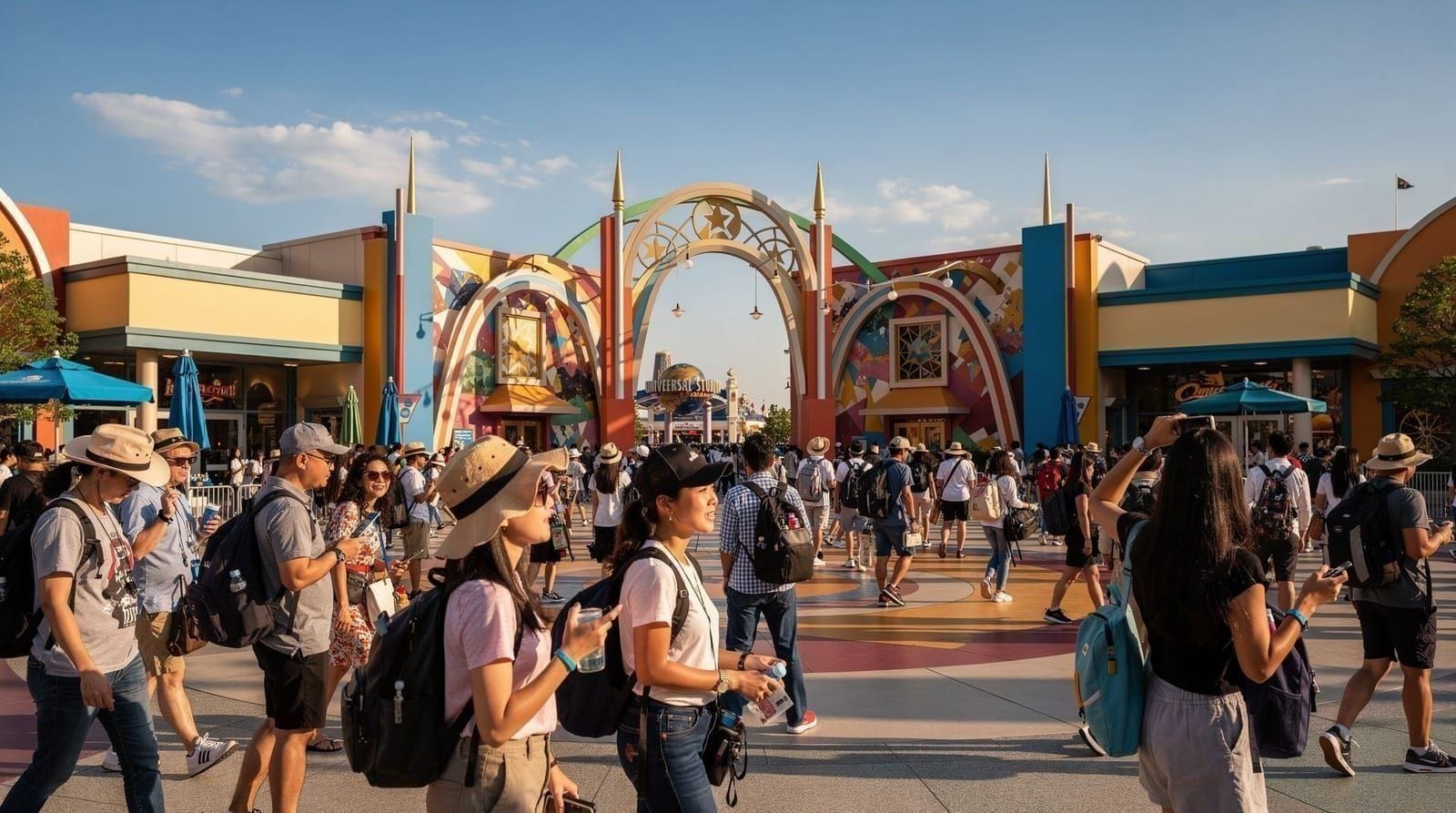
Osaka: Osaka USJ 1-day studio pass
Kansai works well for families largely because distances are short and the biggest attractions — USJ, Nara’s deer park, Osaka Castle — don’t require the all-day stamina that a Tokyo or Kyoto-only trip can demand. This itinerary keeps each day to one major activity, builds in downtime, and treats the deer park and USJ as the two anchor days rather than trying to layer everything into a packed schedule.
| Where | Osaka, Kyoto (short day), Nara — Osaka-based throughout |
| Getting there | Kansai International Airport, Nankai Rapi:t or JR Haruka |
| Time needed | 6 days, including one buffer day |
| Cost | Roughly ¥15,000-25,000 ($130-220)/adult/day, plus USJ tickets |
| Best time | Any season; school holidays add USJ crowds |
Why family trips need a different itinerary shape
A standard adult Kansai itinerary front-loads two full Kyoto days and treats meals as something to fit around sightseeing. That structure tends to break down with kids, who typically need a genuine midday break, more predictable meal timing, and shorter total walking distances per day. This plan responds to all three by giving each day one clear anchor activity, keeping travel days (like Day 4’s Nara trip) to routes with no transfers, and building in a full buffer day near the end rather than assuming everything will go exactly to schedule.
Pacing for families: what’s different here
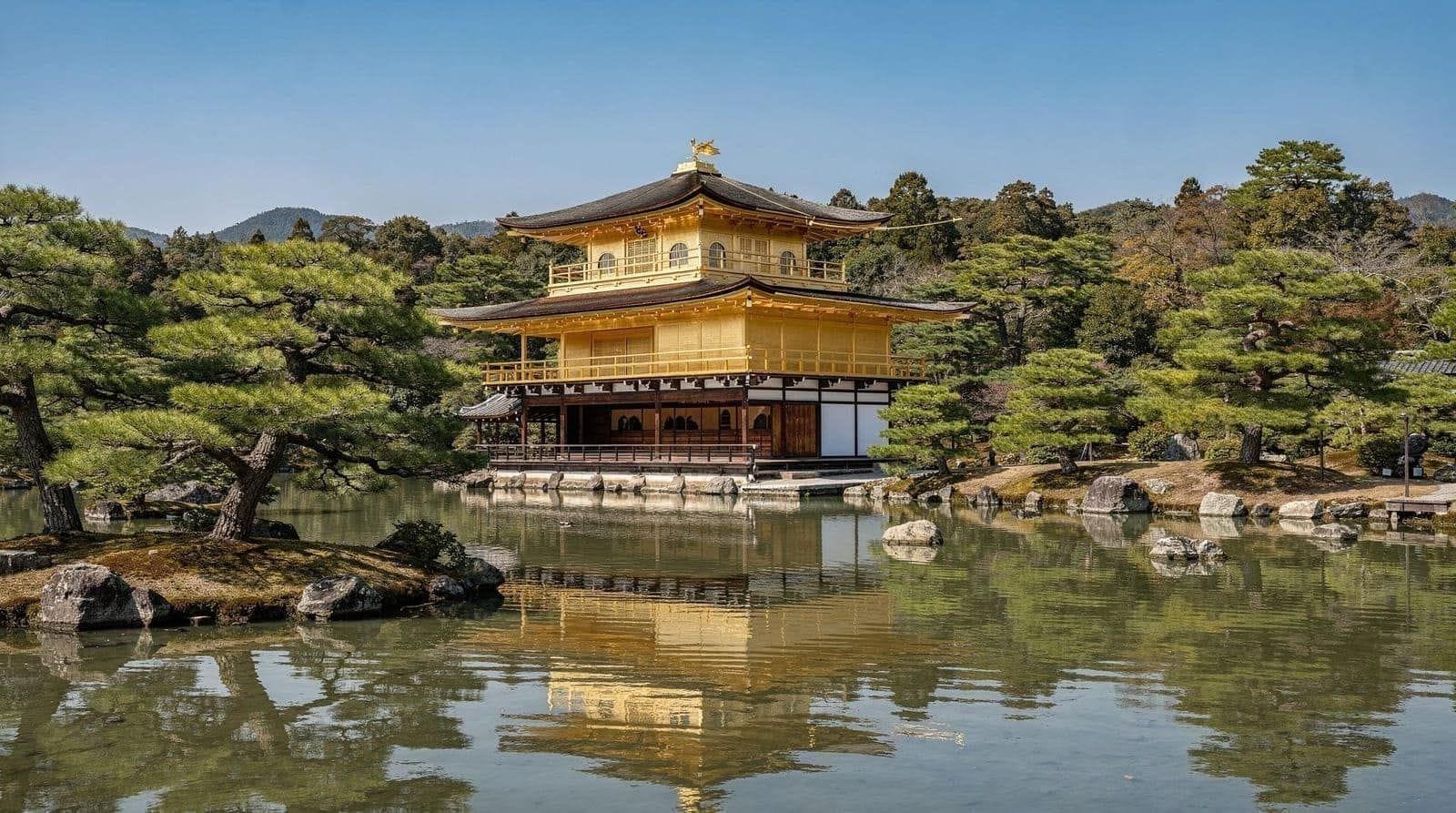
Compared to our standard 5-day Kansai itinerary, this plan drops one Kyoto temple day (Arashiyama/Kinkaku-ji, which involves a longer bus transfer that’s harder with tired kids) and stretches the remaining days out with more buffer time. It assumes at least one child under 10, though the structure works reasonably well for teens too, just with more room to add optional extras like a second USJ half-day or extra shopping time in Umeda.
Day 1: Arrival and an easy first evening
Land at Kansai International Airport, transfer into central Osaka (Nankai Rapi:t to Namba in 38-45 min is the faster option if traveling with a stroller or heavy luggage, though the regular Nankai line is cheaper if the extra time doesn’t matter), and check into a Namba or Dotonbori hotel for the full week. Keep the evening light — a walk through Dotonbori for takoyaki, without pushing into a full food crawl on a jet-lagged first night.
Our takoyaki guide has kid-friendly stall recommendations (less spicy sauce options exist at most stands on request). Time zone adjustment tends to hit kids differently than adults — some sleep through it easily, others take a few days — so treat the first two or three mornings as flexible rather than committing to a fixed wake-up time before the trip even starts.
Day 2: Osaka Castle and the aquarium
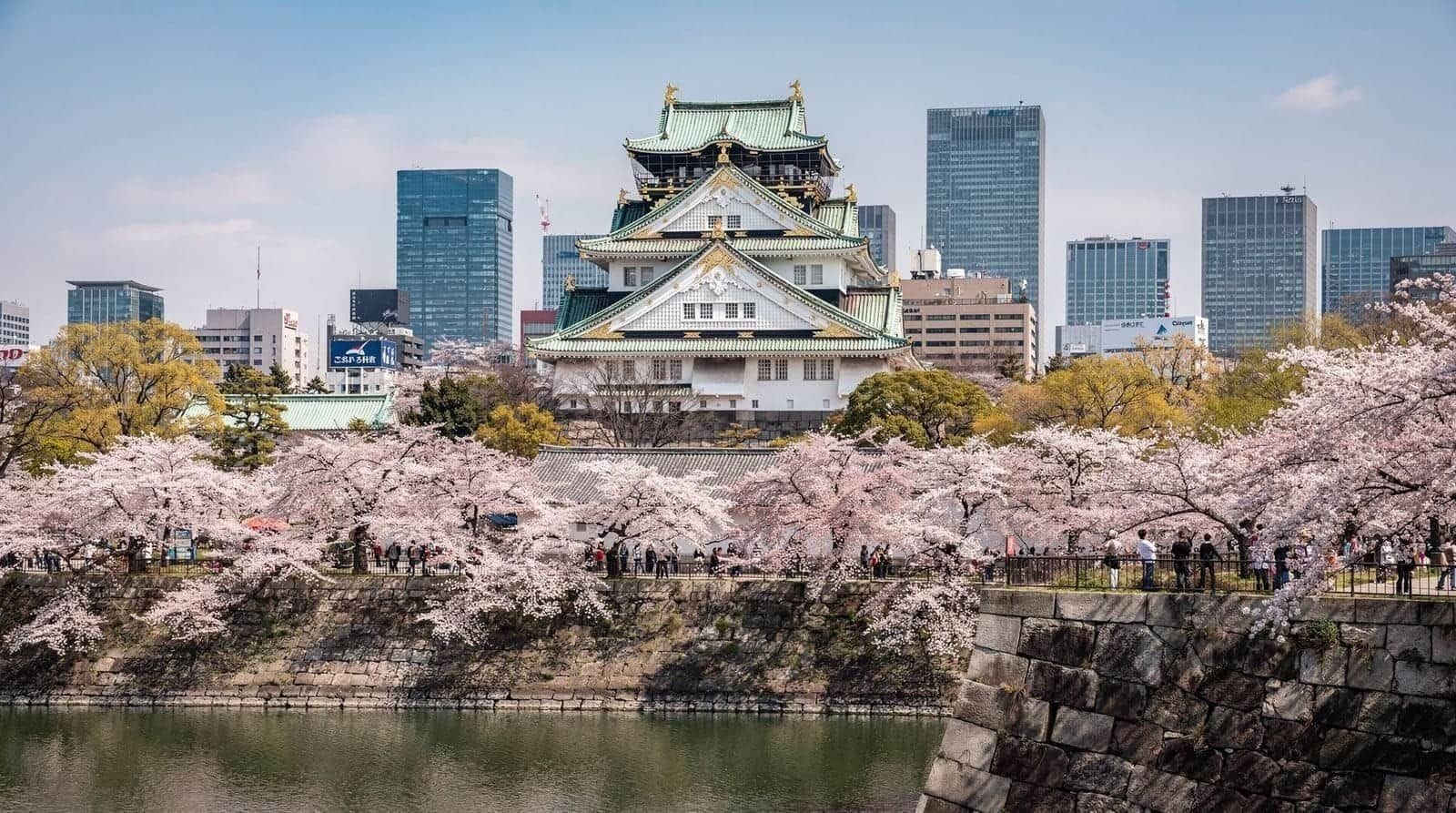
Morning — Osaka Castle Park is genuinely good for kids — wide-open grounds, moats to look at, and enough space to run around between sightseeing stops. The interior tower climb (stairs, no elevator to the top floors) is optional; the grounds alone, including the 12-meter stone walls and wide moats, are worth the visit even for families who skip the museum inside. See our Osaka Castle guide and Osaka Castle walking route.
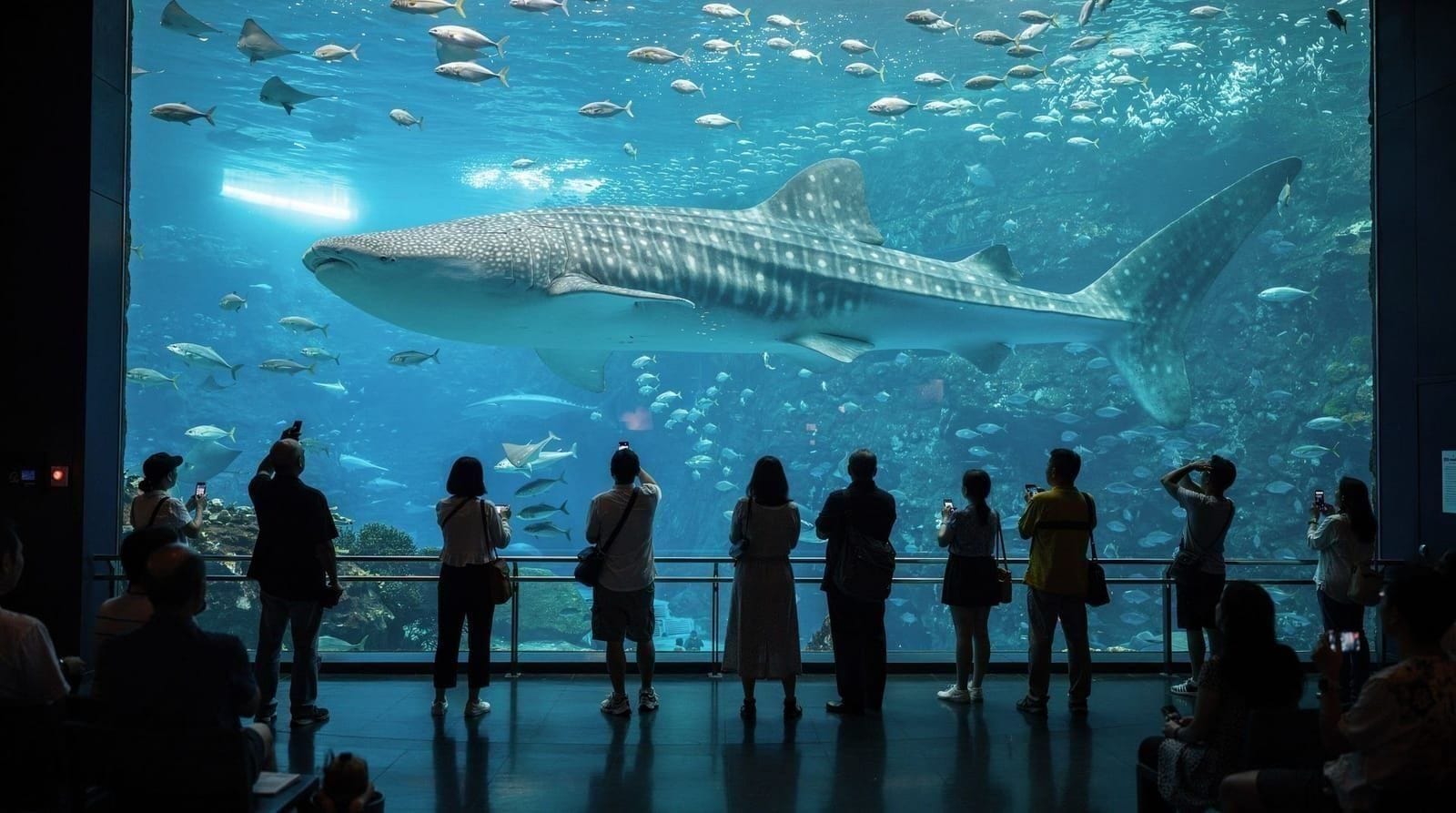
Afternoon — Kaiyukan Aquarium, at Osaka Bay, is built around a central tank with whale sharks and manta rays viewed via a descending spiral ramp — one of the better rainy-day or hot-afternoon options in the city, and reliably a hit with younger kids, since the ramp layout means there’s no route to get lost on and no way to rush ahead of the group.
A Kaiyukan Aquarium ticket skips the ticket-counter line, worth it specifically on a day when patience for queuing is already limited. See our Kaiyukan guide. Budget around two hours for a full loop at a kid’s pace, plus time in the gift shop, which is a genuine stop on most family visits here rather than an afterthought.
Day 3: Universal Studios Japan
A full day, and it’s worth treating it as exactly that rather than trying to add anything else — USJ’s Super Nintendo World expansion is the current headline draw for families, and lines for its top rides can run 60-90 minutes on busy days. A USJ 1-day studio pass is the standard ticket; an express pass is worth the added cost on weekends or during Japanese school holidays specifically to protect nap schedules and meal timing for younger kids. See our full USJ guide and Kansai family attractions guide for what else pairs well nearby if energy allows a shorter second stop.
Day 4: Nara day trip — deer park
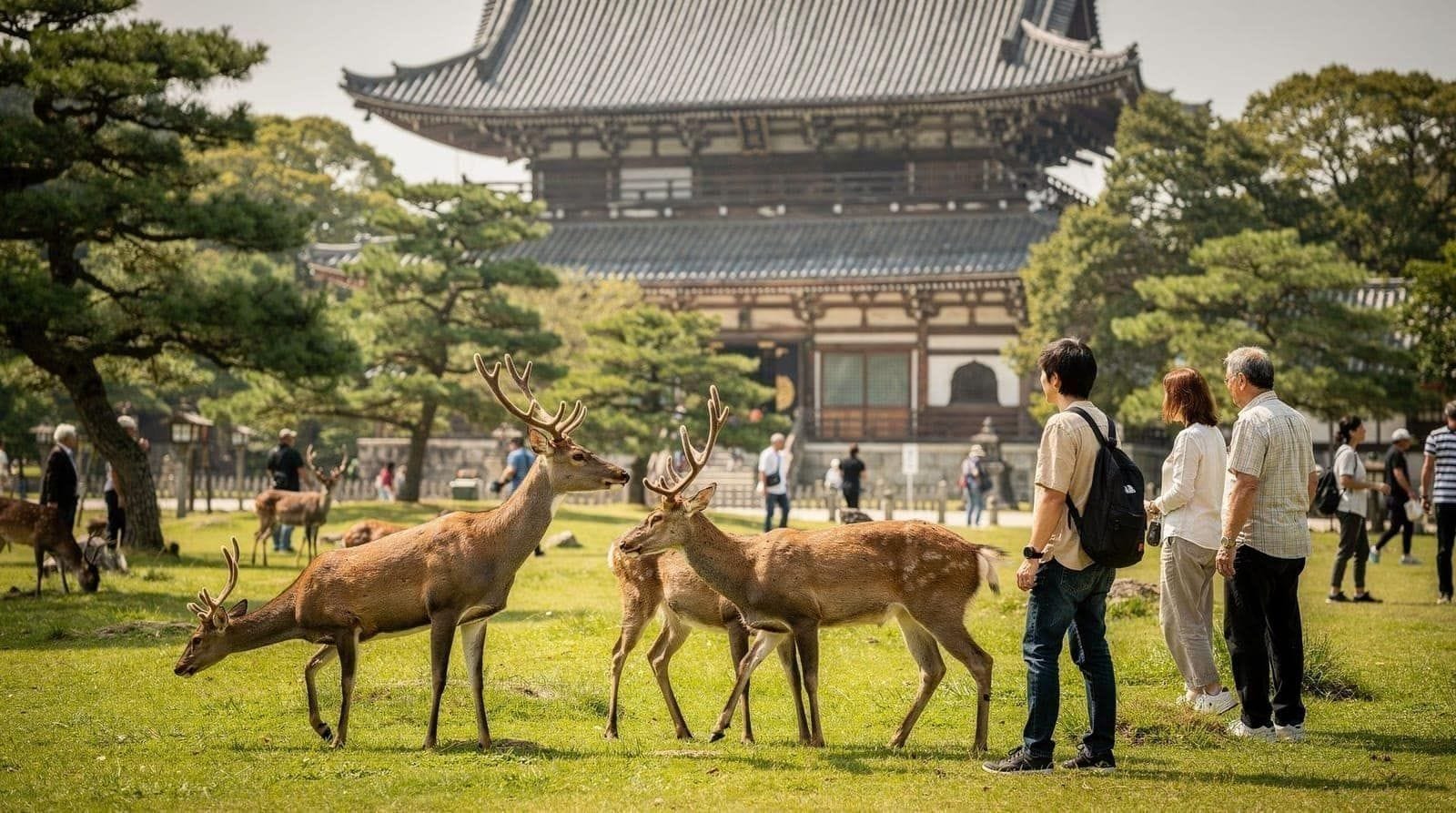
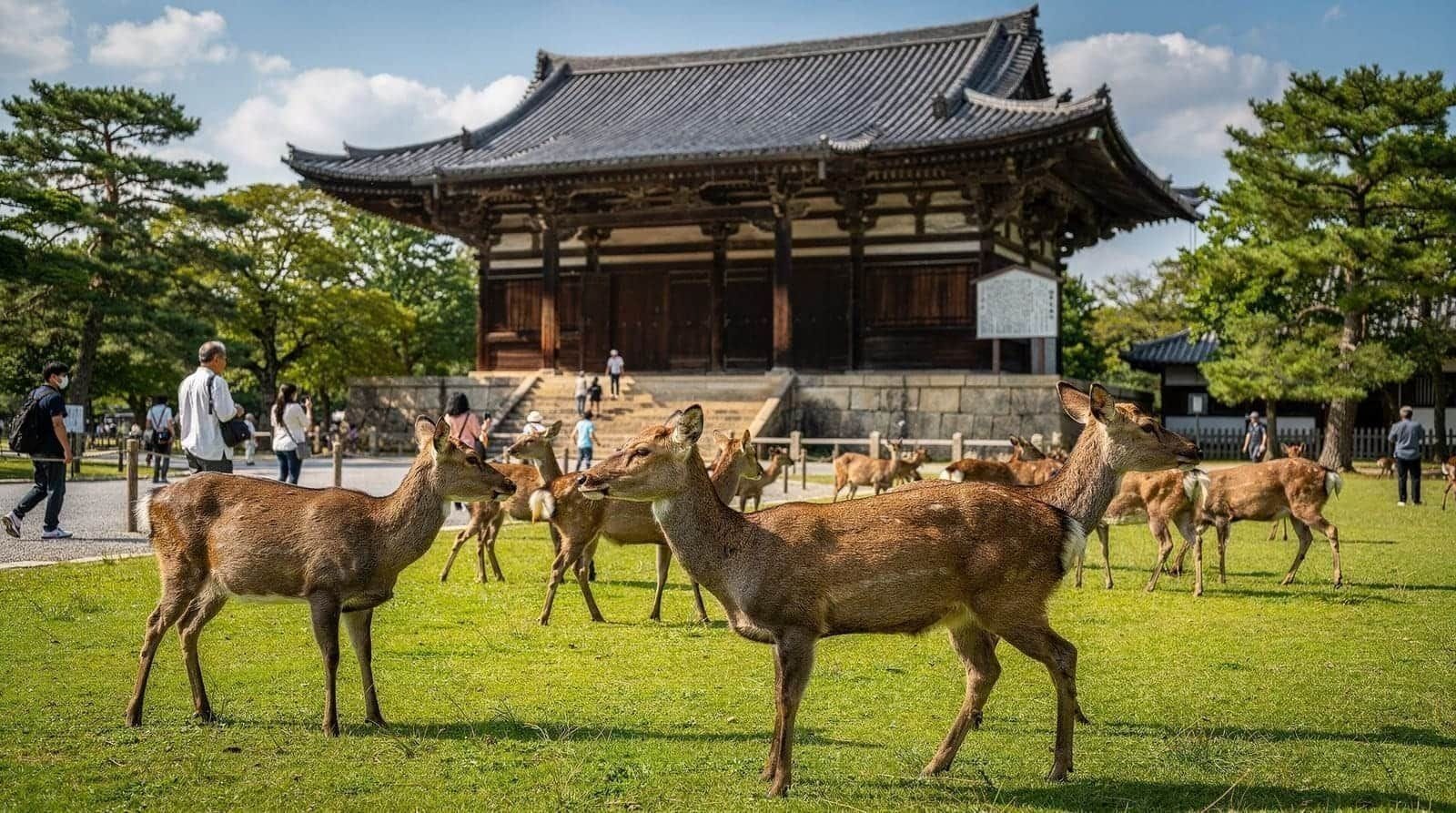
Kintetsu Nara Line from Osaka-Namba, about 45 minutes, direct with no transfers — one of the easier train rides in the region for a family, especially useful if this is an early trip for young kids not yet used to Japanese trains. Nara Park’s free-roaming deer are the actual draw for most families here; a Nara deer park day trip with hotel pickup removes the need to navigate Osaka’s rail system with kids and luggage in tow.
See our Nara deer park family guide, which covers realistic expectations for how deer interact with small children (mostly gentle, occasionally pushy around visible crackers). Todai-ji’s Great Buddha Hall, a short walk further into the park, is worth the stop for its sheer scale even for kids who won’t engage with the temple history. See our Todai-ji guide.
Day 5: Kyoto — one cluster only, kept short
JR Special Rapid to Kyoto, 28-29 minutes, about ¥580 ($5). Rather than a full two-district Kyoto day, keep this one focused: Fushimi Inari Shrine’s lower torii gate paths (the first 20-30 minutes up, without pushing to the summit, which takes 2-3 hours round trip and is more than most kids will tolerate) are genuinely engaging for kids, since the repeating orange gates read almost like a maze and there’s no admission fee or gate to manage. See our Fushimi Inari guide.
If energy remains, a short Keihan ride to Higashiyama for a slow walk through Sannenzaka and Ninenzaka, two preserved streets lined with traditional shops, rounds out the afternoon — plenty of small shops here sell snacks and souvenirs that double as an incentive for kids to keep walking. See our Higashiyama walking route. Return to Osaka by early evening rather than pushing for a late dinner in Kyoto; the JR Special Rapid runs frequently, so there’s no need to rush a specific train.
Day 6: Flexible day, then departure
Built in as a buffer, since travel with kids rarely goes exactly to schedule. If everyone still has energy, a Nara Park family bike and lunch tour-style slower second visit to Nara, or a return trip to whichever Day 2-5 stop was cut short, works well. Otherwise, use the day for laundry, packing, and a final relaxed walk before heading to KIX or onward travel. This day is also a reasonable place to slot in a lower-key half-day, like the HEP Five ferris wheel in Umeda or a return to Dotonbori for a final round of takoyaki, if energy is running low by this point in the trip.
Managing meals and downtime with kids
Japanese restaurants are generally more accommodating of children than first-time visitors expect, including at izakaya-style places in the evening, though very late dinners (past 8-9pm) can be harder to manage with younger kids given how much walking is built into most days. Convenience stores (konbini) are a reliable fallback for a quick, familiar snack between bigger meals, and most hotel rooms in Osaka, even mid-range ones, can accommodate a simple in-room breakfast if mornings need to start slowly. Building a genuine rest break into each day — an hour back at the hotel after lunch, for instance — costs little in terms of sightseeing and meaningfully improves how the afternoon goes, particularly on Day 3’s full USJ day.
Where to stay for this itinerary
Namba or Dotonbori keeps everything centralized, but if noise at night is a concern with young kids, Umeda is a quieter alternative with equally strong transport links to the Kyoto and Nara day trips. See our Osaka destination guide.
Practical notes for traveling with kids in Kansai
Stroller access is reasonable at Osaka Castle Park and Nara Park (paved paths, gentle grades) but harder at Fushimi Inari’s uphill gate paths and within some train stations without elevators — check station accessibility maps ahead of time if a stroller is non-negotiable. Convenience stores (konbini) are reliably stocked with kid-friendly snacks, and most restaurants, even izakaya-style ones, are accommodating of families in a way that surprises first-time visitors expecting a more formal dining culture.
Budget for this itinerary
Family budgets run higher than solo mid-range travel mainly due to USJ tickets (from around ¥8,600/$75 per person, more with an express pass, though tickets for young children are typically discounted) and larger hotel rooms, which in central Osaka often run 30-50% more than a standard double for a family-sized room. Otherwise, daily food and transport costs track similarly to a standard mid-range Kansai budget of ¥15,000-25,000 ($130-220) per adult, with reduced child pricing at most paid attractions like Todai-ji and the Kaiyukan Aquarium.
Our Kansai budget calculator and Kansai packing list help plan ahead, and the Kansai day trip planner is useful for double-checking the Kyoto and Nara train timing around nap schedules.
6-day summary
| Day | Focus | Pace |
|---|---|---|
| 1 | Arrival | Light, flexible wake-up times |
| 2 | Osaka Castle + Kaiyukan Aquarium | One morning, one afternoon anchor |
| 3 | USJ | Full day, no second activity |
| 4 | Nara deer park | Direct train, no transfers |
| 5 | Kyoto, one cluster only | Fushimi Inari lower gates + Higashiyama |
| 6 | Flexible buffer | Revisit, rest, or a light half-day |
Handling nap schedules and midday breaks
Younger kids on this itinerary generally do better with a genuine midday break than with pushing straight through from breakfast to dinner, and Day 3’s USJ day is the one where this matters most, given how much walking and queueing it involves. Building a planned hour of downtime into Days 2, 4, and 5 — a bench in Nara Park, a café stop in Higashiyama, or simply returning to the hotel — costs little in terms of missed sightseeing and noticeably changes how the afternoon and evening go. Our Kansai family attractions guide has more on which stops on this itinerary tolerate a flexible, break-friendly pace best.
What to do if a day doesn’t go to plan
Travel with kids rarely runs exactly on schedule, and this itinerary is built with that in mind — Day 6’s buffer exists specifically to absorb a cut-short day rather than treating any single day as unmissable. If Day 5’s Kyoto outing gets cut short by a tired child, for instance, using part of Day 6 to finish the Higashiyama walk is a reasonable trade against pushing through a meltdown on the original day. Our Osaka with kids guide covers lower-effort backup options within the city itself if an off-day means skipping a day-trip entirely.
Frequently asked questions about a Kansai family trip
Is 6 days enough for a family trip to Kansai?
Yes, at this pace — one day each for USJ, the aquarium/castle, and Nara, plus a lighter single Kyoto day and a buffer day, avoids the two-full-Kyoto-days pacing of a standard adult itinerary.
Should we skip Kyoto entirely with young kids?
Not necessarily — Fushimi Inari’s lower gate paths work well for kids specifically because they’re visually engaging without requiring the summit hike. A full two-district Kyoto day, however, is worth skipping in favor of the shorter version above.
Is USJ worth a full day, or can it be combined with something else?
Treat it as a full day. Trying to add a second major activity on the same day as USJ is the most common overpacking mistake families make on this itinerary.
How do we get from Osaka to Nara with young kids?
The Kintetsu Nara Line runs direct from Osaka-Namba with no transfers, about 45 minutes — one of the easiest train rides in the region for families not yet comfortable navigating transfers.
What’s the best rainy-day backup on this itinerary?
The Kaiyukan Aquarium (Day 2) is the strongest indoor option if weather turns; Osaka’s underground shopping malls around Umeda Station are also a reasonable rainy-day fallback for a lighter day.
Is USJ suitable for very young kids, or is it aimed at older children?
USJ has attractions across a wide age range, including a dedicated area for younger children near the entrance, but many of its headline rides (particularly in Super Nintendo World) have minimum height requirements — checking these against your kids’ heights before the trip avoids disappointment on the day.
Should we buy an Osaka Amazing Pass for this itinerary?
It’s worth pricing against individual admissions — the pass bundles subway and bus travel with free entry to Osaka Castle and around 25 other sights, which can pay off if the family visits several paid attractions within the city itself, though it doesn’t cover USJ or the Kyoto/Nara day trips.
What if my child is too young or too old for USJ’s Super Nintendo World?
USJ has attraction zones across a wide age range beyond Super Nintendo World, including areas aimed at both younger children and teens; check specific ride height requirements against your kids ahead of the trip, but a full-day visit generally has something for most ages regardless.
Is this itinerary suitable for a multi-generational trip with grandparents?
Yes, with minor adjustments — the paced structure with one anchor activity per day and built-in downtime suits older travelers well too, though Fushimi Inari’s uphill gate paths and USJ’s queue-heavy layout are worth discussing in advance if mobility is a concern for anyone in the group.
Top experiences
Bookable activities with verified prices and instant confirmation on GetYourGuide.