Osaka Amazing Pass guide
Osaka: Osaka castle museum tower ticket
What does the Osaka Amazing Pass include?
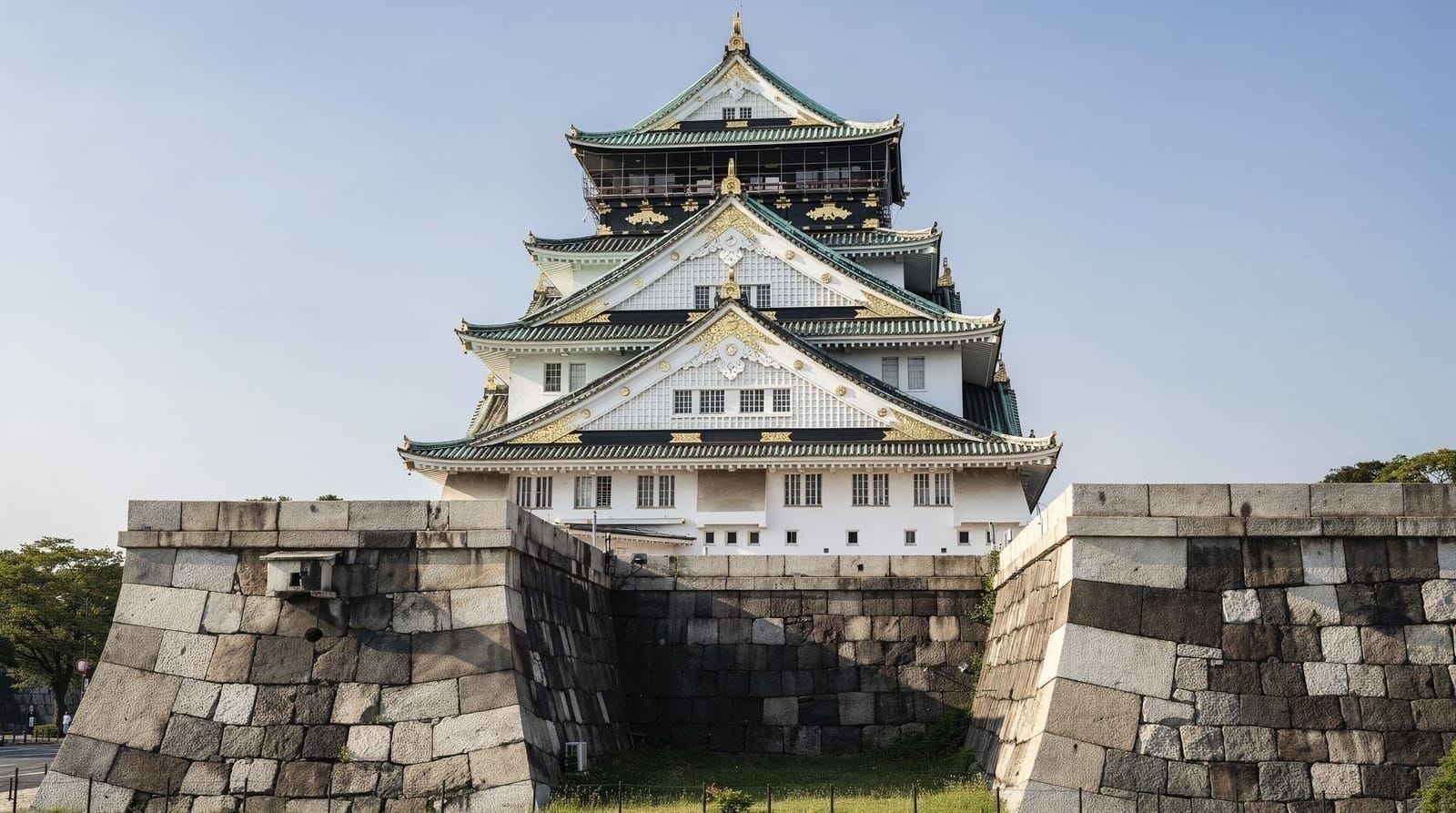
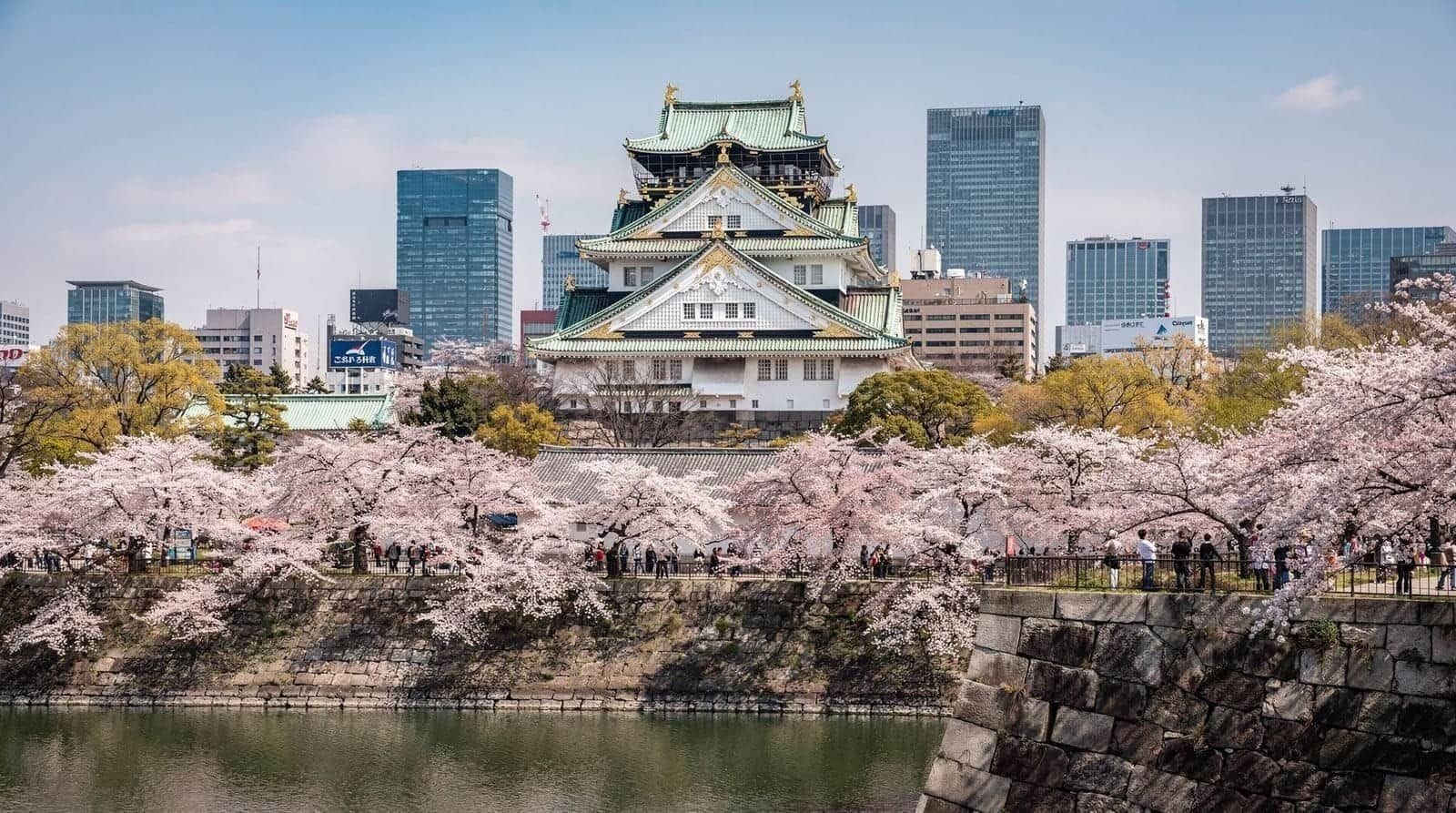
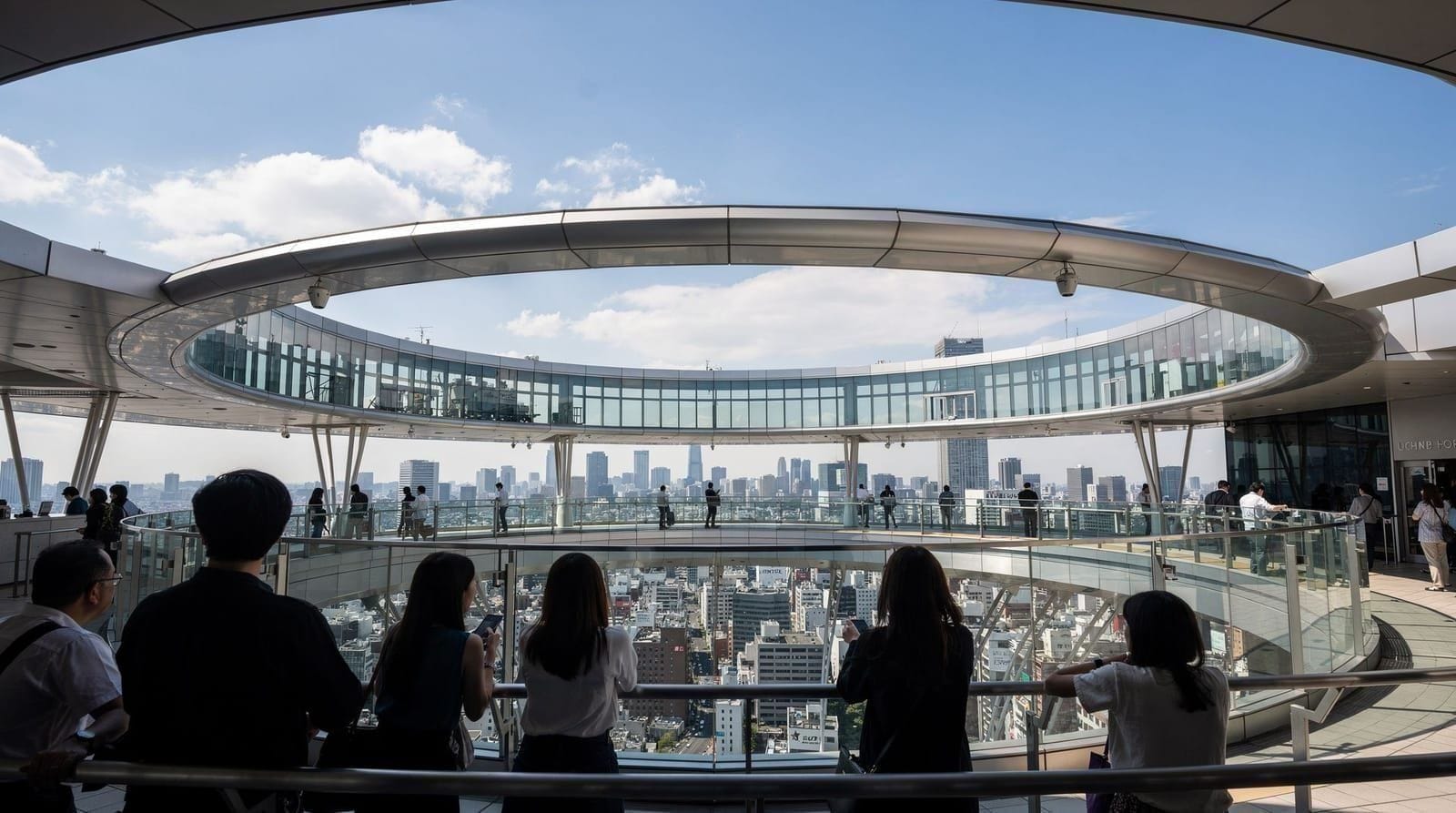
Unlimited Osaka Metro subway and city bus travel for the day, plus free entry to roughly 40-50 attractions including the Osaka Castle main tower, the Umeda Sky Building observatory, and the HEP Five ferris wheel, with discount coupons at another 20 or so restaurants and shops. It costs around ¥3,500 (~$32) for the 1-day version and ¥3,600 (~$33) for the 2-day version, as of 2026.
The Osaka Amazing Pass bundles unlimited subway and bus travel with free entry to dozens of paid attractions into a single card, sold as a 1-day or 2-day version. It’s genuinely good value for the right itinerary and a waste of money for the wrong one — the math depends entirely on how many included attractions you’ll actually visit, not on the transport savings alone, which is the part most write-ups underweight.
| Cost | ~¥3,500 (1-day) / ~¥3,600 (2-day) |
| Covers | Osaka Metro + bus, ~40-50 free attraction entries |
| Not covered | USJ, Kaiyukan (discount only) |
| Where to buy | Metro stations, visitor centers, some hotels |
| Breaks even at | Roughly 3+ included attractions in a day |
What the pass actually includes
The 1-day Osaka Amazing Pass runs about ¥3,500 ($32) and the 2-day version about ¥3,600 ($33), as of 2026 — barely more for an extra day, which tells you the attraction entries, not the transport, drive most of the pass’s value. Both versions cover unlimited rides on Osaka Metro subway lines and city buses for their valid day(s), plus free one-time entry to roughly 40-50 attractions and discount coupons (typically 10-20% off) at another 20 or so restaurants, shops, and smaller sights.
The headline inclusions most visitors care about are the Osaka Castle museum tower, the Umeda Sky Building’s Floating Garden Observatory, and the HEP Five ferris wheel. The full list also covers smaller museums, a handful of temple gardens, and some cultural experience centers that rarely make anyone’s must-see list on their own but add up if you’re the type of traveler who likes to duck into everything along the way.
What’s not included, and where people get caught out
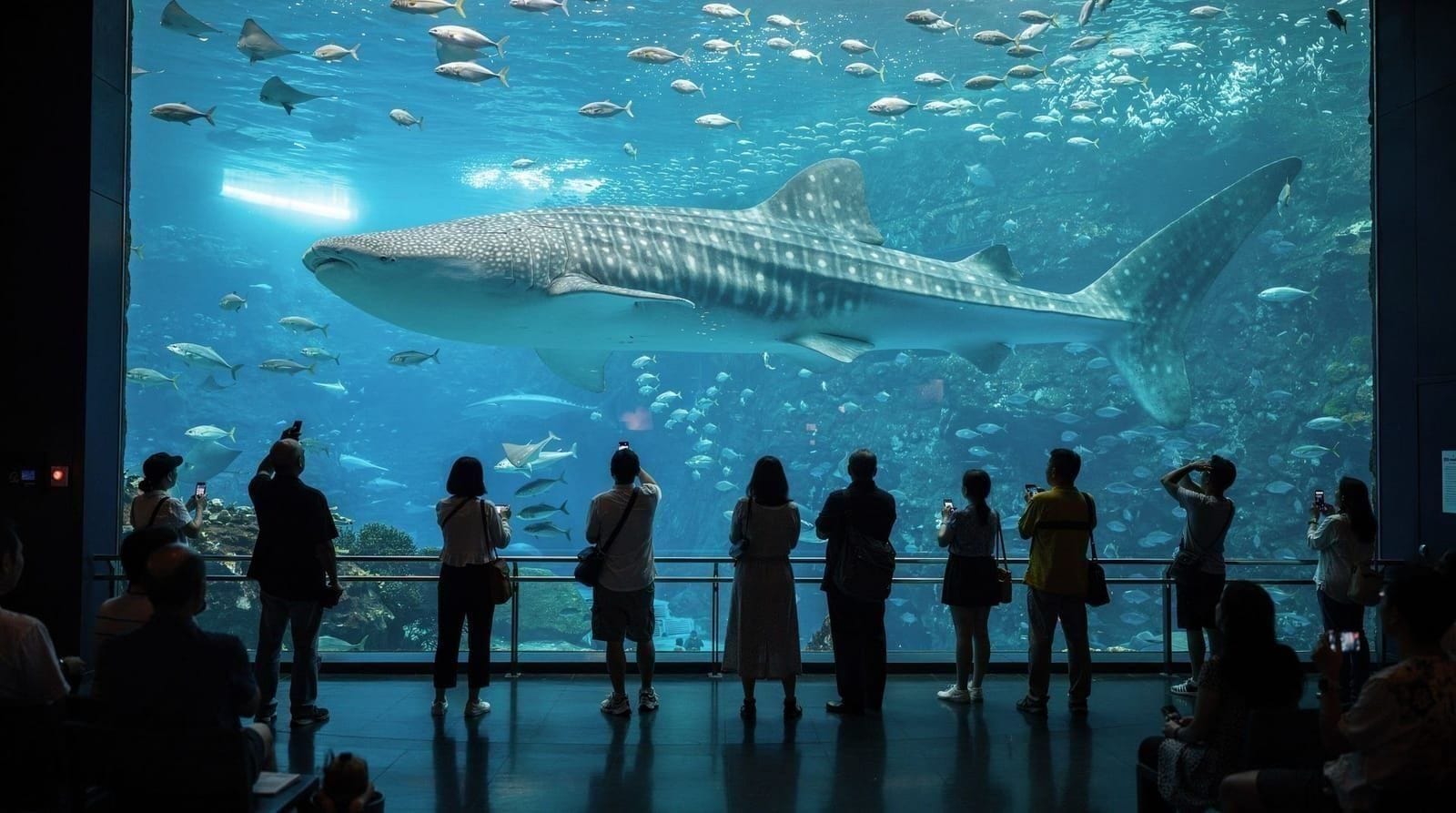
Kaiyukan Aquarium, Osaka Bay’s biggest paid attraction after USJ, is not free with the Amazing Pass — it’s typically a discount coupon rather than a free entry, and the discount is modest next to the aquarium’s full ticket price. Universal Studios Japan is entirely outside the pass’s scope; see our dedicated USJ tickets and express pass guide for that separately. TeamLab Botanical Garden and the LEGOLAND Discovery Center are also not included. Checking the current official inclusion list before assuming a specific attraction is covered is worth the few minutes it takes, since the list is periodically updated and a handful of smaller venues rotate in and out.
The 1-day versus 2-day math
Because the 2-day pass costs only about ¥100 (~$1) more than the 1-day version, choosing between them comes down entirely to whether your itinerary spreads Amazing Pass attractions across two days rather than concentrating them into one. A visitor doing Osaka Castle and the Umeda Sky Building on day one and adding two or three smaller included sights on day two gets clearly better value from the 2-day pass than from buying it twice. If everything you want from the pass fits into a single day, the 1-day version is the only sensible choice — there’s no discount for buying two 1-day passes back to back compared with one 2-day pass.
Does the pass actually save money over paying separately?
Run the numbers before assuming yes. Osaka Castle’s museum tower alone runs around ¥600-1,000 depending on ticket type, the Umeda Sky Building observatory around ¥1,500 ($14), and HEP Five’s ferris wheel a modest ¥600 ($6). Visit just those three attractions on foot or by train without the pass and you’d spend roughly ¥2,700-3,100 total — close to or below the 1-day pass price once you factor in that you’d still be paying separate subway fares (typically ¥180-370 per ride) on top.
Add a fourth or fifth included sight, or a day involving several subway rides between Namba, Umeda, and Osaka Castle Park, and the pass pulls ahead clearly. Visit only Osaka Castle and otherwise walk everywhere, and buying the castle museum ticket alone plus single subway fares is cheaper than the pass.
The full range of what “roughly 40-50 attractions” actually means
The pass’s inclusion list spans several genuinely different categories, worth understanding rather than treating as one undifferentiated bucket. Marquee sights: Osaka Castle’s museum tower and the Umeda Sky Building observatory, both worth ¥600-1,500 on their own and the two attractions most visitors actually plan around. Minor landmarks: HEP Five’s ferris wheel and a handful of smaller observation points, individually inexpensive (¥300-600) but adding up if you’d otherwise pay for several. Museums and cultural centers: several small history and craft museums scattered across the city that rarely appear on a first-timer’s itinerary but reward a curious traveler with an extra day to fill.
River cruises: a short Dotonbori canal cruise is included at some points in the pass’s history, worth checking the current list, since river cruise inclusions have shifted between pass editions over the years. Discount coupons: roughly 20 additional restaurants, shops, and smaller attractions offering 10-20% off rather than free entry, which meaningfully lowers the pass’s effective value if you’re mentally counting these as “free” alongside the genuinely free attractions.
Common mistakes visitors make with this pass
The most frequent overspend is buying the pass for every day of a multi-day Osaka stay rather than concentrating it on the single day with the most included attractions — since the marginal cost of the 2-day version over the 1-day version is small, there’s rarely a reason to buy two separate 1-day passes across non-consecutive days instead of one 2-day pass used on consecutive days.
The second common mistake is assuming Kaiyukan Aquarium or USJ are covered; neither is, and both are expensive enough that discovering this at the gate rather than during planning is a genuinely costly surprise. The third is failing to check the current attraction list before travelling — the pass’s specific inclusions have changed across editions, and a list copied from an old blog post or forum thread can be meaningfully out of date by the time of your trip.
Family and group value
A family of four visiting Osaka Castle and the Umeda Sky Building together sees the pass’s per-person value multiply cleanly, since transport savings scale with group size in a way that a single traveler’s calculation doesn’t capture as clearly — four separate subway fares across a day of moving between attractions adds up faster than a solo traveler’s occasional single ride. Groups planning a day with three or more stops plus multiple subway legs between them are the clearest case for the pass paying for itself easily, regardless of the individual attraction math above.
Where to buy it
The Amazing Pass is sold at Osaka Metro stations, the Osaka Visitors Information Centers (including the one at Shin-Osaka and Namba), and some hotel front desks, as a physical card rather than a smartphone pass in most cases — worth knowing if you’re used to buying passes digitally in advance for other cities. It’s not currently sold through GetYourGuide or similar international platforms, so plan to pick it up in person on your first morning in the city rather than expecting a pre-purchased QR code.
Who the pass is genuinely good for
Visitors basing themselves centrally (Namba, Umeda, or Tennoji) for two to three days who want to see Osaka Castle, the Sky Building, and a scattering of smaller sights while riding the subway several times a day get the clearest value. Visitors mainly interested in food, nightlife, and walkable neighborhoods like Dotonbori and Shinsekai — where the appeal is wandering rather than paid attractions — get comparatively little from the pass, since walking and the occasional single subway fare covers most of that itinerary at lower cost. Families combining a city day with a separate USJ day should budget the theme park entirely separately, since none of it counts toward the Amazing Pass’s inclusions.
How it compares to the JR Kansai Area Pass
The two passes solve different problems and are worth understanding as complements rather than substitutes. The Amazing Pass covers Osaka Metro and city buses plus in-city attraction entry; the JR Kansai Area Pass covers JR trains between cities (Kyoto, Nara, Kobe, Himeji) but doesn’t include Osaka Metro subway rides or attraction admission at all.
A visitor spending two days in Osaka city itself, followed by day trips using JR lines to Kyoto and Nara, would reasonably use the Amazing Pass on the city days and the JR Kansai Area Pass on the day-trip days — buying both isn’t redundant, since they cover non-overlapping transport networks. Our broader Kansai attraction and pass comparison guide lays out every regional pass side by side if you’re trying to plan an entire trip’s ticketing in one sitting.
Seasonal timing and the pass
The Amazing Pass’s value doesn’t change with season in principle, but crowding at its most popular inclusions does. Osaka Castle Park during cherry blossom season (late March into early April) draws considerably larger crowds than an autumn or winter visit, meaning the pass’s queue-skip benefit at the ticket counter (avoiding a separate purchase line) matters more during peak bloom than during a quiet February visit, when walk-up queues barely exist regardless of whether you’re holding a pass. The Umeda Sky Building’s observatory is genuinely best visited at sunset year-round, a timing consideration independent of the pass itself but worth building into whichever day you use it on.
A history of the pass and why it keeps changing
The Osaka Amazing Pass has existed in various forms for over a decade, with its specific attraction list, pricing, and 1-day/2-day structure adjusted periodically by the Osaka Convention and Tourism Bureau, which administers it alongside the city’s transport operators. This is worth knowing mainly because older travel blog posts and forum threads referencing specific inclusions or prices from several years ago may no longer reflect the current version — always check the official current list rather than relying on secondhand summaries, including, to be candid, general guidance like this one, which should be cross-checked against the live official list before a purchase.
A practical two-day Amazing Pass itinerary
Day one: Osaka Castle Park in the morning (allow 1.5-2 hours for the grounds and museum tower), subway to Umeda for the Sky Building observatory around sunset, when the view is at its best, then HEP Five’s ferris wheel for a quick, low-cost stop on the walk back to dinner. Day two: use the pass’s transport component to reach Shitenno-ji Temple or one of the smaller included museums in the morning, then switch to walking for the afternoon in Dotonbori or Shinsekai, where the pass adds little extra value beyond the subway ride to get there. This sequencing front-loads the paid attractions that justify the pass’s cost and leaves the free-to-wander neighborhoods for whichever day has less structure.
Buying the pass for just one person versus a group
A solo traveler’s pass math is more marginal than a group’s, since a solo traveler concentrating only on Osaka Castle and one other included sight might land right at the pass’s break-even point, while a group of three or four visiting the same two attractions plus riding the subway together multiple times sees the transport savings scale up cleanly across every additional person. If you’re traveling solo and unsure whether your planned attraction list clears the threshold, lean toward buying individual tickets and paying single subway fares unless you’re confident about hitting at least three included stops in a day.
Related Osaka planning
The pass’s headline attractions sit within neighborhoods worth understanding on their own terms — Osaka Castle Park is covered fully in our Osaka Castle area destination guide and Osaka Castle guide, while the Umeda Sky Building and HEP Five sit within our Umeda and Kita destination guide. For visitors weighing whether to base in Osaka at all versus splitting time with Kyoto, our Osaka versus Kyoto where to stay guide covers that broader decision.
Honest bottom line
The Osaka Amazing Pass earns its price on a genuinely attraction-heavy itinerary — three or more included sights plus multiple subway rides across one or two days — and loses value fast on a trip built mostly around food, nightlife, and walking. Before buying, sketch out an actual attraction list for your specific days in the city; if it doesn’t clear three stops, individual tickets and single subway fares will likely cost less. For everything else in Osaka’s transport picture, our getting around Osaka guide and ICOCA card guide cover the alternative of just paying as you go.
Combining the pass with a wider Kansai pass strategy
Visitors also planning day trips to Kyoto or Nara should treat the Amazing Pass strictly as an Osaka-city-days tool, buying separate JR or private-line tickets for the day-trip legs rather than trying to stretch the Amazing Pass’s coverage beyond city limits, since it has no validity on JR lines connecting to other Kansai cities at all. This distinction trips up more first-time visitors than any other detail of the pass, largely because online write-ups often bundle “Osaka passes” and “Kansai regional passes” together without clarifying which network each one actually covers.
Frequently asked questions about Osaka Amazing Pass guide
Where can I buy the Osaka Amazing Pass?
At Osaka Metro stations, the Osaka Visitors Information Centers (including Shin-Osaka and Namba), and some hotel front desks, as a physical card. It's not currently sold through GetYourGuide or similar international platforms, so plan to buy it in person on your first morning in the city.Does the Osaka Amazing Pass cover Universal Studios Japan or Kaiyukan Aquarium?
No. USJ is entirely outside the pass's scope, and Kaiyukan typically only gets a modest discount coupon rather than free entry. Both are common points of confusion, so budget for them separately rather than assuming either is included.
Top experiences
Bookable activities with verified prices and instant confirmation on GetYourGuide.