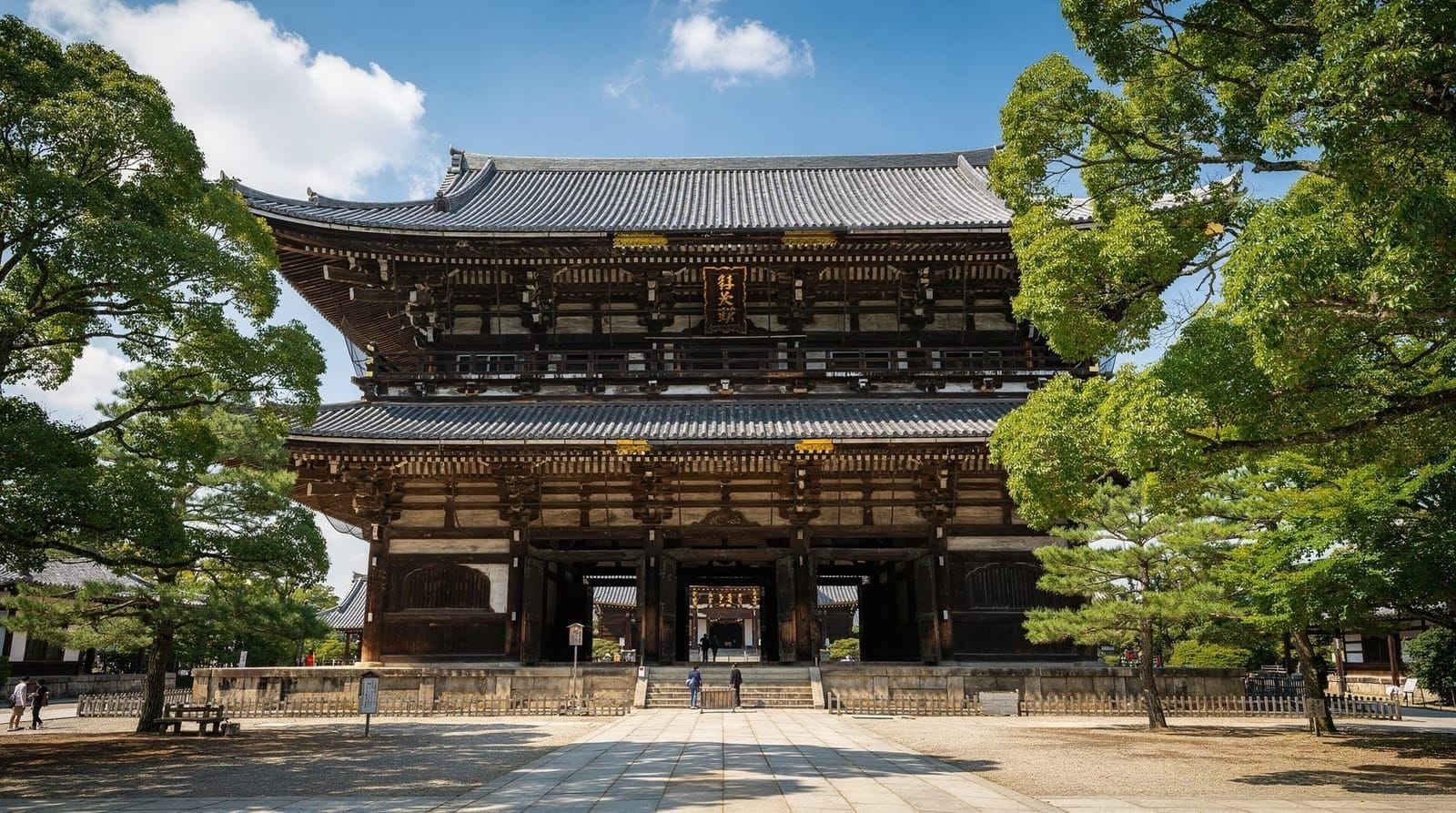
Kansai on a budget, 5 days
Osaka: Osaka Kansai pass 1-week free pass
Kansai is genuinely one of the more affordable regions for a Japan trip if the itinerary leans on free shrines and parks, market-stall meals, and a rail pass rather than paid attractions and taxis. This 5-day plan covers Osaka, Kyoto, and Nara — the same core cities as our standard 5-day itinerary — but restructured around free or low-cost sights, with paid attractions used sparingly and only where they’re genuinely worth it.
| Where | Osaka, Kyoto, Nara — Osaka-based throughout |
| Getting there | Regular Nankai line (cheaper than Rapi:t) or JR Haruka |
| Time needed | 5 days |
| Cost | Roughly ¥8,000-12,000 ($70-105)/day, excl. lodging |
| Best time | Any season; avoid peak sakura/koyo for lower hotel rates |
Why Kansai is a genuinely good budget destination
Compared to Tokyo, Osaka’s accommodation and dining costs run noticeably lower for comparable quality, and the region’s best-known sights — Fushimi Inari, Nara Park, Arashiyama’s bamboo grove — happen to be free ones rather than paid museums or theme parks. That’s a fortunate overlap: the sights most worth seeing on a first Kansai trip are also the ones that cost nothing to enter, which isn’t true of every destination in Japan.
The core budget strategy
Most of Kansai’s best sights — Fushimi Inari, Nara Park, Osaka Castle Park’s grounds, Kyoto’s Higashiyama lanes — are free to walk through, with paid admission only required for specific interiors (like Osaka Castle’s tower or Todai-ji’s Great Buddha Hall). Combined with an IC card for transit instead of taxis and market-stall meals instead of sit-down restaurants, a genuinely tight daily budget of ¥8,000-12,000 ($70-105) is realistic, excluding accommodation.
Day 1: Arrival and free Dotonbori walking
Land at Kansai International Airport. The cheapest route into the city is the regular (not limited express) Nankai line to Namba, around ¥930 ($8) and roughly 45 minutes slower than the Rapi:t but a meaningful saving if the schedule allows it. Check into a hostel or budget hotel in Namba or Dotonbori for the full trip. Dotonbori itself costs nothing to walk — the canal, the Glico sign, Hozenji Yokocho’s quieter lantern-lit alley — and cheap eats (takoyaki from ¥400-500/$3.50-4.40 per set at street stalls, well below sit-down restaurant prices) cover dinner.
See our Dotonbori food guide and takoyaki guide for specific low-cost stalls. Convenience stores (konbini) are also worth knowing about from day one — a full, genuinely decent meal (onigiri rice balls, a bento box, or a hot item from the counter) typically runs ¥400-700 ($3.50-6), a reliable fallback on any day when a sit-down meal doesn’t fit the budget.
Day 2: Osaka Castle grounds and Kuromon Market
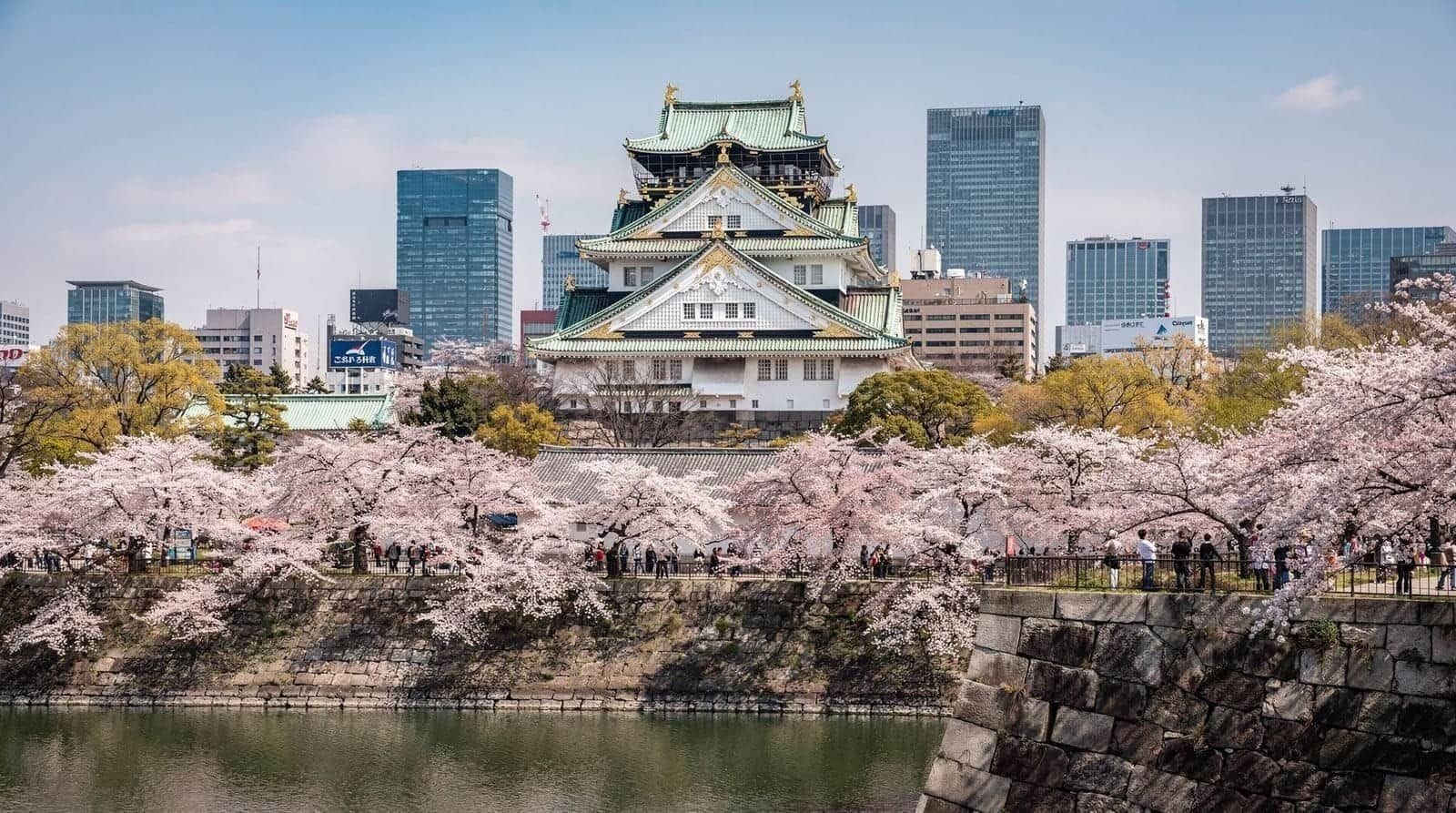
Morning — Osaka Castle Park’s grounds, moats, and Nishinomaru Garden cost nothing to enter; skip the tower’s paid observation floor unless the history specifically interests you (it’s genuinely optional — the grounds are the more photogenic part regardless). See our Osaka Castle guide.
Afternoon — Kuromon Ichiba Market, a 10-minute walk away, has skewers and small plates from ¥300-800 ($2.60-7) that work as a genuinely cheap lunch if you skip the premium wagyu and uni options and stick to grilled skewers and simpler seafood. If a curated introduction to the city’s budget food scene appeals, an Osaka welcome tour with a local host is worth pricing against the cost of guessing which cheap stalls are actually good — a local host can steer toward value options rather than the highest-margin tourist stalls. See our Osaka street food guide.
Day 3: Kyoto — Fushimi Inari and Higashiyama, free sights only
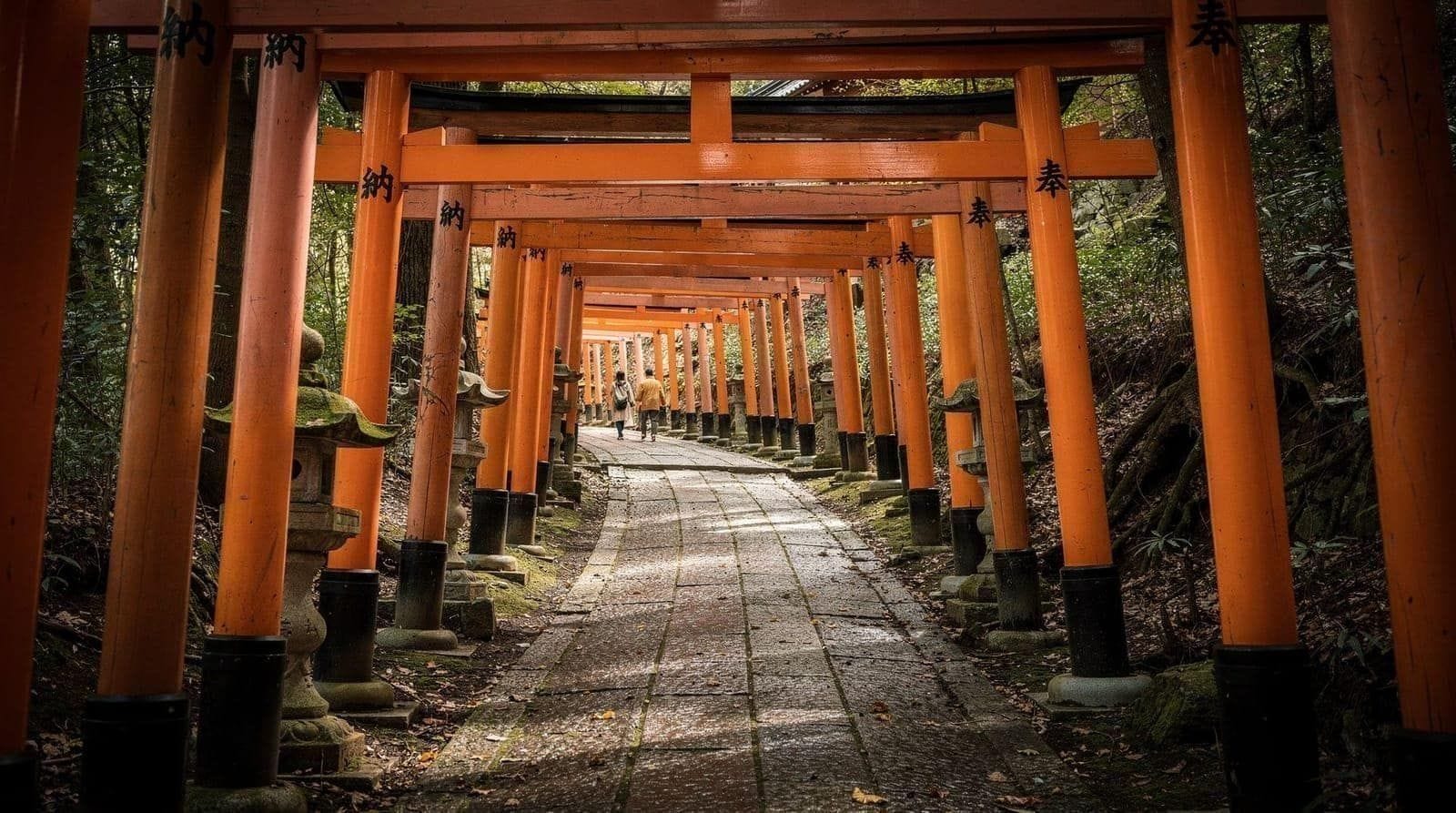
JR Special Rapid to Kyoto, 28-29 minutes, about ¥580 ($5) — no reservation or upgrade needed. Fushimi Inari Shrine is entirely free to enter and walk, with no admission at any point along the torii gate paths — arrive before 8am both to avoid crowds and because there’s genuinely no cost-based reason to time it around opening hours.
A Fushimi Inari 1.5-hour tour is a lower-cost guided option than some of the longer combined tours, useful if some context is wanted without a bigger spend. See our Fushimi Inari guide. Pack a simple lunch or pick up an onigiri from a konbini near the station rather than eating at one of the tourist-facing cafés directly outside the shrine, which price up noticeably compared to anywhere a few minutes’ walk further.
In the afternoon, walk through Higashiyama’s Sannenzaka and Ninenzaka lanes (free) and past Kiyomizu-dera’s grounds — the temple’s inner hall charges a small admission (around ¥500/$4.40), worth paying for the famous wooden stage view, but the surrounding streets cost nothing. See our Higashiyama walking route.
Day 4: Kyoto — Arashiyama, free bamboo grove
Back to Kyoto, then out to Arashiyama. The bamboo grove itself is a public path with no entrance fee — arrive before 8:30am for both the quiet and the best light, since there’s no ticket gate controlling entry either way. Tenryu-ji Temple’s garden charges a modest admission if its interior appeals; the grove and the Katsura riverside are free, and simply walking Togetsukyo Bridge over the river costs nothing while still delivering one of the area’s better views.
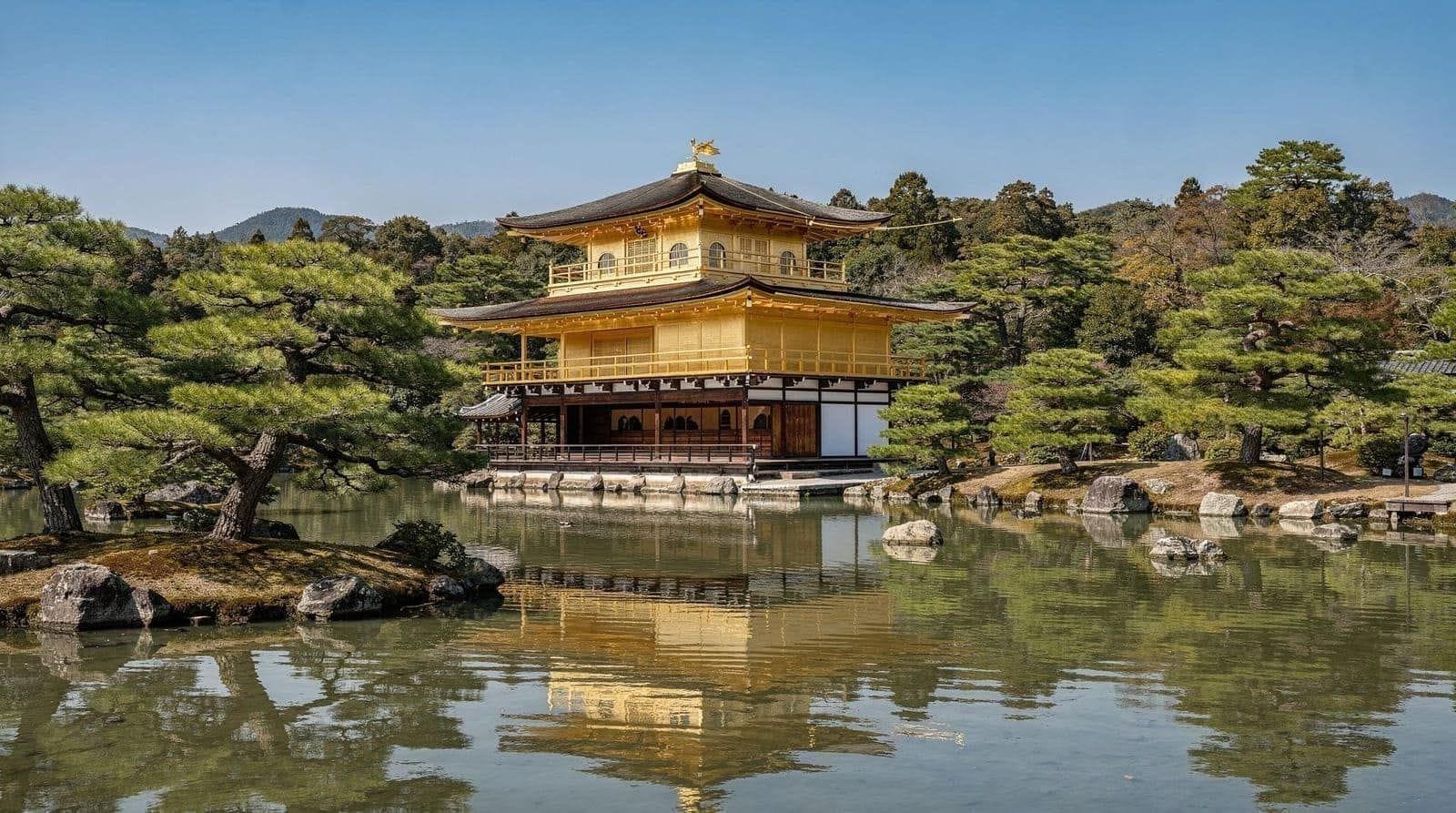
See our Arashiyama bamboo guide. Skip Kinkaku-ji’s separate bus transfer on a budget-focused day — its admission (around ¥500/$4.40) is modest, but the added transport cost (roughly ¥500/$4.40 round trip by bus) and 30-40 minutes of transfer time are better spent elsewhere on a tight schedule; see our full Kinkaku-ji guide if a future trip has room for it.
Day 5: Nara day trip, mostly free
Kintetsu Nara Line from Osaka-Namba, about 45 minutes (~¥680/$6), direct with no transfers. Nara Park and its free-roaming deer cost nothing to visit; shika senbei (deer crackers) run about ¥200 ($1.75) per pack if you want to feed them. Todai-ji’s Great Buddha Hall charges roughly ¥800 ($7) admission — worth paying for, since the 15-meter bronze Buddha and the building itself (the world’s largest wooden structure) are genuinely singular and not the kind of paid attraction worth skipping to save a few dollars.
Kasuga Taisha’s main shrine grounds are free to walk. See our Todai-ji guide and Kasuga Taisha guide. This is the cheapest full day of the entire itinerary, given how much of Nara’s appeal costs nothing at all.
Rail pass math for this itinerary
An Osaka Kansai one-week free pass style regional rail pass is worth pricing against buying individual tickets for this specific route — with two Kyoto day trips and one Nara day trip on JR and Kintetsu lines respectively, the math depends on exact fares at time of travel, so compare both before committing.
Note that Nara’s Kintetsu Line isn’t JR, so a JR-only pass wouldn’t cover that leg regardless of how the rest of the math works out. An ICOCA IC card, which works regardless of which option you choose, avoids ticket-machine fumbling and small per-ride savings add up over a week. Our Kansai day trip planner helps run these numbers for the specific dates of your trip.
Where to stay on a budget
Tennoji, south of Namba and Dotonbori, is consistently cheaper than staying directly in the tourist core while remaining 15 minutes from both Namba and Umeda by train — a reasonable tradeoff between cost and convenience. Hostels with private rooms in Namba itself can also come in under mid-range hotel prices if booked well ahead. See our Osaka destination guide for neighborhood-by-neighborhood pricing context.
Eating cheaply without sacrificing quality
Market stalls and konbini aside, standing-only soba and udon shops near train stations are a genuinely underrated budget option — a full bowl typically runs ¥400-700 ($3.50-6), and quality is often surprisingly high given how unassuming these places look from outside. Department store basement food halls (depachika), found beneath most major stations including Osaka Station and Kyoto Station, sell high-quality prepared foods at a discount in the hour or two before closing, worth timing an evening visit around if a hotel room with a small fridge or kitchenette is part of the trip.
What to cut if the budget is still too tight
Guided tours are the first thing to drop entirely — every sight on this itinerary is walkable and free (or low-cost) without one; the tradeoff is doing your own research on context and history rather than having a guide provide it. The second cut is Day 4’s Arashiyama trip, which adds a second Kyoto day-trip fare on top of Day 3 — combining both days into a single, more selective Kyoto visit saves one round-trip fare at the cost of a more rushed day.
Budget for this 5-day itinerary
Excluding accommodation, a genuinely tight budget of ¥8,000-12,000 ($70-105) per day is realistic if leaning on market food and free sights, with day-trip rail fares (roughly ¥600-1,400/$5-12 round trip per destination) on top. Total trip cost for transport, food, and minor admissions across 5 days lands around ¥45,000-65,000 ($395-570), before accommodation. Our Kansai budget calculator and JPY currency converter help track this against actual spending.
Free versus paid: what’s worth spending on
| Sight | Cost | Worth paying for? |
|---|---|---|
| Fushimi Inari gate paths | Free | N/A — no gate to pay at |
| Nara Park & deer | Free | N/A |
| Arashiyama bamboo grove | Free | N/A |
| Osaka Castle tower interior | ~¥600 ($5) | Optional — grounds are free and photogenic |
| Kiyomizu-dera inner hall | ~¥500 ($4.40) | Yes — the wooden stage view |
| Todai-ji Great Buddha Hall | ~¥800 ($7) | Yes — genuinely singular sight |
| Kinkaku-ji admission + bus transfer | ~¥500 + ~¥500 ($9 combined) | Skip on a tight budget day |
Cutting costs further without cutting sights
If the daily budget still feels tight after the market-food and free-sight strategy above, the ICOCA card itself is worth double-checking for any unused balance refund policy before departure, since small leftover amounts add up across a group. Traveling just outside peak sakura or koyo weekends, even by a few days, meaningfully lowers Kyoto-area hotel rates without touching any of this itinerary’s sightseeing days. Our cash or card guide and convenience store guide both cover additional small savings that add up over a multi-day budget trip.
Frequently asked questions about a Kansai budget trip
Is Kansai an expensive region to visit?
Not necessarily — many of its best sights (Fushimi Inari, Nara Park, Arashiyama’s bamboo grove, most temple grounds) are free or low-cost, and the region’s compact size keeps transport costs down compared to a trip spanning multiple distant regions of Japan.
Is a rail pass worth it for a budget 5-day trip?
It depends on exact fares at time of travel — with two Kyoto day trips and one Nara day trip, it’s worth comparing pass cost against individual tickets before buying, since the Nara route isn’t JR and wouldn’t be covered by a JR-only pass.
What’s the cheapest way to eat well in Kansai?
Market stalls (Kuromon in Osaka, Nishiki in Kyoto) offer genuinely good food at ¥300-800 per item, well below sit-down restaurant prices, and convenience store (konbini) meals are a reliable, inexpensive fallback that’s better quality than the concept suggests to first-time visitors.
Should budget travelers skip guided tours entirely?
Not necessarily, but they’re the easiest cost to cut without losing access to any sight — every stop on this itinerary can be seen independently, with the tradeoff being missed historical context that a guide would otherwise provide.
Is hostel accommodation common and comfortable in Osaka and Kyoto?
Yes — both cities have a wide range of well-reviewed hostels with private room options, generally cheaper than budget hotel chains while offering similar or better locations near train stations.
Are there any hidden costs first-time budget travelers overlook?
The most common one is underestimating paid temple interior admissions across a multi-day trip — they’re individually modest (¥500-800/$4.40-7 each) but add up if visiting several per day. Baggage storage at train stations (coin lockers, typically ¥300-700/$2.60-6 depending on size) is another small but real cost worth budgeting for on travel days.
Can this itinerary work with just a backpack, no suitcase?
Yes, and it’s arguably easier — most hostels and budget hotels in Japan have limited luggage space, and a backpack makes navigating stairs at older train stations (not all of which have escalators or elevators) considerably simpler than wheeling a suitcase.
Does traveling outside sakura or koyo season save real money?
Yes, mainly on accommodation — Kyoto-area hotel rates run noticeably higher during peak bloom weeks in both spring and autumn, so shifting travel dates even slightly outside those windows is one of the largest single savings available on this itinerary.
Is it worth paying for Osaka Castle’s tower interior on a tight budget?
Not essential — the grounds, moats, and stone walls are free and arguably more photogenic than the 1931 concrete reconstruction’s museum interior, so skipping the tower ticket is a reasonable cut if the budget is genuinely tight.
Top experiences
Bookable activities with verified prices and instant confirmation on GetYourGuide.