Kansai for food lovers, 5 days
Osaka: Osaka kuromon market food tour 6 stops
Duration: 2 hours
Osaka calls itself the “nation’s kitchen” (tenka no daidokoro), and this itinerary treats that seriously — five days built around Osaka’s street food, Kyoto’s market and kaiseki traditions, and Kobe’s beef, with sightseeing fitted around meals rather than the reverse. It assumes an interest in eating widely, including at stalls and market counters, not just sit-down restaurants.
| Where | Osaka, Kyoto, Kobe |
| Getting there | Kansai International Airport, Nankai Rapi:t to Namba |
| Time needed | 5 days |
| Cost | ¥15,000-25,000 ($130-220)/day street food; ¥25,000-45,000 ($220-395)/day with a flagship meal |
| Best time | Any season; book flagship restaurants weeks ahead |
How food shapes the pacing on this trip
Most Kansai itineraries treat meals as a break between sights; this one reverses that logic. Each day below has a specific food anchor — a market, a cuisine, a single flagship meal — and sightseeing is scheduled around when that food experience is best (early morning for market freshness, evening for kaiseki’s unhurried pace). That means fewer total stops per day than a sightseeing-first itinerary, and more time built in for simply sitting down and eating slowly, which is arguably the actual point of a food-focused trip.
Who this itinerary suits
This is for travelers who’d rather structure a Kansai trip around food than temples — it still touches Osaka Castle and a Kyoto shrine, but only in the gaps between meals. If temples and gardens matter as much as food, our standard 5-day Kansai itinerary balances both more evenly. It also suits repeat visitors who’ve already covered the region’s major sights and want a trip organized around a specific interest rather than another round of first-time sightseeing.
Day 1: Arrival and Dotonbori/Shinsekai
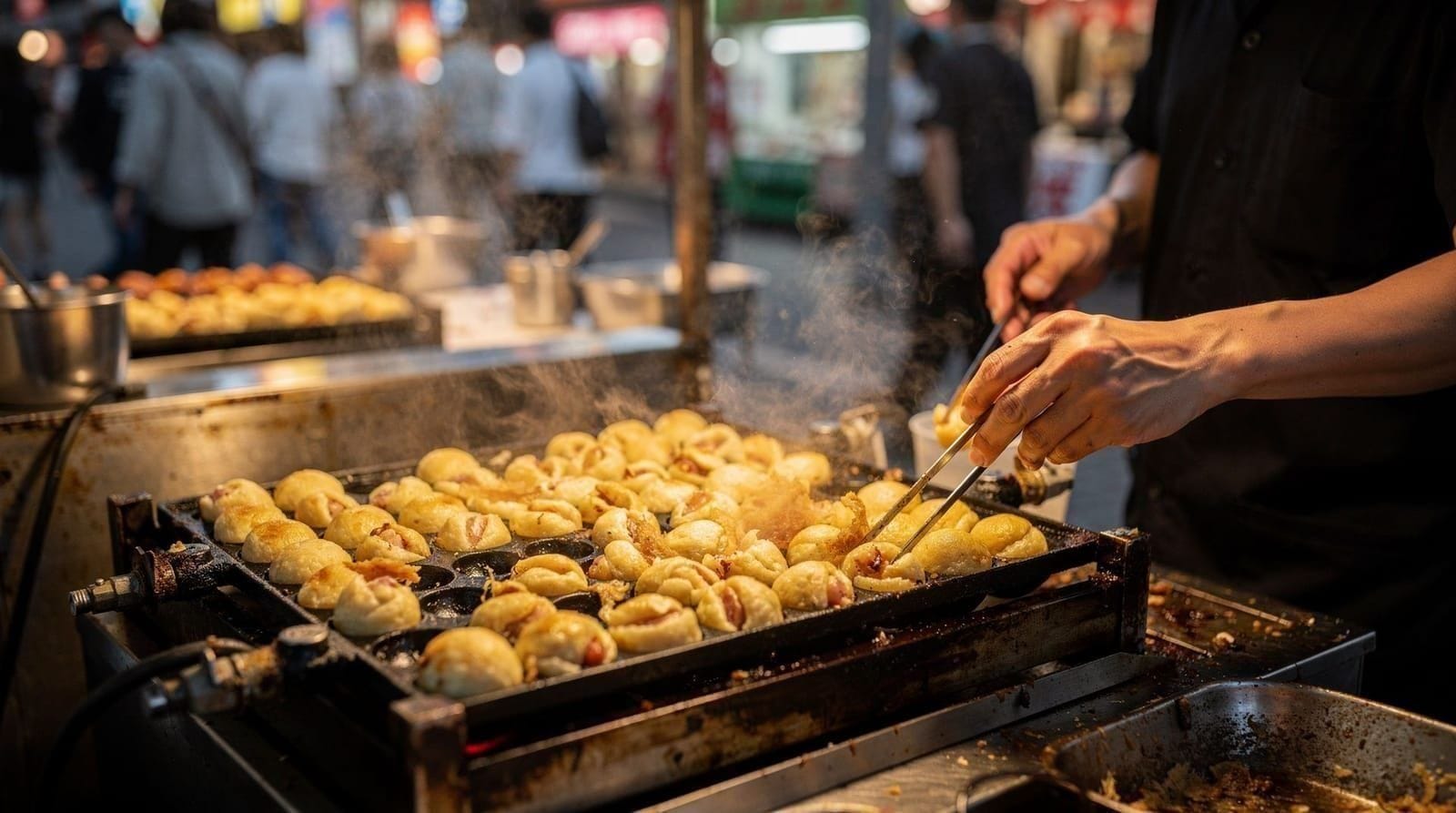
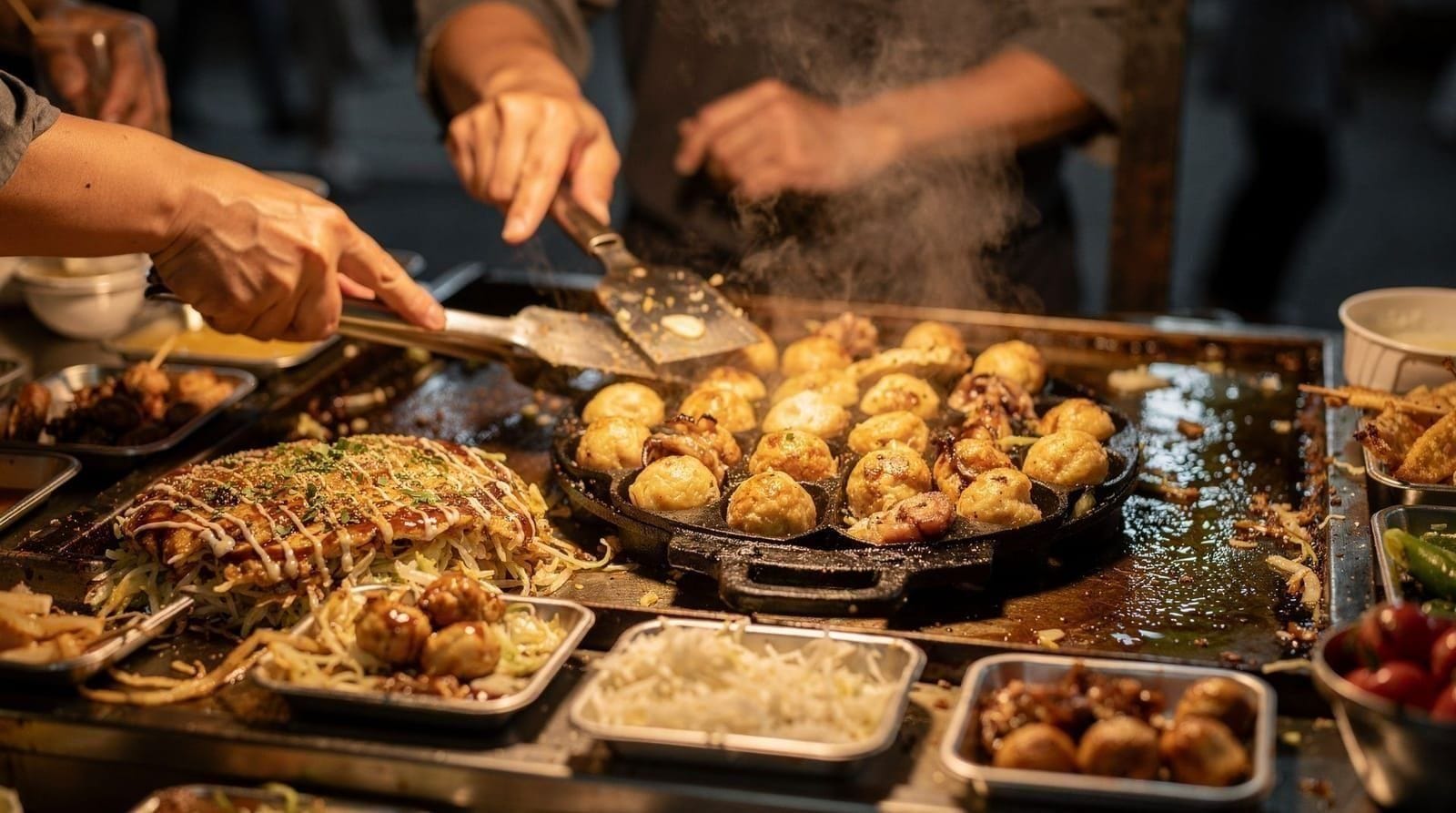
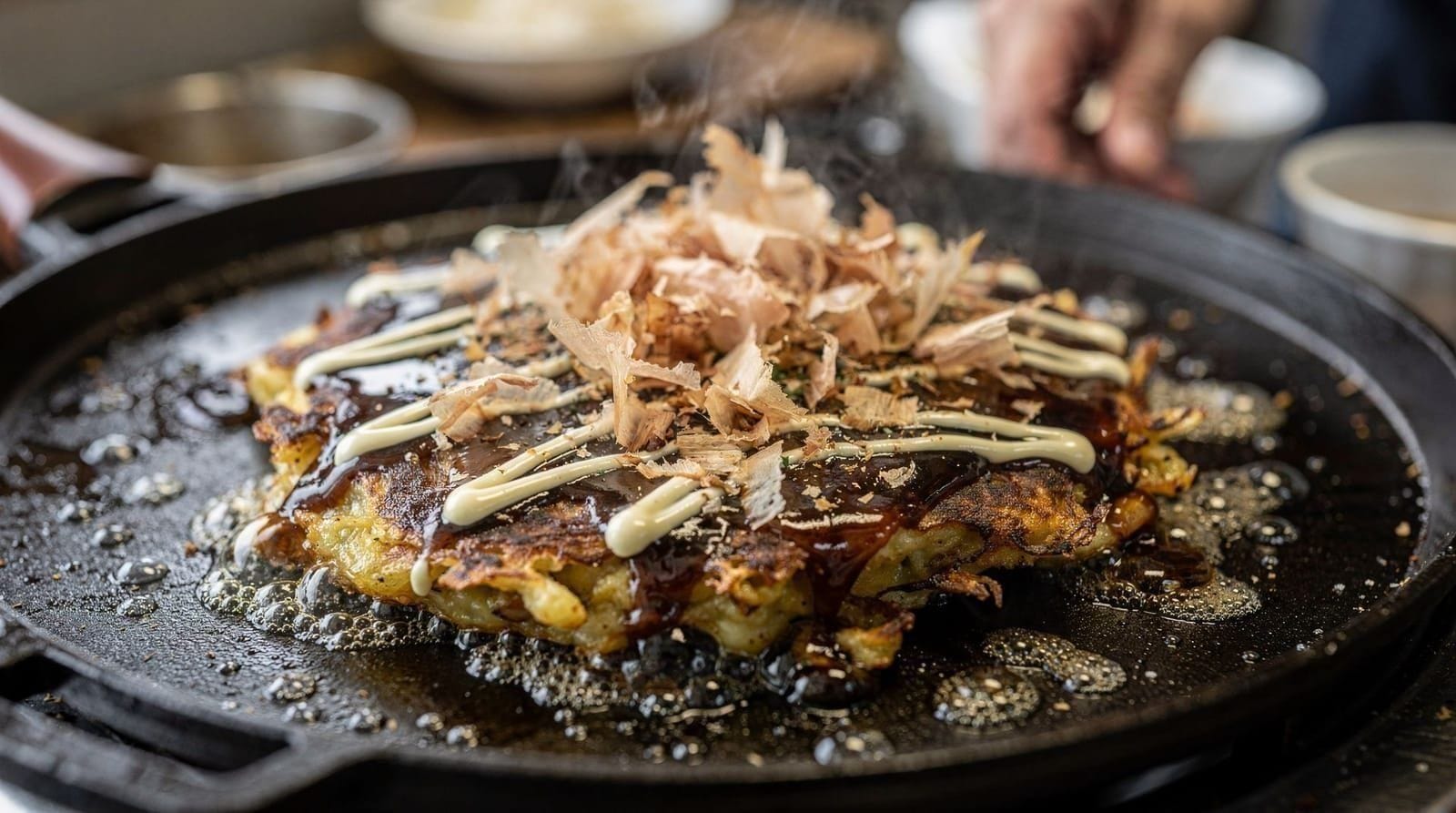
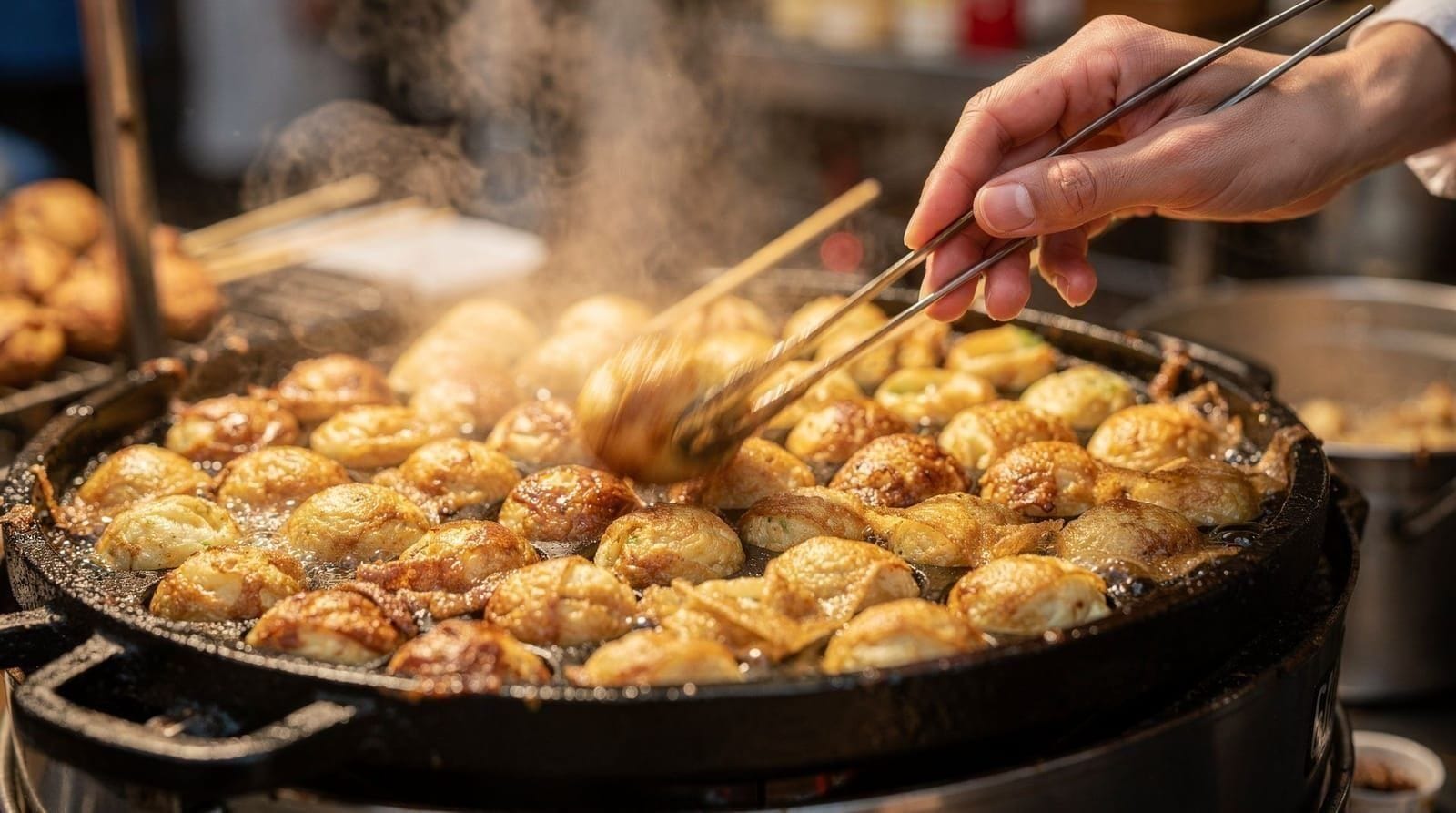
Land at Kansai International Airport, transfer into Namba (Nankai Rapi:t, 38-45 min, about ¥1,490/$13), and check into a Dotonbori-area hotel for the full trip — staying within walking distance of this neighborhood matters more on this itinerary than on most, since several evenings below return here for dinner. Spend the evening working through Dotonbori’s street-level food: takoyaki, okonomiyaki, and kushikatsu, all covered stall-by-stall in our takoyaki guide, okonomiyaki guide, and kushikatsu guide.
A guided Dotonbori and Shinsekai foodie tour is a strong first-night option specifically because it covers both neighborhoods’ specialties in one evening without the trial-and-error of picking blind among dozens of similar-looking stalls, some of which cater almost entirely to tourist foot traffic rather than serving genuinely good food.
Day 2: Kuromon Market and Osaka Castle
Morning — Kuromon Ichiba Market, a 10-minute walk from Dotonbori, is where Osaka’s restaurants and locals shop for seafood and produce — skewers of wagyu, fresh oysters, and uni run ¥500-1,500 ($4-13) per item, eaten standing at the stall. A Kuromon Market food tour covering six stops is worth it here specifically to get past the stalls set up purely for tourist foot traffic and toward the ones locals actually queue at. See our Osaka street food guide and full context at Osaka destination guide.
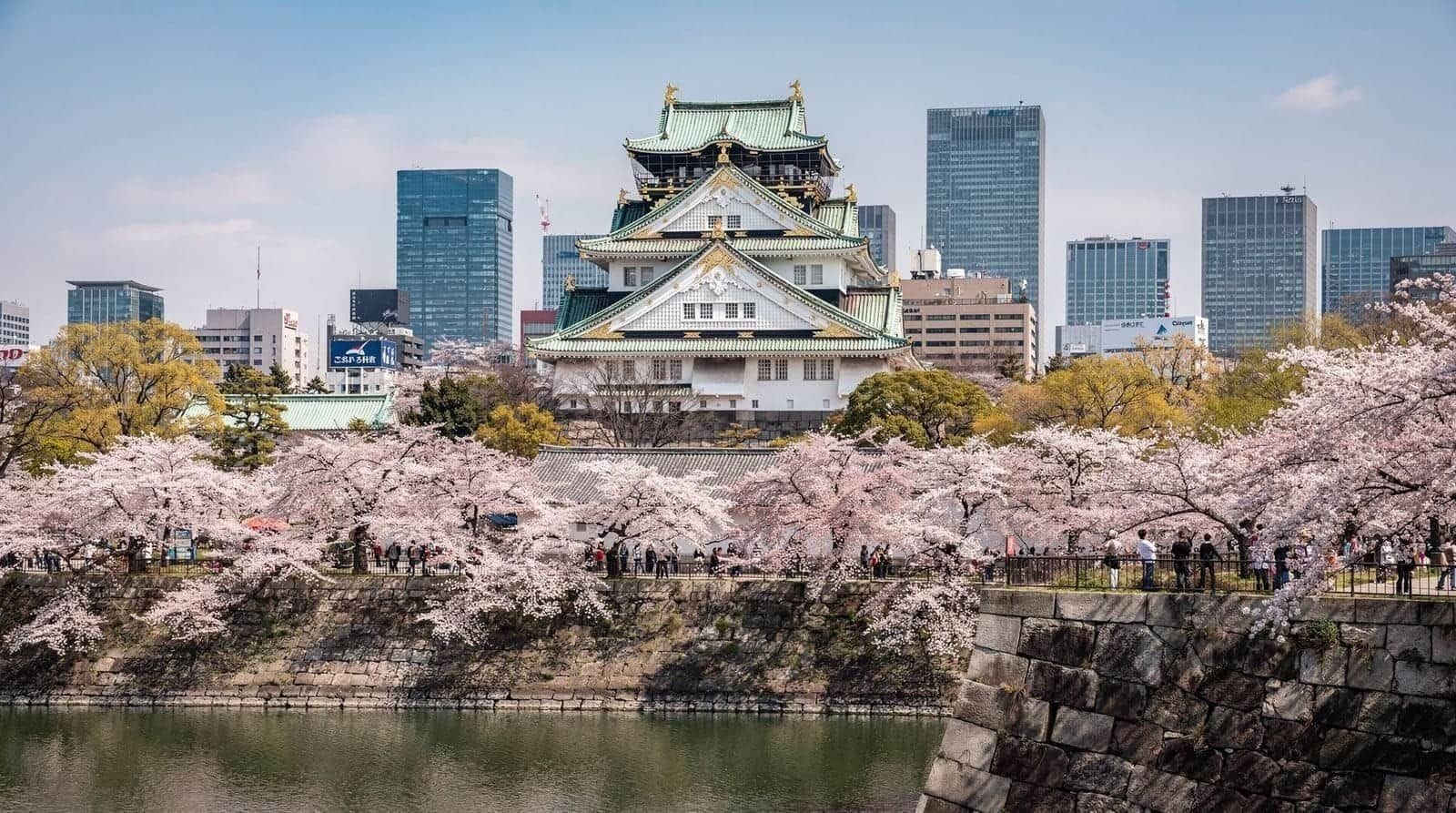
Afternoon — Osaka Castle Park as a palate-cleansing walk between meals — the grounds and moats are free to walk, and a genuinely useful break between Kuromon’s morning grazing and the evening’s more considered dining. See our Osaka Castle guide.
Evening — Osaka’s Michelin-recognized but still affordable restaurants are a genuine category worth knowing about — several one- and two-star spots run tasting menus well under Tokyo-equivalent prices, a byproduct of Osaka’s generally lower real estate and dining costs relative to the capital. See our Osaka Michelin affordable guide for specific names and price points. Reservations for these are genuinely necessary, often weeks ahead for the most in-demand tables, so book before the trip rather than assuming a walk-in table is available.
Day 3: Kyoto — Nishiki Market and kaiseki
JR Special Rapid to Kyoto, 28-29 minutes. Nishiki Market, a narrow five-block covered arcade sometimes called “Kyoto’s kitchen,” has operated as a wholesale and retail food market for over 400 years — expect pickled vegetables (tsukemono), fresh yuba (tofu skin), and skewered items meant for eating while walking the arcade, though many stalls now request customers eat immediately in front of the stand rather than while moving, a change from a few years ago worth knowing before arriving.
A Nishiki Market walking food tour is a strong option given how easy it is to walk past the genuinely good stalls without a local pointing them out. See our Nishiki Market guide.
In the evening, kaiseki — Kyoto’s traditional multi-course haute cuisine, built around seasonal ingredients presented with as much attention to visual composition as flavor — is worth one dedicated dinner on a food-focused trip, even at a real cost (a proper kaiseki dinner runs ¥10,000-25,000/$88-220 per person at a mid-tier restaurant, considerably more at the top ryotei). See our Kyoto kaiseki guide for restaurants at different price points.
Day 4: Kyoto — Fushimi sake and Gion tea
Morning — Fushimi, on Kyoto’s southern edge, is one of Japan’s two most important sake-producing districts alongside Kobe’s Nada, thanks to its own mineral-rich groundwater — several breweries here, including Gekkeikan and Kizakura, offer tastings alongside preserved Edo-period canal-front streets that once carried sake barrels by boat toward Osaka. A short walking loop covers two or three breweries comfortably in a morning, with tastings typically running ¥300-800 ($2.60-7) per sample flight. See our Fushimi destination guide.
Afternoon — Gion for a formal tea ceremony experience — matcha prepared and served according to centuries-old ritual, typically in a tatami room, a genuinely different pace from the rest of this itinerary’s grazing-focused days. A proper tea ceremony session runs 45-90 minutes depending on the format, and functions as a deliberate slowdown between the morning’s sake tasting and the trip’s more indulgent meals. See our Kyoto tea ceremony guide.
Evening — Return to Osaka, or stay in Kyoto for a final dinner before returning the next morning for the Kobe leg.
Day 5: Kobe beef, then departure
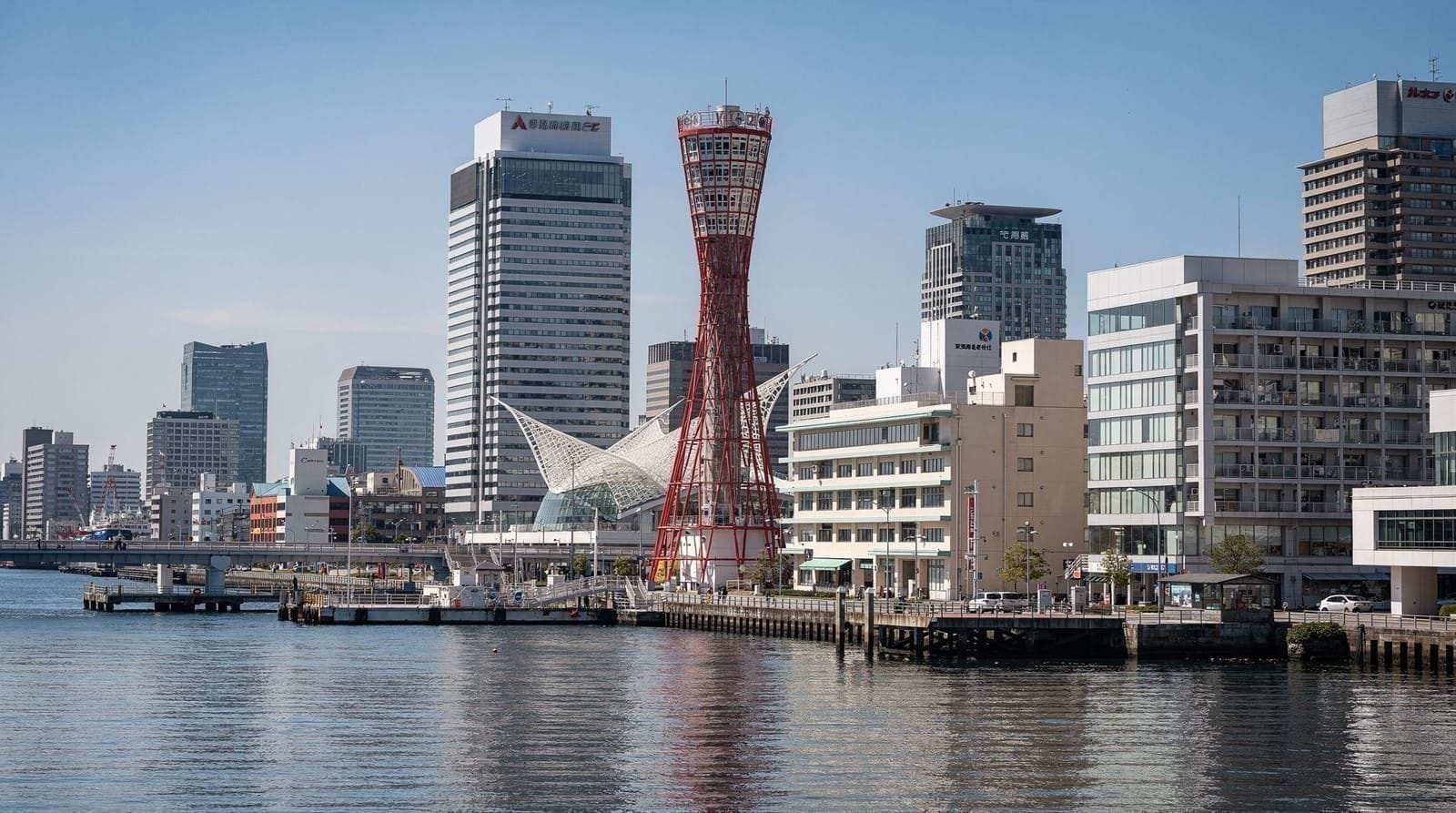
Getting there — JR Special Rapid or Hankyu train from Osaka, about 30 minutes to Sannomiya.
Midday/afternoon — Before lunch, a short stop in Nada, Kobe’s own historic sake district, pairs naturally with Fushimi’s brewery walk from the day before — a useful comparison of the two regions’ distinct sake styles for anyone genuinely interested in the craft. See our Nada sake tasting guide.
Genuine A5-certified Kobe beef, verified by the Kobe Beef Marketing and Distribution Promotion Association and sourced from Tajima cattle raised within Hyogo Prefecture, is the reason to make this detour on a food-focused trip specifically. A top Kobe beef and sushi restaurant tour covers a certified restaurant without the guesswork of verifying credentials solo — a genuine teppanyaki course runs ¥15,000-30,000 ($130-260) per person, and reservations are worth making before the trip for well-regarded restaurants.
Our Kobe beef guide and where to eat Kobe beef both flag which restaurants carry real certification versus which trade on the name loosely — a genuine concern given how widely “Kobe beef” gets used outside Japan for beef that has no connection to the actual certification.
Evening — Return to Osaka (30 minutes) for departure the next morning, or connect onward if Kobe is the final stop.
Food etiquette and honest warnings
Slurping noodles is genuinely acceptable and even expected in Japan, but eating while walking through crowded areas like Dotonbori is considered poor manners by many locals, even if less strictly enforced than a decade ago — most stalls now have a small standing area for exactly this reason.
Restaurants with picture menus, English touts standing outside, and inflated “seating charge” add-ons are a reliable sign of tourist-trap pricing in Dotonbori specifically; genuinely good, locally regarded restaurants rarely need to advertise this hard. In Kyoto, be cautious of any Nishiki Market stall pricing per-piece items ambiguously — ask the price before ordering if it isn’t clearly posted, since a small number of stalls have drawn complaints for this over the years.
What this itinerary skips, on purpose
This trip doesn’t include Nara, since its food scene is genuinely thinner than Osaka, Kyoto, or Kobe’s — it’s a worthwhile add-on for sightseeing but not central to a food-focused week. If Nara’s included on a broader trip, our standard 5-day itinerary covers it alongside a more balanced sightseeing pace.
Budget for this itinerary
This is a higher-spend itinerary than most on this site given the kaiseki dinner and Kobe beef meal — budget ¥25,000-45,000 ($220-395) per person per day if both of those flagship meals are included, versus ¥15,000-25,000 ($130-220) on days built around market stalls and street food alone.
It’s reasonable to spend heavily on one or two flagship meals and pull back on other days by leaning on Kuromon and Nishiki market food, which delivers genuinely high quality at a fraction of the cost of a formal restaurant meal. Our Kansai budget calculator helps model both scenarios, and a JPY currency converter keeps the bigger restaurant bills in perspective while ordering.
Spend by day type
| Day style | What it looks like | Rough daily cost |
|---|---|---|
| Street food / market | Kuromon, Nishiki, Dotonbori stalls | ¥3,000-6,000 ($26-52) food |
| Sake tasting | Fushimi or Nada brewery flights | ¥1,500-3,000 ($13-26) food + tastings |
| Flagship meal | Kaiseki or certified Kobe beef dinner | ¥10,000-30,000 ($88-260) that meal alone |
| Michelin-affordable | Osaka’s budget-friendly starred restaurants | ¥5,000-15,000 ($44-130) per person |
Balancing splurge days against grazing days
The realistic way to run this itinerary without every day costing kaiseki-or-Kobe-beef money is to treat Days 3 and 5’s flagship meals as the deliberate splurges and lean on Kuromon and Nishiki’s market stalls for the other meals across the trip — a genuinely high-quality meal at ¥500-1,500 per item is common at both markets, meaningfully cheaper than a formal restaurant seating. Our Osaka vegetarian and vegan guide is also worth checking if dietary restrictions mean skipping Kobe beef and some street food entirely in favor of Kyoto’s tofu and yuba-based dishes.
What if a flagship restaurant is fully booked?
Both certified Kobe beef restaurants and well-regarded kaiseki spots can book out weeks ahead, especially around weekends. If a first-choice restaurant is unavailable, our where to eat Kobe beef guide and Kyoto kaiseki guide both list several certified or well-regarded alternatives rather than a single name, precisely because relying on one specific booking is a fragile plan on a trip this food-focused.
Frequently asked questions about a Kansai food trip
Is 5 days enough to eat through Osaka, Kyoto, and Kobe properly?
Yes, at this pace — one full Osaka food day, two Kyoto days split between market and formal dining, and a Kobe beef day covers the region’s three signature food identities without rushing any of them.
Should I book kaiseki or Kobe beef restaurants in advance?
Yes, strongly recommended — both categories, especially certified Kobe beef restaurants and well-regarded kaiseki spots, take reservations days to weeks ahead, particularly for dinner service.
Is Nishiki Market still good to visit, or has it become too touristy?
It’s genuinely busier with visitors than it was a decade ago, and stall etiquette has tightened (less walk-and-eat, more eat-in-place), but the food quality itself hasn’t changed — a guided tour helps navigate which specific stalls still serve primarily to locals.
What’s the difference between Kobe beef and other Wagyu?
Kobe beef is a specific certified designation requiring Tajima-lineage cattle raised within Hyogo Prefecture and graded to strict marbling standards — “Wagyu” is a broader category covering multiple Japanese beef breeds and regions, not all of which meet Kobe’s specific certification.
Do I need reservations for a food tour, or can I book same-day?
Popular market and food tours in Kuromon and Nishiki often sell out days ahead during peak travel seasons (spring and autumn) — booking at least a week out is the safer approach.
Can I do this itinerary as a vegetarian or with dietary restrictions?
It’s workable but requires more planning than a typical Japan trip — kaiseki restaurants can often accommodate advance dietary requests if notified when booking, and market stalls are easier to navigate since ingredients are usually visible. Kobe beef and much of Osaka’s street food (takoyaki, kushikatsu) are not vegetarian-friendly by default, so substitute those days with more of Kyoto’s tofu and yuba-based dishes if needed.
Is this itinerary too food-heavy for a first Japan trip?
For a first trip that also wants temples and historic sights, our standard 5-day itinerary or 7-day itinerary balance food and sightseeing more evenly. This plan suits travelers for whom food is genuinely the primary motivation, not a secondary interest alongside sightseeing.
How much should I budget total for this 5-day trip?
Excluding accommodation, a realistic range runs from roughly ¥100,000-150,000 ($880-1,320) per person across the five days if both flagship meals (kaiseki and Kobe beef) are included, leaning toward the lower end if market and street food cover most other meals.
Is it worth adding Nara for a single sightseeing day within this itinerary?
Possible, but it means cutting one of the food-focused days — since this plan is deliberately built around Osaka, Kyoto, and Kobe’s food identities, adding Nara fits more naturally into the standard 5-day itinerary, which already balances food and sightseeing.
Top experiences
Bookable activities with verified prices and instant confirmation on GetYourGuide.