Kansai cycling routes
Nara: Nara e-bike highlights Todai-ji knives deer
Duration: 3.5 hours
Where is the best place to cycle in Kansai?
Nara Park is the easiest and most rewarding — flat terrain, deer wandering freely, and Todai-ji reachable in minutes by bike rather than a longer walk. Kyoto's e-bike tours cover more ground across the city's spread-out temple districts than walking or buses allow in the same time, while Osaka's riverside path along the Okawa River near Osaka Castle Park is the best self-guided city option.
Cycling solves a problem that public transport and walking both struggle with in this region: Kyoto and Nara’s sights are spread across areas too far apart to walk between comfortably but often awkward to reach efficiently by bus or a single train line. A bike — especially an e-bike on Kyoto’s occasional hills — closes those gaps, and Nara Park in particular is close to ideal cycling terrain in a way few other Japanese sightseeing districts are.
| Best overall | Nara Park — flat, deer, Todai-ji in minutes |
| Best for a repeat visit | Kyoto backstreets by e-bike |
| Cost | ¥1,000-2,500 (~$9-23) independent rental, half-day |
| Guided tours | 3-3.5 hours typical, bundle bike + guide + route |
| Best season | Spring (cherry blossom) or autumn (foliage); avoid midday in summer |
Nara Park: the easiest and most rewarding ride
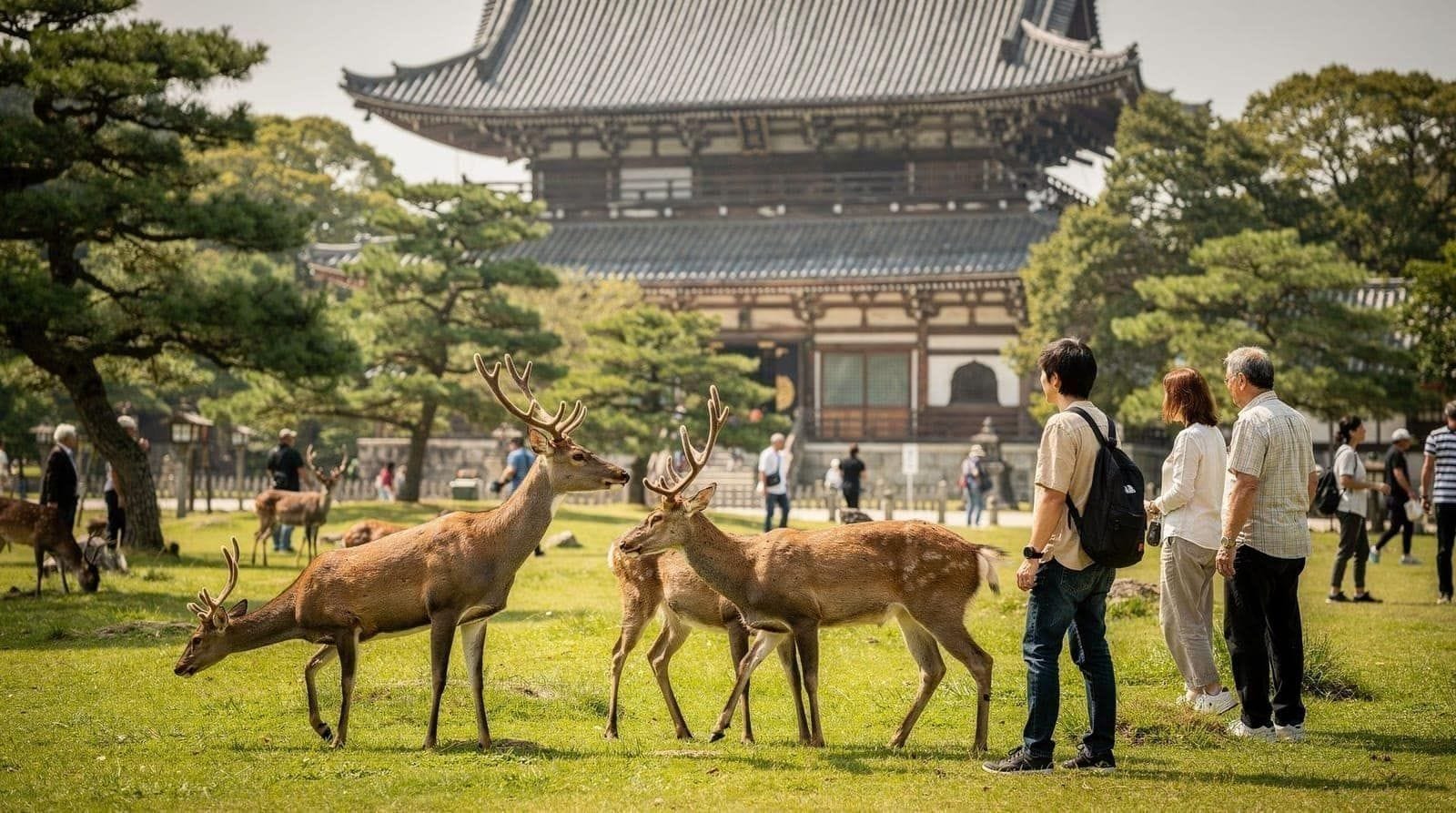
Nara Park is almost entirely flat, covers a wide area connecting Todai-ji, Kasuga Taisha, and the free-roaming deer herds that define the park, and rewards cycling more than any other Kansai destination on this list simply because walking the full loop on foot takes considerably longer and covers less ground in a morning.
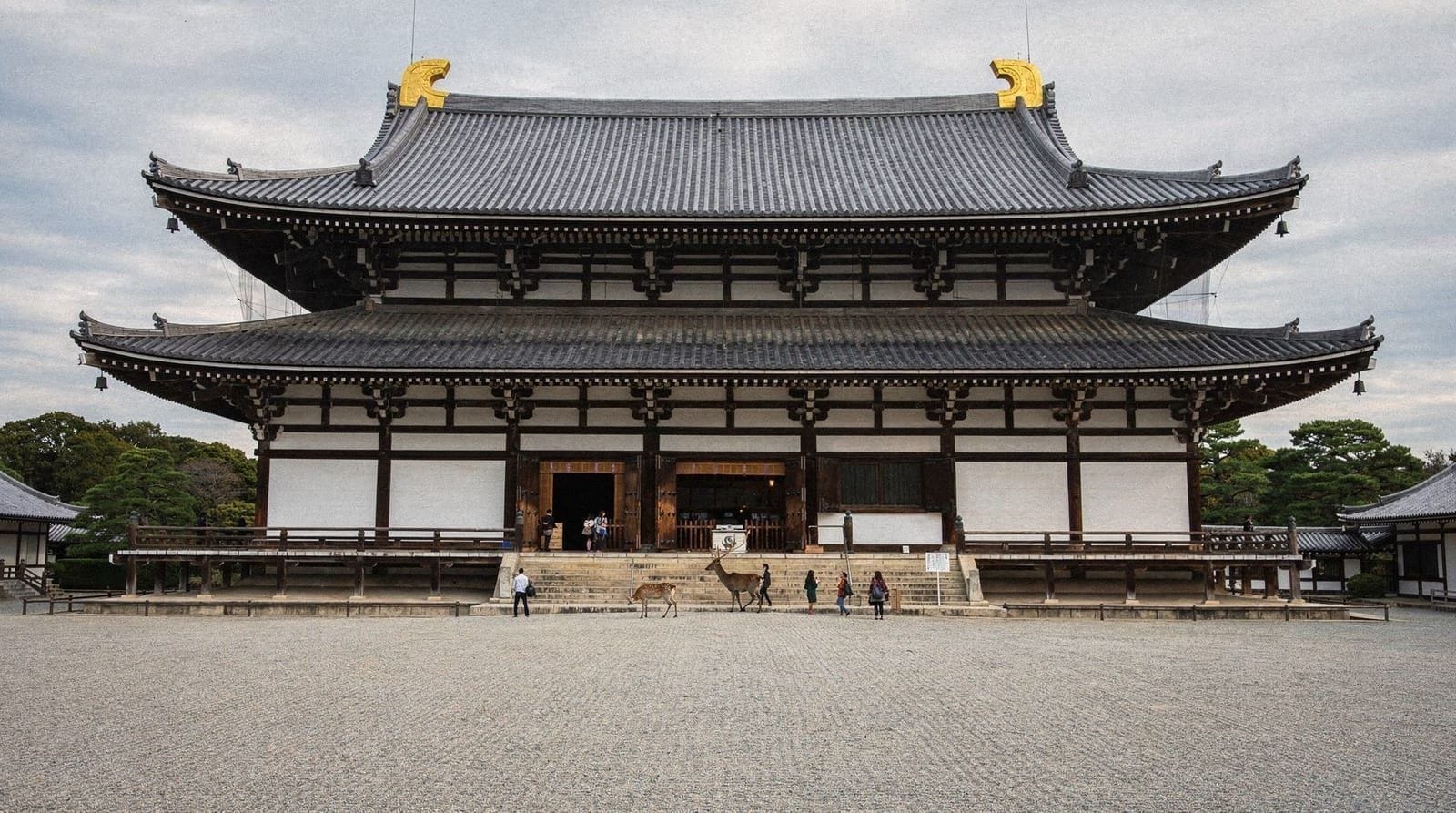
The Nara e-bike highlights tour, running about 3.5 hours, covers Todai-ji’s Great Buddha Hall, the deer park, and a stop at a traditional knife workshop — a genuinely useful add-on most self-guided visitors wouldn’t find on their own. For a longer route covering more of Nara’s UNESCO World Heritage sites at a relaxed pace, the Nara bike tour of the ancient capital extends further into the city’s temple district.
Families cycling with young children have a dedicated option: the Nara Park private family bike tour with lunch keeps pacing relaxed and includes a meal stop, useful given how easily a full day of walking through Nara Park wears down younger kids compared with riding. Full destination context, including deer park etiquette and Todai-ji’s opening hours, is covered in our Nara Park destination guide and Nara deer park family guide.
Kyoto: e-bikes for a spread-out city
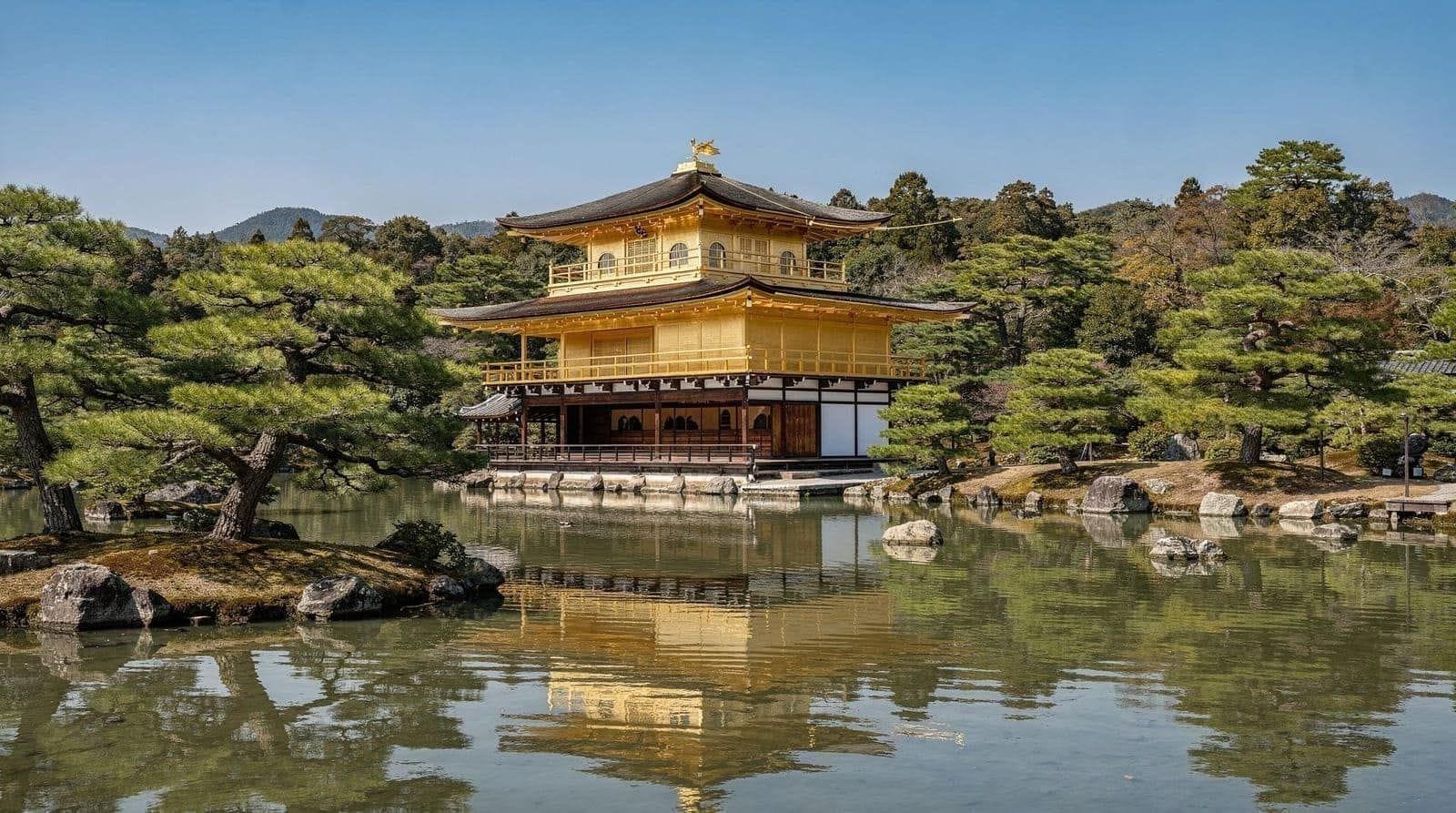
Kyoto’s temple districts — Fushimi Inari, Arashiyama, Gion, northern Kyoto around Kinkaku-ji — sit far enough apart that covering more than one or two properly in a single day by bus or subway involves real transfer time, a point covered at length in our Osaka to Kyoto day trip guide. An e-bike closes that gap meaningfully, and the electric assist matters more here than in flat Nara or Osaka, since parts of eastern and northern Kyoto involve genuine, if modest, hills.
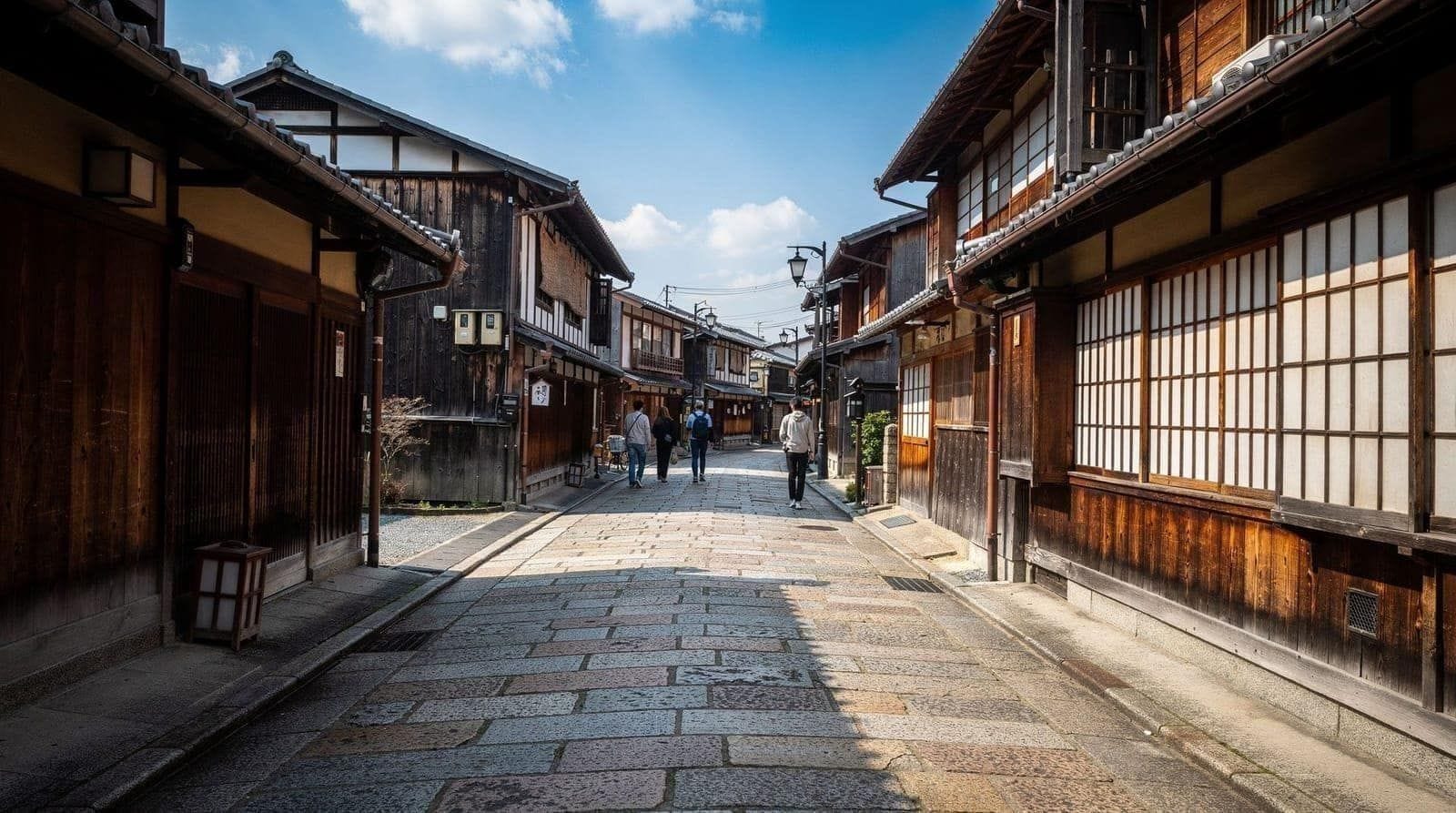
The secret Kyoto cycling tour routes through backstreets and lesser-visited spots that a standard walking itinerary rarely covers, a reasonable option for a second or third Kyoto visit rather than a first-timer’s highlight-focused day. The Ginkaku-ji and Philosopher’s Path e-bike tour covers the Philosopher’s Path — a canal-side walking route between Ginkaku-ji (the Silver Pavilion) and Nanzen-ji lined with cherry trees, gorgeous in spring but a genuinely long walk on foot — considerably faster and more comfortably by bike.
Osaka: a flatter, more casual ride
Osaka is flatter and generally more bicycle-friendly than Kyoto’s hillier eastern edge, though the city lacks a comprehensive tourist-facing guided cycling tour scene on the scale of Kyoto or Nara — most visitors here cycle independently rather than on a booked tour.
The Okawa River path near Osaka Castle Park is the standout self-guided route: a low-traffic, riverside stretch that’s genuinely pleasant during cherry blossom season in late March and early April, when the riverbank fills with blossoming trees, and pleasant year-round as a break from the city’s denser neon districts. Short-term bicycle rental is available near several central stations; see our getting around Osaka guide for where to find it.
Uji: a quieter riverside option
Uji, best known for matcha and the Byodo-in temple depicted on the ¥10 coin, has a genuinely pleasant riverside cycling path along the Uji River, considerably less crowded than any of the Kyoto or Nara routes above and a reasonable option for visitors who’ve already covered the bigger-name cycling destinations and want a slower, more local pace. Bicycle rental near Uji Station is available on an independent, non-guided basis rather than through a structured tour product — bring a paper map or offline map app, since English signage along the river path is sparser than in central Kyoto. Full destination context at our Uji destination guide and Uji matcha guide.
E-bike versus standard bicycle: which to choose
An e-bike’s electric pedal assist matters most on routes with real elevation change — parts of eastern and northern Kyoto, and any route venturing toward the hillier edges of Nara beyond the flat park itself. For Nara Park’s interior and Osaka’s riverside paths, both essentially flat, a standard bicycle performs just as well at a lower rental cost, and the e-bike’s extra weight (noticeable when maneuvering through Nara Park’s occasional deer-crowded pinch points) can be a minor downside rather than a pure upgrade. If a specific tour only offers e-bikes, it’s rarely worth avoiding purely on that basis, but independent renters choosing between the two options in flat terrain can reasonably save money with a standard bike.
Seasonal considerations for cycling
Spring (late March into April, cherry blossom season) and autumn (November, koyo foliage) are the best cycling months by far — mild temperatures and some of the most photogenic riding conditions in the region, though also the most crowded on popular routes like the Philosopher’s Path. Summer (June through August) brings genuine heat and humidity (28-35°C) that makes midday cycling considerably less comfortable than a shaded temple walk or an air-conditioned stop; if cycling in summer, an early morning or early evening ride avoids the worst of the heat. Winter is cold but dry, with far fewer crowds on every route listed here, a reasonable trade for visitors who dress warmly and don’t mind bare trees over blossoms or foliage.
Guided tour or self-guided: how to decide
A guided e-bike tour is worth the premium over independent rental specifically in areas where local knowledge adds real value — Kyoto’s backstreets, where getting lost away from main roads is genuinely easy, and Nara Park, where a guide’s context on Todai-ji’s history and the deer’s cultural significance adds meaningfully to what you’d get riding independently with just a map. Independent rental makes more sense in simpler, harder-to-get-lost-in settings like Osaka’s riverside path or Uji’s single river-following route, where a guide’s local knowledge adds less relative to its cost.
Rental costs and what to expect
Independent e-bike or standard bicycle rental in Kyoto and Nara typically runs ¥1,000-2,500 (~$9-23) for a half-day and somewhat more for a full day, available through hotel front desks and dedicated rental shops near major stations, separate from the guided tour options above. Guided e-bike tours bundle the bike, a guide, and usually a specific route or set of stops for a set price per person, generally a better value for a first visit to any of these areas since navigation and route-finding are handled for you — genuinely useful in Kyoto’s backstreets, where getting turned around away from the main tourist routes is easy without local knowledge.
Safety, rules, and etiquette
Helmets aren’t legally mandatory for adult cyclists in Japan, though most rental operators and guided tours provide them and encourage their use, particularly on e-bikes capable of higher speeds than a standard bicycle. Dedicated bike lanes are rare outside a handful of newer riverside paths; cycling on sidewalks is technically restricted to specific marked sections but is common practice and generally tolerated at a slow, careful pace, especially where roads lack any shoulder.
Riding two abreast, using a phone while cycling, and cycling under the influence are all enforced traffic violations, not merely informal etiquette. In Nara Park specifically, cyclists should dismount and walk the bike through the densest deer clusters — the deer are generally calm around slow foot traffic but can be startled by a moving bike passing close by.
Wakayama and Koyasan: cycling is not the right tool here
Wakayama’s coastal areas and the mountain approach to Koyasan involve terrain — steep mountain roads, longer distances between sights, and in Koyasan’s case, a funicular-and-cable-car ascent that no bicycle route replaces — where cycling isn’t a practical option the way it is in flat Nara or moderately hilly Kyoto. Visitors interested in an active, outdoors-focused day in this part of the region are better served by the hiking routes covered in our Kumano Kodo hiking guide than by looking for a cycling equivalent that doesn’t meaningfully exist there.
A one-day cycling itinerary combining Nara and lunch
A workable structure for a single dedicated cycling day: start at Nara Park by mid-morning (after the earliest deer-feeding rush but before the tour-bus crowds peak around midday) for a 3-3.5 hour guided e-bike tour covering Todai-ji, the deer park, and Kasuga Taisha’s approach, then a relaxed lunch near Kintetsu-Nara Station before heading back toward Osaka or Kyoto in the afternoon. This front-loads the physical activity earlier in the day, when temperatures are lower and energy levels higher, leaving the afternoon for a lower-effort activity like a museum stop or a slow walk through a covered market.
Combining cycling with a broader Kansai day
A guided e-bike tour works well as one component of a longer day rather than the whole day itself — the Nara e-bike tour, for instance, typically wraps by early afternoon, leaving time for lunch and a slower-paced walk through Kasuga Taisha’s lantern-lined approach afterward, covered in our Kasuga Taisha guide.
In Kyoto, pairing a morning e-bike tour with an afternoon on foot in Gion or central Kyoto, where narrow, crowded streets make cycling impractical anyway, is a sensible way to split a day’s pace. For getting to Nara or Kyoto from an Osaka base in the first place, see our Osaka to Kyoto transport guide and Osaka to Nara day trip guide.
What to bring on a cycling day
Beyond standard sightseeing essentials, a cycling day benefits from a small backpack rather than a shoulder bag (more stable while riding), closed-toe shoes rather than sandals, and sun protection given that most of these routes spend meaningful time outdoors and away from the shaded arcades common in Osaka’s covered shopping streets. Most guided tours provide helmets and basic safety equipment, but bringing your own water bottle is worth it, since stopping for drinks mid-route breaks up the flow of a guided group tour more than it would on a self-guided ride.
Booking ahead versus showing up
Guided e-bike and cycling tours in both Kyoto and Nara run with limited group sizes and commonly sell out on weekends and during peak cherry blossom and autumn foliage weeks, meaningfully more than independent bike rental does. Booking a specific tour slot a few days ahead, rather than assuming a walk-up spot will be available, is the safer approach during these peak windows; outside peak season, same-day or next-day availability is considerably more forgiving.
Who cycling suits, and who it doesn’t
Cycling suits visitors comfortable navigating unfamiliar city traffic at a modest pace and looking to cover more ground than walking allows without the wait times and fixed routes of buses — a good fit for a second Kyoto visit past the first-timer highlight list, or for a family wanting an efficient, engaging way to see Nara Park beyond a straight walking loop. It suits fewer people less well: anyone uncomfortable cycling in mixed traffic, visitors prioritizing photography who’d rather stop and linger than keep moving on a set route, and anyone visiting during the peak heat of Kansai’s July-August summer, when a midday ride in 30°C-plus humidity is a harder sell than a shaded temple walk or an air-conditioned museum.
Route comparison at a glance
| Route | Terrain | Best for | Guided or self-guided |
|---|---|---|---|
| Nara Park | Flat | First-timers, families | Both, guided adds Todai-ji context |
| Kyoto e-bike (Philosopher’s Path, backstreets) | Modest hills | Repeat visitors, spread-out temples | Guided recommended |
| Osaka riverside (Okawa) | Flat | A casual break from the city | Self-guided |
| Uji riverside | Flat | Quieter, slower-paced day | Self-guided |
| Wakayama / Koyasan | Steep, unsuitable | — | Neither — hike instead |
Frequently asked questions about cycling in Kansai
Do I need cycling experience to join a guided e-bike tour?
No — most guided tours in Nara and Kyoto are paced for casual riders and include a brief safety and handling briefing before setting off. Comfort riding a bicycle on flat ground at a slow-to-moderate pace is generally all that’s needed; genuine mountain terrain like Koyasan isn’t part of any of these tours.
Is cycling in Osaka or Kyoto safe for beginners?
Osaka’s riverside paths and Nara Park are low-stress, low-traffic options well suited to less confident riders. Central Kyoto’s narrow, crowded streets are less forgiving, which is why guided e-bike tours there tend to route through backstreets rather than main tourist thoroughfares — sticking to a guided route is the easier choice for a first-time visitor cycling in the city itself.
Can I rent a bike for multiple days rather than a single tour?
Yes — most independent rental shops near major Kyoto and Nara stations offer multi-day rates, generally a modest discount over paying the daily rate repeatedly. This suits visitors planning to cycle on several separate days across a longer stay rather than a single dedicated cycling day, though returning the bike to the correct shop location each night is worth confirming, since not every rental shop allows a different pickup and drop-off point.
Top experiences
Bookable activities with verified prices and instant confirmation on GetYourGuide.