Shinsekai and Tennoji
Shinsekai's retro Tsutenkaku Tower and kushikatsu, plus Tennoji's Shitenno-ji Temple and Abeno Harukas, make for an inexpensive, atmospheric half-day.
Osaka: Osaka Shitenno-ji private tour
Duration: 1.5 hours
Quick facts
- Best time to visit
- Early evening, when Tsutenkaku Tower and the arcade signs light up
- Days needed
- Half a day
- Getting there
- Tennoji Station (JR, subway, Kintetsu) or Dobutsuen-mae, 15-20 minutes from Namba or Umeda
- Nearest station
- Dobutsuen-mae (Shinsekai) / Tennoji (Abeno Harukas, Shitenno-ji)
- Good for
- Retro atmosphere, budget eats, kushikatsu, city views
Shinsekai and Tennoji sit next to each other just south of central Osaka, and together they cover two very different registers of the city: Shinsekai’s slightly rough, retro entertainment district built around a century-old tower, and Tennoji’s mix of an ancient temple and Japan’s tallest building.
| Where | South-central Osaka, next to each other |
| Days needed | Half a day |
| Getting there | Dobutsuen-mae or Tennoji Station, 15-20 min from Namba/Umeda |
| Cost | Kushikatsu meal around ¥1,500-2,500; Abeno Harukas deck extra |
| Best time | Early evening for Tsutenkaku lit up; daytime for the temple |
Shinsekai: a 1912 theme district that never modernized
Shinsekai (“New World”) was built in 1912 with a deliberately split identity — one half modeled on Paris, the other on Coney Island — and it fell into decline through much of the 20th century before being rediscovered as a nostalgia destination in the 2000s. The result is a neighborhood that looks and feels older and grittier than most of central Osaka, with narrow arcaded streets, hand-painted signage, and a concentration of cheap eats that hasn’t been fully gentrified. It’s an easy neighborhood to enjoy for a couple of hours and an easy one to overstay in if you’re not paying attention to belongings in the more crowded arcades — not dangerous, just dense.
Tsutenkaku Tower
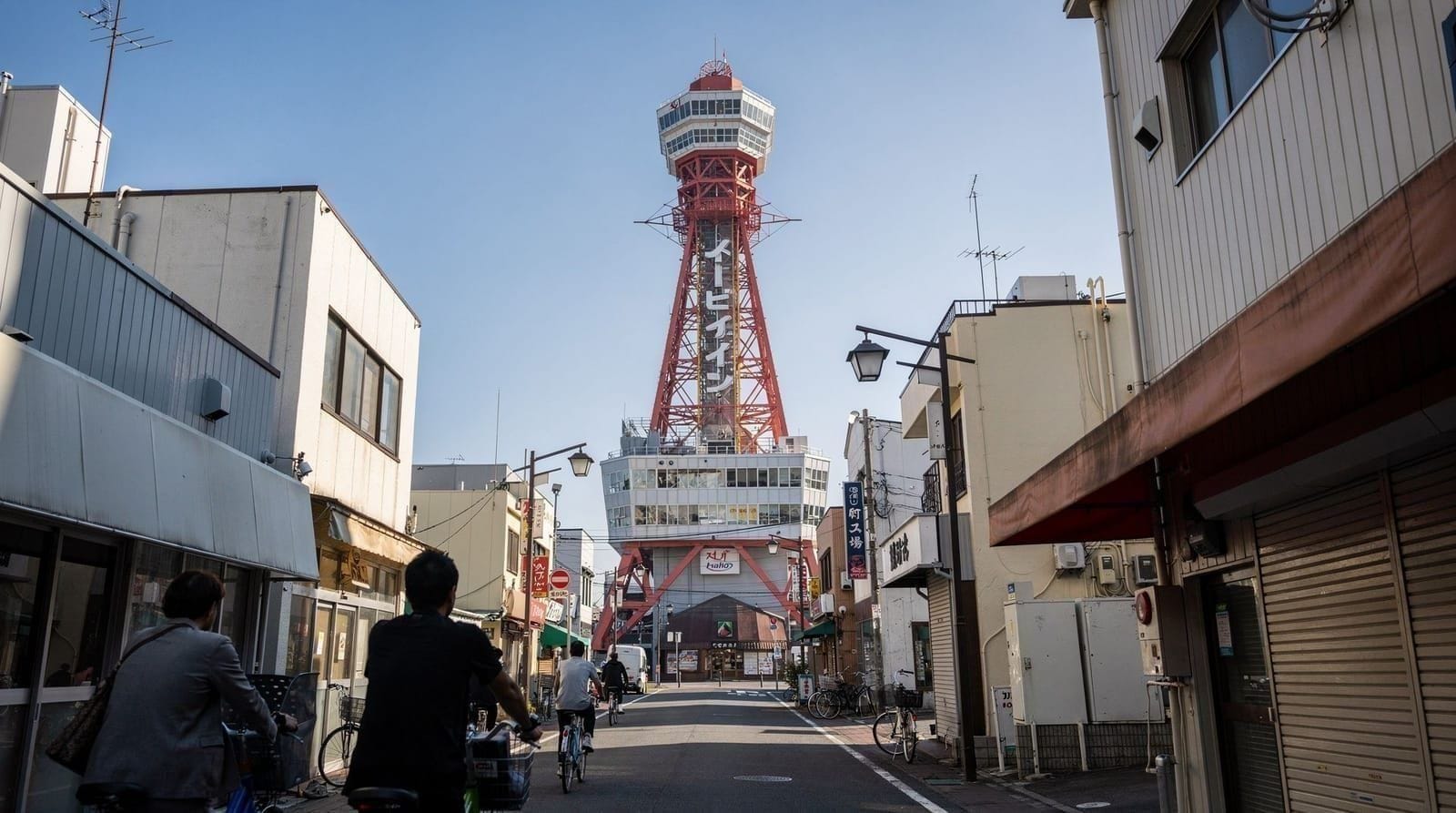
Tsutenkaku (“tower reaching heaven”) is Shinsekai’s anchor landmark, a 103-meter tower rebuilt in 1956 after the original 1912 structure was dismantled for scrap metal during WWII. The observation deck gives a decent, if modest by modern standards, view over the low-rise neighborhood and toward Abeno Harukas in the distance; it’s more valuable as a photo subject from street level than as a viewpoint destination in its own right, especially once lit up at night.
Kushikatsu: the neighborhood’s signature dish
Kushikatsu — skewered, breaded, deep-fried meat, seafood, and vegetables — is Shinsekai’s culinary identity, sold at dozens of small counter restaurants along Janjan Yokocho arcade and the surrounding streets. The most famous chain, Daruma, has a genuine, strictly enforced house rule: no double-dipping skewers into the shared sauce pot (order a fresh skewer if you want more sauce, don’t re-dip a bitten one) — a real point of local etiquette, not an invented gimmick for visitors.
Individual skewers run ¥100-300 ($1-3) each, and a filling meal of 8-10 skewers plus a drink typically costs ¥1,500-2,500 ($13-22). Our kushikatsu guide covers etiquette and specific restaurant recommendations in more detail, and the wider Osaka street food guide puts kushikatsu in context alongside takoyaki and okonomiyaki elsewhere in the city.
Janjan Yokocho: the arcade behind the tower
Janjan Yokocho is a narrow covered arcade running behind Tsutenkaku, lined with kushikatsu counters, standing bars, and a scattering of shogi (Japanese chess) parlors that give the street its old-Osaka, working-class character. It’s an inexpensive, unpretentious place to eat and drink, popular with older local men as much as tourists — a genuine slice of the city rather than a reconstruction of one.
Spa World: a large onsen complex a few minutes’ walk away
Directly adjacent to Shinsekai, Spa World is a large indoor-outdoor bathing complex spread across themed floors representing different world regions (a “European” zone, an “Asian” zone, alternating between genders on a schedule), plus a pool area and sauna facilities. It’s a reasonable way to spend an afternoon or evening combined with a Shinsekai visit, particularly useful for travelers wanting a proper Japanese bathing experience without traveling out to Kobe’s Arima Onsen or a more remote hot spring town — standard tattoo restrictions common to Japanese bathhouses generally apply here as well, worth checking current policy before visiting if relevant.
Shitenno-ji Temple: one of Japan’s oldest
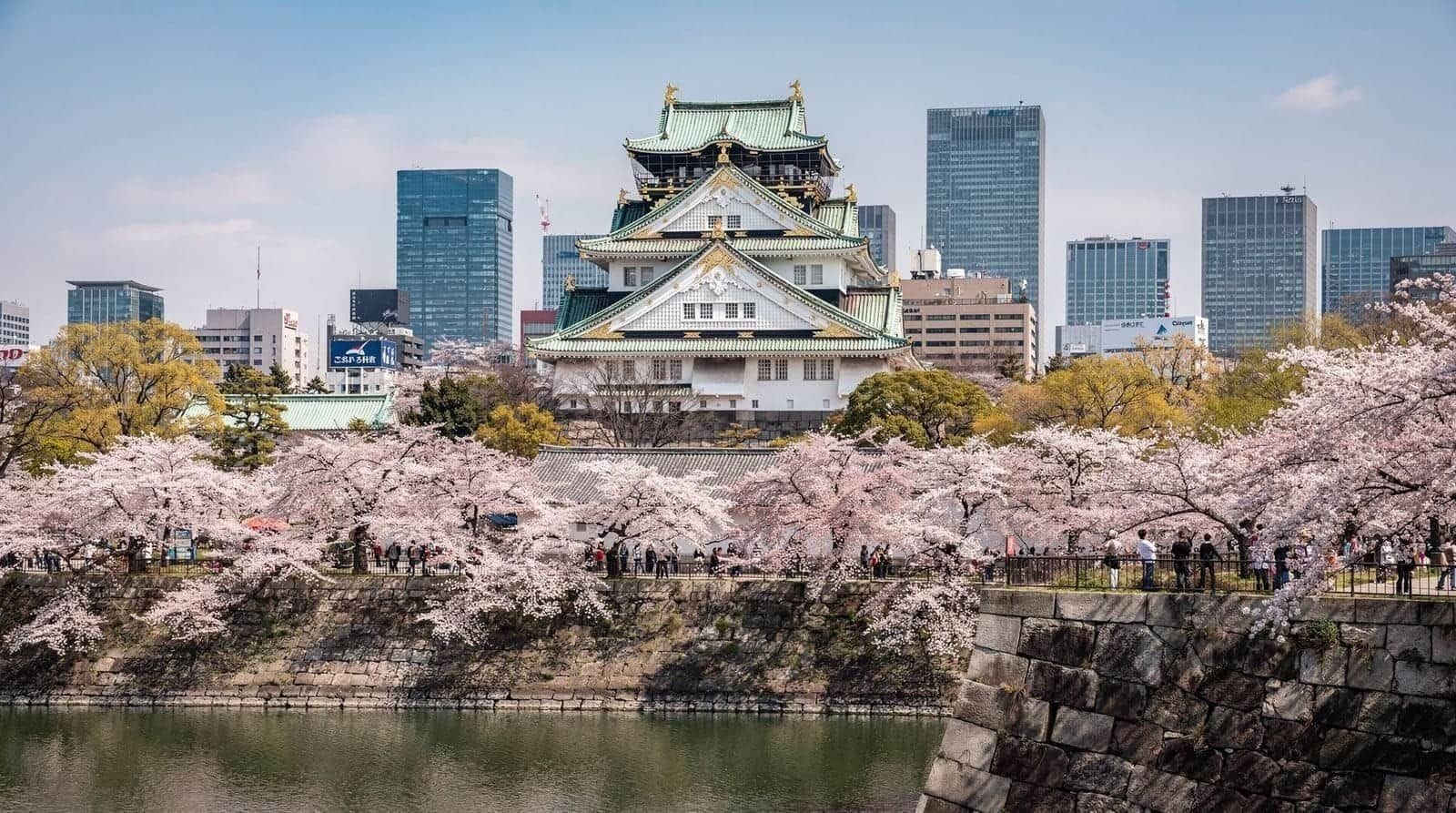
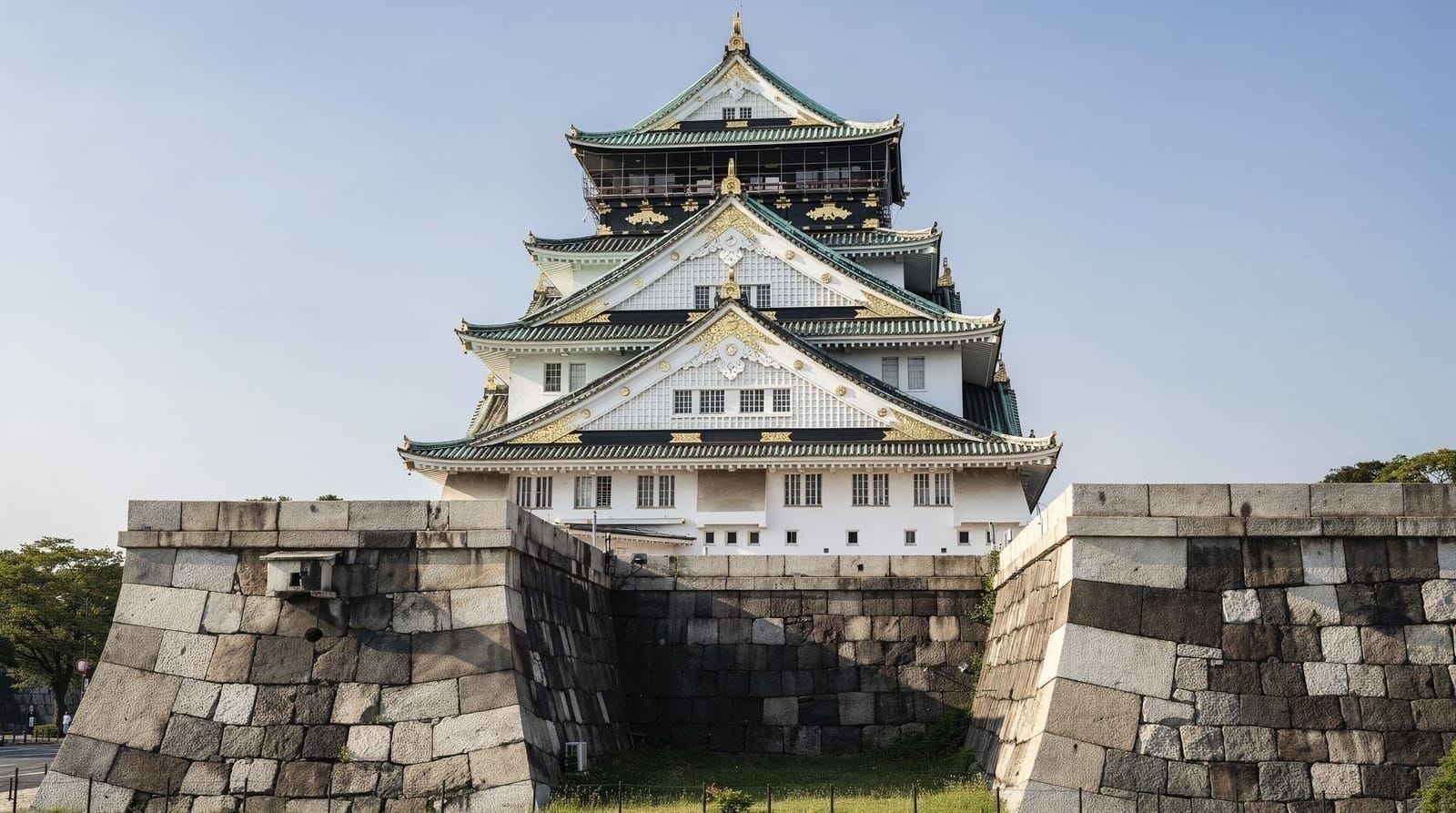
A 15-20 minute walk from Shinsekai, Shitenno-ji was founded in 593 CE by Prince Shotoku, making it one of the oldest officially recognized Buddhist temples in Japan, though — like Osaka Castle — the current buildings are reconstructions following repeated fire and wartime damage, most recently rebuilt in ferroconcrete in the 1960s. Its layout, a straight north-south axis running through the main gate, pagoda, and main hall, follows a design pattern brought from continental Asia in the 6th century and is considered historically significant even in reconstructed form.
A private tour of Shitenno-ji covers this history in a way the sparse on-site signage doesn’t. For a slightly unusual combination, a Shitenno-ji and Isshin-ji “bone Buddha” tour pairs it with nearby Isshin-ji Temple, notable for statues built by fusing the cremated remains of past worshippers into their construction — an unusual practice specific to this temple.
Keitakuen Garden: a quiet traditional garden inside the park
Within Tennoji Park, Keitakuen Garden is a small Japanese strolling garden built in the early 20th century as the private grounds of the Sumitomo family, later donated to the city. It’s easy to overlook next to the zoo and Abeno Harukas, but it’s a genuinely peaceful pond-and-path garden with seasonal plantings, requiring a modest separate admission fee — a reasonable half-hour stop for visitors who want a quieter counterpoint to Shinsekai’s density without traveling out to Kyoto’s larger gardens.
Tennoji Park, the zoo, and Abeno Harukas
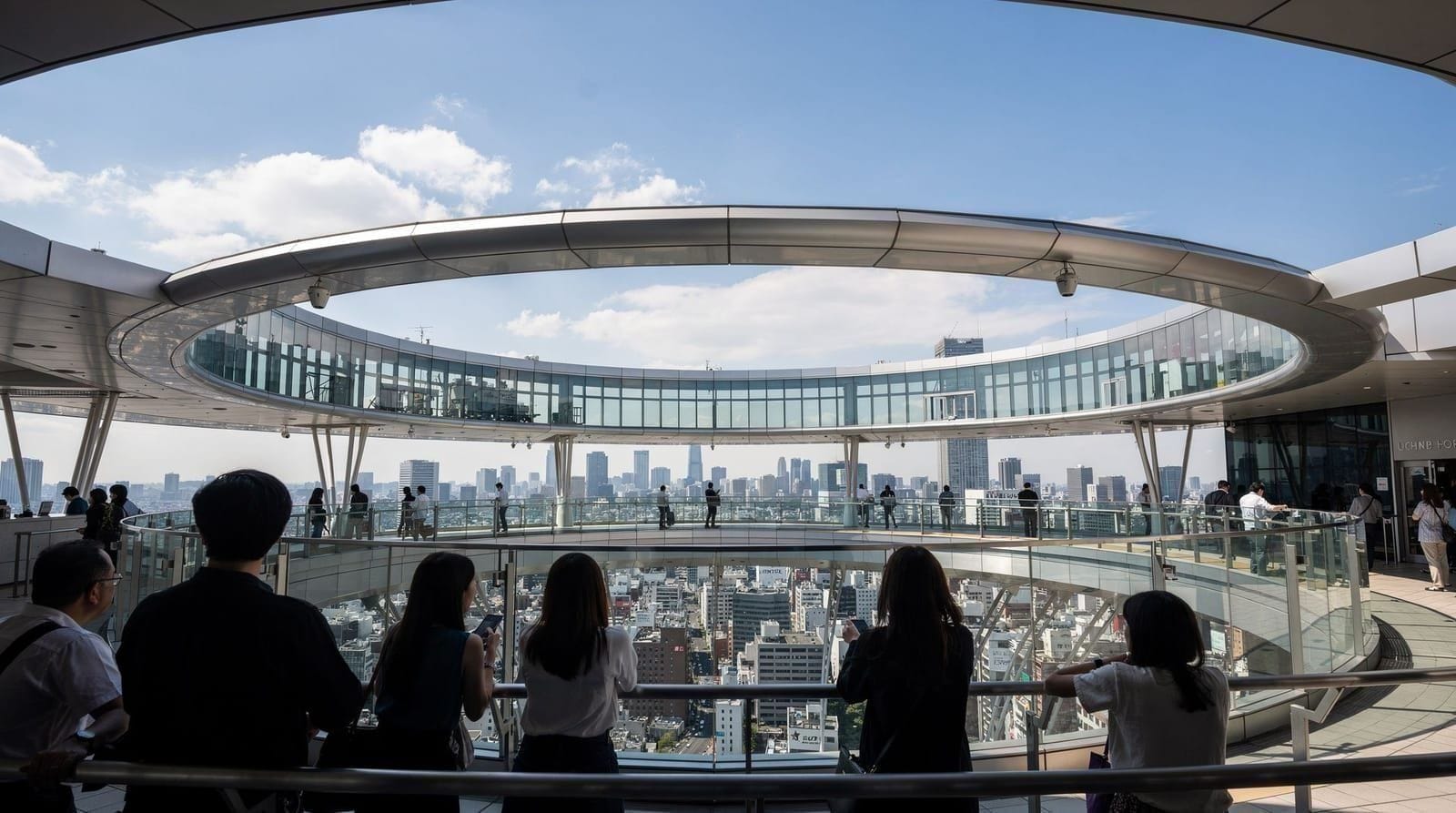
Tennoji Park, adjoining the temple grounds, includes Tennoji Zoo (one of Japan’s oldest, opened 1915) and a small Japanese garden — a reasonable stop with kids, though the zoo itself is modest by international standards. Abeno Harukas, immediately south of Tennoji Station, is Japan’s tallest building at 300 meters, with a shopping mall filling its lower floors and the Harukas 300 observation deck on the top three floors giving the widest single-point view over Osaka and, on clear days, toward Kyoto and Kobe.
From postwar decline to nostalgia destination
Shinsekai’s history has a genuine arc worth knowing before wandering its streets: built in 1912 as a modern entertainment district with an amusement park (Luna Park, since closed) beneath the original Tsutenkaku, the neighborhood declined through much of the mid-20th century, developing a reputation within Osaka as a rough, low-income area best avoided by outsiders. That reputation persisted for decades even as the rest of the city modernized around it. The turnaround began in the 1990s and 2000s, driven partly by a wave of nostalgia (retro) tourism among younger Japanese visitors drawn to the area’s unchanged, pre-war character, and partly by media coverage that reframed the neighborhood’s rough edges as authentic rather than dangerous.
It’s worth knowing this history walking through today, since much of what makes Shinsekai feel distinct — the hand-painted signage, the concentration of small, family-run kushikatsu counters, the absence of chain stores that have colonized most of central Osaka — survived precisely because the area was neglected for so long rather than redeveloped.
Shopping detour: Nipponbashi and Den Den Town
A short walk northwest of Shinsekai, Nipponbashi (also called Den Den Town) is Osaka’s answer to Tokyo’s Akihabara — multi-floor shops selling manga, retro and current-generation games, anime figures, and cosplay costumes, with noticeably thinner crowds than the Tokyo equivalent at the same time of day. It pairs naturally with a Shinsekai visit since both sit within a 10-minute walk of each other, and it’s a reasonable way to fill an extra hour if you’ve covered the tower and kushikatsu district faster than expected. Our manga and anime in Osaka guide covers the specific shops worth a look.
Where to stay near Shinsekai and Tennoji
Tennoji itself is a genuinely practical, budget-friendly base — well connected by JR, subway, and Kintetsu, cheaper than Namba or Umeda, and about 15 minutes from both by train, though it has less nightlife of its own than either. Most visitors treat Shinsekai and Tennoji as a half-day stop from a Namba or Umeda base rather than staying here directly, but it’s worth considering if budget matters more than neighborhood atmosphere at night. Full comparison in our where to stay in Osaka guide.
Getting here and connecting onward
Dobutsuen-mae Station (subway) sits right at the edge of Shinsekai and is the more direct approach for the tower and kushikatsu district; Tennoji Station (JR Loop Line, subway, Kintetsu) is a few minutes further south and the right stop for Shitenno-ji and Abeno Harukas. Both are 15-20 minutes from Namba or Umeda. From Tennoji, it’s straightforward to continue on to Nara (about 45 minutes) since several Kintetsu and JR lines run south from here, or back north to Osaka Castle via the JR Loop Line.
For a broader guided introduction, the ultimate walking tour covering the castle, Shinsekai, and Dotonbori links this neighborhood with two others in a single day. Full city context at our Osaka destination guide.
Tourist traps and honest warnings
Shinsekai has a reputation, not entirely undeserved historically, as one of Osaka’s rougher neighborhoods, though in practice it’s safe for visitors day and night — the atmosphere is grittier than Dotonbori’s polish, not more dangerous. A handful of kushikatsu restaurants near the tower entrance charge tourist-level prices with English picture menus; walking a block into Janjan Yokocho generally finds better value. A guided night walking tour covering Shinsekai’s history is a good way to get context on the area’s postwar decline and revival if you’re curious rather than just passing through.
Frequently asked questions about Shinsekai and Tennoji
Is Shinsekai safe to visit at night?
Yes — it has a rougher, more working-class reputation than the rest of central Osaka, but violent crime is low and it’s a well-visited tourist area after dark. Keep an eye on belongings in the crowded arcades, as with any dense area.
What is the “no double-dipping” rule at kushikatsu restaurants?
At kushikatsu counters, especially the well-known Daruma chain, diners share a communal sauce pot for dipping skewers, but re-dipping a skewer that’s already been bitten is considered unsanitary and against house rules — order a fresh skewer instead if you want more sauce.
Is Tsutenkaku Tower worth the admission fee?
It’s a modest view by modern skyscraper standards, more valuable as a photo subject from the street than as a destination view in itself. Visitors mainly interested in a skyline view are usually better served by Abeno Harukas or the Umeda Sky Building.
How old is Shitenno-ji Temple?
It was founded in 593 CE, making it one of Japan’s oldest Buddhist temples by founding date, although the current buildings are 20th-century concrete reconstructions following repeated fire and wartime damage.
What is Abeno Harukas?
Abeno Harukas is Japan’s tallest building at 300 meters, located next to Tennoji Station, with a shopping mall in its lower floors and an observation deck (Harukas 300) on its top three floors offering panoramic views over Osaka.
How do I get from Shinsekai to Osaka Castle or Dotonbori?
Both are reachable in 15-20 minutes by train from Tennoji or Dobutsuen-mae Station — the JR Loop Line connects toward Osaka Castle, and the subway connects toward Namba and Dotonbori.
Is Spa World worth visiting alongside Shinsekai?
Yes, if you want a full Japanese bathing experience without traveling further afield — it’s directly adjacent to Shinsekai and offers themed indoor-outdoor floors plus sauna facilities, making it easy to combine with an afternoon or evening in the neighborhood. Standard tattoo restrictions common to Japanese bathhouses apply.
Why did Shinsekai develop a rough reputation?
The neighborhood declined through much of the mid-20th century after opening in 1912 as a modern entertainment district, developing a reputation within Osaka as a low-income, somewhat neglected area. A wave of nostalgia tourism from the 1990s onward reframed its unchanged, pre-war character as a draw rather than a warning sign, and it’s now a well-visited, safe tourist area.
Can I combine Shinsekai with Den Den Town or Nara?
Yes — Nipponbashi (Den Den Town) is about a 10-minute walk northwest and pairs naturally with a Shinsekai visit, while Tennoji Station connects directly to Nara in about 45 minutes if you want to continue the day further afield.
Is Tennoji a good place to stay in Osaka?
It’s a practical, budget-friendly base with strong train connections to Namba and Umeda (about 15 minutes either way), though it has less nightlife of its own — a reasonable choice if cost and connectivity matter more than staying in the middle of the action.
Top experiences
Bookable activities with verified prices and instant confirmation on GetYourGuide.